
DAY ONE: WOMEN’S ACCOUNTABILITY MEDIA LAB PUTS COMMUNITY VOICES AT THE CENTRE OF FIJI’S PUBLIC SERVICE REFORM
Ngaarda Media’s Tangiora Hinaki was invited by Pacific Media (PACMAS) to share her leadership story at the Women in Media Breakfast in September.
Ahead of the Pacific Islands News Association conference, Tangiora also attended two pre-summit workshops, hearing directly from Fijian communities about the challenges they are facing.
“I was deeply moved by the stories I heard from Fijian locals — including the story of a family who perished in the highlands following a landslide, and the frightening reality of coastal erosion impacting villages and families across the Pacific.
Ngaarda Media will help share their stories.”
Here is a snapshot from the pre-summit workshop held in Savusavu on Monday, September 21, 2026.
WOMEN’S ACCOUNTABILITY AND CIVIL SERVICE REFORM
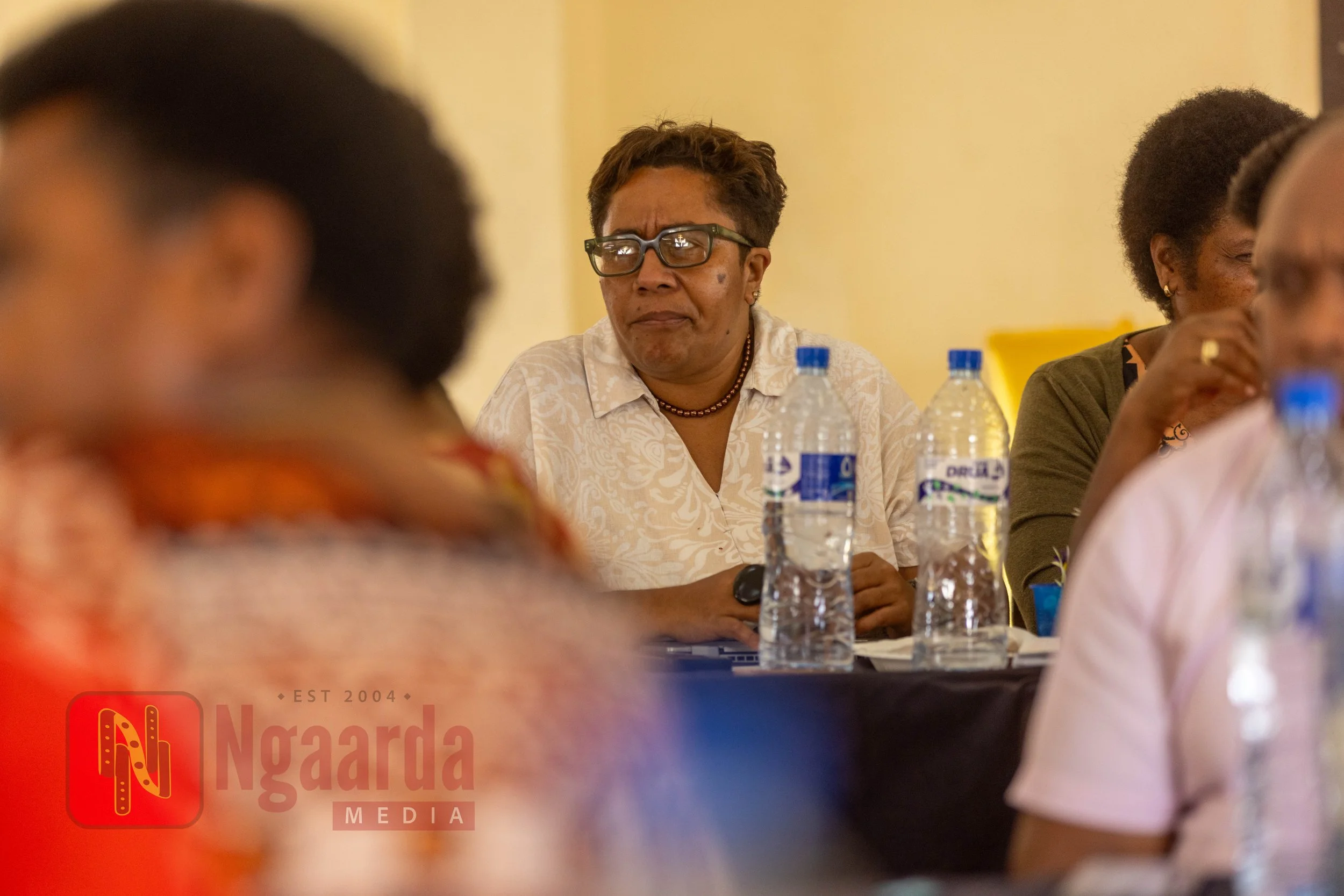
The Women’s Accountability Media Lab brought women community leaders, journalists and allies together to examine how community evidence can influence Fiji’s civil service reforms. A strong theme was that government reform needs to reflect lived experience, particularly the experiences of women dealing directly with failures in public services.
“Government failures are not gender-neutral. Poor service delivery impacts women disproportionately.”
STORIES MUST TRAVEL WITH THE DATA
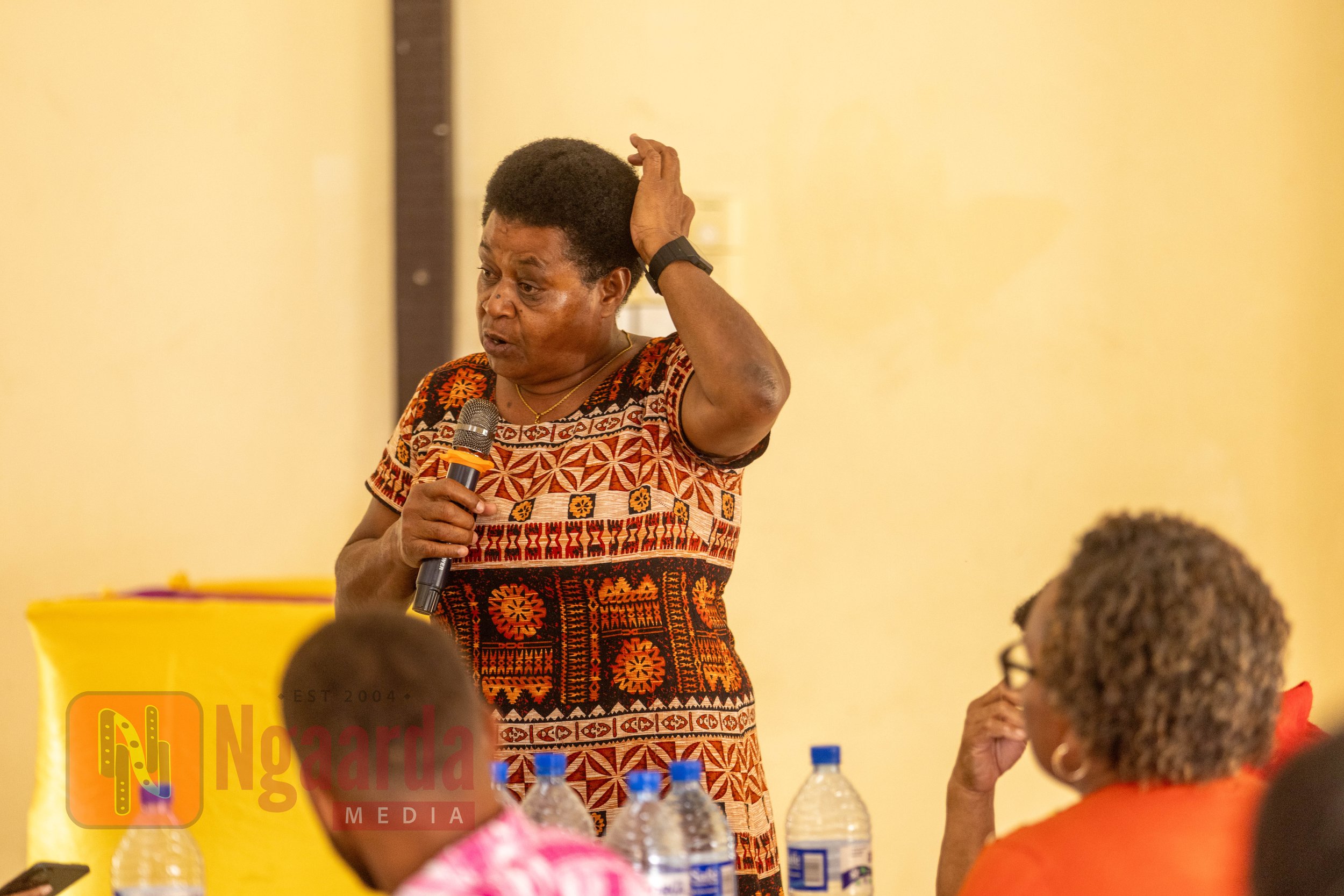
Participants heard that statistics alone do not always convince decision-makers. The project is designed to combine assessment scores with community stories, giving policymakers both measurable evidence and a clear picture of how decisions affect people on the ground.
“When we present the data with the stories, it makes for compelling evidence to change or to influence policymakers.”
OPEN DATA MUST BE ACCESSIBLE TO COMMUNITIES
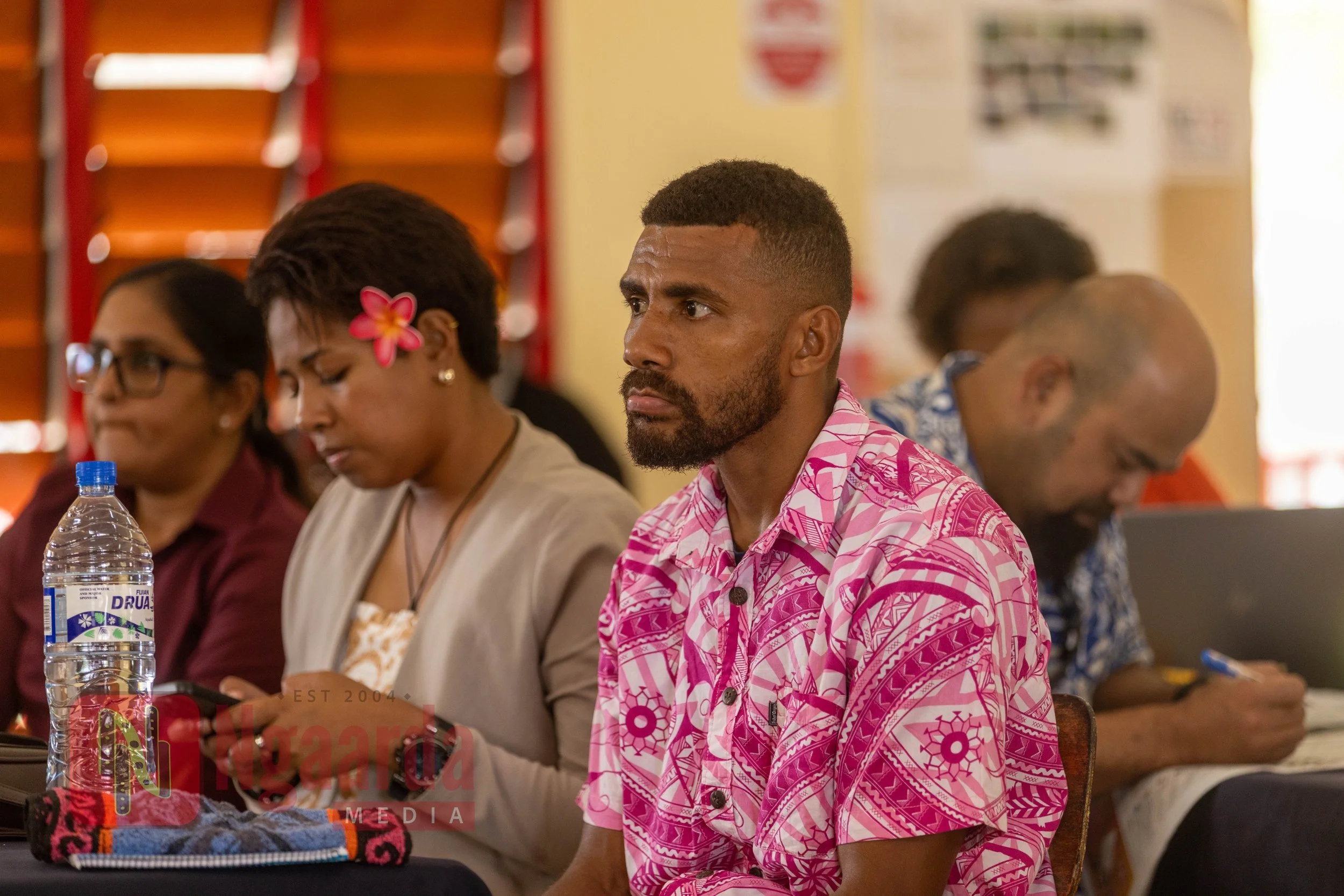
The Open Data Accountability Assessment examined whether government information is actually available, accessible and understandable — not simply whether it appears on a website. The discussion focused on whether people in villages, islands and remote communities can obtain and use the information they need.
“We’re asking for the experience to access information right where they live in their community, right where they live in their villages or in the outer islands.”
COMMUNITIES HAVE THE RIGHT TO ASSESS SERVICES
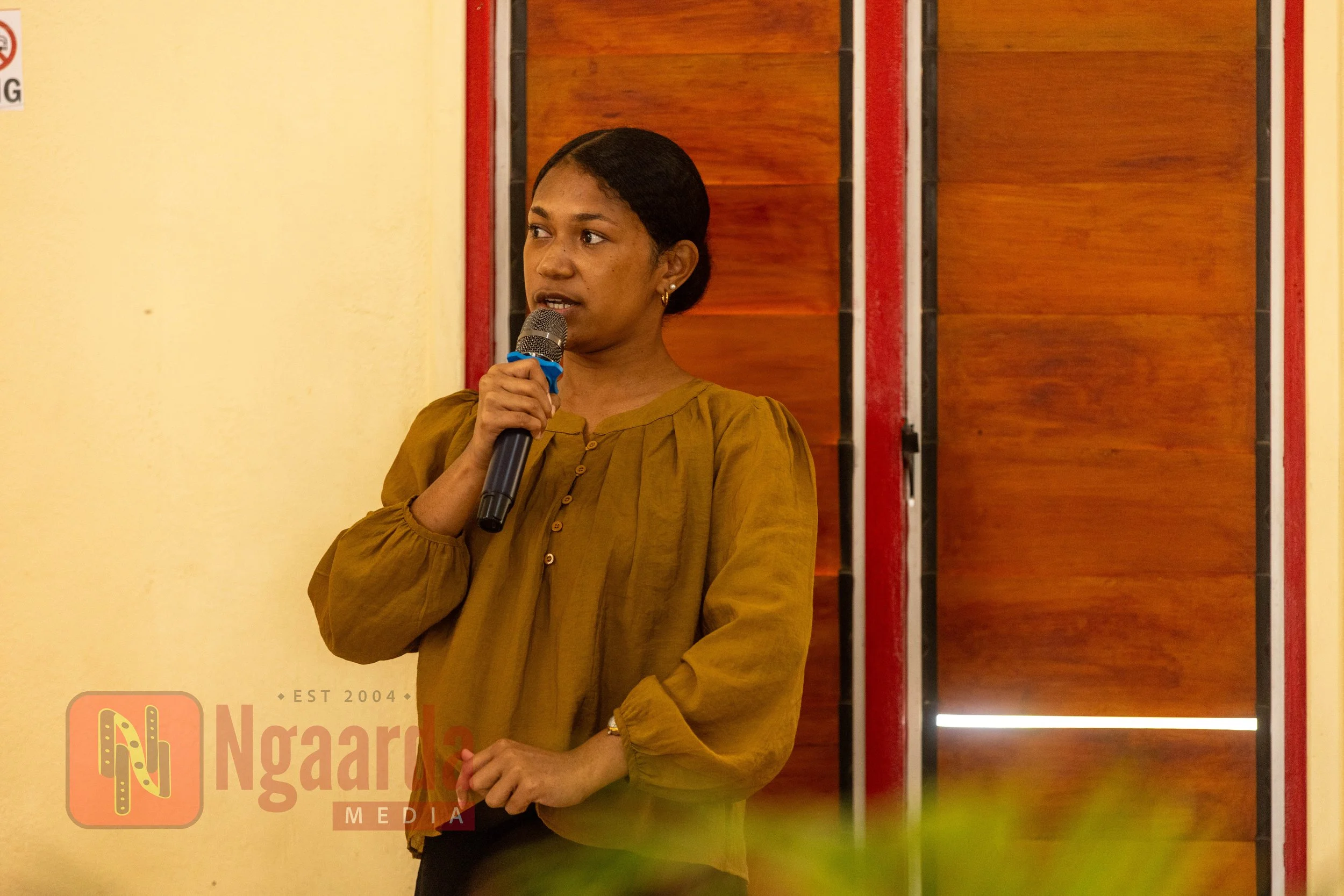
A central principle of the accountability framework is that people who rely on public services are well placed to assess whether those services work. Community enumerators are being equipped to evaluate agencies and identify gaps in information, accessibility and service delivery.
“Who are the best people to assess your effectiveness but the clients themselves?”

MAKING GOVERNMENT PERFORMANCE VISIBLE
The assessment framework aims to make agency performance easier for communities to understand and compare. It is also designed to recognise agencies that are working well, allowing examples of good practice to be shared across government.
“We increase transparency to make agency open data capacity and service performance visible, comparable and easy to understand.”
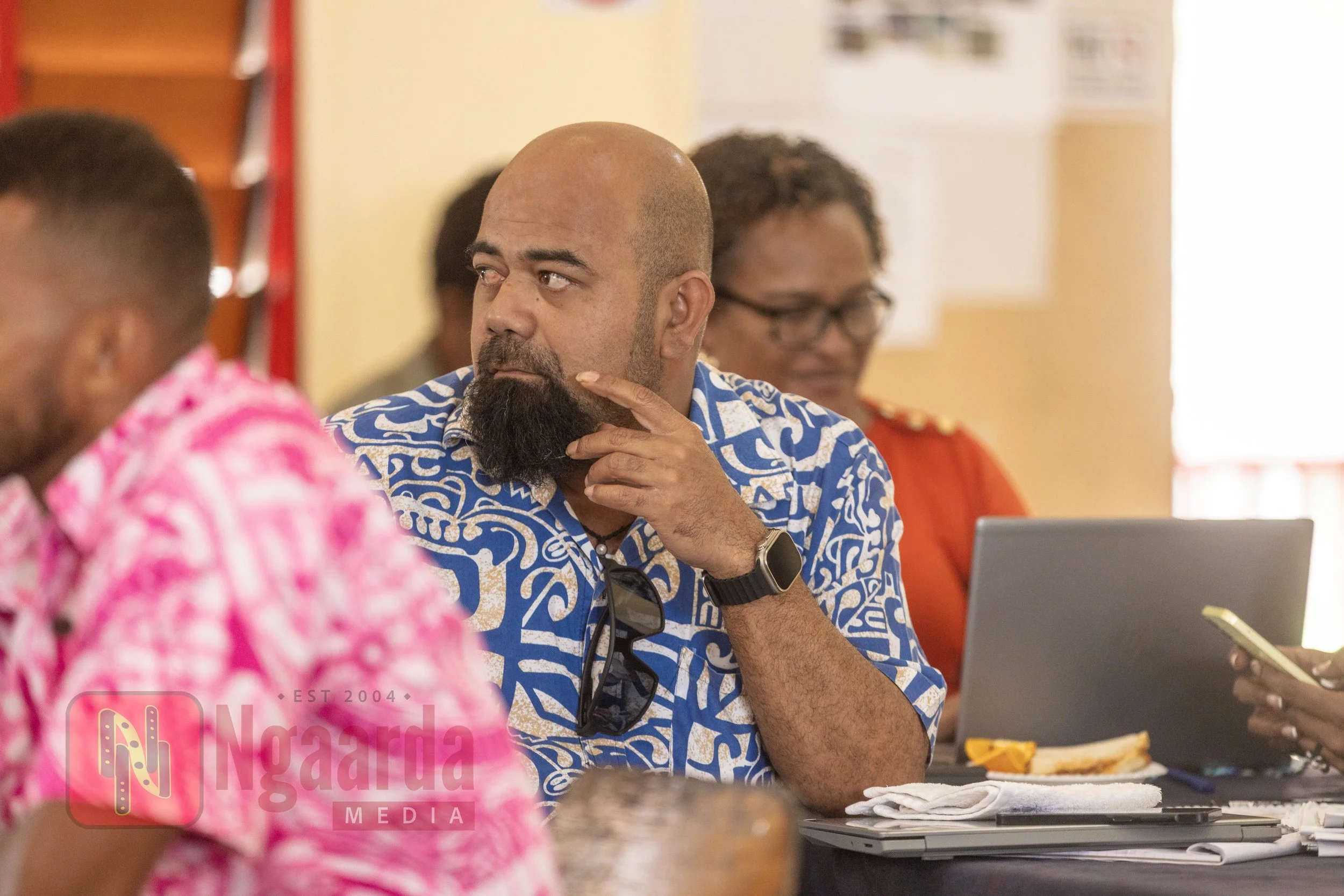
SERVICE DELIVERY MUST WORK WHERE PEOPLE LIVE
Participants highlighted how government processes can be slow, complicated and disconnected from the realities of villages and remote communities. The discussion included examples of delayed water supplies, long travel times and people paying significant costs simply to access basic services.
“The service delivery is not reaching those who really need to be serviced there in our various communities.”
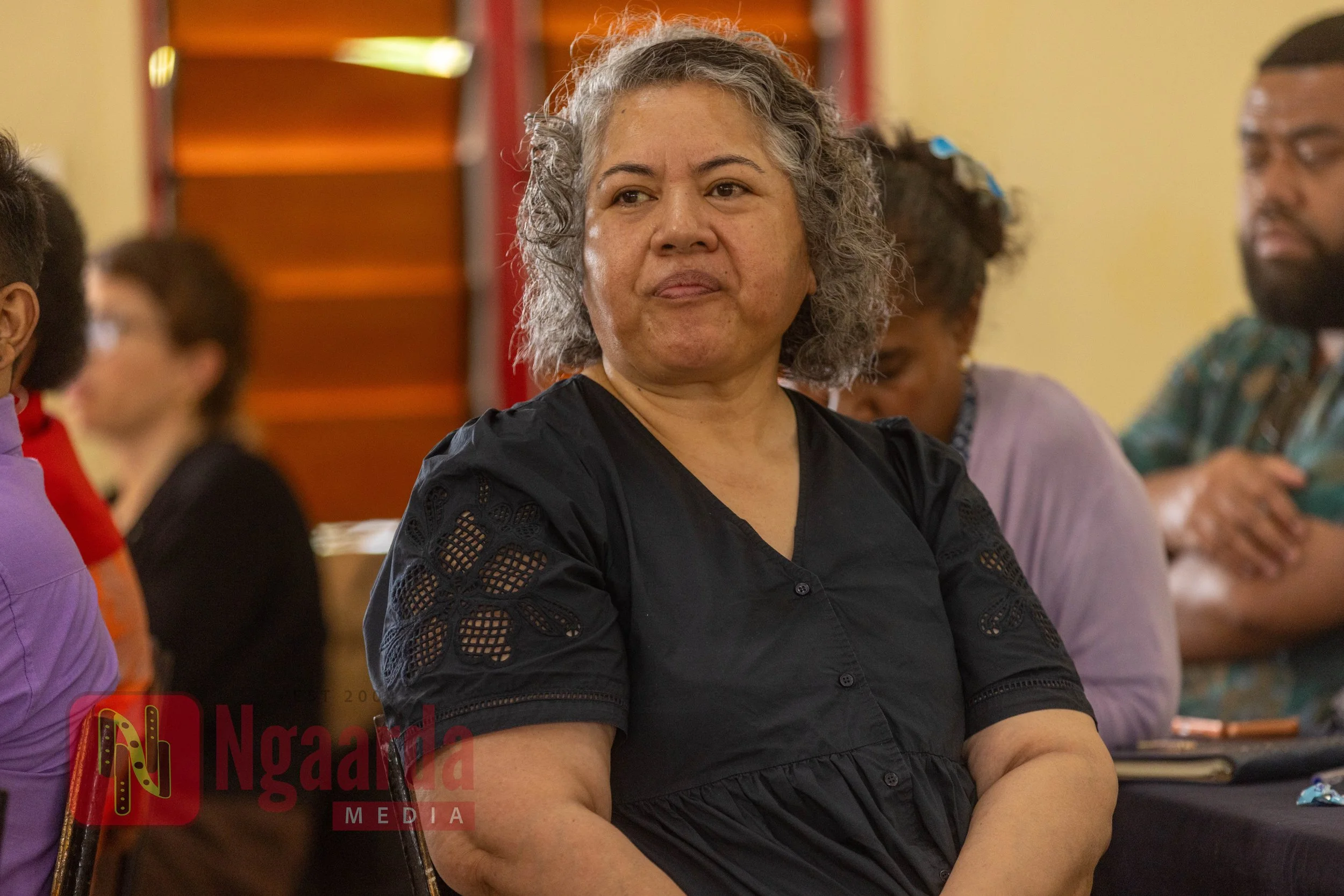
WATER ACCESS REMAINS A BASIC COMMUNITY CONCERN
One participant described unreliable water access, with supplies turned on for such short periods that families could not fill their buckets and storage containers. The example highlighted how accountability discussions ultimately come back to whether basic services are reaching households.
“The water runs for not even half an hour and then it’s closed, so we couldn’t fill all our buckets.”
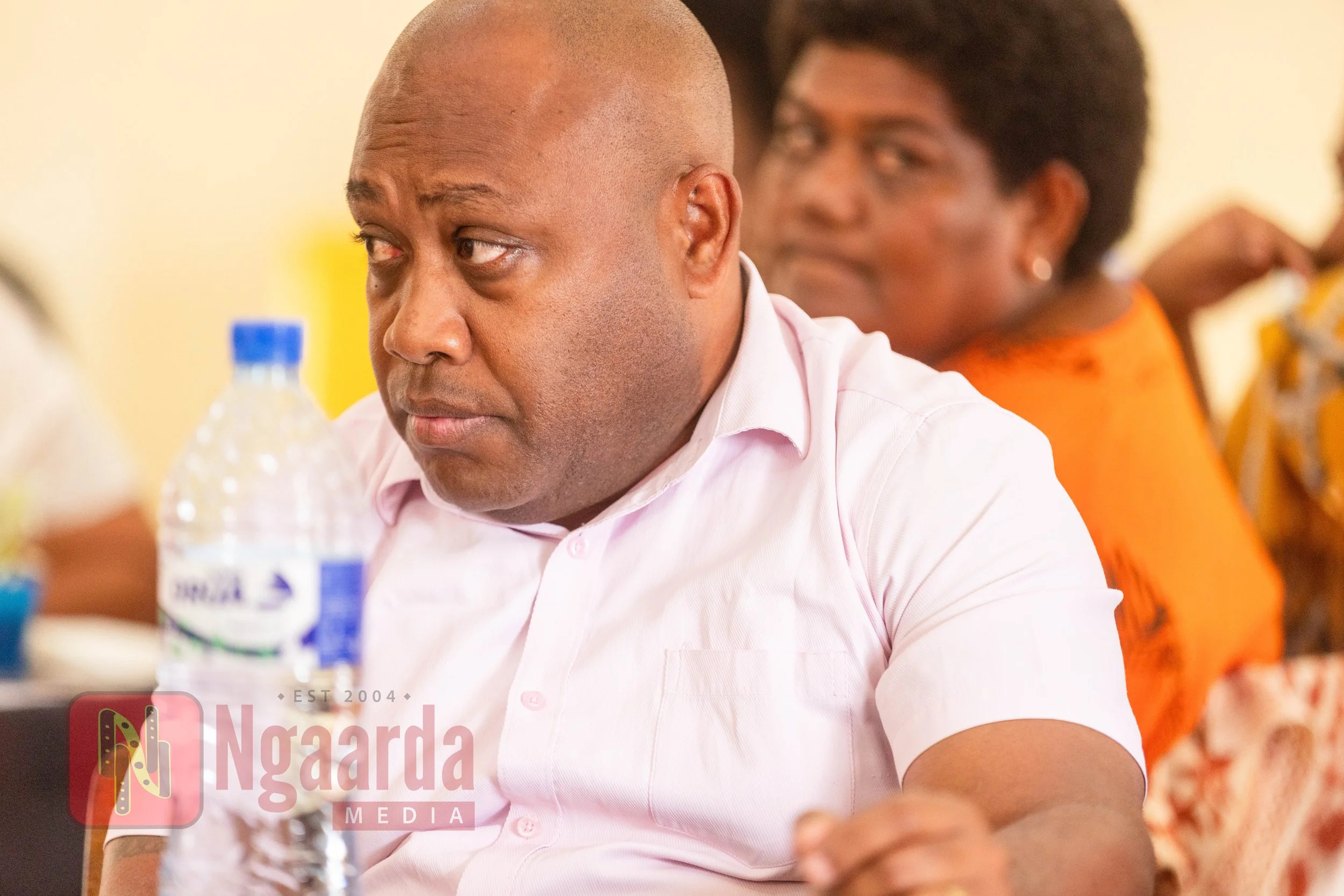
REMOTE COMMUNITIES FACE BARRIERS TO HEALTH CARE
A community health worker described the financial and geographic barriers faced by island families needing medical care, including multiple boat journeys, transport costs, weather and tide conditions. For some families, simply reaching a health service can become unaffordable or impossible.
“Most of the families that are travelling, they cannot afford that.”
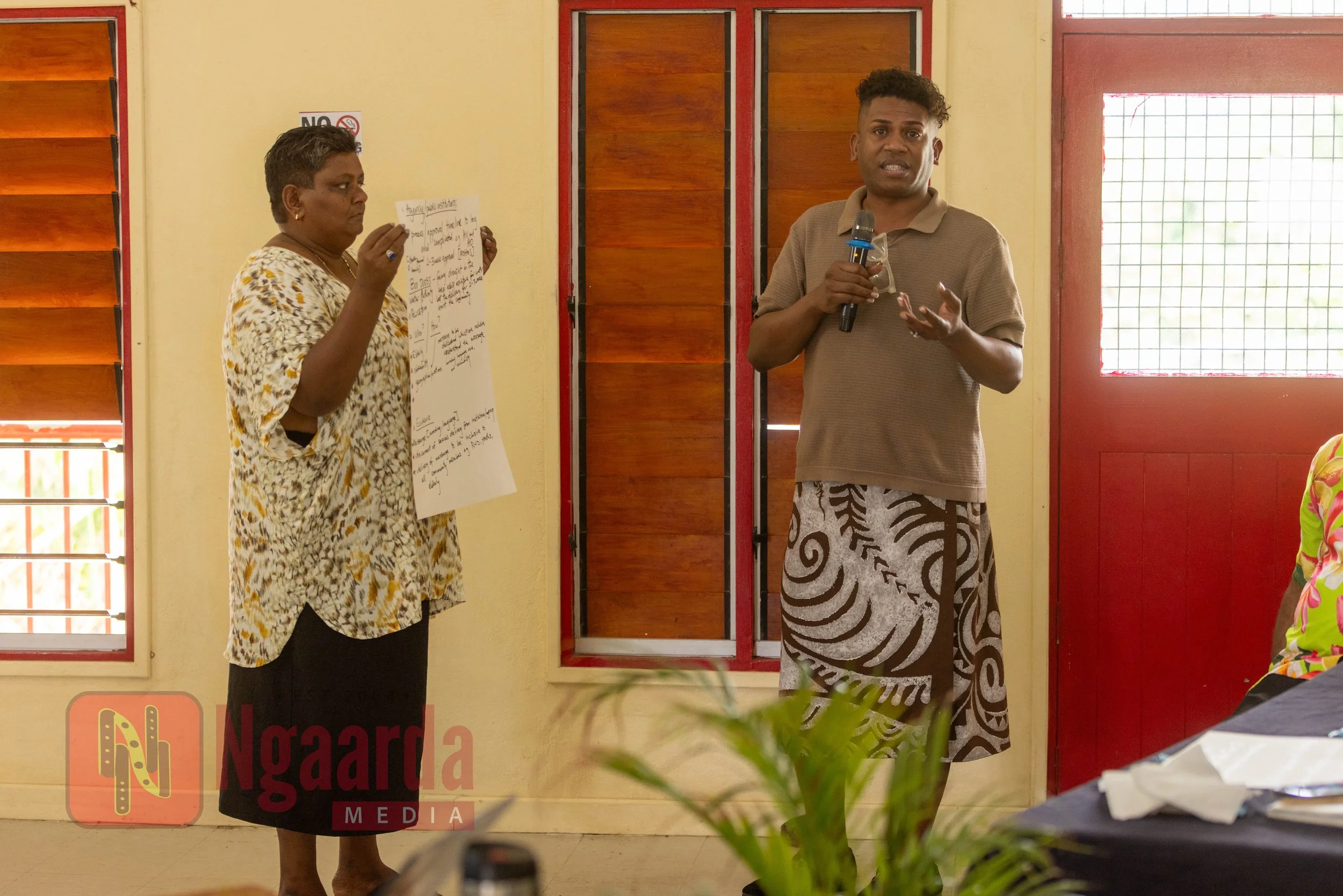
WOMEN’S PARTICIPATION MUST BEGIN AT THE GRASSROOTS
The conference heard that women cannot simply be invited into national decision-making while being excluded locally. Speakers argued that meaningful participation must begin in villages, communities and local government structures.
“Before we are talking about women participation at the national level, we need to start at the grassroots — at the ground level.”
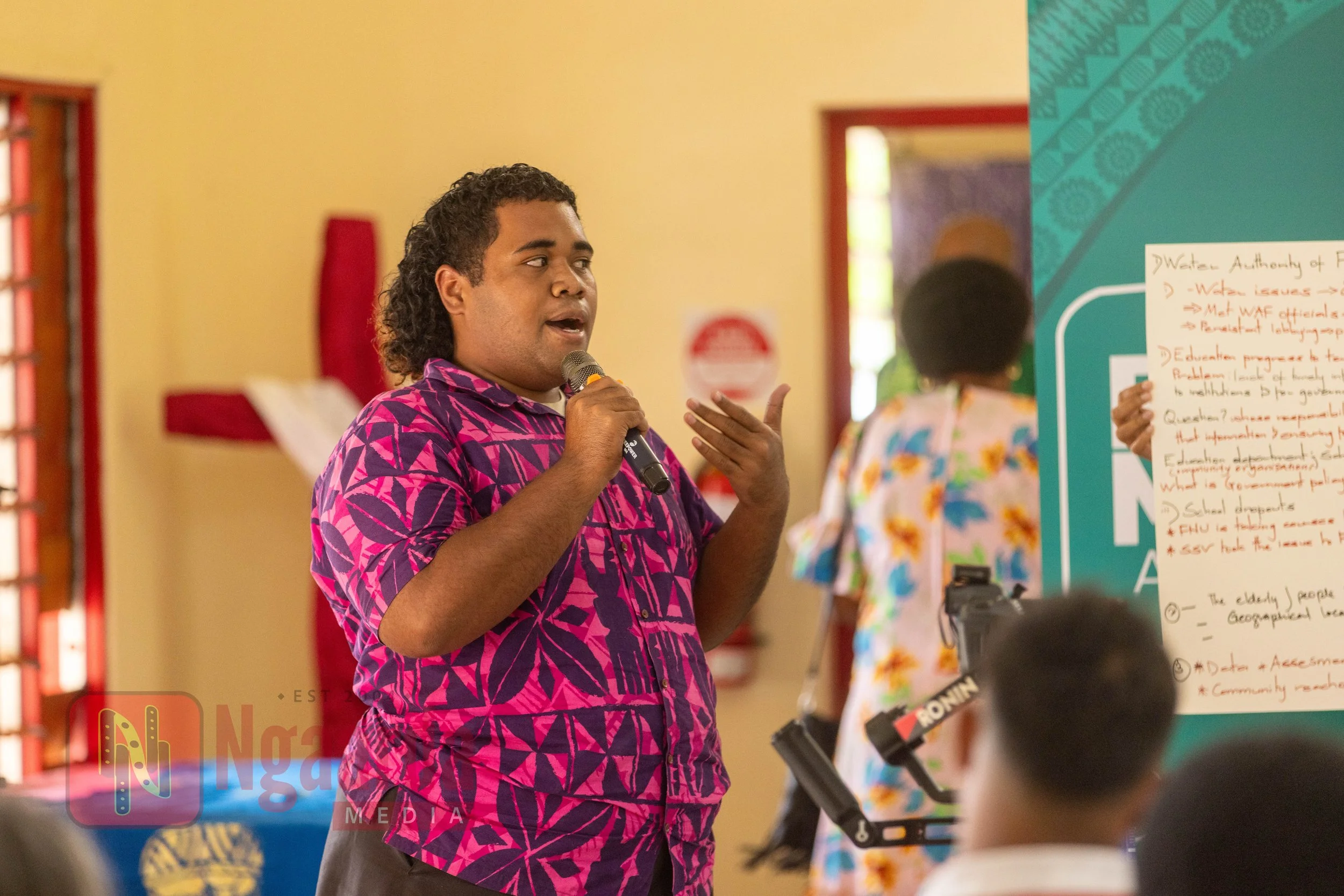
GOVERNMENT COMMUNICATION MUST BE INCLUSIVE
Participants questioned whether official information is reaching people in forms they can understand. Language, disability, age, geography and access to technology were all identified as factors that can determine whether someone receives vital information.
“In terms of the message delivery, is it inclusive? Is it understandable to the community itself?”
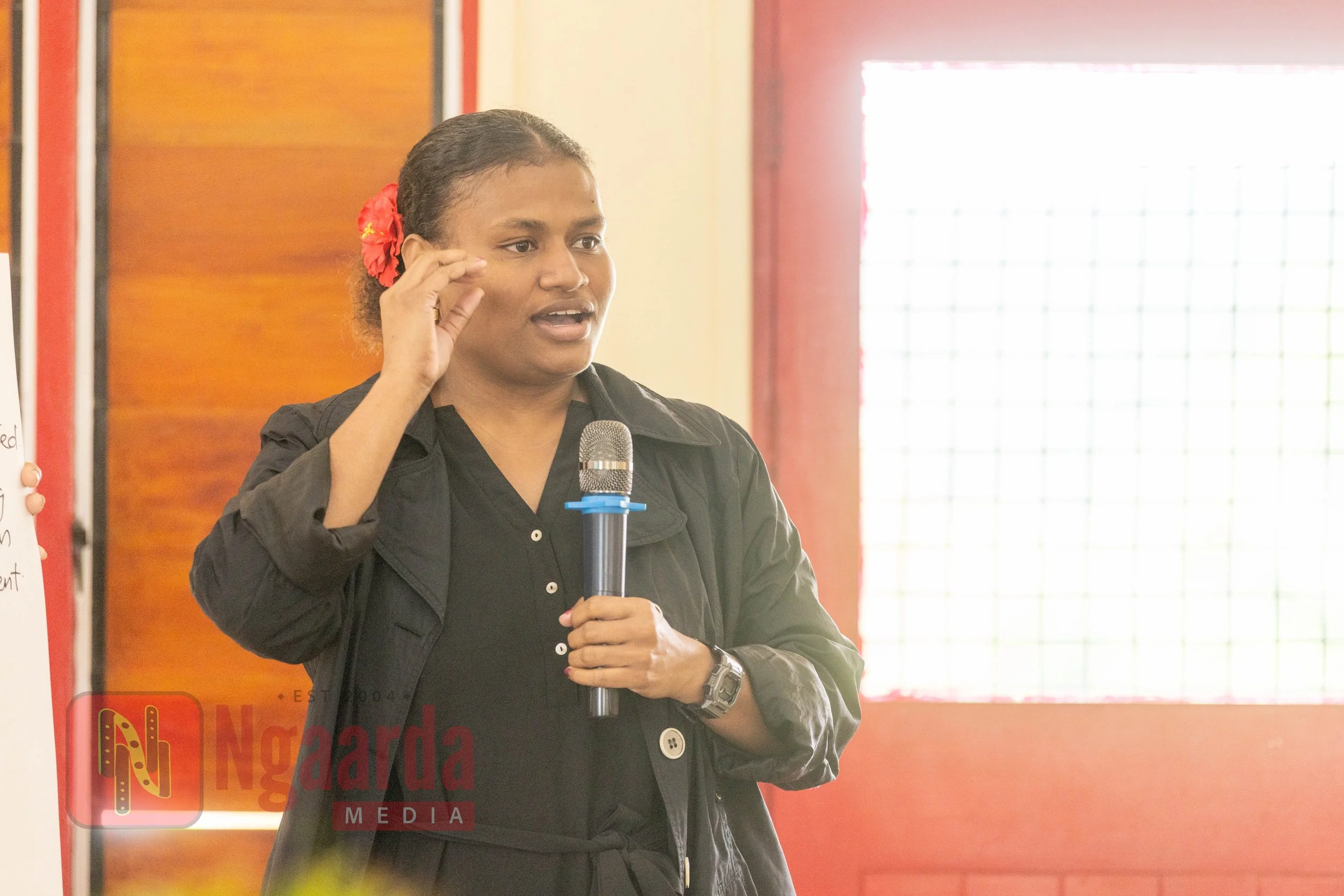
YOUNG PEOPLE NEED TO BE REACHED WHERE THEY ARE
Youth engagement was another focus, with participants acknowledging that many young people are more likely to engage with TikTok, Instagram and other social platforms than traditional government announcements. The discussion challenged agencies to rethink how important information is communicated.
“Sometimes they think that whatever the government is announcing, it’s not important to them. What is important to them is the social media trends.”
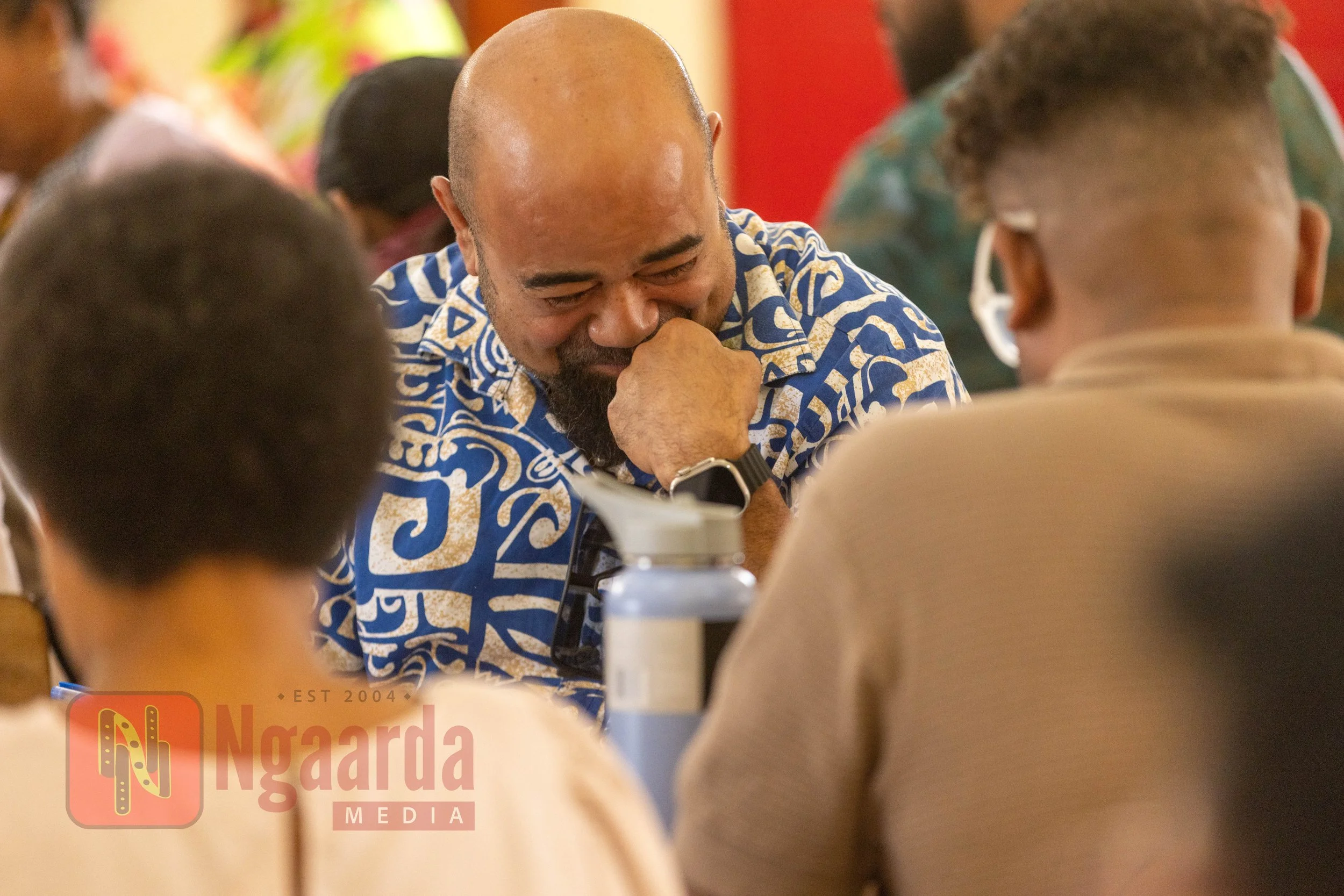
EVIDENCE CAN FORCE ATTENTION TO COMMUNITY PROBLEMS
Participants discussed the value of communities documenting poor roads, infrastructure failures and other concerns through photos, video and written evidence. The aim is to make problems visible to decision-makers rather than relying on complaints travelling slowly through administrative structures.
“They have to come with the videos … so that the minister who is responsible will believe that this issue is happening.”
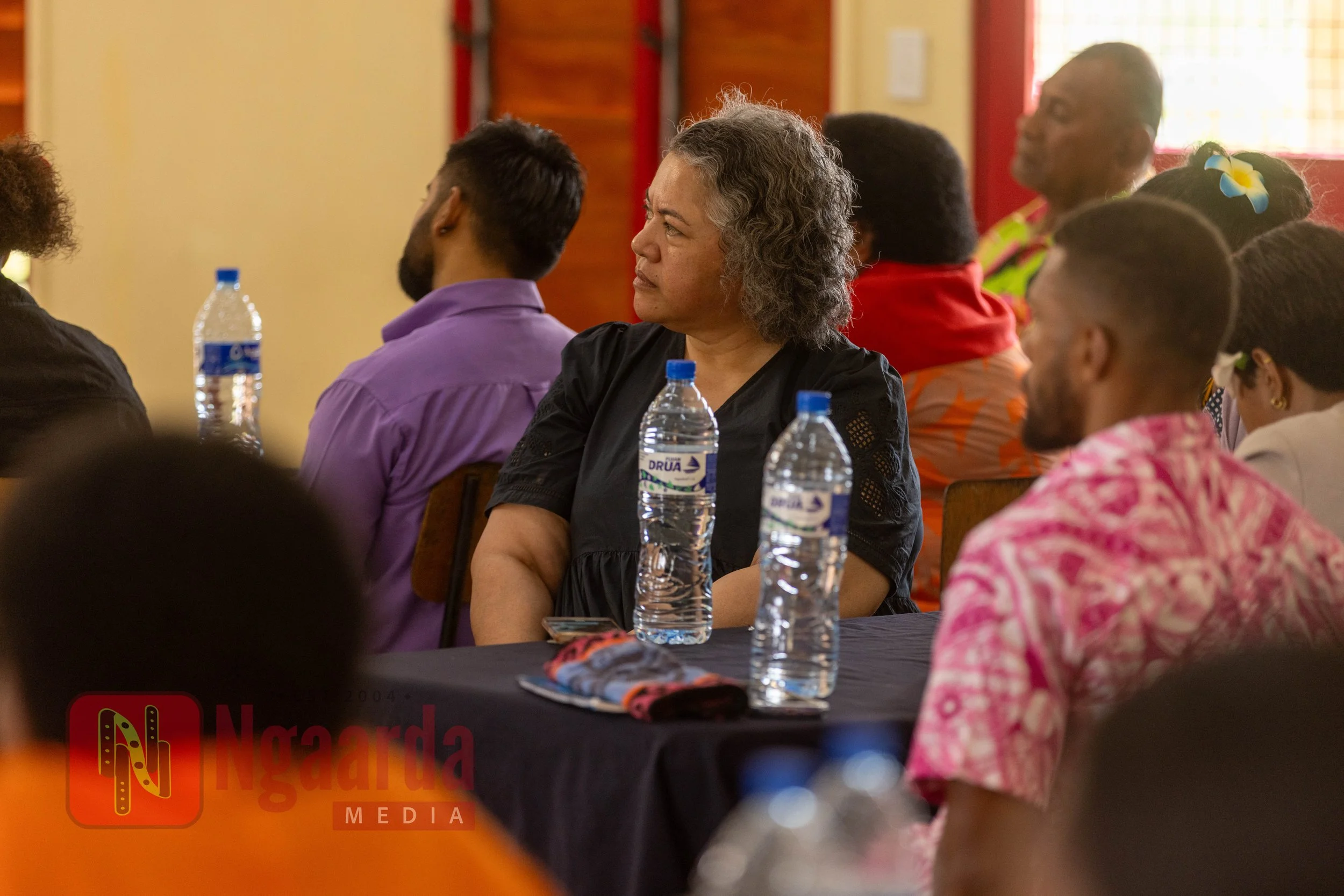
FROM GRASSROOTS PROJECT TO INTERNATIONAL RECOGNITION
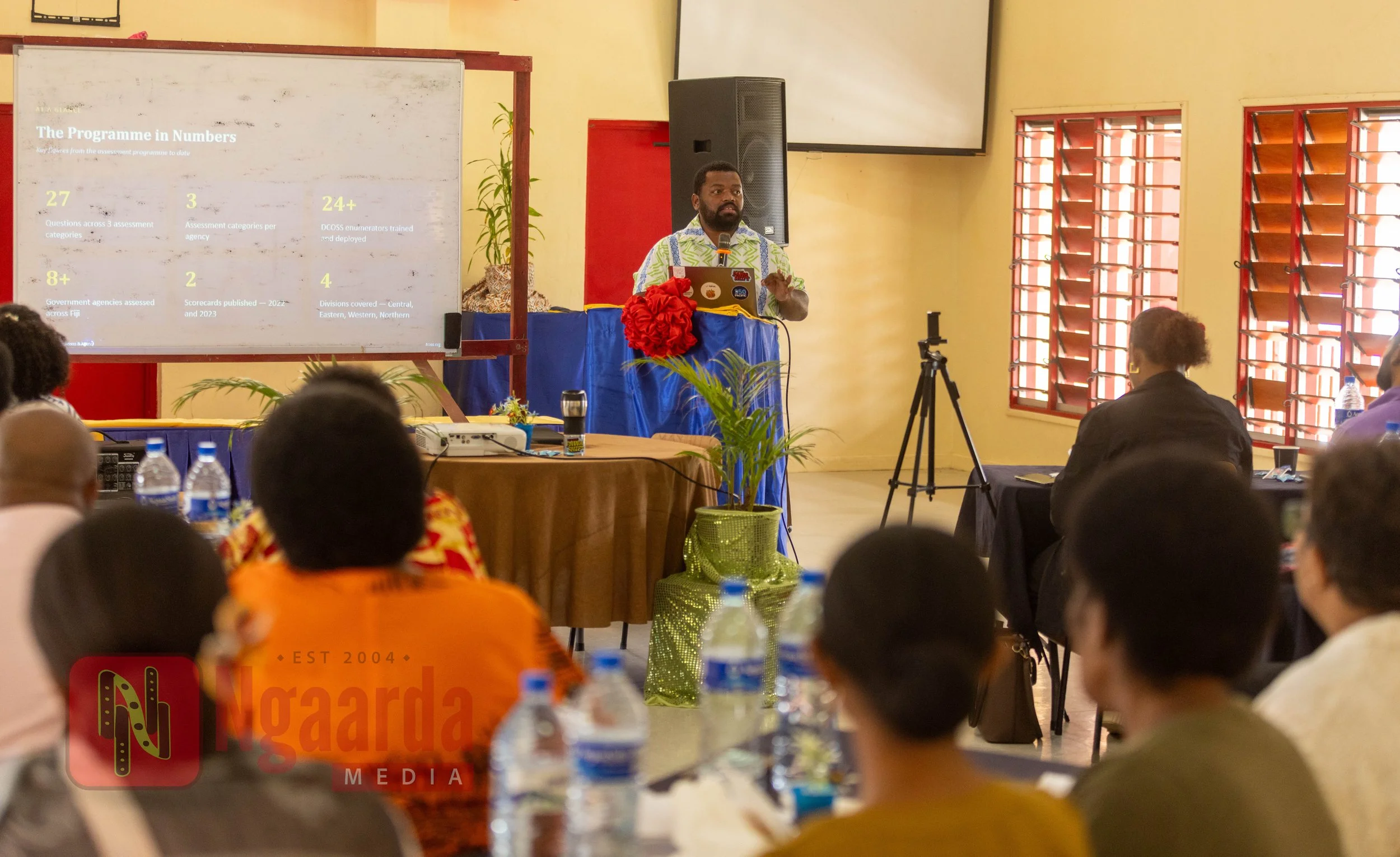
The accountability tool was first piloted in Fiji’s Northern Division and initially required scorecards to be compiled manually, but it has since developed into a live dashboard with Australian Government support. The approach was also presented through a World Bank global partners forum as an example of grassroots social accountability built through community participation and local knowledge.
LOCAL GOVERNMENT IS WHERE ACCOUNTABILITY BEGINS
The role of local government was highlighted because divisional and local officers are often the first point of contact for residents raising concerns about roads, drainage, markets, waste, health and other services. Participants said assessments should expose delays, communication failures and unclear responsibilities.
“We really need to hear the voices of the communities.”
KNOWING WHAT WORKS — AND WHAT NEEDS TO CHANGE
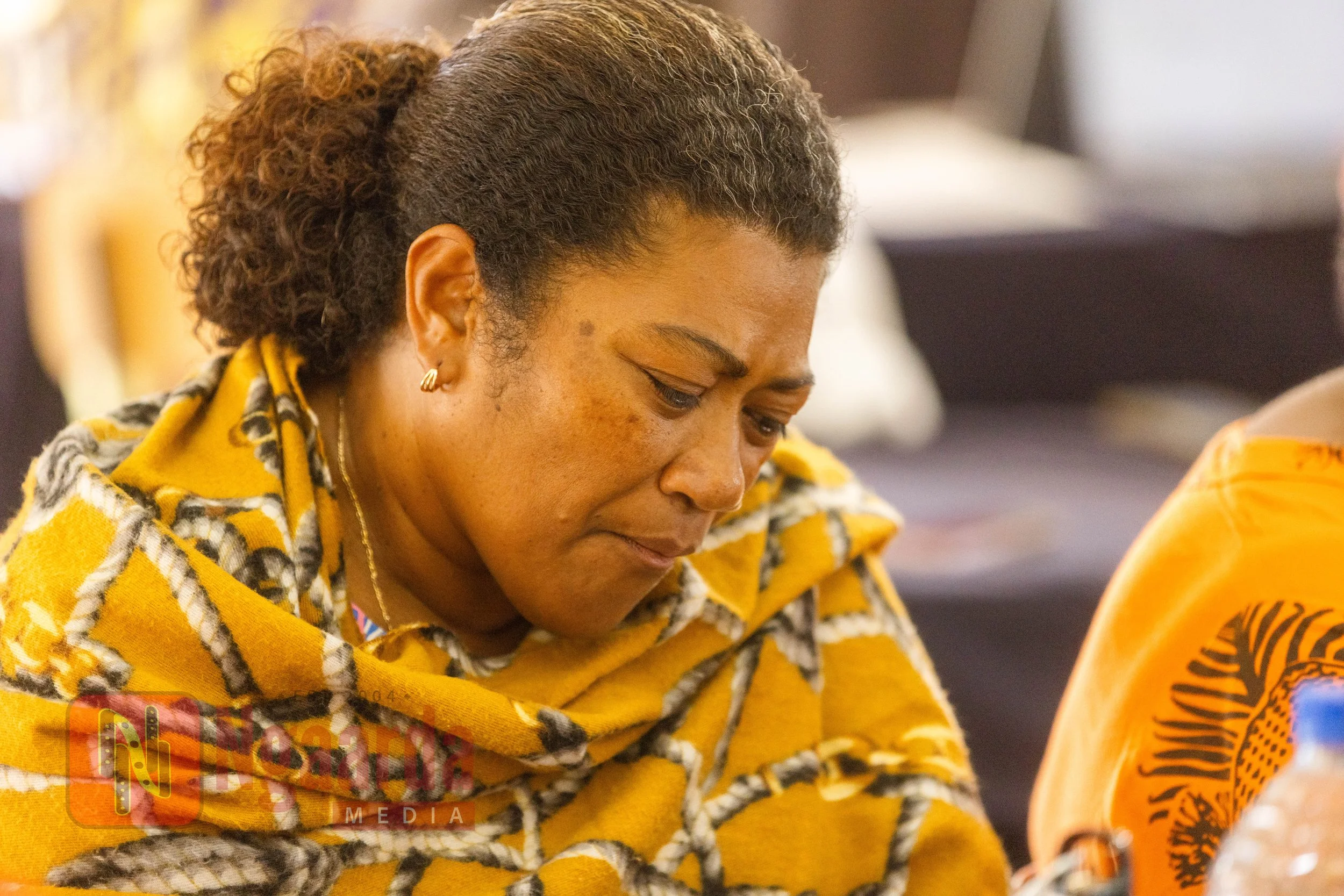
The broader message from Monday’s pre-summit sessions in Savusavu was that accountability begins with evidence and community voice. Assessing services gives both communities and government a clearer picture of what is working, what is failing and where change is needed.
“Without that being done, we wouldn’t know — they won’t know and we won’t know what direction we are going to take.”