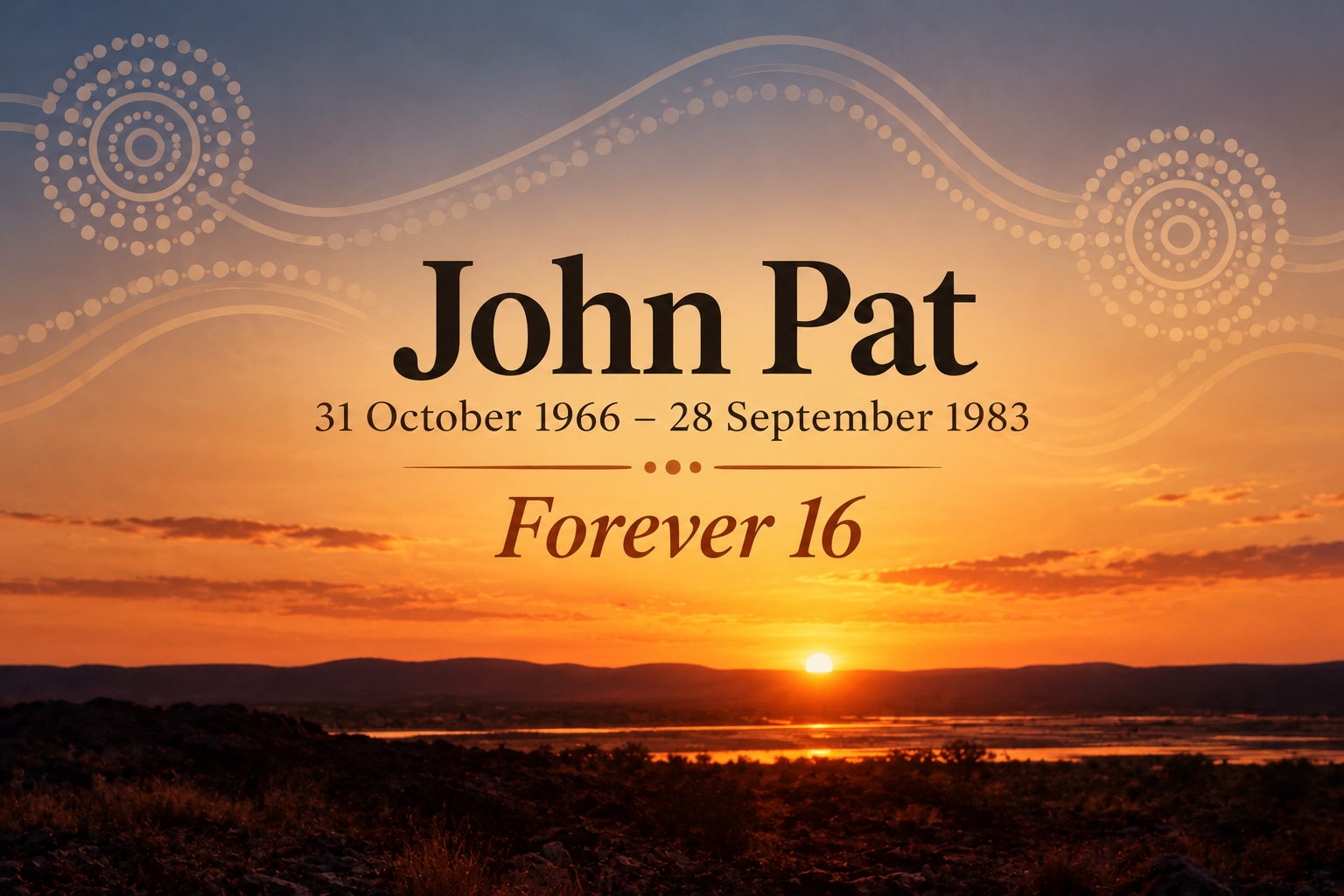
JOHN PAT REMEMBERED 43 YEARS ON AS FAMILY AND COMMUNITY CARRY HIS LEGACY
By Lynesse O’Donoghue and Katherine j Glass
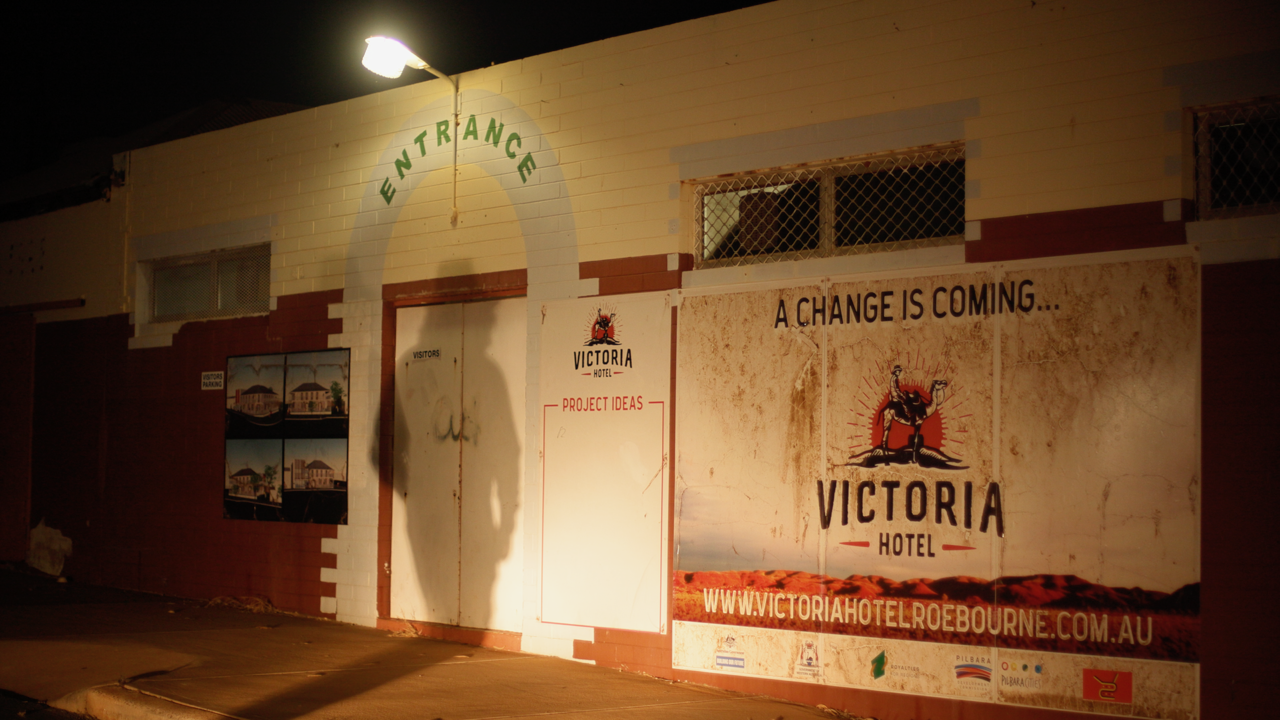
Victoria Hotel, Ieramagadu (Roebourne) West Australia. Image by Jasper Blair-McDonald.
Aboriginal and Torres Strait Islander readers are advised this story discusses death in custody and names people who have passed away.
Forty-three years after 16-year-old Yindjibarndi boy John Pat died in police custody in Ieramagadu — Roebourne — his family, friends and community are remembering the young man behind a case that became part of Australia’s national reckoning with Aboriginal deaths in custody.
John died on September 28, 1983, after an altercation involving Aboriginal people and off-duty police officers outside the Victoria Hotel in Roebourne.
He was arrested and taken to the Roebourne Police Station, where he died later that night.
Four police officers and a police aide were later charged with manslaughter and acquitted at trial.
He was just 16 years old.
But for people in Ieramagadu who grew up alongside him, John Pat was more than the name attached to a death in custody, a Royal Commission or a chapter in Australian history.
He was their son, their brother; nephew and friend.
Roebourne Primary School class photograph. Image supplied by Angus Smith.
‘John was a quiet person’
Banjima man Angus Smith has lived in Roebourne for most of his life and knew John growing up.
He remembers meeting John while they were still at primary school in the 1970s and describes him as a tall, quiet young man who enjoyed sport and had an artistic side.
“John was a quiet person. He wasn't loud, even boisterous, but a great young fellow to know,” he said.
Angus remembers John as being good at football, sport and art. He said John later left high school and spent time working on a station with family members.
Angus was also just 16 when John died.
He remembers going to work the morning after the incident without fully understanding what had happened. When he returned to Roebourne that afternoon, he got on his bicycle and went to the police station hoping to see John in the lock-up.
Instead, he noticed police and detectives around the station.
“I started worrying. I think, ‘Geez, why are the police here? Why are the detectives here? There's something more.’”
Later that day, Angus learned John had died.
Losing someone his own age in those circumstances was a shock. It was the first serious death he had experienced.
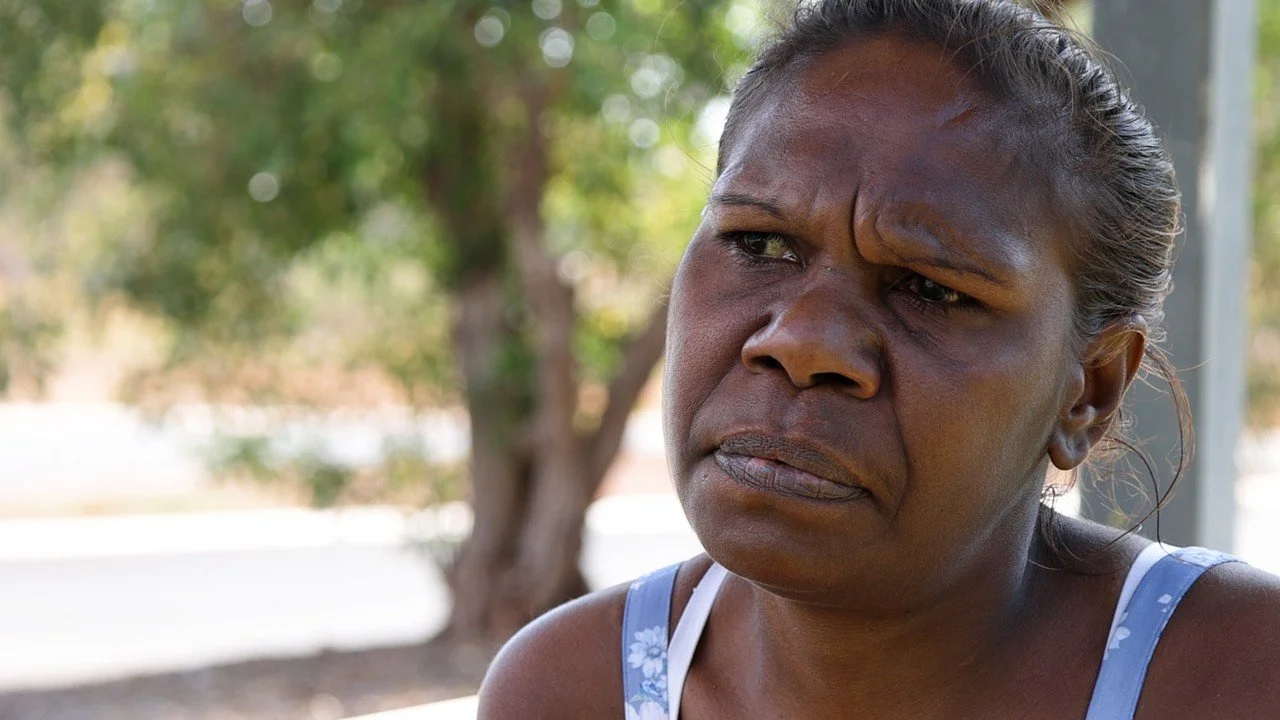
Family member Jaclyn Pat. Image by Jaspar Blair McDonald.
‘So much trauma’
For members of the Pat family, the impact of John's death has continued across generations.
Jaclyn Pat remembers John as her big brother. She was young when John died and said much of what she came to understand about him and his death was learned as she grew older through her family.
She said the anniversary remained an extremely difficult time.
“So much trauma ties in,” she said.
Jaclyn said family members continued to carry the effects of what happened to John, and described seeing police around the community as difficult for some relatives.
For her, the anniversary is not simply about something that happened 43 years ago.
“We definitely need more voices to step in now,” she said.
One of the strongest reminders of John's age comes through Jaclyn's own family.
Her son is 17 — only around a year older than John was when he died.
Jaclyn said that history had made her highly protective of him.
“Our family's been through a lot through this. I gotta be very protective for him,” she said.
Her message to other families with teenagers was to love them, protect them and know where they are.
For Jaclyn, the trauma surrounding John's death did not end with the generation that experienced it in 1983.
“It's like trauma, trauma, trauma,” she said.
Remembering John in his own community
Jaclyn would like to see more done in Ieramagadu itself to commemorate her brother.
John Pat commemorations and marches have taken place in Perth over many years, but Jaclyn said she wants the family and community in Roebourne to have something of their own.
“I want to see something happening together in Roebourne, for our families back there,” she said.
Travelling to Perth for events can be difficult for family members in the Pilbara, and Jaclyn said she would like to see people come together locally.
At the end of her interview with Ngaarda Media, her message was one of support, justice and peace.
“We just want some help to support the Pat families for justice,” she said.
“We just want peace, that's all.”
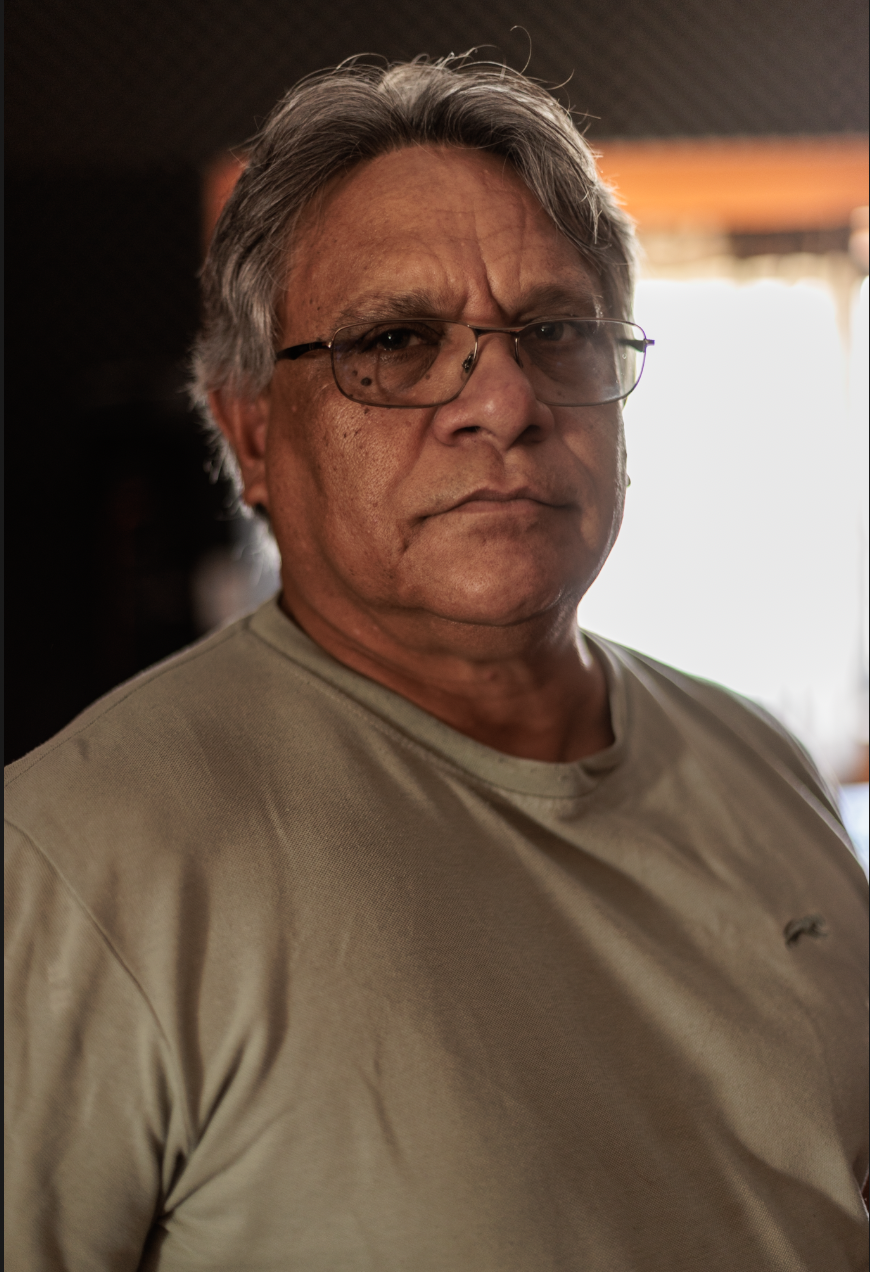
Banjima Man Angus Smith. Image by Jaspar Blair McDonald.
The young artist John could have become
More than four decades later, Angus Smith still thinks about the future John never had.
He remembers him as a talented young artist and says John wanted to pursue art.
Angus later wrote a song about John and the loss experienced by his family and community.
One line carries a particularly painful message:
“Life has cheated you of your dreams.”
Angus said John wanted to be an artist — a future he never had the opportunity to pursue.
Meanwhile, in Fremantle
As John's family and community in Ieramagadu reflected on his life and legacy, people also gathered more than 1,500 kilometres away at Fremantle Prison on Monday to mark the 43rd anniversary of his death.
Among those who attended were Elder and long-time activist Uncle Ben Taylor and John's relative Brendan Cook.
For Mr Cook, the anniversary carries the story of an uncle he never had the opportunity to meet, but whose death continues to affect his family.
“I did not have the opportunity to meet my uncle John Pat, but I still feel a bit of trauma on an incident that happened before that I was born,” he said.
“It was not a lived experience, but because of my relationship and my interaction with the family group, I've kind of witnessed all that trauma, all that mourning from my grandmother and my mother.”
Mr Cook said the stories shared by his grandmother and other relatives ensured John remained part of the lives of family members who came after him.
Those stories had also left him with a sense that there was “a missing part” of himself, despite never having known John personally.
For Mr Cook, John's death was not only the loss of a young family member, but also the loss of cultural knowledge that could have been passed to another generation.
“He walked within the community as a cultural man and unfortunately we wasn't able to experience that and gather cultural understanding or learnings from him,” he said.
But the family does not want the circumstances of John's death to become the only story attached to his name.
“I would want him to know that the family's name and legacy will continue,” Mr Cook said.
“We don't want this incident to define who we are, but we understand and respect that story.
“We want to honour his legacy and ensure that his name is carried on.”
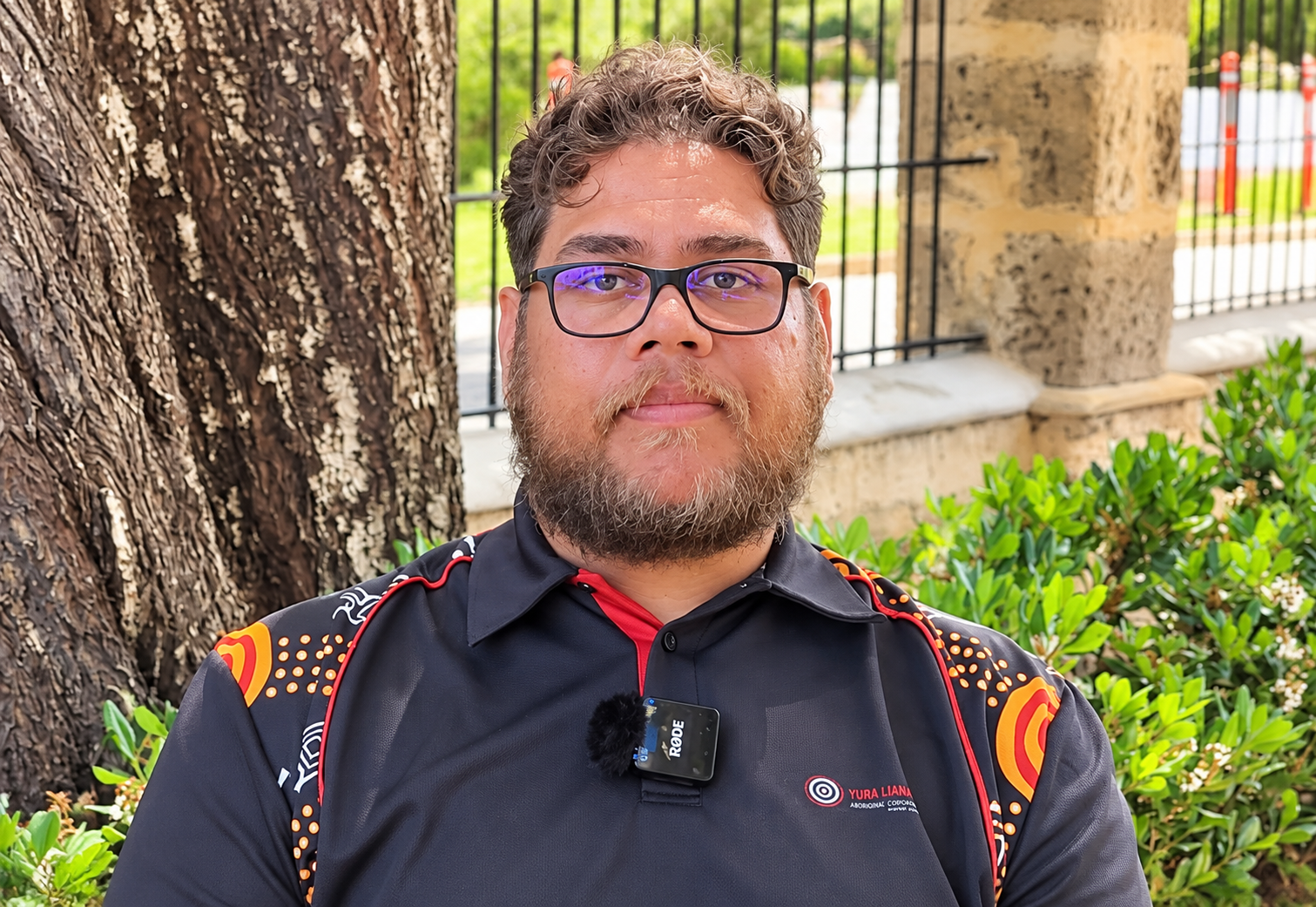
John Pat’s nephew Brendan Cook. Image by Katherine Glass.
‘We need a voice’
Activist legend Uncle Ben Taylor also reflected on the anniversary at Fremantle Prison, drawing connections between John's story, his own family's experiences and continuing concerns about Aboriginal people in custody.
“As I walked around my memory went. I thought about my mother being locked up here for nothing,” he said.
Uncle Ben said Aboriginal people needed to have a greater presence and stronger voice within prisons and health services.
“We need our people to be in there,” he said.
“We need Aboriginal people work in the prison, to work in the medical service, have medical experience, talk to them.
“But we need a voice.”
He called for Aboriginal people and governments to come together to discuss solutions.
“We should have this round table talk with government,” he said.
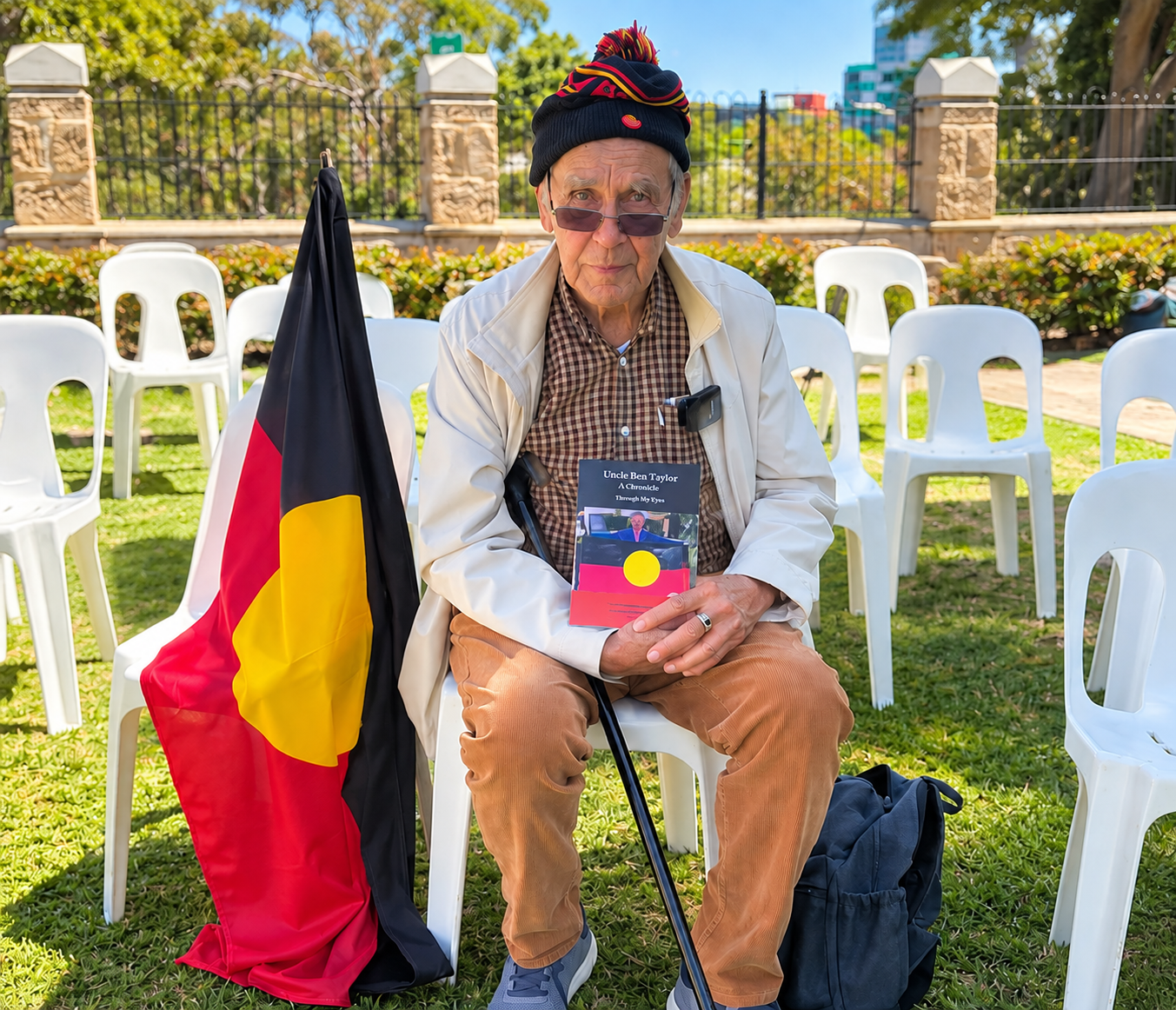
Nyungar Yued Elder Uncle Ben Taylor Cuimara with a copy of the book An Activist Legend, written by Eversley Ruth Mortlock. Image by Katherine Glass.
Fremantle memorial proceedings did not go ahead
Those who gathered at Fremantle Prison had expected to take part in organised memorial activities, including a march, smoking ceremony and talks; as promoted by the First Nations Sovereign Tribes and the Deaths in Custody Committee.
However, the planned proceedings did not go ahead.
Despite the absence of the ceremony and march, community members who had travelled to Fremantle remained at the prison, remembering John Pat and continuing conversations about Aboriginal deaths in custody and what his story means today.
Ngaarda Media contacted First Nations Sovereign Tribes seeking clarification about why the planned proceedings did not take place and whether they had been postponed or cancelled.
No response was received at time of publication.
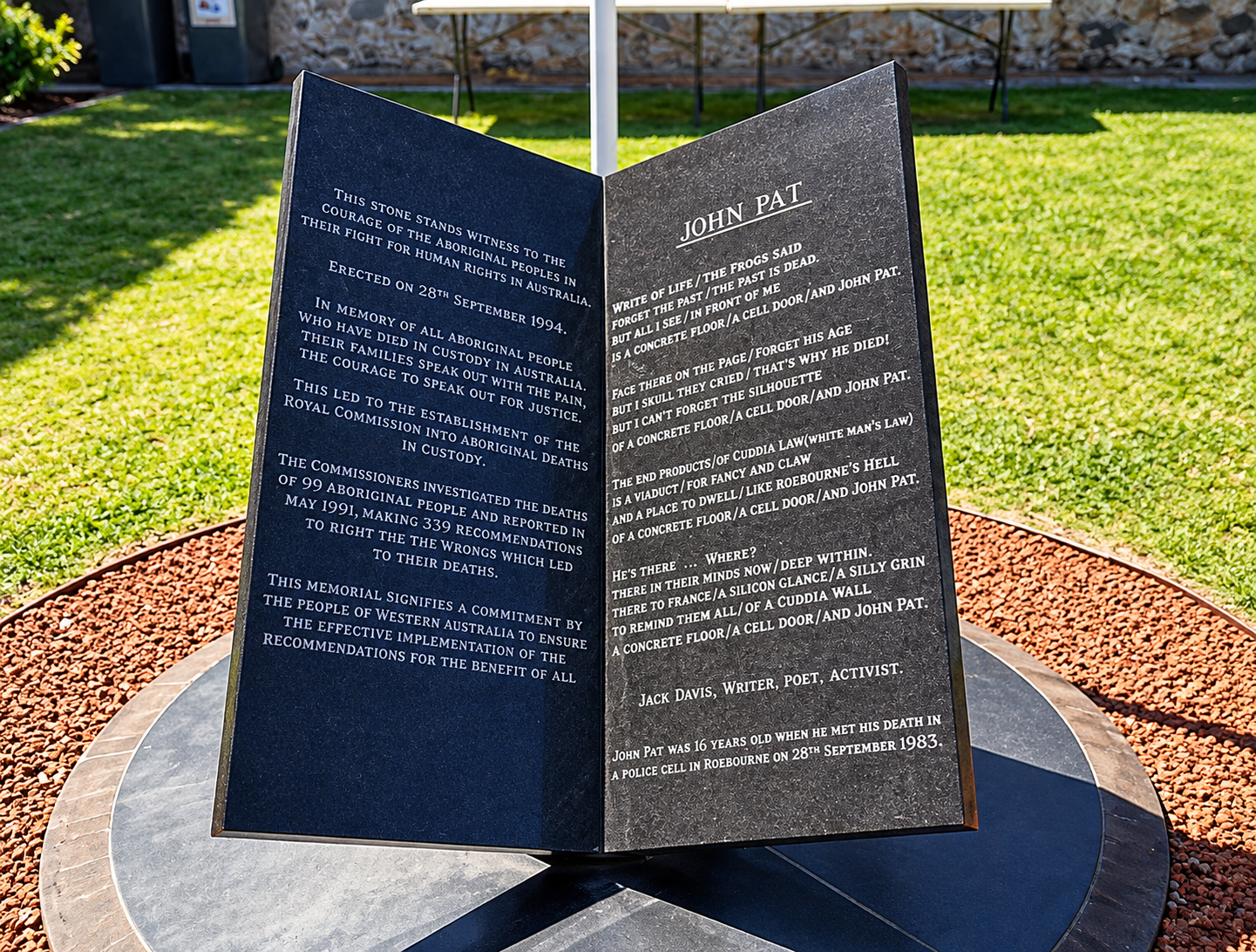
John Pat Memorial at Fremantle Prison, WA. Image by Katherine Glass.
A death that became part of a national reckoning
John's death became one of a series of Aboriginal deaths in custody that intensified pressure for a national inquiry.
The Royal Commission into Aboriginal Deaths in Custody was established in 1987.
It examined 99 Aboriginal deaths that occurred between January 1980 and May 1989, including John's, and delivered its final report in 1991.
The Commission made 339 recommendations covering policing, imprisonment, health, social disadvantage and Aboriginal self-determination.
Its establishment followed years of campaigning by Aboriginal families, legal services and community organisations.
Ahead of the anniversary, Ngaarda Media spoke with criminologist Professor Chris Cunneen about John Pat, the Royal Commission and what has happened in the decades since.
Professor Cunneen said First Nations self-determination was a fundamental principle underpinning the Royal Commission's recommendations, but he believes Australia remains a long way from achieving it.
“There's tinkering of the criminal justice system, but you know, it's a far cry from self-determination,” he said.
Professor Cunneen pointed to changes to bail laws, increasing incarceration and continuing investment in prisons as examples of a justice system he argues remains heavily reliant on imprisonment.
He said governments had supported some alternatives, including justice reinvestment programs, but believed those initiatives remained limited by the broader criminal justice system.
“No matter how much evidence you present that imprisonment doesn't work as a process for rehabilitation, governments rely on what works for them politically,” he said.
Professor Cunneen said one area that had improved since the period examined by the Royal Commission was the quality of coronial investigations into deaths in custody.
But he argued problems remained when coronial recommendations were not acted upon.
“Coroners often make quite reasonable and sensible recommendations, but they're just ignored,” he said.
633 First Nations deaths since the Royal Commission
The scale of the issue remains significant.
The Australian Institute of Criminology has recorded 600 Aboriginal and Torres Strait Islander deaths in custody between 1991–92 and June 30, 2025.
Thirty-three First Nations people died in custody during 2024–25.
The National Deaths in Custody Program itself was established in response to a recommendation of the Royal Commission.
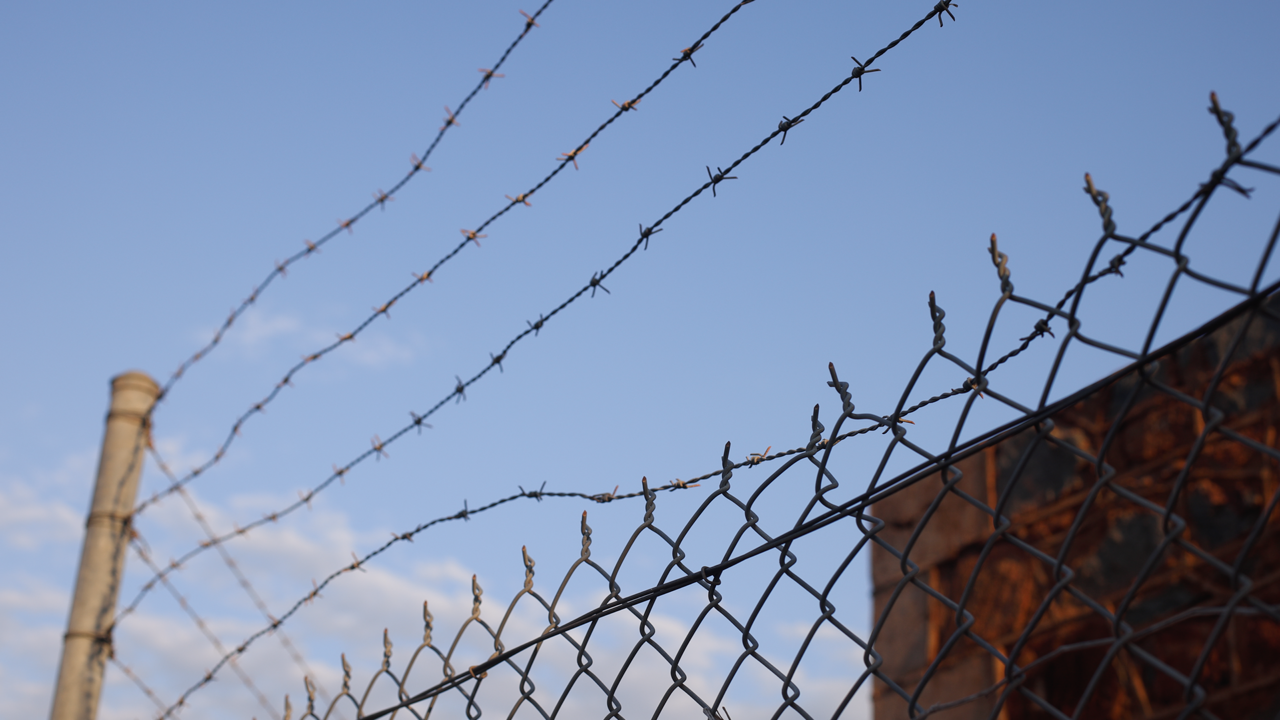
Barbed wire fence circling the Roebourne Jail. Image by Jaspar Blair McDonald
What has changed in Ieramagadu?
Angus Smith has watched Roebourne change throughout the decades since John's death.
He said Aboriginal Legal Services and Aboriginal medical services became more established and policing came under greater scrutiny.
He sees that increased scrutiny as important.
“It's a good thing, because, as you know, you've got to monitor how people do their job,” he said.
But Angus's assessment of the relationship between police, government, Elders and community today is complex.
He remembers periods when local police regularly met with Elders to discuss issues affecting the town and believes stronger community involvement is needed.
Angus said there were many good police officers and said he taught his own children to respect police and other people in positions of authority.
But he also believes a single negative interaction can undo trust that has taken years to build.
“There are a lot of good cops out there. And it takes one bad incident to burst that bubble,” he said.
For Angus, responsibility sits across police, government and the community itself.
The community campaign that forced change
Professor Cunneen said the establishment of the Royal Commission itself should not be forgotten.
It did not happen without pressure.
He said Aboriginal families, supporters, Aboriginal Legal Services and organisations including the Committee to Defend Black Rights fought for an inquiry into what was happening.
“The Royal Commission would never have been established in the first place if it hadn't been for the political struggle of families and supporters,” he said.
For Professor Cunneen, that history demonstrates what organised communities can achieve.
Remembering John as more than a statistic
For Ieramagadu, John Pat's story has never simply been about statistics, government reports or 339 recommendations.
He was a young Yindjibarndi boy.
A son. A brother. A nephew. A friend.
A footballer and an artist.
A 16-year-old with a future ahead of him.
His family continues to live with his loss.
Angus Smith remembers riding his bicycle to the police station looking for his friend.
Jaclyn Pat looks at her own 17-year-old son and thinks about keeping him safe.
Brendan Cook carries the story of an uncle he never had the opportunity to meet, but whose absence has been felt through generations of his family.
Professor Chris Cunneen looks back at the Royal Commission and asks how much of its underlying vision has been realised.
They are different perspectives, from Ieramagadu to Fremantle, but together they show why John's story remains part of the conversation 43 years later.
Ngaarda Media has documented that story over many years, speaking with John's family, community members, campaigners and people involved in the Royal Commission.
His name continues through the John Pat Peace Place and through music, theatre, storytelling and community projects created in Ieramagadu.
Forty-three years later, John Pat would have turned 60 next month.
Instead, today marks 43 years since his life ended at 16.
For his family and the Ieramagadu community, September 28 remains a day of remembrance.
It is also a day that raises difficult questions.
What has Australia learned since 1983?
How much has changed since the Royal Commission delivered its final report in 1991?
What happened to its vision of First Nations self-determination?
And what needs to change so another Aboriginal or Torres Strait Islander family does not experience a death in custody?
For Jaclyn Pat, there is also a much more immediate hope — that John's own community comes together to remember him.
For Brendan Cook, it is about making sure John's death does not become the sole definition of his family, while ensuring his uncle's name and cultural legacy continue.
“We want to honour his legacy and ensure that his name is carried on,” he said.
Forty-three years after John Pat died in Ieramagadu, his name remains part of Australia's history.
But here in Roebourne, he is remembered first as family — and as a young man whose life ended far too soon.