
Aboriginal Wills Can Help Protect Kinship, Culture and Burial Wishes
By Katherine Glass
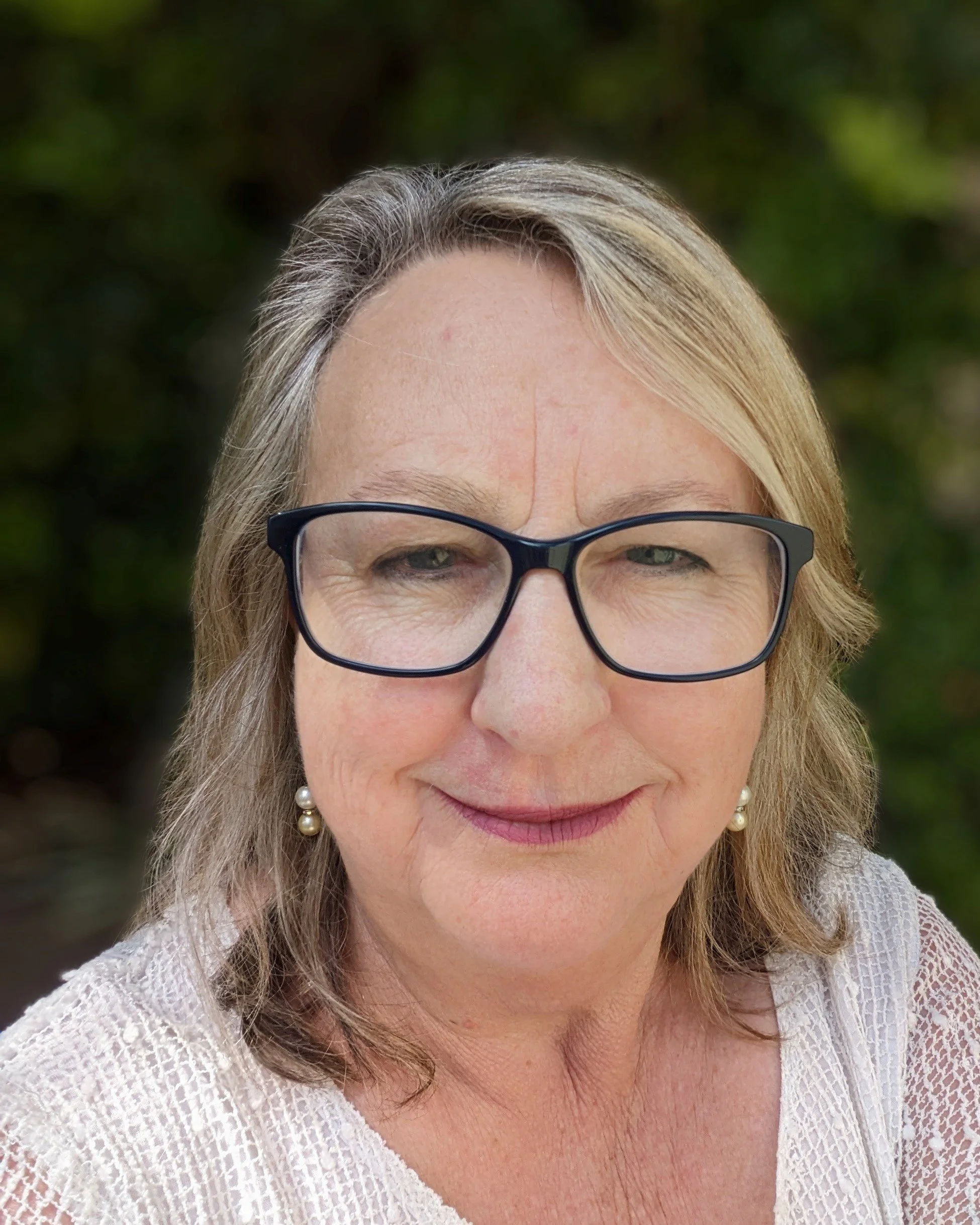
Professor Prue Vines
Families are being encouraged to discuss wills early and seek legal support so that cultural responsibilities and family wishes are clearly recorded.
Aboriginal families are being urged to consider culturally appropriate wills to help protect family, culture and burial wishes after death.
Law professor Prue Vines says mainstream succession laws do not always match Aboriginal kinship systems, creating problems when someone dies without a will.
Professor Vines said her interest in Aboriginal wills was shaped partly by her adopted Aboriginal brother, who was a member of the Stolen Generations.
She said watching the discrimination he faced helped her understand how different life could be for Aboriginal people, especially those who were visibly Indigenous.
That experience later influenced her legal research into wills, inheritance and customary law.
Professor Vines said western law often assumes family relationships fit a narrow structure, including the idea that a child has one mother and one father for inheritance purposes. Professor Vines reflects that
In some communities, for example, the children of same-sex siblings may also be understood as a person’s children.
Professor Vines said that can mean people who are culturally recognised as children may be treated differently under mainstream law if no will has been made.
She said this can cause confusion and distress for families after a death.
New South Wales, the Northern Territory and Tasmania have laws that allow families to apply for customary law to be considered when a person dies without a will.
But Professor Vines said many other states do not have the same provisions.
She said that made it important for Aboriginal people to make a will if they wanted to clearly name the people who should inherit and carry out their wishes.
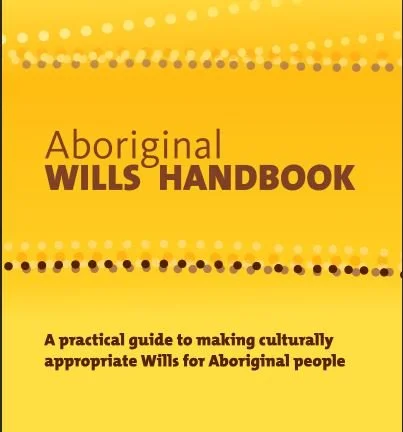
Professor Vines wrote the Aboriginal Wills Handbook to help Aboriginal people think through those decisions before meeting with a lawyer.
She said a culturally appropriate will can name the right family members, include people who may not be recognised in the same way under Western law, and help protect cultural responsibilities.
Professor Vines said one of the most important roles in a will is the executor.
The executor is responsible for carrying out the will, but they can also have a major say in what happens to a person’s body after death.
Professor Vines said burial disputes were one of the biggest concerns raised when she spoke with Aboriginal communities.
She said many families had experienced painful disagreements over where a loved one should be buried, including whether they should be returned to Country.
Professor Vines said those disputes could leave families divided for years.
She said nearly 70 per cent of burial disputes that go to court in Australia involve an Aboriginal person, showing how serious and common the issue is for communities.
Professor Vines said disputes can happen for many reasons, including when a non-Indigenous spouse wants a person buried nearby, while Aboriginal family members want them returned to Country.
She said grief can make those conversations even harder when wishes have not been written down.
Professor Vines said a will can also include cultural wishes, including instructions about certain responsibilities, information or places.
But she said families should be careful with secret or restricted cultural knowledge, because wills can become public documents after death.
She said there are ways to protect sensitive information, including using sealed documents or other legal methods.
Professor Vines said the legal system had improved in how it understood Aboriginal kinship and customary law, but there was still more work to do.
She said judges were now more likely to listen when families explained different kinship systems, especially in places where laws already allowed customary law to be considered.
Professor Vines said the main message for Aboriginal families was that culturally appropriate wills were possible.
She said people did not have to accept a one-size-fits-all approach.
She said Aboriginal people could use wills to name their family properly, record their wishes and reduce the risk of conflict after death.
Professor Vines said it was best to get legal help rather than trying to write a will alone, because mistakes can cause problems later.
She said culturally appropriate wills could give families more control at a difficult time and help make sure cultural obligations are respected.
To obtain a free copy of the culturally appropriate wills handbook, you can contact Professor Prue Vines at UNSW directly on LinkedIn to request it, or email Ngaarda Media, and we can assist.