
AFTER 60 YEARS OF MINING, YINDJIBARNDI LEADER DEMANDS GENUINE ABORIGINAL OWNERSHIP
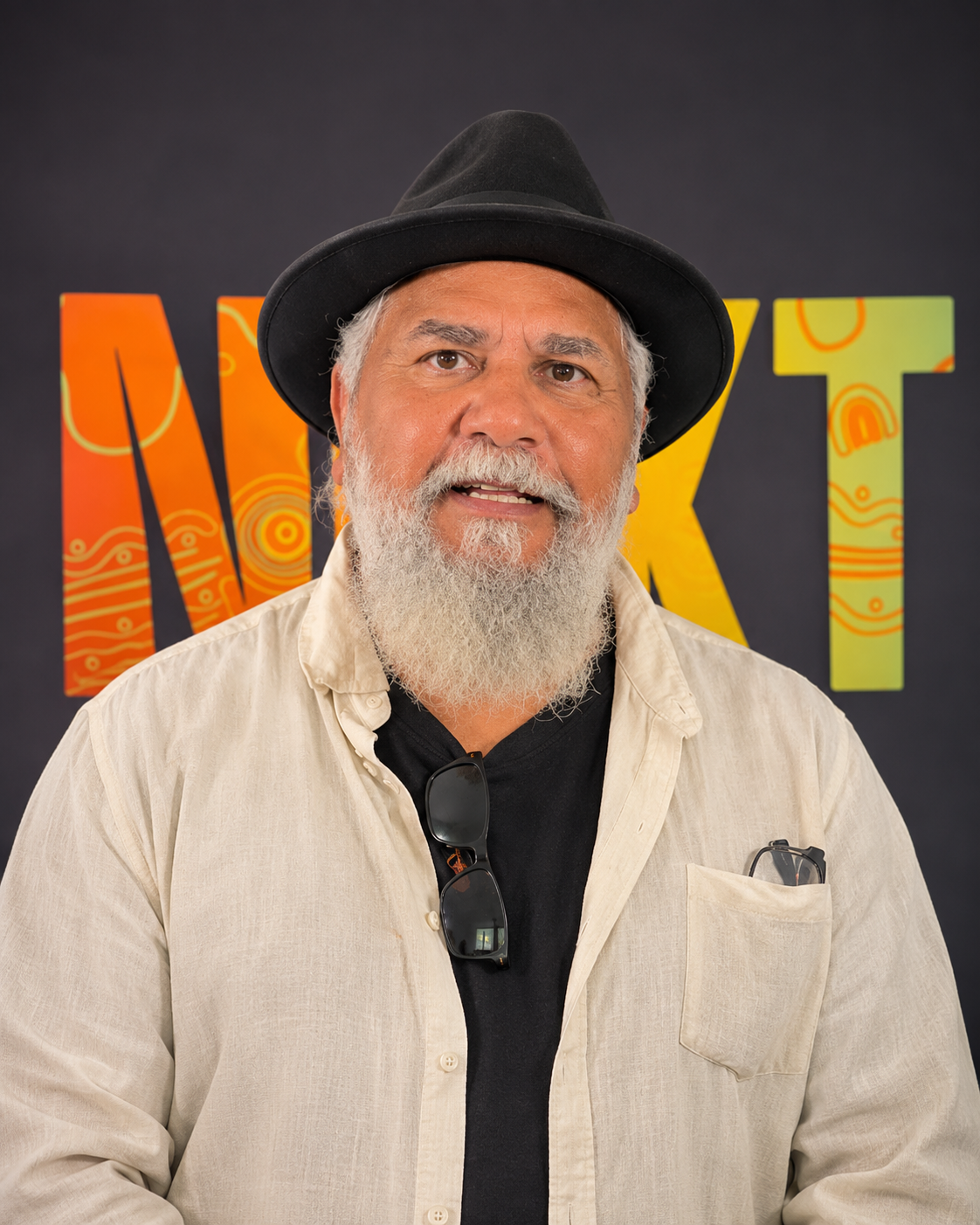
Yindjibarndi Group CEO Michael Woodley at AEMEE 2026. Image: Facebook
by Katherine Glass
Yindjibarndi Group CEO Michael Woodley says Traditional Owners must move beyond compensation and contracts to secure genuine ownership of major projects on their Country.
A prominent Pilbara Aboriginal leader says six decades of mining have failed to deliver genuine ownership opportunities for Traditional Owners, despite billions of dollars in resources being extracted from Aboriginal land.
Michael Woodley says First Nations people must become owners and investors in major mining and energy projects, rather than remaining dependent on compensation payments, employment opportunities and commercial contracts.
His comments follow the 2026 Aboriginal Enterprises in Mining, Energy and Exploration (AEMEE) Conference, held in Rubibi (Broome) on November 4 and 5.
The conference brought together Traditional Owners, Aboriginal businesses, mining companies and industry representatives to discuss the future of Indigenous economic participation.
Speaking to Ngaarda Media after attending the conference, Mr Woodley questioned whether the mining industry had made meaningful progress towards sharing ownership with Aboriginal people.
"The short answer is no," he said when asked whether the industry was shifting towards genuine Traditional Owner ownership.
Mr Woodley pointed to the Pilbara, where mining has operated for about 60 years, as an example of the gap between Aboriginal participation and control of major resources projects.
He argued that Traditional Owners were still not operating mining companies on the same scale as the major corporations working on their land.
Moving beyond compensation
Mr Woodley was invited to participate in a conference discussion titled From Compensation to Commercial Opportunity, which examined how Aboriginal organisations could build long-term economic independence.
He said the native title system had placed an enormous burden on Traditional Owners, who often spend years establishing their legal rights before they can pursue commercial opportunities.
According to Mr Woodley, native title disputes can take 10, 15 or even 20 years to resolve, limiting the time communities have to negotiate opportunities arising from resource developments.
He argued that lengthy legal proceedings could consume much of a mining project’s operating life.
Mr Woodley said Traditional Owners should be involved in commercial discussions from the beginning of a proposed development rather than being required to establish their rights before economic opportunities can be pursued.
He believes stronger relationships between Aboriginal organisations and project developers could help overcome some of those barriers.
Ownership means long-term economic security
The conference explored how Aboriginal businesses could move beyond employment, contracting and procurement into equity investment and ownership of major projects.
Mr Woodley said greater ownership would allow Traditional Owners to share in the long-term wealth generated from their land.
He argued the benefits should also extend beyond the operating life of individual mines.
"There's plenty to go around," he said.
Mr Woodley said mining companies would eventually leave when their operations ended, while Traditional Owners would remain on Country.
He believes Aboriginal ownership could allow communities to reinvest revenue, develop new industries and establish businesses capable of supporting future generations.
He said the transition would require more than a change in attitude from mining companies.
It would also require industry to reconsider how it shared commercial benefits and opportunities.
Aboriginal businesses working together
Mr Woodley also identified opportunities for greater cooperation between First Nations businesses and organisations across Australia.
He said the conference provided a valuable opportunity to share experiences, discuss commercial challenges and consider partnerships.
Different Aboriginal organisations had developed expertise in different areas, creating opportunities to learn from each other and pursue joint commercial ventures.
He said mining companies also benefited from attending industry gatherings where they could hear directly from Traditional Owners about their aspirations and challenges.
While Mr Woodley acknowledged growing interest in Aboriginal economic development, he said the next step was translating those discussions into meaningful commercial outcomes.
The distinction between participating in a project and owning it remained central to his message.
Yindjibarndi Group to strengthen commercial focus
Mr Woodley said the Yindjibarndi Group would continue expanding its focus on commercial development and investment.
He told Ngaarda Media he had previously advised members that he intended to devote about 80 per cent of his working time to the group's commercial portfolio.
His priorities include advancing existing projects, identifying new investment opportunities and strengthening the group's long-term economic position.
The approach forms part of a broader Yindjibarndi strategy aimed at achieving greater self-determination through community development, cultural protection and commerce.
Mr Woodley said he remained committed to making the most of opportunities available to Yindjibarndi people.
For him, the next chapter of Aboriginal economic development is not simply about gaining a place in the resources industry.
It is about Traditional Owners having greater control over the projects, investments and industries shaping the future of their Country.