
‘THEY KNOW WHAT’S WRONG AND WHAT’S NEEDED TO FIX IT’: SURVEY ADDS WEIGHT TO CONCERNS IN PILBARA, KIMBERLEY
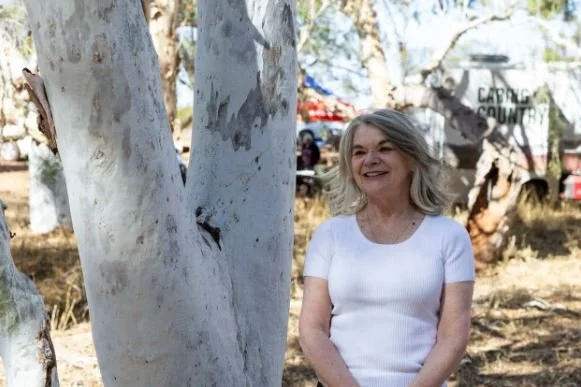
A proud Arrernte-Warumungu woman, WA Children and Young People’s Commissioner Dr Jacqueline McGowan-Jones, says children know what needs to be done to fix the systemic problems they face.
By Daniel Burdon
Reports of children living in unsafe conditions in South Hedland and deteriorating public housing across the Kimberley have placed renewed focus on how well Western Australia is protecting its young people — as a major statewide survey reveals many children are struggling with safety, mental health, poverty and access to basic services.
Recent reporting from South Hedland has centred on claims that up to 15 children, some as young as five, had been staying in a state government-owned house in poor conditions, with concerns raised about supervision and the response from child protection authorities.
The WA Government has disputed claims the children were regularly unsupervised, but Child Protection Minister Jessica Stojkovski earlier this week did say she believed her department had taken too long to investigate the situation.
The combination of failures to provide safe, secure public housing for some of WA’s poorest children and their families, the capacity of the child protection system, and wider problems in providing essential services in remote areas were highlighted in a major report released yesterday, from a survey of some 17,000 children and young people across the state.
“THE SYSTEM IS FAILING MANY CHILDREN”
That report came from Commissioner for Children and Young People Dr Jacqueline McGowan-Jones, who said the entire system was “failing many children”.
Dr McGowan-Jones - a proud Arrernte-Warumungu woman - said the systemic problems were particularly acute in remote Aboriginal communities across the state.
Speaking to Ngaarda Media, Dr McGowan-Jones said the specific case of several children reportedly living alone in squalid conditions in South Hedland raised serious health and safety concerns, but it was just one example of deeper, systemic issues.
“The children that have been in the media this week and talking about the conditions of the house they're living in in South Hedland, that raises real concerns about their health,” she said.
“NO CHILD SHOULD BE LIVING IN POVERTY”
She said children should not be living in properties affected by serious hygiene or maintenance issues and called for a broader response that did not focus only on individual families.
“No child should be living in an unsafe property. No child should be living in poverty,” she said.
The concerns in the Pilbara come as a separate report released this week by Kimberley Community Legal Service has further exposed extensive problems in public housing in WA’s north.
The legal service surveyed 166 public housing tenants across 22 Kimberley communities and found almost 70 per cent were waiting for urgent maintenance, while more than 95 per cent of tenants did not consider their homes safe or in good condition.
Reported problems included mould, structural damage, plumbing failures, electrical faults and pest infestations, among other issues.
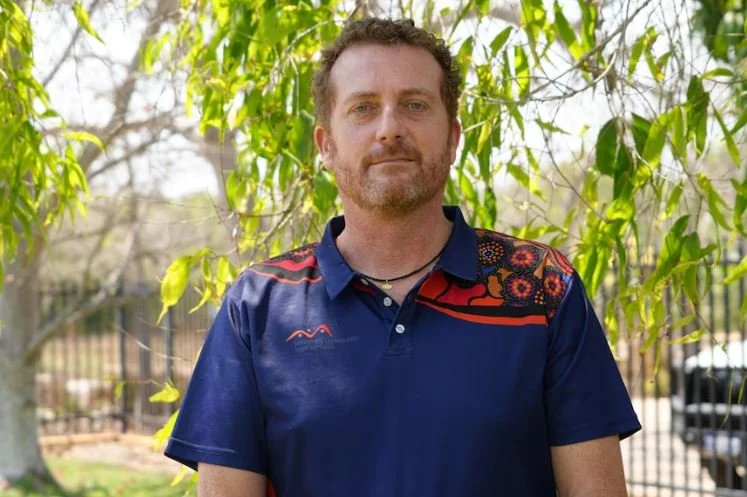
Kimberley Community Legal Service CEO Matthew Panayi says public housing tenants deserve homes that work. (ABC Kimberley: Natasha Clark)
PUBLIC HOUSING CONDITIONS “UNLIVEABLE”
Kimberley Community Legal Service CEO Matthew Panayi told Ngaarda Media that conditions in public housing across the region were “unliveable”.
He said the problems were not unique to the Kimberley, and called for an overhaul of the government’s head maintenance contract arrangements - contracts which also often fail to engage local, Aboriginal contractors.
The legal services’ report echoes a 2025 report by the Auditor-General formally recommending similar reforms to the state government’s public housing maintenance contracts.
REMOTE HOUSING A “TWO-TIER SYSTEM”
Mr Panayi also said the Broken by Design report highlighted a “two-tier system”.
He said public servants were living in government-owned housing in remote Aboriginal communities with split-system airconditioning and safe, secure housing; while tenants in public housing were struggling to get water leaks and electrical faults fixed and often had no air-conditioning.
Dr McGowan-Jones said housing instability was more pronounced in regional and remote WA, particularly in Aboriginal communities.
“There is no doubt that in regional or remote areas, there is much more housing instability,” she said.
“We do know that in remote and regional Aboriginal places, we have houses where there are significant needs for essential services and for additional work to be done on homes to make them safe.”
Survey gives 17,000 children a voice
Those regional concerns were highlighted by the Speaking Out Survey 2025 released yesterday, which heard directly from more than 17,000 students in Years 4 to 12 across metropolitan, regional and remote WA.
It is the first time the survey has included formal recommendations from the Commissioner.
Dr McGowan-Jones said the findings showed problems affecting children were either becoming worse or had failed to improve across three major statewide surveys conducted over six years.
She said that was why the latest report moved beyond simply documenting children’s experiences.
“We needed to really press the government on a couple of critical things,” she said.
One of her main recommendations is for a holistic child and family wellbeing strategy focused on early intervention and prevention.
“We know that the further you are from Perth Metro, the harder it is to access services and supports,” she said.
“There’s nothing more important in WA than our children. It’s not what we dig out of the ground. Our most important resource are our children and young people.”
Mental health and safety concerns
The survey found 61.7 per cent of students in Years 9 to 12 had felt sad, anxious or depressed for two weeks or more, up from 58 per cent in 2021.
More than one third reported a current mental health concern.
Girls reported poorer outcomes across many measures, with 74 per cent saying they had experienced prolonged sadness, anxiety or depression compared with 49.8 per cent of boys.
Only about one in five high school girls said they felt safe at school all the time.
Dr McGowan-Jones said the gap between girls and boys was widening as children moved through high school.
“The mental health of young girls in particular is not improving,” she said.
She said bullying, racism and discrimination were also recurring concerns, particularly for Aboriginal children and culturally and linguistically diverse young people.
Violence and barriers to care
Almost 41.3 per cent of young people surveyed reported experiencing deliberate physical harm, with more than half of those incidents occurring at home.
Girls were more likely than boys to report being harmed at home and by an adult.
One in four young people also said they had needed to see someone about their health but could not, citing cost, shame and uncertainty about where to go.
Regional and remote students reported more barriers to dental care, mental health services and transport, while around two in five remote young people did not know where to find online mental health support.
Aboriginal children report strongER connection — but unequal access
The Commissioner cautioned against presenting the findings solely through a deficit lens.
Aboriginal children reported similar life satisfaction to their peers and stronger feelings of community safety in some areas, while connection to culture, family, language and Country remained significant protective factors.
“Community, attachment to culture, a sense of belonging all make a huge difference to how Aboriginal children and young people feel about themselves,” Dr McGowan-Jones said.
However, Aboriginal children also reported higher suspension rates and more persistent bullying across multiple locations, while remote children continued to face greater barriers to basic services and material necessities.
“THEY KNOW WHAT THEY NEED TO FIX IT”
Dr McGowan-Jones said the response needed to involve children directly rather than simply designing policies around them.
“This is about listening to children and young people, hearing what they have to say, and involving them in designing solutions,” she said.
“They know what's going wrong and they know what they need to fix it.”
If you or someone you know needs support, you can call Lifeline on 13 11 14, 13 YARN on 13 92 76, and for more one-on-one support online, search for Headspace, or go to: headspace.org.au/online-and-phone-support/