
Aboriginal children have their own voices and truth to tell: Catherine Liddle
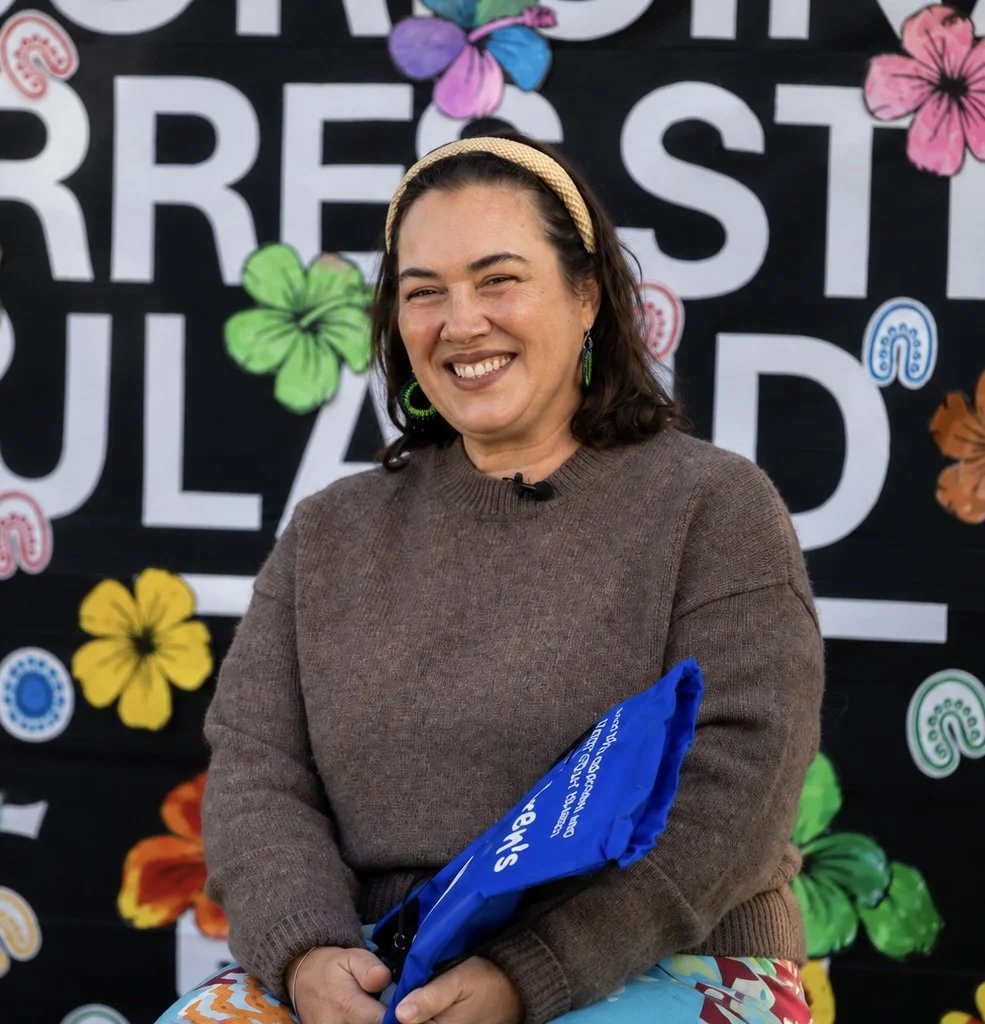
SNAICC CEO Catherine Liddle Image courtesy of SNAICC
By Katherine Glass
SNAICC chief executive Catherine Liddle says National Aboriginal and Torres Strait Islander Children’s Day is an opportunity to celebrate children’s strength while creating space for them to tell their own stories.
Aboriginal and Torres Strait Islander children are being encouraged to celebrate their culture, families and connection to Country as communities mark National Aboriginal and Torres Strait Islander Children’s Day.
The annual celebration is held on August 4, with the 2026 theme, Living Our Truth, highlighting children’s voices and the importance of truth-telling.
SNAICC – National Voice for our Children chief executive Catherine Liddle said the day helped challenge negative stories frequently told about First Nations children, families and communities.
“Children’s Day is one day of the year where we get the opportunity to show off how incredible our children are, how special they are,” Ms Liddle said.
It was also an opportunity to remind families and the wider Australian community about the importance of children remaining connected to their culture, Elders and Country.
Stories grounded in family and Country
Ms Liddle is an Arrernte and Luritja woman from Central Australia.
She said her decision to become a journalist was shaped by growing up on community and seeing stories about Aboriginal and Torres Strait Islander families that did not reflect the lives she knew.
Those reports often failed to capture the love within families or the knowledge children gained by swimming in rivers, climbing trees and learning about their environment.
“They didn’t talk about the incredible love of our families and the incredible lives that we lived,” she said.
Ms Liddle said journalism gave her an opportunity to tell stories that were important to Aboriginal and Torres Strait Islander people.
Her work eventually led her to SNAICC, where she now advocates nationally for First Nations children and families.
She said she remained committed to ensuring children grew up proud of their histories, families and cultures.
Living Our Truth
Ms Liddle said the 2026 theme recognised that Aboriginal and Torres Strait Islander children were often spoken about without being given an opportunity to tell their own stories.
She said some children might share joyful and funny experiences, while others needed safe spaces to discuss much more serious issues.
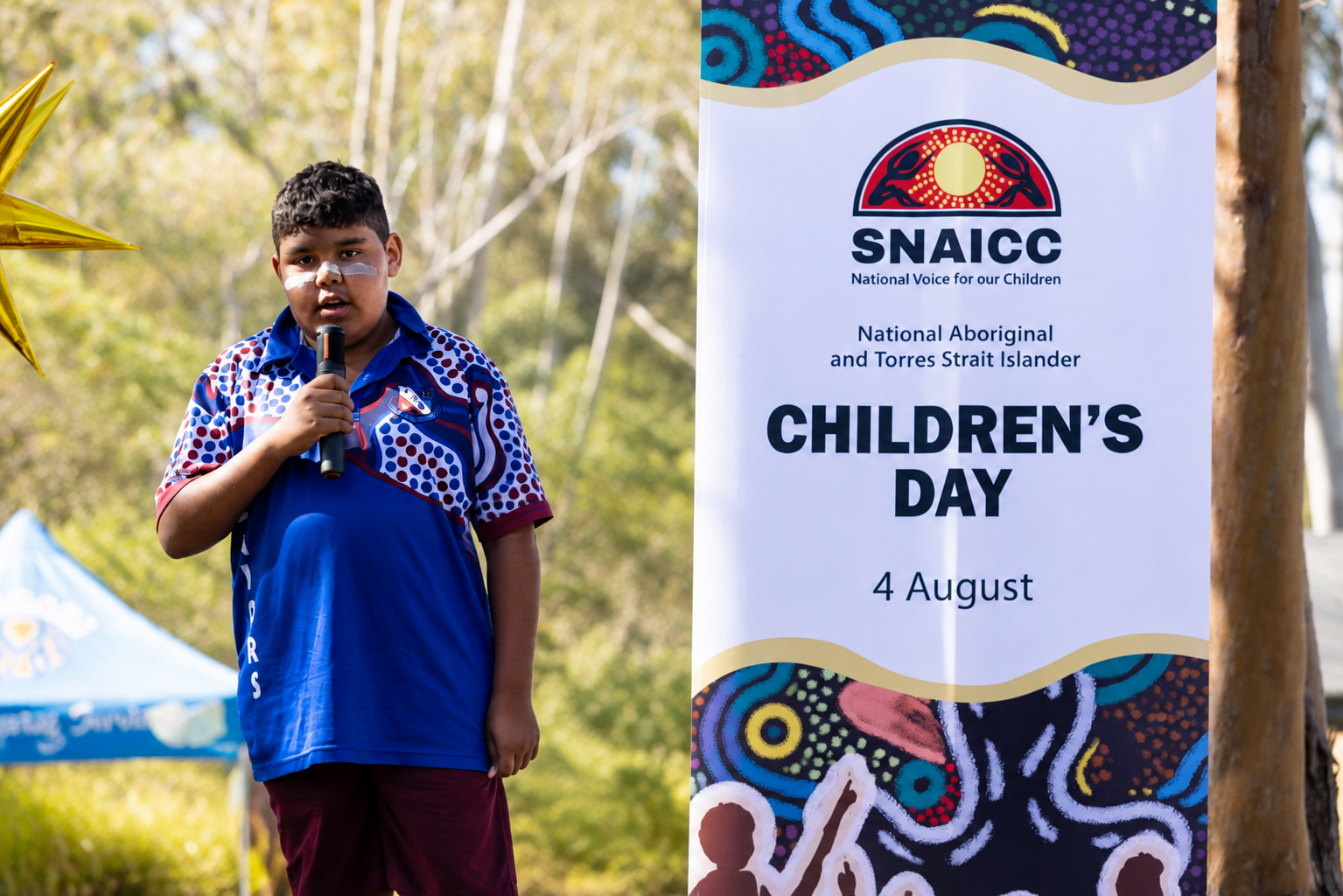
National Aboriginal and Torres Strait Islander Children’s Day is a chance to celebrate young people’s own voices. Credit: SNAICC
“When it comes to children and young people, you never know what they’re going to tell you,” she said.
Truth-telling should not be viewed as an attack on non-Indigenous Australians, she said.e
“When we’re talking about truth-telling, if you’re a non-Indigenous person, do not be afraid of this,” Ms Liddle said.
“It’s just someone saying we need to tell you what’s happened to us. It’s not an attack on anybody.”
She said listening to those experiences could help communities celebrate what was working while confronting policies and systems that continued to harm children and families.
A day reclaimed by communities
National Aboriginal and Torres Strait Islander Children’s Day emerged from protests held during Australia’s bicentenary in 1988.
Ms Liddle said August 4 had previously been used as an assigned birthday for some Aboriginal children who had been removed from their families and did not know their actual date of birth.
Communities reclaimed the date as a celebration of children, culture and survival.
The day also carries a commitment to ensure children are never again taught to feel ashamed of their identity, culture or families.
“We will always celebrate our children for how awesome they are, for the incredible commitments that they will make to the country, for the incredible contributions they will make to the country,” Ms Liddle said.
Celebrations across Australia
Early childhood services, schools, community organisations and families are holding activities across Australia.
Celebrations can include storytelling, art, face painting, barbecues and cultural activities guided by local communities.
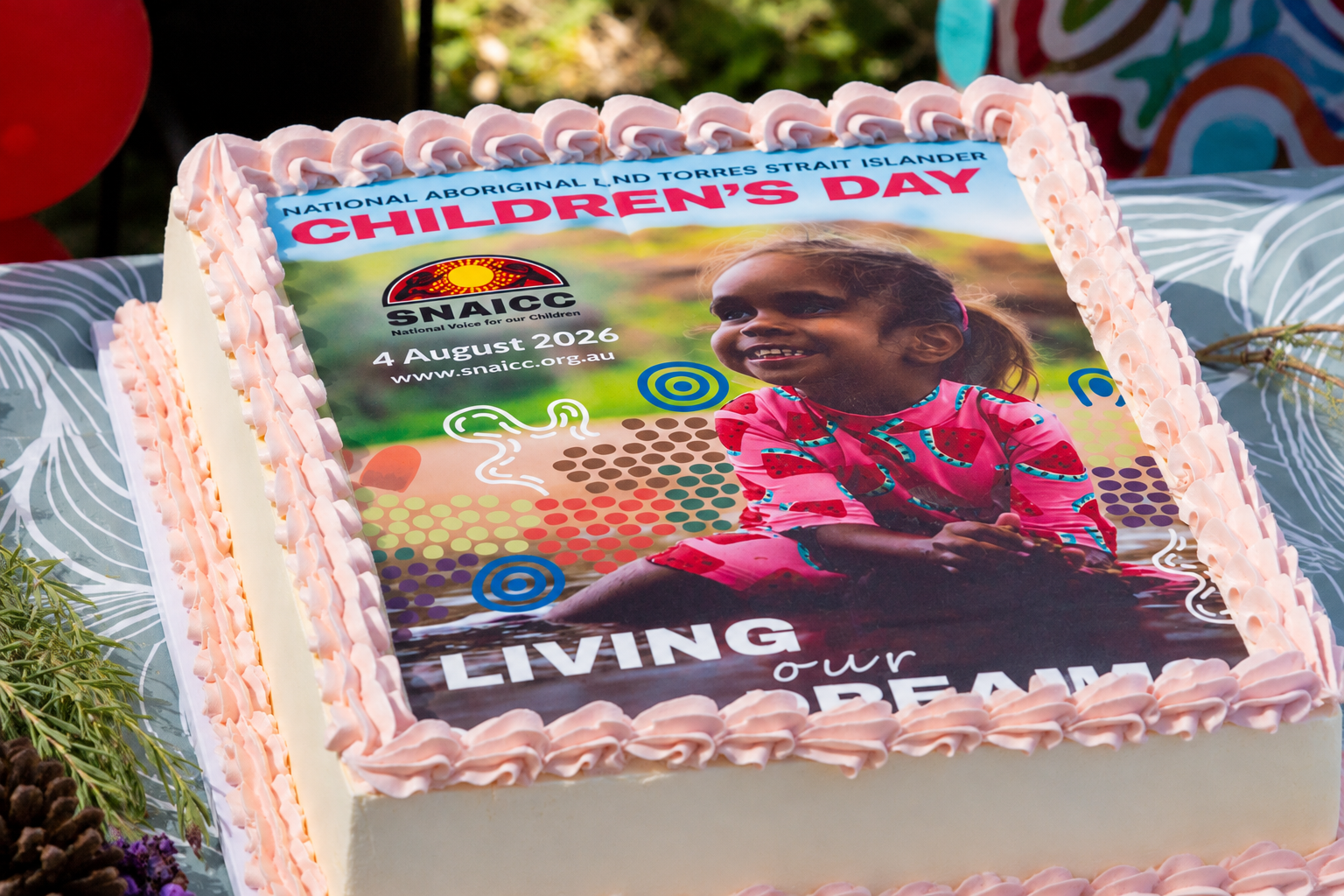
The national Children’s Day called on the whole community to support children living their dreams. Credit: SNAICC
Ms Liddle said the day was also an opportunity for governments to reflect on whether their laws, policies and programs properly supported First Nations children and families.
She said children should begin their lives with the same hope and ambition afforded to every Australian child.
Her message was particularly directed to children living in regional and remote communities.
“You’re not only deadly, you’re loved,” she said.
“The ability to walk on Country, the ability to learn your stories, the ability to listen to people who might speak your tongue — these are gifts of gold.”
Events will continue across the country throughout August 4, with communities encouraged to celebrate children in ways that reflect local cultures, knowledge and priorities.