
COST, NOT CAPABILITY, BLOCKING ABORIGINAL YOUTH FROM WO
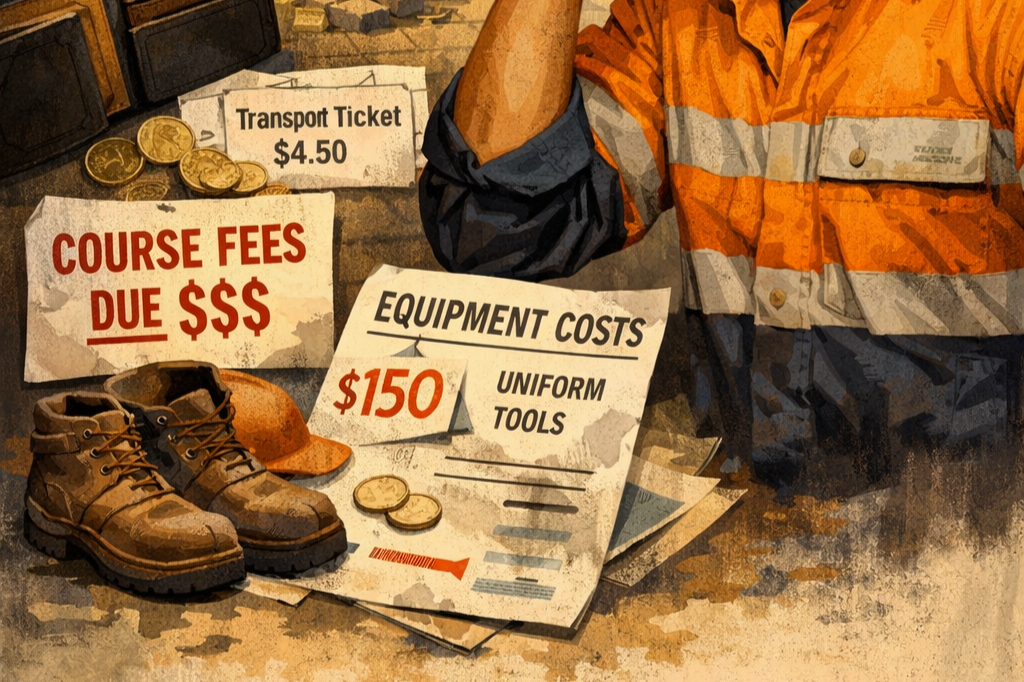
AI-generated illustration highlighting the financial barriers, including training fees, equipment and transport costs — that prevent many Aboriginal young people from accessing employment.
BY MARLI RYAN AND ASAD KHAN
Aboriginal and disengaged young people across the Pilbara are being locked out of mining and construction jobs before they even get a chance to apply, simply because they can’t afford mandatory safety tickets. One local training provider is working to change that, expanding a grassroots program that takes training directly to the community and removes cost as the first hurdle.
After failing to secure government funding, Daysafe Training owner Paul Day pressed ahead anyway, self-funding a pilot program in Karratha that is now being positioned for expansion into Roebourne and other Pilbara communities.
‘They Wanted to Work — They Just Couldn’t Get In’
Mr Day said the idea for the program grew out of a recurring problem he was seeing across the region.
“We kept seeing young people who wanted to work but couldn’t even get a start because they didn’t have the basic safety tickets employers require,” he said.
“The problem wasn’t motivation, it was access and cost.”
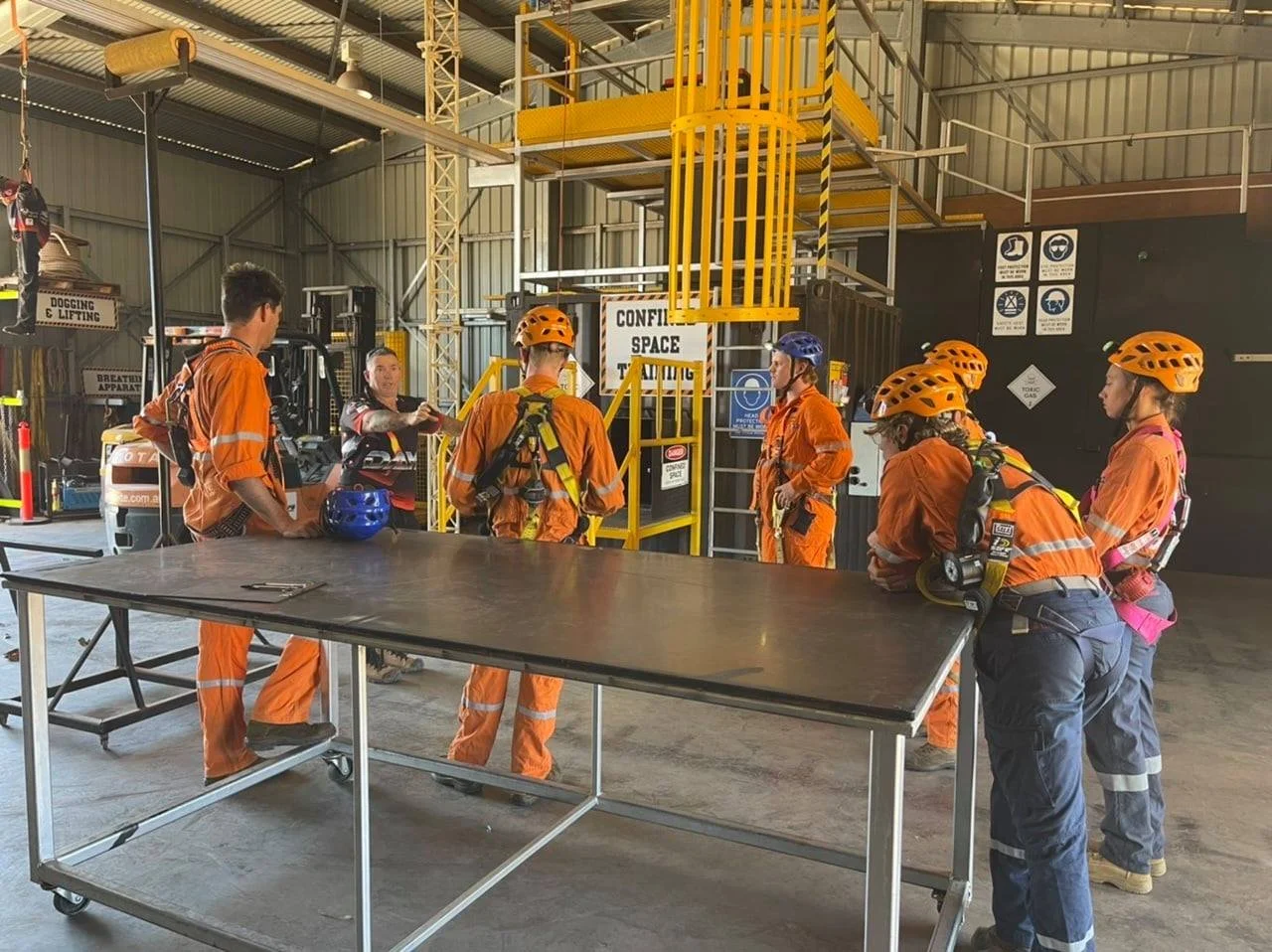
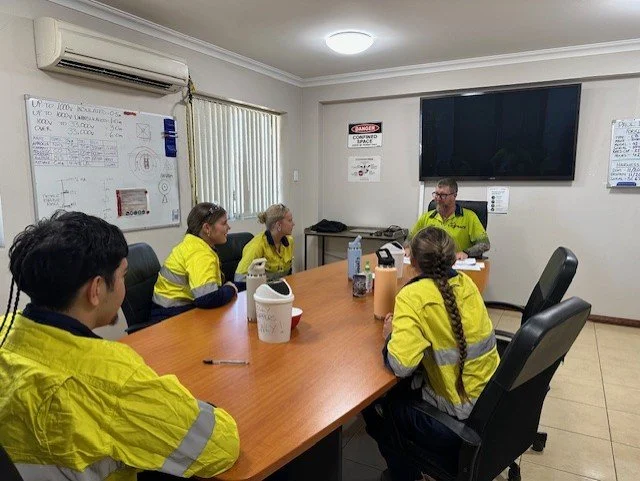
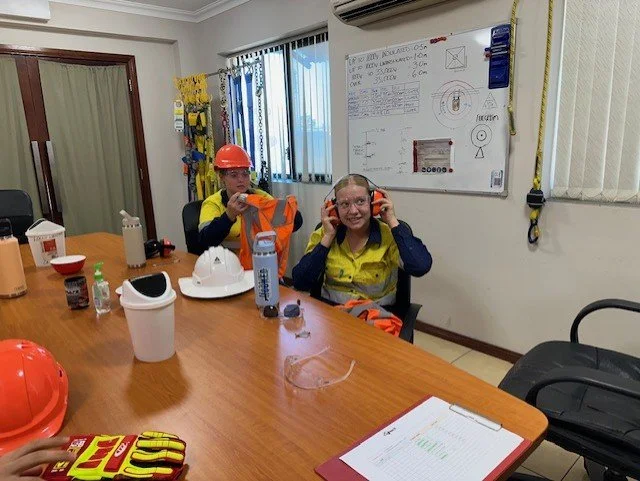
Working closely with Croust Senior High School and Karratha Senior High School, Daysafe developed a program over 12 months to give students nationally recognised safety credentials before they finished school.
No Funding, No Waiting
The program missed out on government funding, but Mr Day went ahead anyway, self-funding the pilot in Karratha.
“The problem didn’t go away, so waiting for funding meant doing nothing, and that wasn’t an option,” he said.
“As a local business, we felt a responsibility to step up and prove the model works first.”
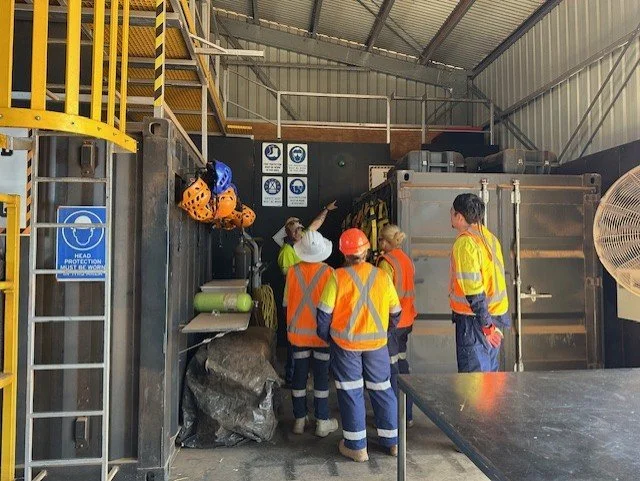
The pilot was delivered to Year 12 students at Karratha Senior High School, fully funded by Daysafe.
Confidence Was the Biggest Shift
According to Mr Day, the most noticeable change in students was not just their qualifications, but their confidence.
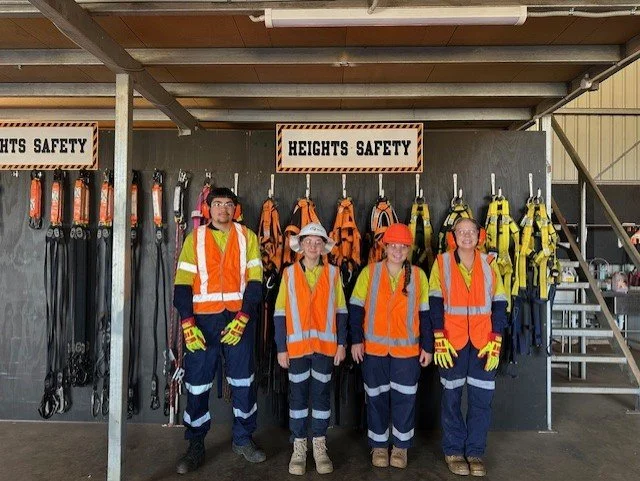
“They walked away with real credentials and a clearer understanding of worksites,” he said.
“They started to believe mining and construction were achievable pathways, not just ideas.”
He said seeing students proud of what they had achieved was the most rewarding outcome.
“It genuinely helped them move forward.”
Taking Training to Community, Not the Other Way Around
Daysafe is now looking to expand the program into Aboriginal communities, including Roebourne, in partnership with schools and local organisations.
Mr Day said delivering training on Country, rather than flying young people elsewhere, was critical.
“If you take the training to where people live and don’t expect them to travel, it builds trust and removes barriers like transport,” he said.
“It also creates stronger pathways into local jobs with local employers.”
Call for Industry and Government Backing
To move beyond a small pilot, Mr Day said support is now needed from government, industry and funding bodies.
Many participants have expressed strong interest in learning to operate excavators, skid steer loaders and other machinery commonly used across the Pilbara.
“With industry partnerships, we can commit to real pathways after training.”
Mr Day said the pilot had already proven what was possible.
“When you give young people access to the right training and support, their confidence and opportunities grow immediately,” he said.
“With the right backing, this can become a long-term workforce solution that benefits families, industry and the future of the Pilbara.”
Listen to Ngaarda Media’s Marli Ryan speak with Daysafe CEO Paul Day: