
COURT CHALLENGE SEEKS STRONGER PROTECTION FOR MURUJUGA ROCK ART
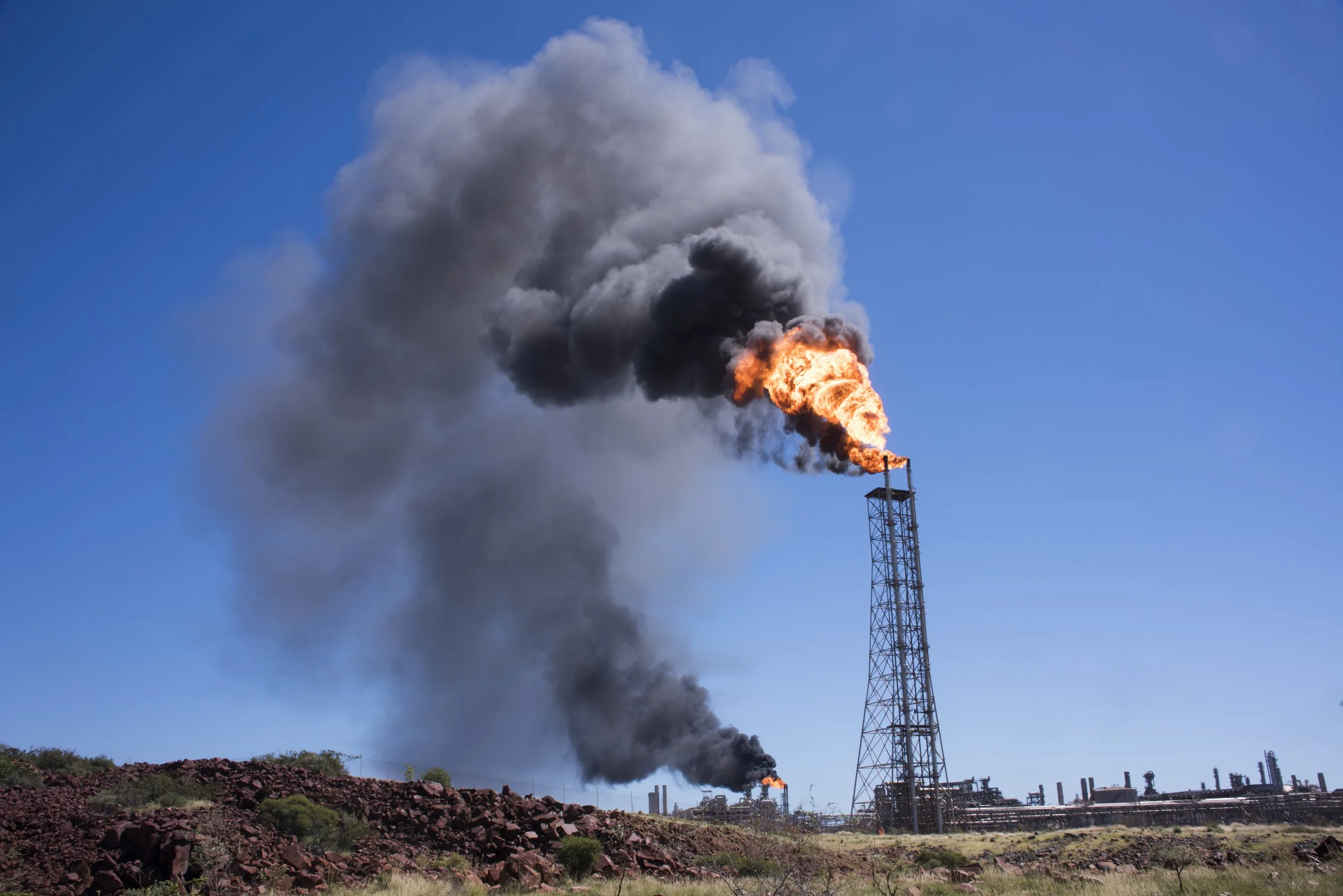
Today, a long-running campaign to protect the ancient rock art of Murujuga has reached a critical point, with Friends of Australian Rock Art taking legal action over Woodside’s proposed North West Shelf extension.
The Western Australian Supreme Court will today hear an application to expand the group’s challenge against environmental approvals for the project, which would extend the life of the Burrup Peninsula gas facility until 2070.
Friends of Australian Rock Art’s co-convener Judith Hugo told Ngaarda Media the case is the result of years of unsuccessful advocacy, all of which is funded by donations.
“We’ve tried over the last 20 years to meet with ministers … and we’ve sent thousands of submissions and appeals, but to no avail, and now the only recourse left to us is to take this matter to court.”
The group argues the extension threatens one of the most significant cultural heritage sites in the world. Murujuga’s rock art, which spans tens of thousands of years, was granted World Heritage status last year — but campaigners say that recognition has not translated into protection. “The World Heritage listing was a very hollow victory for us … it hasn’t helped with the protection of the rock art at all,” Judith Hugo said.
At the centre of the concern is the impact of industrial emissions on the rock surface. Co-convener Susan Swain told Ngaarda Media that when industry emits into the air, emissions mix with moisture as acid rain, eroding the desert patina on the rocks. “That patina grows at the rate of one millimetre in a thousand years … and once it’s gone, it will never be replaced.” Susan Swain said.
The legal challenge also raises concerns about how the project has been approved by both State and Federal governments, wherein heritage protections were outweighed by economic considerations. Stringent conditions were attached to the Federal approval, which Woodside challenged, saying they amounted to an effective refusal of the project.
Climate impacts are also central to the case, with the project expected to generate billions of tonnes of greenhouse gas emissions over its lifespan.
Beyond emissions, campaigners point to broader environmental consequences already being felt across the region.“Ningaloo Reef has had three major coral bleaching events in the last two years — 98 per cent of that coral is now dead,” Susan Stain said.
The group says its goal is not only to stop the project so that all rock art protections can be considered, but to force a stronger environmental assessment.
The court will also consider whether more documents used in the approval process should be released, and whether the case should be transferred to the Federal Court.
FARA say going to Court is expensive and that they are always calling for donations.