
DAY TWO: PACIFIC MEDIA, COMMUNITY VOICES AND THE POWER OF TRUST
PACIFIC NEWSROOMS ARE DOING MORE WITH LESS
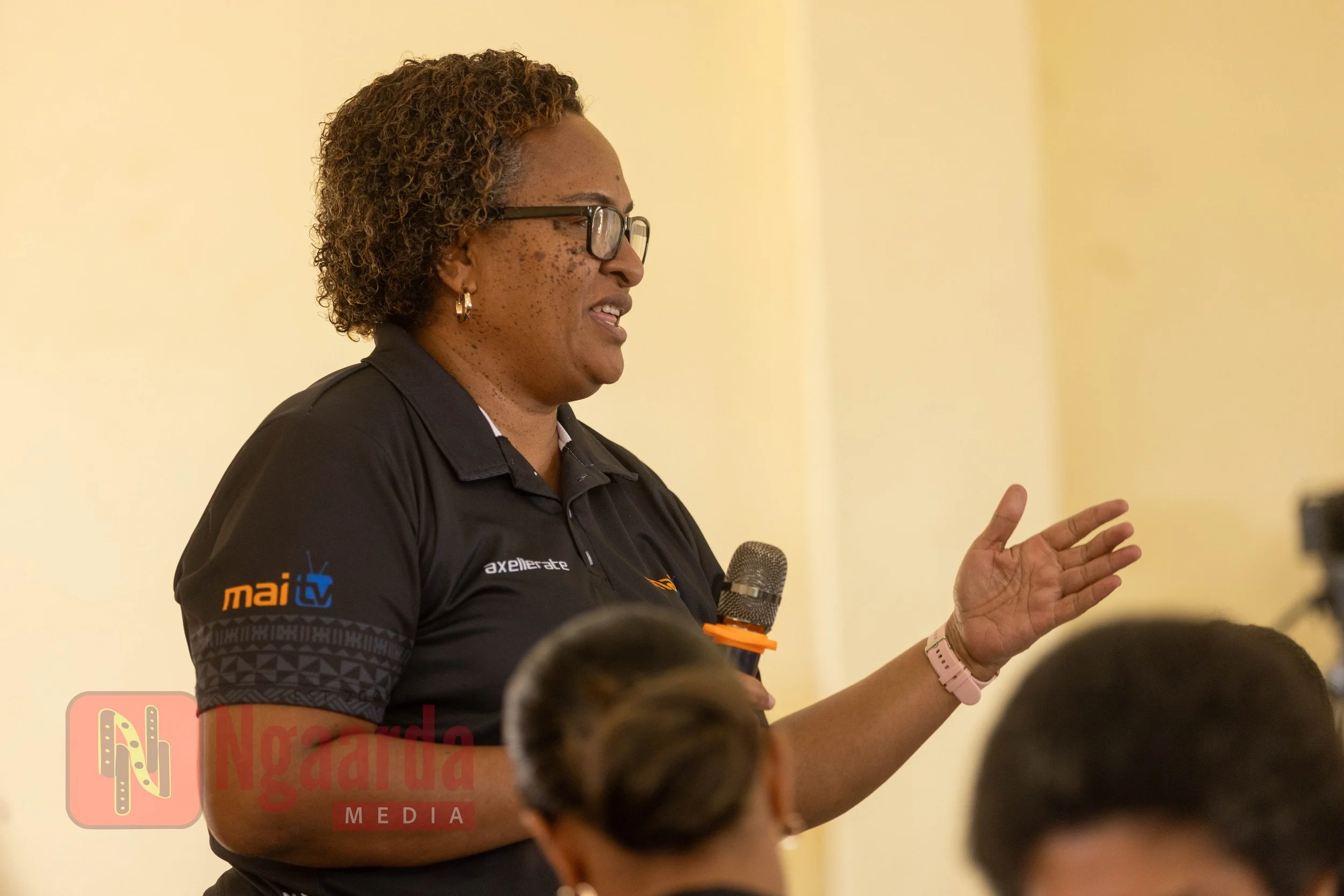
Media representatives from across Fiji described increasingly stretched newsrooms, where journalists are expected to report, film, photograph, edit and publish across multiple platforms. A My TV representative said the realities of a small newsroom mean reporters have to be ready to cover almost anything.
Mai TV representative:
“We are all multitaskers. At Mai TV, we do not have specialised people with specialised skills to do our videos, photography or videography. The journalist has to do everything.”
COMMUNITY STORIES NEED TO COME DIRECTLY FROM THE PEOPLE
A Fiji Broadcasting Corporation representative encouraged rural and remote communities to contact newsrooms directly rather than relying on information to be passed through government or divisional offices. The message was simple: direct contact can help journalists reach communities and tell stories that may otherwise be missed.
Fiji Broadcasting Corporation representative:
“If you contact the newsroom and speak to us directly, then we will be able to visit you… If we come and visit your village, we will not do one story. There will be so many stories we can highlight.”
EVIDENCE AND CONTEXT HELP JOURNALISTS TELL STRONGER STORIES
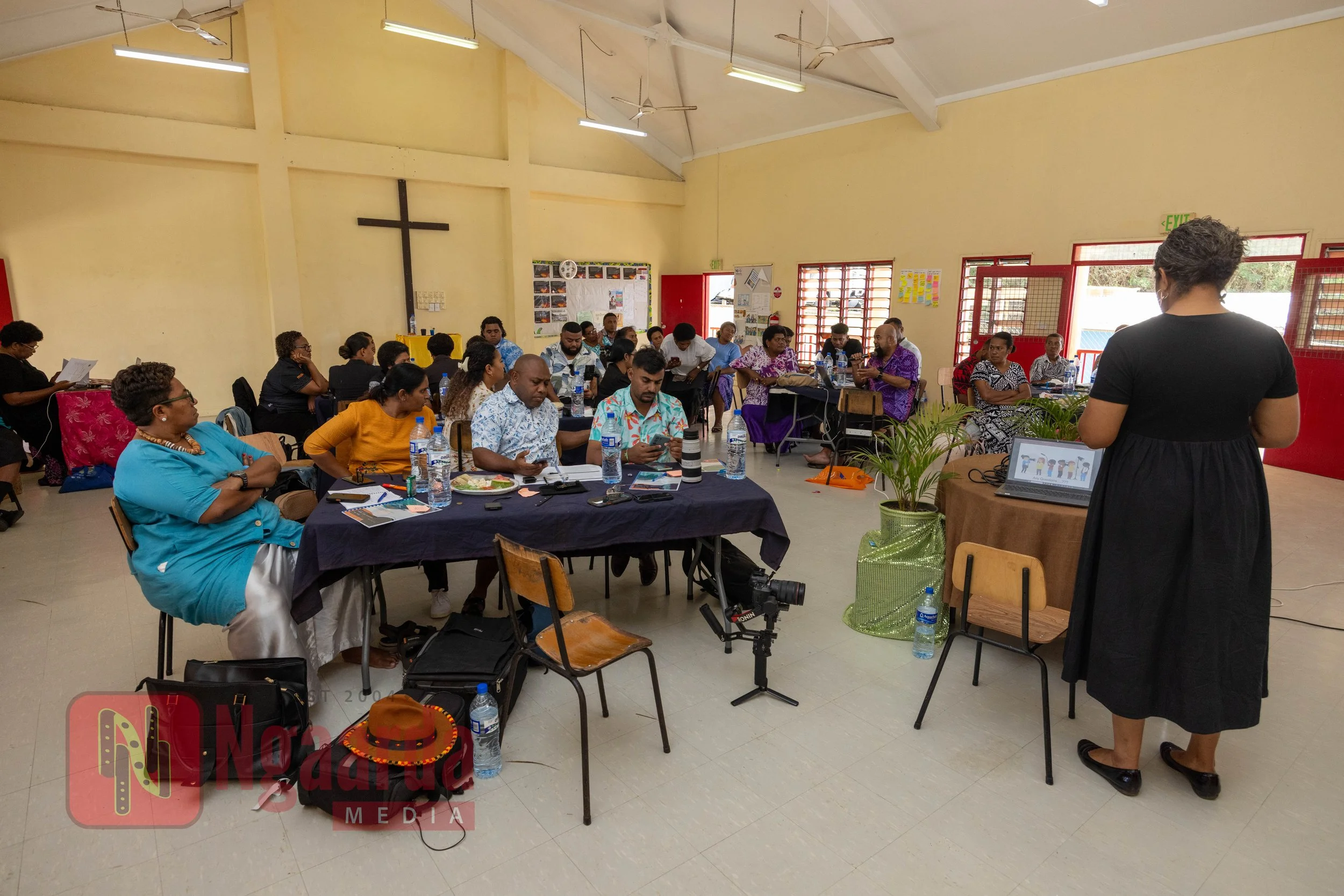
The workshop facilitator urged communities to bring photos, video, audio, background information and people willing to speak when approaching journalists. Participants were told communities themselves often understand the history and context behind an issue better than anyone.
Workshop facilitator:
“You are the best people on the ground who understand the context, which is very important when you are telling us, when you’re coming to us and you’re sharing the issues with us.”
JOURNALISM SHOULD LOOK FOR SOLUTIONS AS WELL AS PROBLEMS
Participants were encouraged to think beyond identifying what is wrong and to also put forward community-led ideas about how problems could be addressed. The workshop highlighted solutions journalism as one way media can show communities responding to challenges.
Workshop facilitator:
“Let’s not just be out there to complain. Let’s also come up with solutions of how these things can be addressed.”
TRUST SITS AT THE CENTRE OF COMMUNITY JOURNALISM
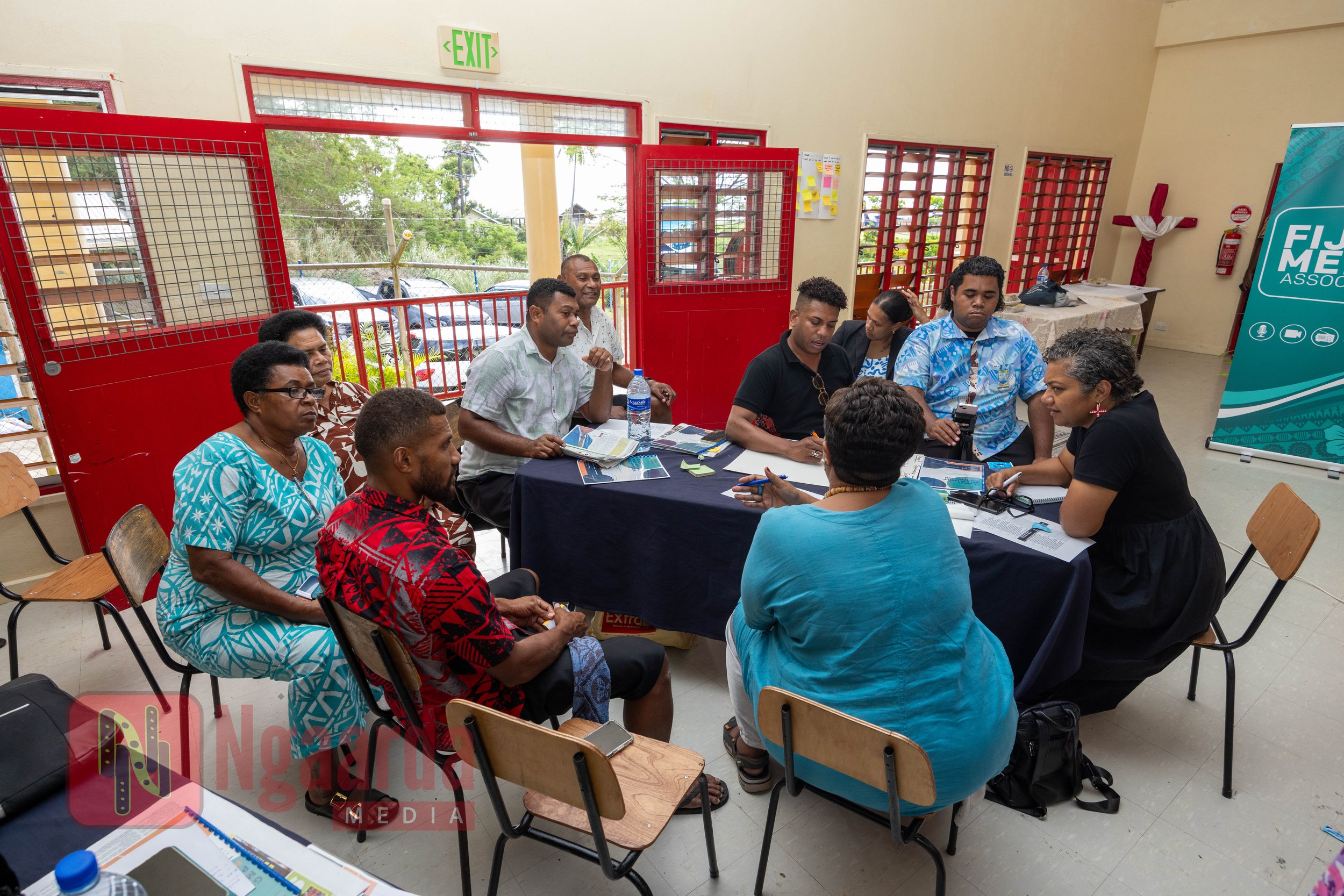
The discussion repeatedly returned to trust between reporters, sources and communities. The facilitator said journalists need accurate information and communities need confidence that their experiences will be represented responsibly.
Workshop facilitator:
“The work that we all do collectively here is about trust. We are building, we’re trying to build that trust.”
NEWS DECISIONS ARE MADE AS A TEAM
Participants were given an insight into how stories are selected for major bulletins and front pages. The facilitator explained that editorial decisions should be debated collectively rather than being determined by one individual.
Workshop facilitator:
“These decisions are made as a collective… how these decisions are made, not by one person but by the team.”
JOURNALISTS FACE ABUSE WHILE DOING THEIR JOB
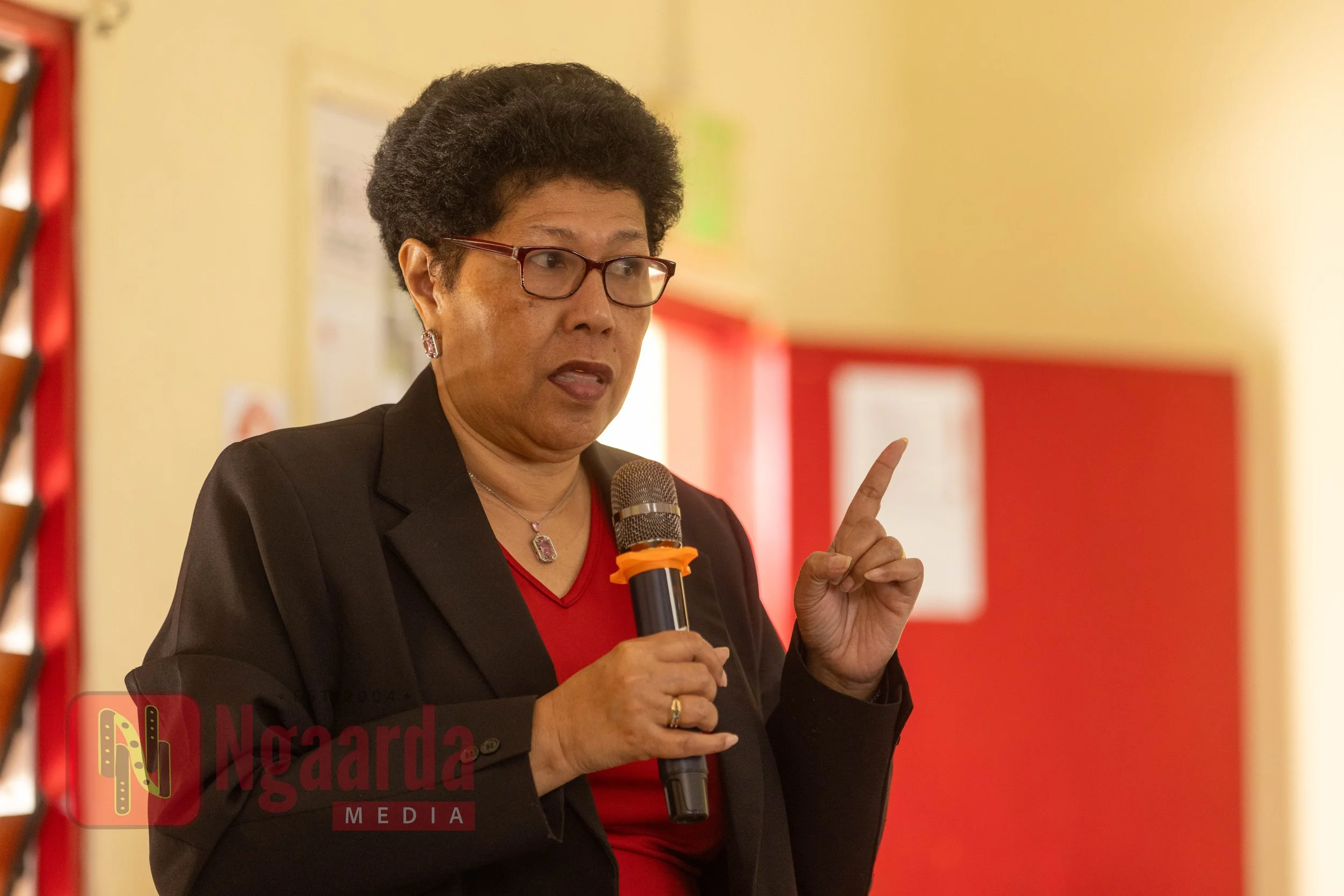
The workshop also heard about the personal pressures journalists experience, including threats, verbal abuse and confrontation while covering courts, disasters and controversial stories.
Workshop facilitator:
“We’ve been sworn at, we’ve had people running at us because of the work that we do.”
JOURNALISTS ARE OFTEN AMONG THE FIRST INTO DISASTER-AFFECTED COMMUNITIES
The facilitator spoke about the public-service role journalists can play following cyclones, accidents and other emergencies, often entering affected communities immediately after an event.
Workshop facilitator:
“Once the cyclone is gone, we’re the first ones in those communities to come and to talk to those affected.”
SOCIAL MEDIA HAS CHANGED HOW STORIES ARE FOUND
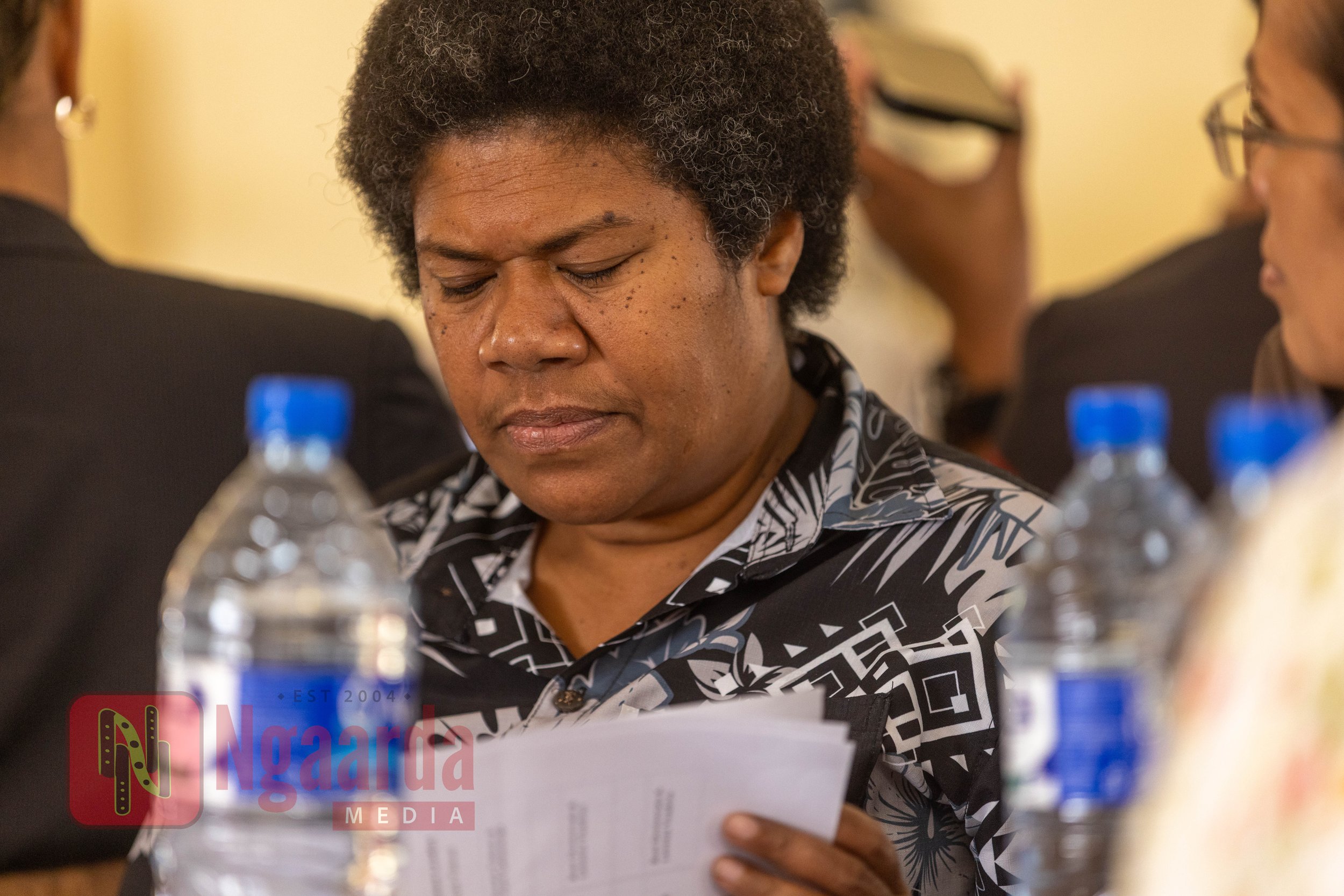
A Fiji media representative described social media as one of the most powerful tools available to both communities and newsrooms, saying many major stories now first emerge online.
Fiji media representative:
“Most of the stories that we put out and that have made headlines come from social media. That’s a powerful tool that you can use.”
SOURCES CAN ASK TO REMAIN ANONYMOUS
Source protection was another major theme, with participants told people can raise serious community issues without necessarily being publicly identified, although journalists still require enough information to verify and understand the story.
Workshop facilitator:
“We also have to protect our sources. So that’s an understanding, that’s building a trust.”
SMALL NEWSROOMS ARE STRETCHED ACROSS EVERY BEAT
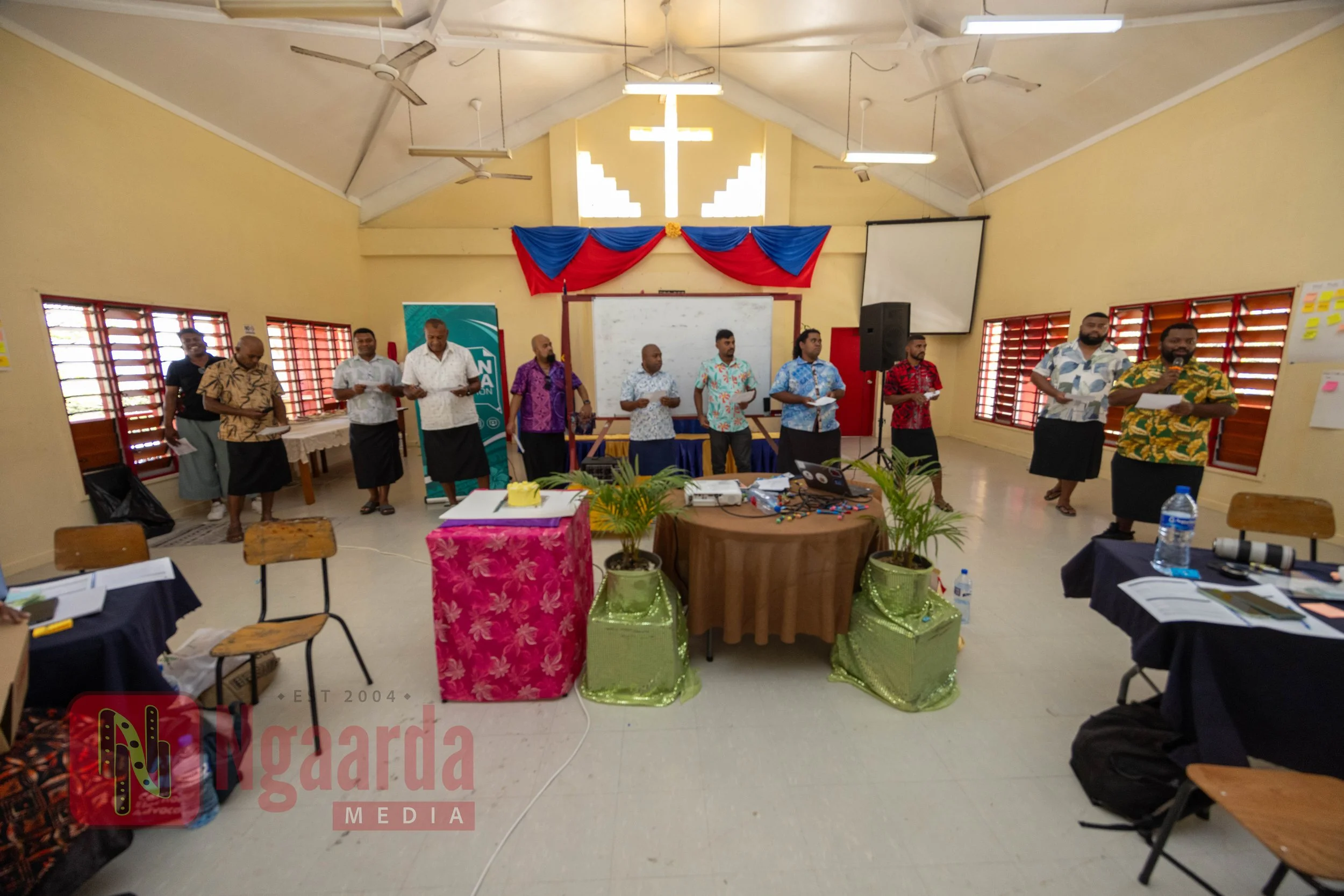
Participants heard that declining revenue and reduced staffing are forcing journalists to cover everything from sport and business to politics and emergencies.
FIJI TV PUTS GRASSROOTS STORIES AT THE CENTRE
A Fiji Television representative said the broadcaster sees community stories as central to its role, including stories that celebrate achievement as well as those highlighting problems.
Fiji Television representative:
“We believe that grassroots stories are what matters the most.”
The representative added:
“We always strive to be the media organisation that helps your stories not only raise your concerns but also highlight your success stories.”
MEDIA HELPS REMOTE COMMUNITIES BE HEARD
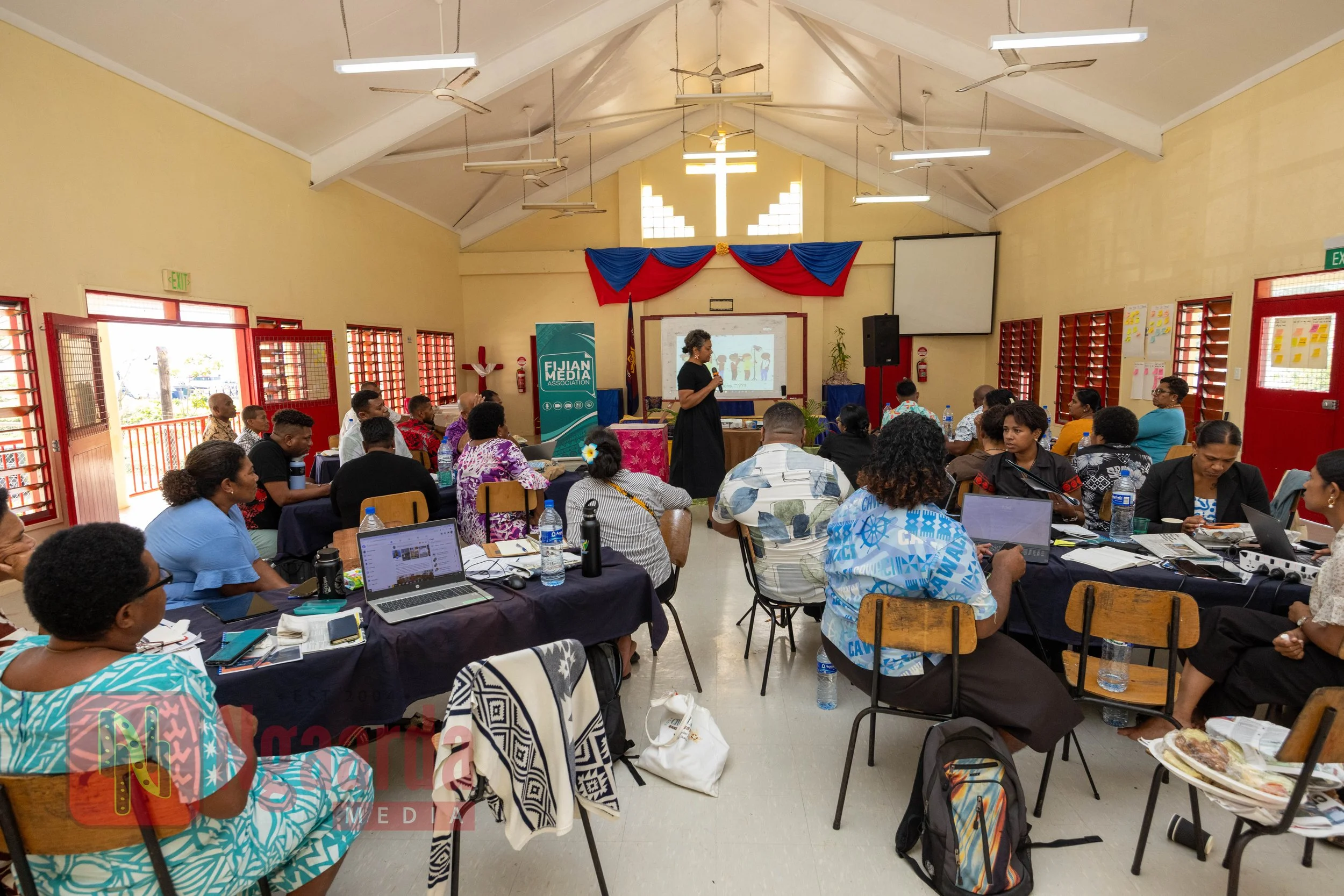
One community participant closed with a strong acknowledgement of the role journalists play in connecting people across Fiji with what is happening in villages, islands and the wider world.
Community participant:
“What we read, what we hear… the news that we get is from you and the information that we get is from you.”
They added:
“No matter what difficulty that you’re going through… you are still active and you get information back. So thank you.”