
DEMANDING JUSTICE: THE STRUGGLES OF NATIVE TITLE AND THE FAILURES OF PRESCRIBED BODY CORPORATES IN WESTERN AUSTRALIA
BY TANGIORA HINAKI AND ROBYN MARAIS
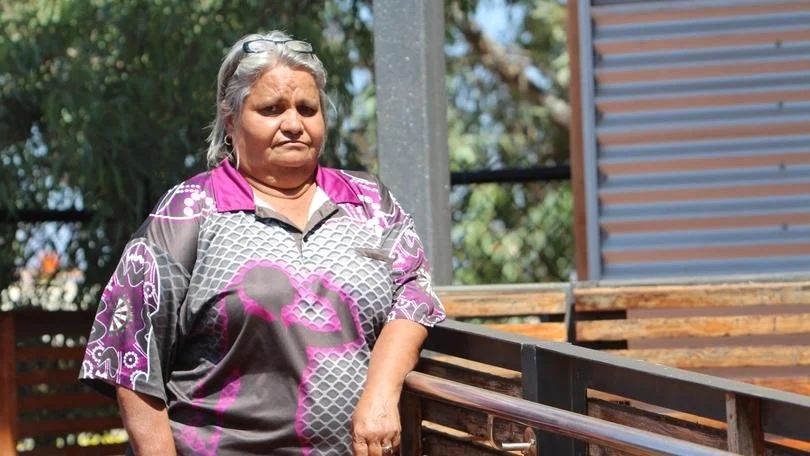
In response to the recent ruling granting the Yindjibarndi people only 8.5 per cent of what they requested, Karriyarra Elder Pat Mason has been inspired to speak out against the systemic failures Indigenous communities in Western Australia face. This disheartening decision has prompted her to organise a March for Our Rights, Our Pride, and Our Dignity, set for this Wednesday at 8 AM, starting at Westend Port Hedland. The march aims to unite voices and draw attention to the struggles First Nations people face in their fight for recognition and respect.
A FLAWED SYSTEM
Mason articulates a critical perspective on the state's handling of native title, stating, "the state government created a system that controls and mandates the rights and interests of a First Nations person. So, therefore, you cannot do anything because the system does not allow you." This sentiment reflects the frustration felt by many Indigenous Australians who find themselves stripped of agency in matters that directly affect their lives and culture.
The PBCs, which were intended to empower Indigenous groups, are often seen as mere instruments of government control. Mason explains, "Yes, the state government created a system that controls and mandates the rights and interests of a First Nations person." The reality is that many members of these corporations feel disenfranchised and unable to influence decisions that impact their communities. "You own the corporation as a registered member after determination, but you have no control or decision-making," she adds, underscoring the disconnect between ownership and governance.
GOVERNANCE FAILURES
The governance structure of PBCs has also come under fire. Mason notes that "you have to go back to a board that controls the majority," suggesting that individual members' voices are often drowned out. Despite being registered members, many feel their input is neither welcomed nor valued, leading to ineffective communication and a lack of proper representation.
THE ECONOMIC IMPACT
The economic implications of ineffective PBCs are stark. Mason points out that "across the Pilbara region, where the majority of mining is and which generates the backbone of the economy, there is negligence." The control exerted by state legislation means that Indigenous groups often find themselves negotiating under duress, with little room for meaningful dialogue. The six-month negotiation period imposed by the WA legislature is seen as a tactic that "railroads" groups into unfavourable agreements.
Mason emphasizes the broader implications of this control, stating, "If they look back at the Mining Act, the Mining Act overrules and is the strongest act ever put forward that it deprives people of a human right." This sentiment encapsulates the struggle against a system that seems designed to prioritise economic gain over the rights of Indigenous peoples.
A CALL FOR CHANGE
Mason's reflections on the current state of native title and PBCs emphasise a pressing need for reform. She calls for a complete overhaul of the existing governance structures, stating, "there is no other way but to strike out the corporation." This radical approach suggests that the current frameworks are so entrenched in dysfunction that they cannot be salvaged.
Moreover, Mason advocates for the intervention of human rights organisations, saying, "We need to call on the human rights commissioner to actually look at what's actually happening with the PBC." She believes that without external oversight, Indigenous communities will continue to suffer under a system that fails to recognise their rights and needs.
THOUGHTS ON THE YINDJIBARNDI FMG CASE
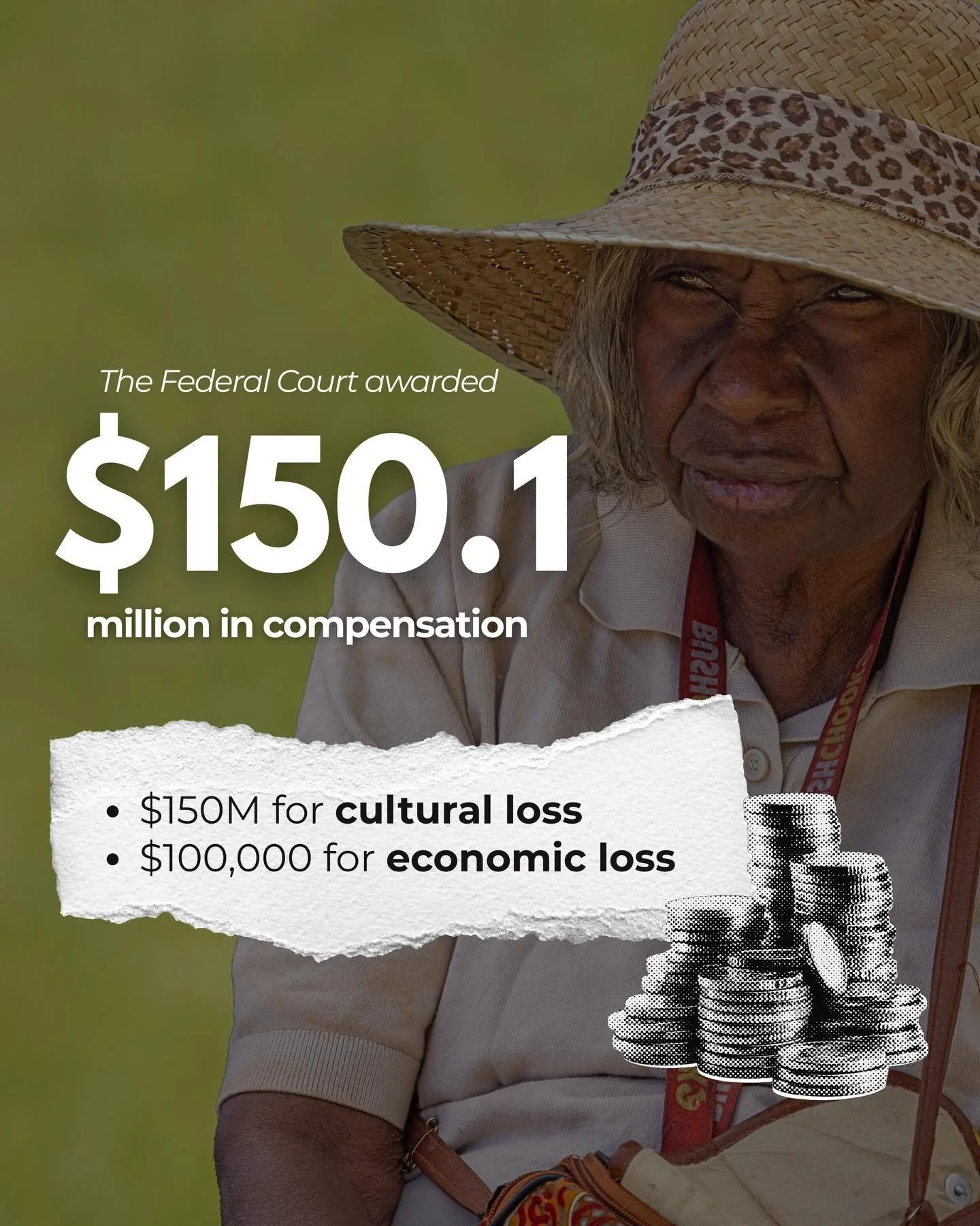
Reflecting on the recent Yindjibarndi FMG case, Mason expressed concern about the ruling's implications for Indigenous rights. She stated, "The decision highlights the ongoing struggle we face in asserting our rights against powerful corporate interests. It is a wake-up call for all Indigenous peoples to stand united and demand the respect we deserve." Mason believes that such cases underscore the urgent need for a system that genuinely empowers First Nations people rather than undermining their rights.
CONCLUSION
The voices of individuals like Pat Mason illuminate the ongoing challenges Indigenous Australians face in navigating the complexities of native title and governance. As frustrations mount against the current PBC system, it becomes increasingly clear that significant changes are necessary to ensure that First Nations people are empowered to reclaim their rights and interests. The call for reform is not just about improving governance; it is about restoring dignity and agency to communities that have long been marginalised. The upcoming march symbolises this movement towards change and empowerment.