
"Extremely frustrating": WA Coroner highlights police failure to engage interpreters in WA murder probe
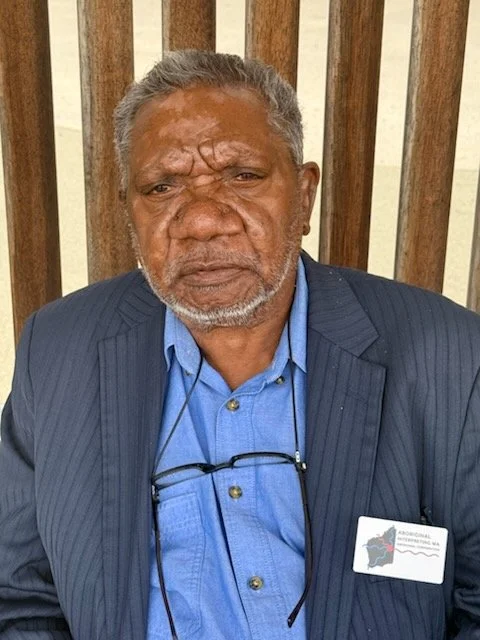
Aboriginal Interpreting Western Australia Chairman Desmond Taylor. The AIWA is still waiting for WA Police to properly engage interpreters, over a decade after the wrongful conviction of Gene Gibson for murder. Image: Supplied AIWA
BY DANIEL BURDON
The wrongful conviction of an indigenous man from a remote Kimberley community could have been avoided, had Western Australian Police heeded offers from the state’s Aboriginal interpreter service more than a decade ago.
That was a key finding in the final report of a Coronial Inquest into the murder of Broome carpenter Joshua Warneke 16 years ago which was handed down this week, a murder which led to the wrongful arrest of Aboriginal man Gene Gibson.
The Kiwirrkurra man, whose first language was Pintubi, spent five years in jail before he was acquitted in 2017, but he was not provided an interpreter during his initial interview with police despite an interpreter being available, and offered.
The Coronial Report recommended WA Police make greater efforts to ensure interpreters are engaged during investigations, including giving police better training - particularly before and during working in remote Aboriginal communities.
WA Police have said they have already implemented better training for police officers to engage Aboriginal language interpreters during their investigations.
But, after a brief peak of contacts with police during the Covid outbreak in 2020, Aboriginal Interpreting Western Australia Chief Executive Officer Deeanne Lightfoot has only seen engagement numbers drop – this year, to just seven cases.
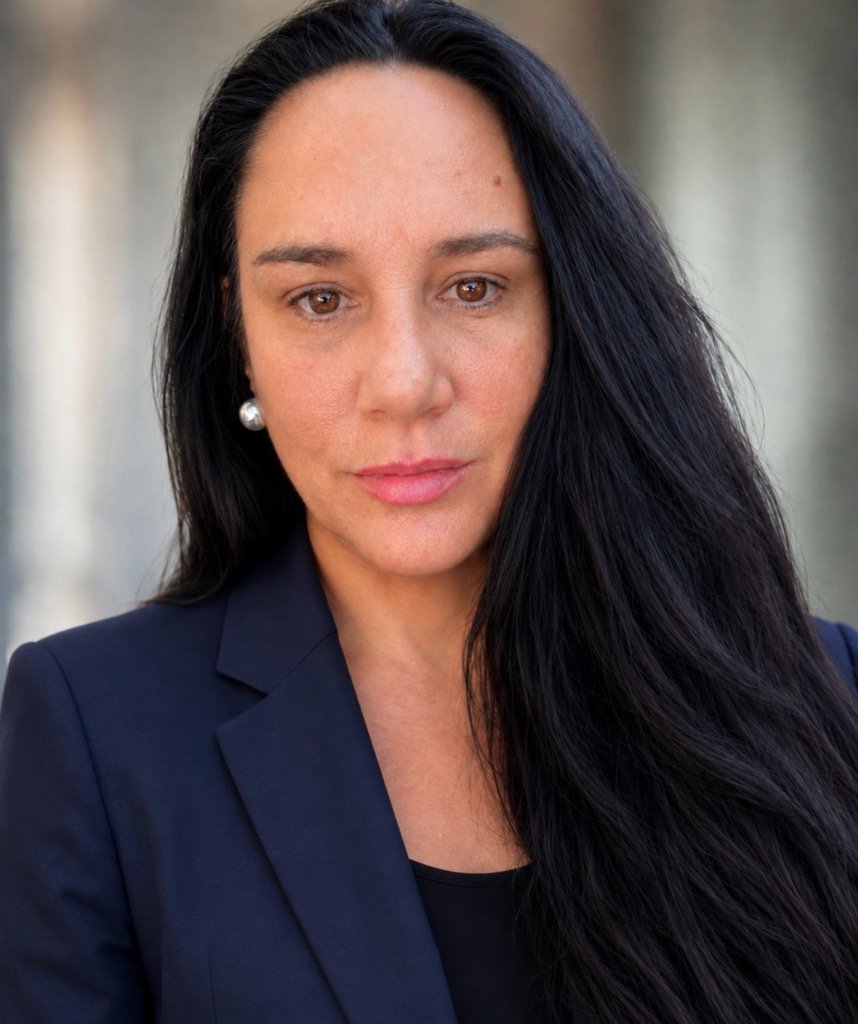
Aboriginal Interpreting Western Australia CEO Deanne Lightfoot says interpreters are ready and waiting, but WA Police are rarely using the service, despite failing to use interpreters being highlighted by the Coroner. Image: Supplied AIWA
Ngaarda Media’s Lynnese O’Donoghue spoke with Ms Lightfoot on Ngaarda Wila - our weekly national current affairs radio show – today, and the full interview is at the bottom of the article.
While Ms Lightfoot said some senior figures in the police force had pushed for greater engagement with interpreters for indigenous people, since Covid, it seemed the lessons from the investigation into Mr Warneke’s death had not yet been learnt.
She said it reflected a lack of understanding and a “lack of proper recognition of the interpreter’s role”, and despite the AIWA advocating for an interpreter for Mr Gibson, and a registered interpreter was available, police did not take up the offer.
“We also advocated for Gene Gibson to be re-interviewed with an interpreter when he was brought into custody in Broome,” she said.
“It was extremely frustrating that one of the first major engagements involving that police interview came later, through defence counsel, when the recorded police interview needed to be translated.
“In our view, that could have been avoided if an interpreter had been engaged properly at the beginning.”
A WA Police spokesperson told the ABC earlier this week that interpreter engagement was “governed by policy and was not discretionary” and that complained was reinforced through training and operational review”.
The spokesperson also said that “Where a person is unable to effectively communicate in English, they must be provided access to a professional interpreter”, and strategies had already been introduced to do.
But Ms Lightfoot remained unconvinced, telling Ngaarda Media that the falling number of engagements of police with the only statewide Aboriginal interpreter service was “deeply concerning”
“Especially when you consider the size of WA, the number of Aboriginal language speakers across the state, and the number of police interactions that occur in regional and remote communities,” she said.
“It also shows why the framing around “availability” in this inquiry is so frustrating…interpreters are available. AIWA is available.
“A 24/7 statewide service exists. Interpreters are being engaged by lawyers, courts, health services and other parts of the justice system.
“The issue is not that interpreters do not exist. The issue is that they are not being engaged early, consistently or appropriately by police.”
You can listen to the full interview with Ms Lightfoot below.