
FIRST NATIONS COMEDIAN KYLEN AMBRUM USES HUMOUR TO CHALLENGE STEREOTYPES AND CONNECT COMMUNITIES
TANGIORA HINAKI | ARTS AND CULTURE
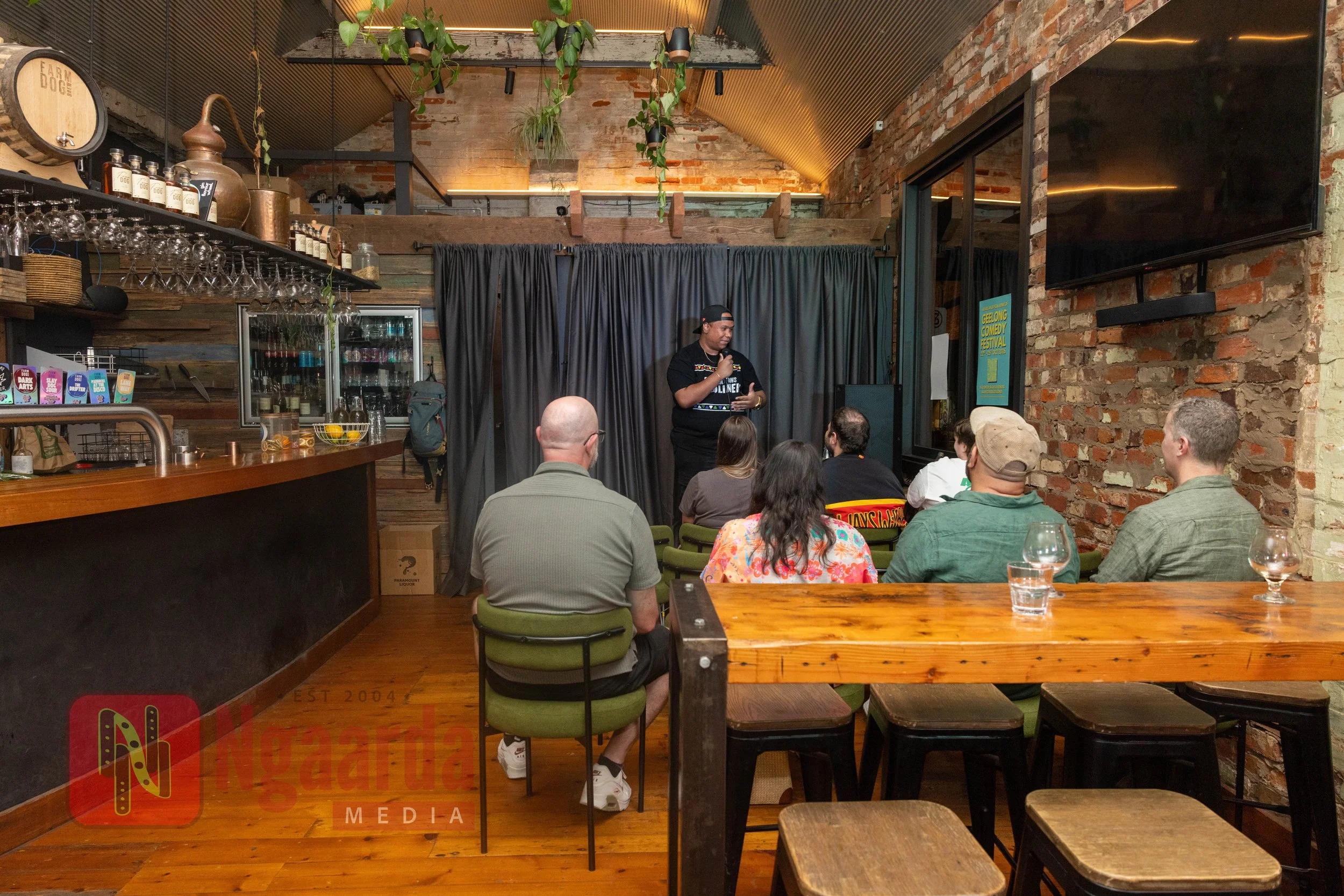
For First Nations comedian Kylen Ambrum, making people laugh comes naturally. But after eight years performing stand-up comedy, he has learned that humour can also help audiences understand Aboriginal culture, identity and difficult social issues.
A Yidinji and Biri Gubba man from North Queensland, Ambrum grew up surrounded by family members who knew how to tell a good story and make people laugh.
“Growing up with mob, we always just have a laugh,” he told Ngaarda Media.
“A lot of my uncles and siblings are very funny, so I think it just goes along with the environment you grow up in.”
Ambrum began performing stand-up comedy at 19, entering the Melbourne International Comedy Festival's Deadly Funny competition in 2018.
He taught himself how to write jokes by watching established comedians, studying performances online and learning how to turn everyday experiences into material.
His early routines focused on growing up Aboriginal, including the frustration of people struggling to pronounce his name.
“My name is, even though it's five letters, two syllables, Kylen. People found it hard to pronounce or hard to remember,” he said.
“So I always found that a funny observation as well.”
Finding humour in difficult conversations
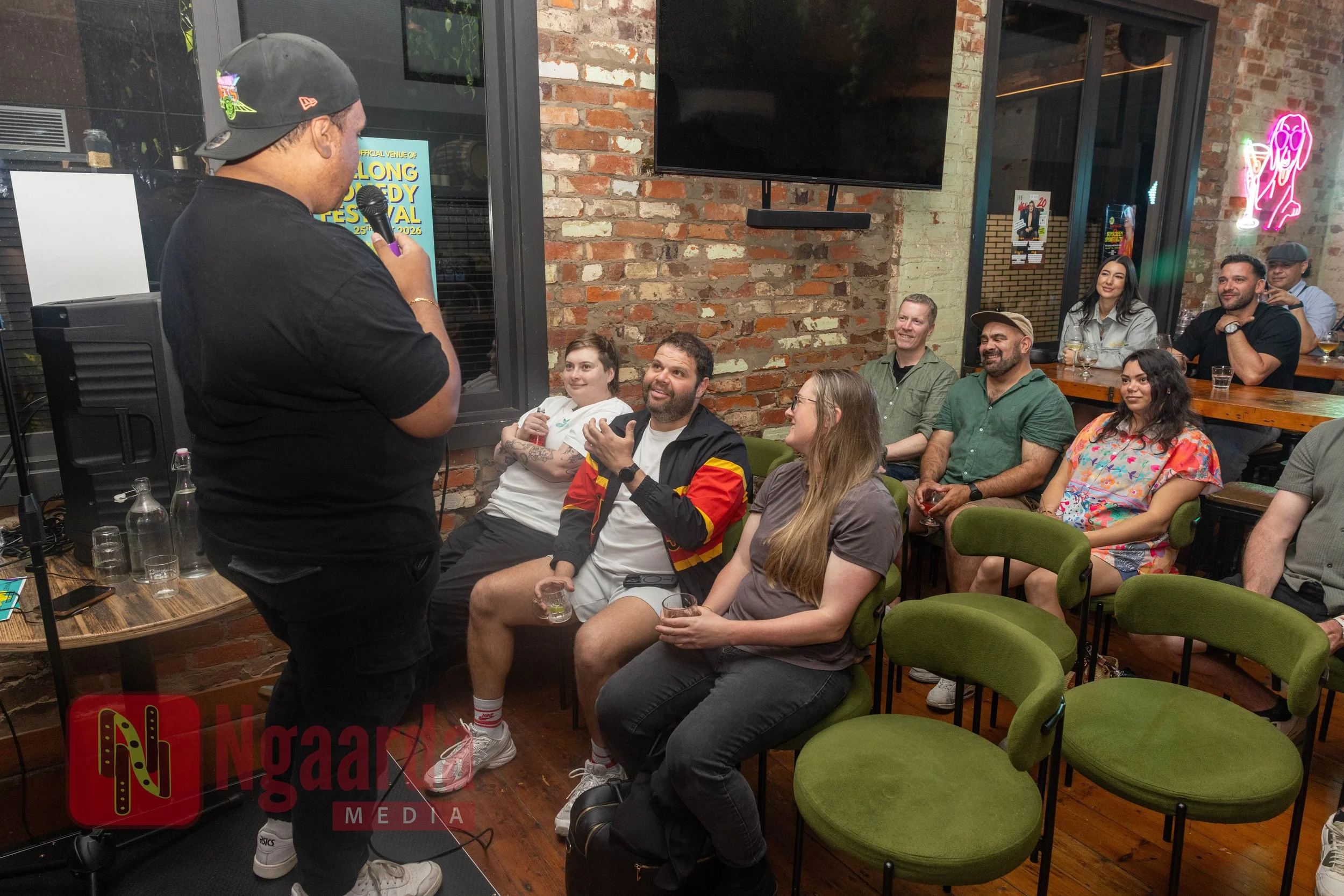
As his career developed, Ambrum began exploring how comedy could challenge assumptions and introduce audiences to different First Nations perspectives.
He said humour could make political and social issues easier to discuss without losing the seriousness of the message.
“They might see a perspective that I get to hear a lot, or the side that they don't get to hear from,” he said.
“You know, help change narratives, and I think that's the power of comedy as well.”
Ambrum credits fellow comedian Leon Filewood, a Torres Strait Islander performer who won Deadly Funny in 2018, with helping shape his approach.
He said Filewood showed him how comedians could approach difficult subjects while creating opportunities for audiences to learn.
“You can actually bring a rough topic, and then wrap it up with humour,” he said.
“Share it with the audience without it being an uncomfortable experience, but like a wonderful shared experience and learning.”
Connecting with audiences across Australia
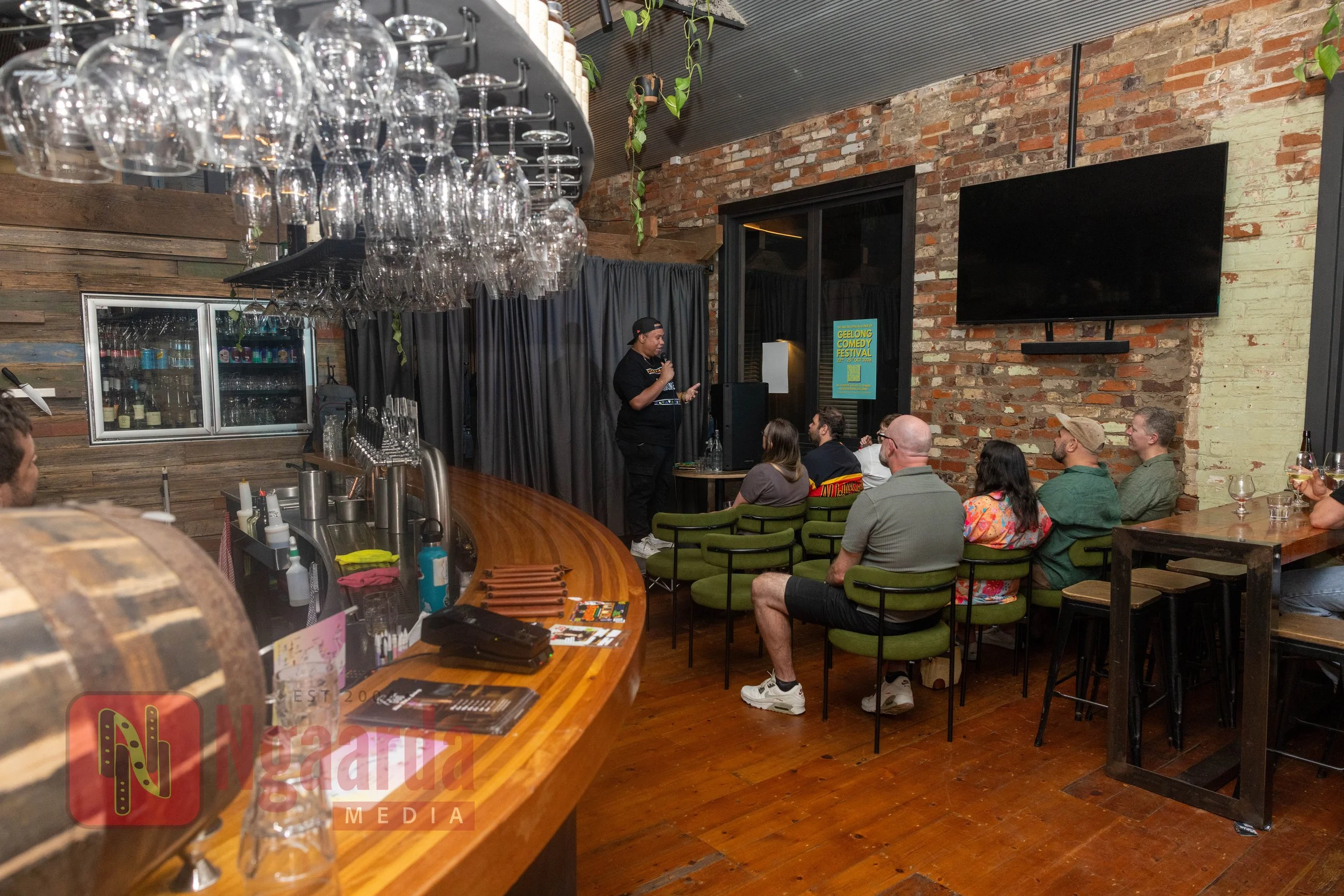
Stand-up comedy has taken Ambrum from North Queensland to communities across Australia, including Perth, Tennant Creek, Darwin, Alice Springs and Broome.
He said Aboriginal audiences often share similar experiences, but understanding local language and humour makes a difference.
“If you can translate what you're saying, I think the feeling and emotions are kind of the same from community to community,” he said.
While performing in Broome, Ambrum became interested in the local expressions and accents, particularly the way people say “what now?”
He said spending time with comedians and audiences from different communities had helped him understand which jokes connected and which topics required greater care.
The growing number of First Nations comedians also gives performers opportunities to exchange ideas, learn local references and bring different cultural experiences to the stage.
When the comedian isn't having a good day
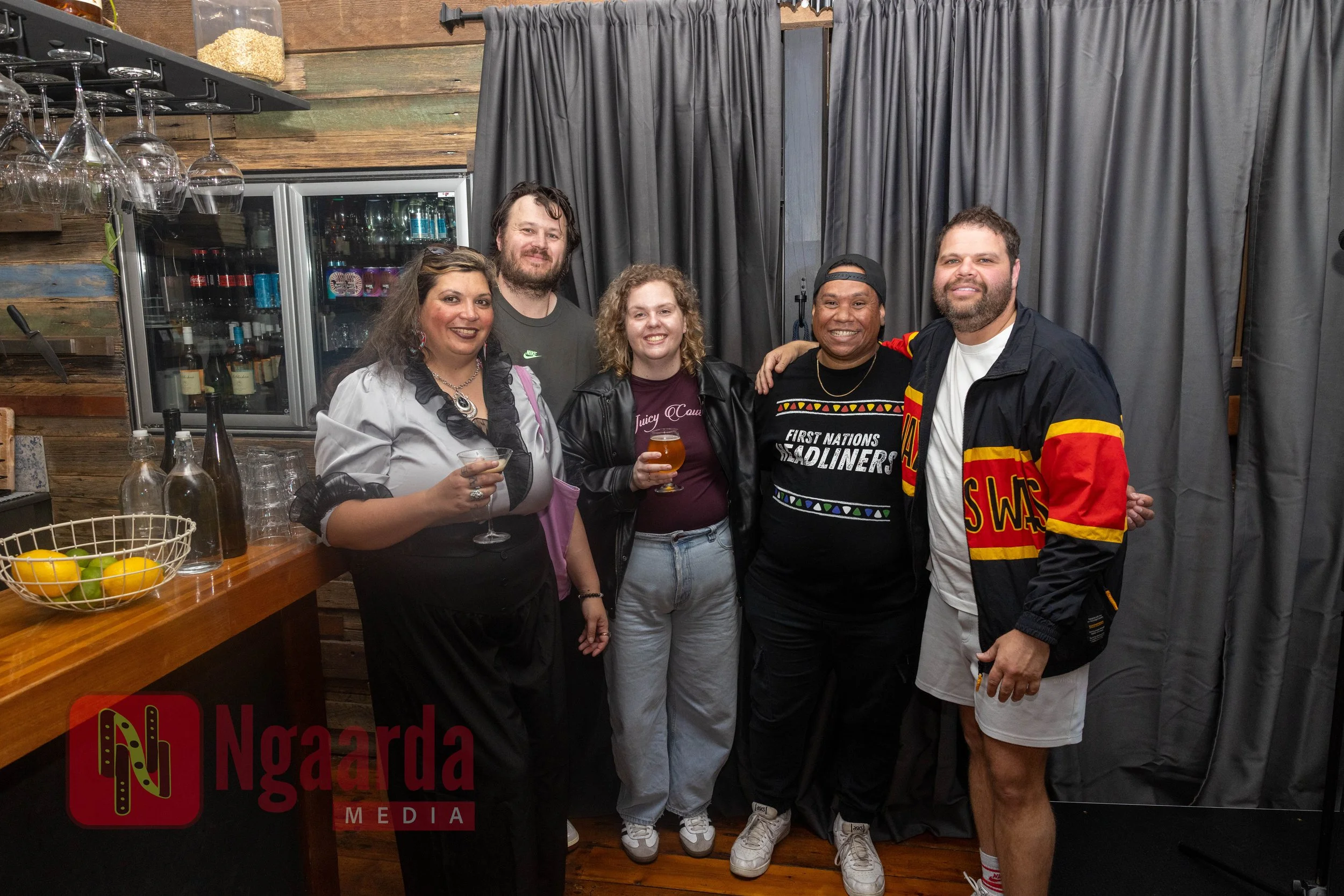
Despite his love of performing, Ambrum said one of his biggest challenges was getting on stage when dealing with personal difficulties.
He said audiences sometimes expected comedians to be funny regardless of what was happening in their personal lives.
But rather than pretending everything was fine, he had learned that honesty could create a stronger connection.
“You can be honest on stage with the audience. It's like, I'm not having my best day, but let's just create a good moment together,” he said.
“I think that's what makes it special.”
Eight years after his first comedy competition, Ambrum continues to use stories from his own life and experiences with Aboriginal communities to shape his performances.
For him, the laughter matters, but so does giving audiences an opportunity to hear a different point of view.