
‘WE ARE NOT THE ENEMY’: YINDJIBARNDI DISAPPOINTED BY FORTESCUE APPEAL TO NATIVE TITLE RULING
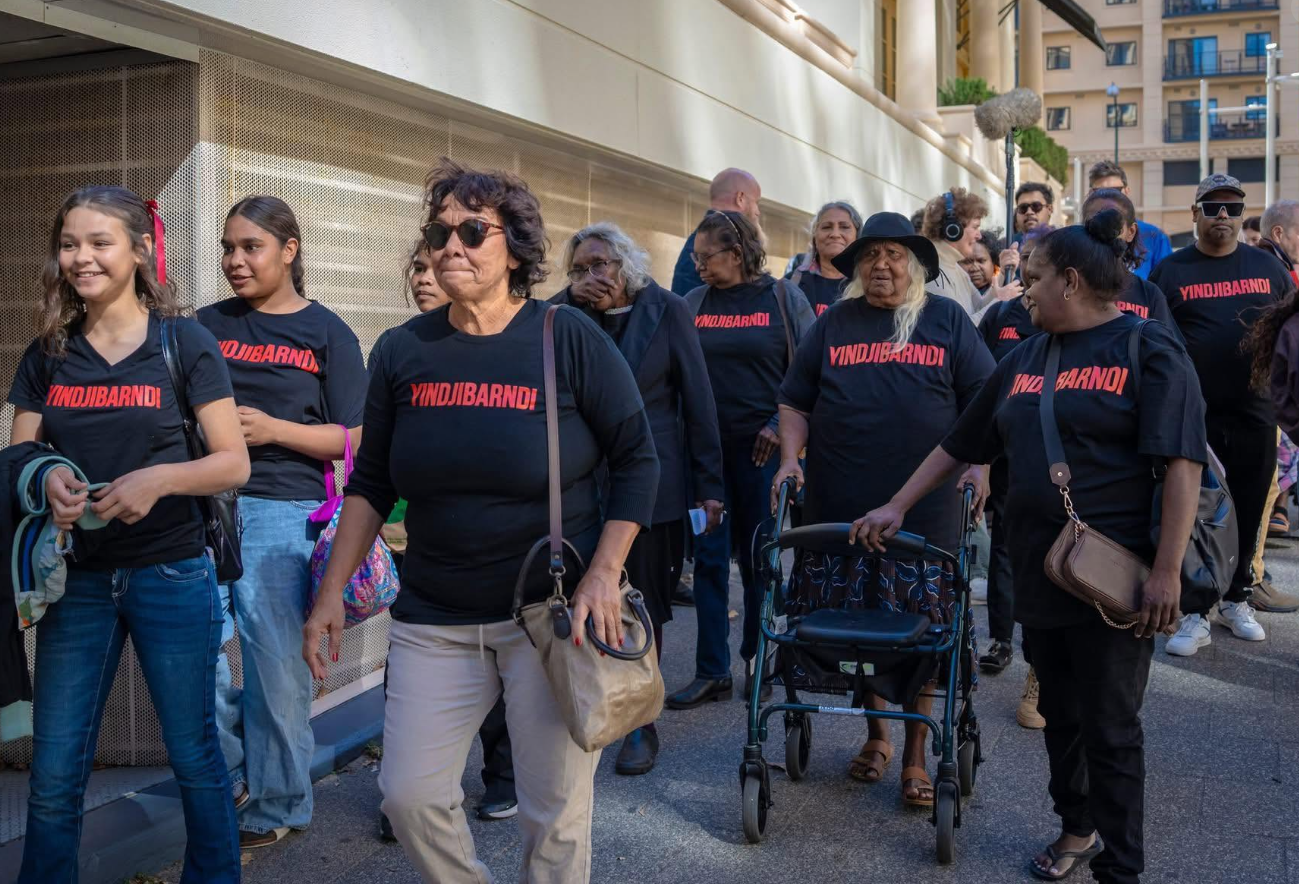
Yindjibarndi Traditional Owners say they will continue fighting for their native title rights after Fortescue and the Western Australian Government lodged separate appeals to a landmark $150 million compensation award over mining on Yindjibarndi Country.
Yindjibarndi Group chief executive Michael Woodley said he was disappointed, but not surprised, that Fortescue had joined the legal challenge, which the Yindjibarndi are also appealing, in a bid to secure funding equivalent to royalties paid by other miners to Native Title holders.
“It confirms what we already know, which is that sadly we have to continue to fight for our rights,” Mr Woodley told Ngaarda Media.
“You either respect First Nations or you don’t.”
The Federal Court delivered its judgment in May following a long-running compensation case over Fortescue’s Solomon mining operations on Yindjibarndi exclusive native title land in the Pilbara.
Final orders issued on July 1 required Fortescue to pay $150 million for cultural loss, $136,757 for economic loss and $217,152 in compound interest on the economic loss award — taking the total to more than $150.3 million.
The court found extensive damage had been caused to Yindjibarndi cultural heritage through the development of the Solomon Hub, including 124 heritage places that were destroyed.
Fortescue has been mining on Yindjibarndi exclusive native title land since 2012 without an Indigenous Land Use Agreement with the Yindjibarndi Ngurra Aboriginal Corporation (YNAC).
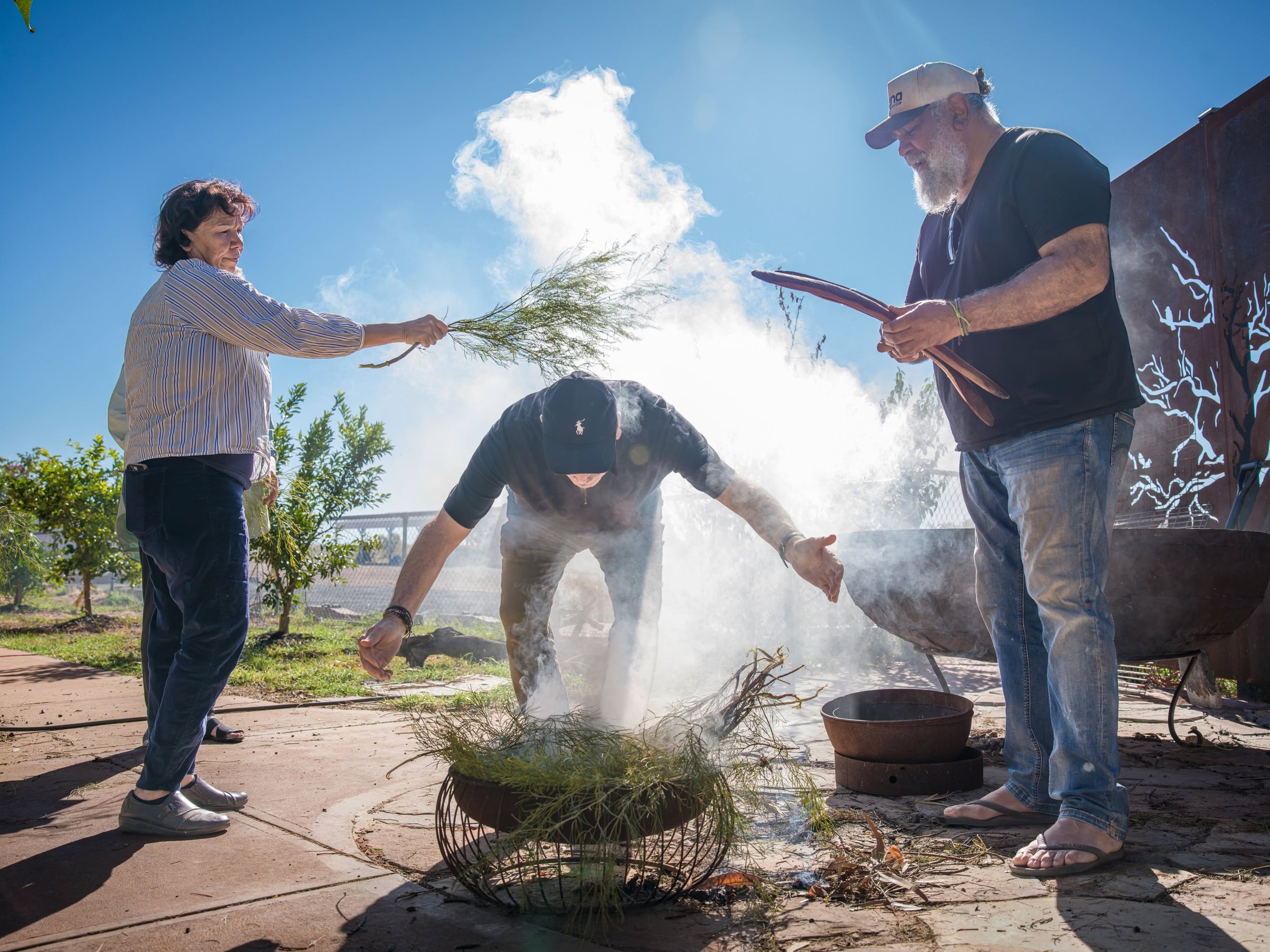
‘We have to continue to fight for our rights’
Mr Woodley said the latest action was part of a dispute that had stretched for almost two decades.
“I’m not surprised by it,” he said.
“This is obviously something that FMG have been opposing for a long, long time, since the establishment of the mining operation on our Country.”
Mr Woodley said Yindjibarndi people believed the compensation remained well below what would ordinarily be expected from a commercial mining agreement in the Pilbara.
“When someone doesn’t want to do the right thing by entering into an agreement openly, freely and willingly, and they oppose you for the better half of 15 years, then get forced to do it by a court … it confirms what we already know,” he said.
“Sadly, we have to continue to fight for our rights.”
During the original case, YNAC sought about $1.8 billion in compensation.
Fortescue argued compensation should be limited to approximately $8.1 million, while the State contended the appropriate amount was between about $5 million and $10 million.
YNAC has now lodged its own appeal, challenging the Federal Court’s approach to both economic and cultural loss.
The corporation wants the Full Court to reconsider the rejection of a royalty-based approach to calculating economic loss, as well as findings relating to cultural loss and social division within the Yindjibarndi community.
Mr Woodley said the appeal was ultimately about achieving what Yindjibarndi people considered fair compensation for mining conducted without their consent.
“What we put forward [is] a fair compensation award to the Yindjibarndi people for mining on our Country without our consent,” he said.
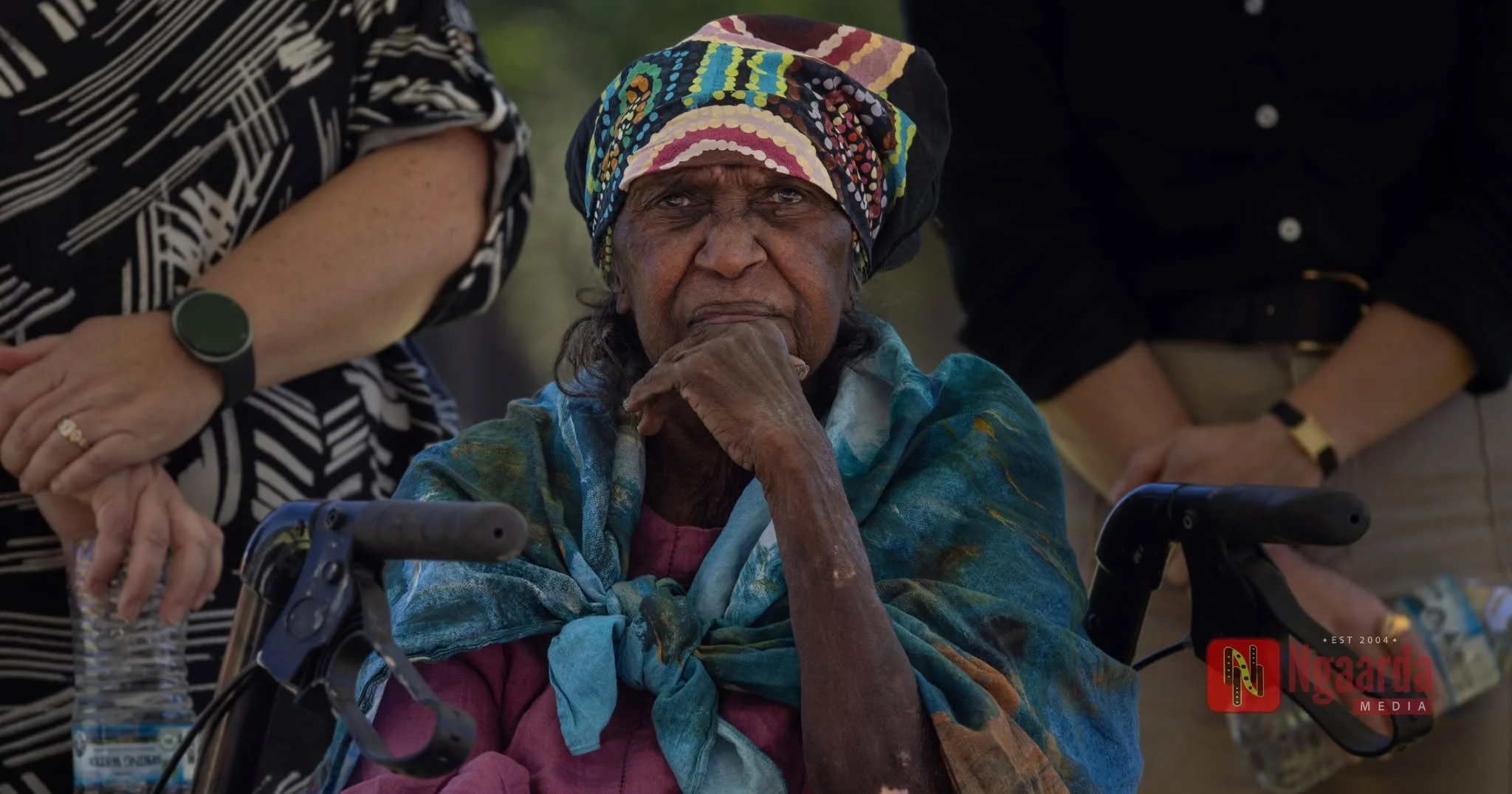
‘You either respect First Nations or you don’t’
Mr Woodley said the case went beyond the dollar value attached to the loss.
He said mining had caused damage to Yindjibarndi people’s relationship with Country that could not simply be restored once the mining ended.
“You either respect First Nations or you don’t,” he said.
“On one hand you can publicly say that you respect First Nations people, but on the other hand you are not willing to make the right decision.
“Moving forward, it’s about doing the right thing.”
Mr Woodley said compensation needed to recognise not only the physical impact of mining but the loss of cultural and spiritual connection to Country.
“Mining activities … not only destroy our Country and exploit our Country, but it takes away a large part of our connection to our Country, a large part of our cultural and spiritual connection to our Country,” he said.
“Those things can’t be repaired.
“It takes generations.”
YNAC has also expressed disappointment that both Fortescue and the State are seeking to challenge the level of compensation.
In its appeal, the State has described the $150 million cultural loss award as “manifestly excessive”.
WA Attorney-General Tony Buti previously said the Government was seeking “clarity on the law” to assist future native title negotiations and settlements across Western Australia.
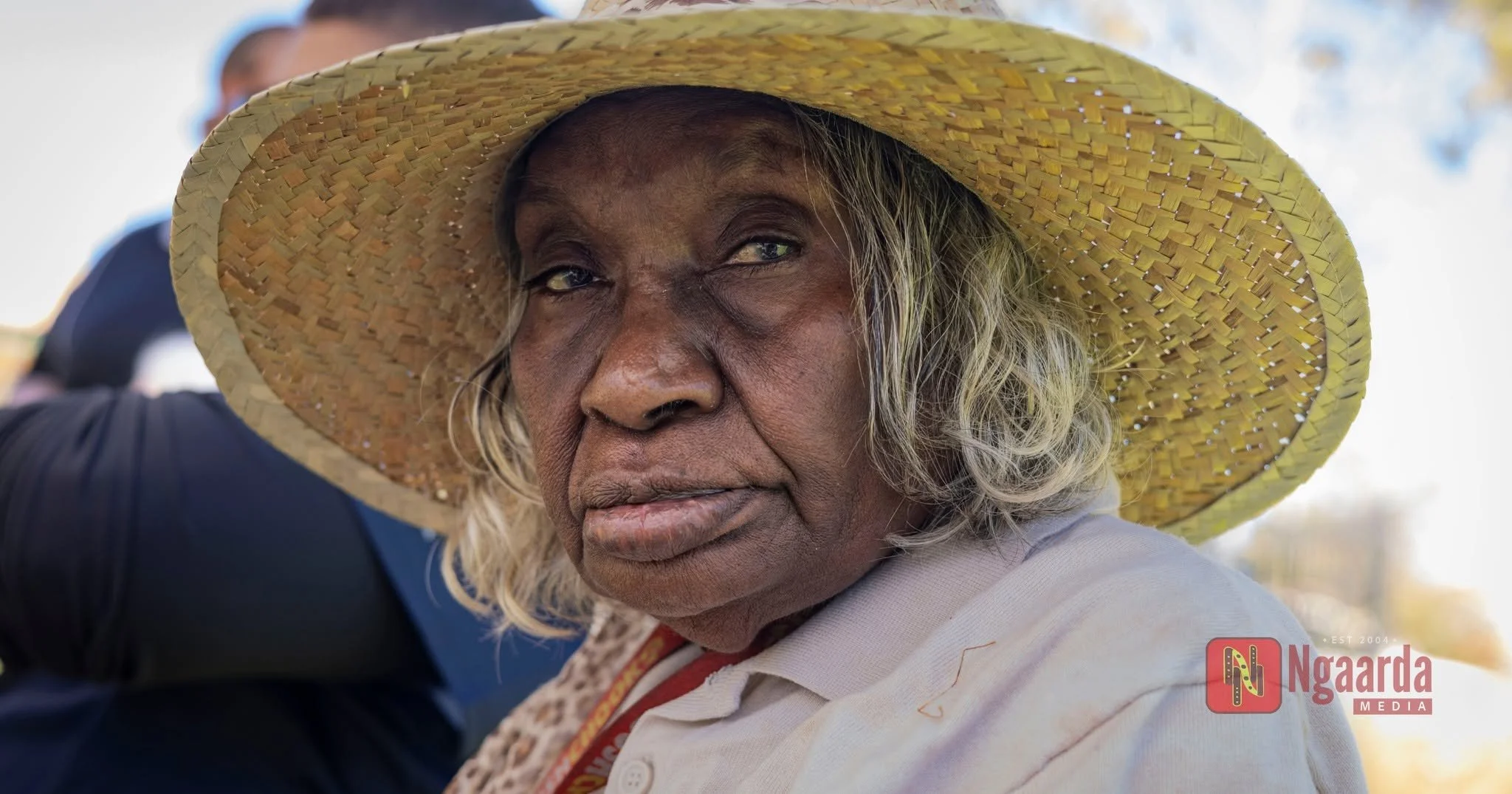
Fortescue says it must protect its legal position
Fortescue says its cross-appeal was filed after YNAC and the State Government lodged their own appeals.
The company said it had paid the full compensation award shortly after the Federal Court made its final orders.
“Fortescue has always wanted to resolve this long-running dispute,” a company spokesperson said.
“We paid the full compensation award within 24 hours because we wanted the money to reach the Yindjibarndi community as quickly as possible.”
The company said the payment did not end the legal proceedings once YNAC and the State decided to appeal.
“With the case now before the courts again, Fortescue needs to respond and protect its own legal position,” the spokesperson said.
“Our cross-appeal restates positions we put forward at trial and seeks clarity on aspects of the judgment that we believe are inconsistent with existing legal principles and precedent.”
Fortescue said it remained committed to resolving the dispute and maintaining a constructive relationship with Yindjibarndi people. Its earlier statement following the original judgment said it accepted that the Yindjibarndi people were entitled to compensation.
Three sides now challenging decision
The dispute has now resulted in three separate challenges to aspects of the Federal Court decision.
YNAC is seeking a different assessment of its economic and cultural losses, while the State and Fortescue are challenging aspects of the compensation awarded.
YNAC’s notice of appeal was filed on August 25 and the State lodged its appeal the following day.
Mr Woodley said Yindjibarndi people would continue pursuing what they believed was fair recognition of the impact mining had had on their Country and culture.
“What we are asking for is not beyond what is considered mining commitment to First Nations on mining activities,” he said.
“It’s about doing the right thing.”
A date for the appeals to be heard has not yet been set.