
KIMBERLEY WOMEN’S VOICES RISE FROM COUNTRY TO THE UNITED NATIONS
BY LYNNESE O’DONOGHUE
Nyul Nyul and Balangarra woman Savannah Victor has helped carry the voices of Kimberley women onto the international stage, raising concerns about family violence, cultural protection and the threat artificial intelligence poses to Indigenous knowledge.
Ms Victor travelled to Geneva, Switzerland, as part of a delegation representing the Kimberley Aboriginal Women’s Council and its Nurturing Spirits Alliance at the United Nations Expert Mechanism on the Rights of Indigenous Peoples.
The delegation included Aboriginal women representing communities and women’s organisations from across the Kimberley.
The women travelled to deliver formal statements covering the implementation of Indigenous rights, the protection and revival of Indigenous languages, and the effect of artificial intelligence on Indigenous culture, knowledge, art and heritage.
Ms Victor said the women brought different forms of leadership and lived experience to Geneva, but were united by a shared responsibility.
“Each of us brings some our own selected leadership,” she said.
“There’s lots of lived experience between us, but we all have a common thread, and that’s to be the voice of the Kimberley — to elevate our women in the Kimberley and our voices.
“That’s something that we all share, that responsibility of coming and representing the women of the Kimberley, representing our mob and being the drive for change.”
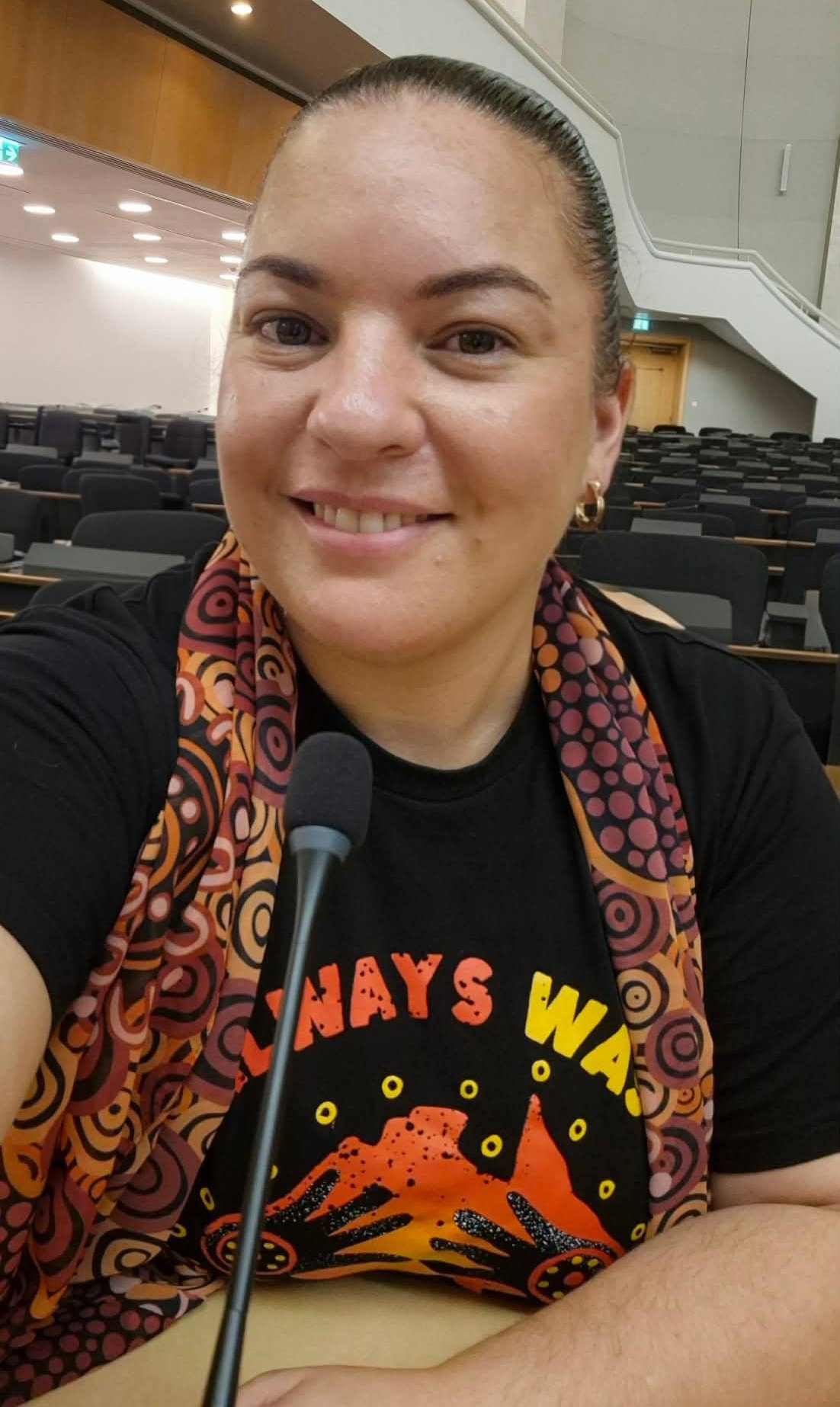
Savannah Victor, UN Delegate from KAWC
Representing mob on the international stage
Ms Victor is the chair of the newly established Marnja Jarndu Women’s Corporation in Rubibi, Broome.
The organisation is part of the Nurturing Spirits Alliance, which Ms Victor said brought together representatives from towns and communities across the Kimberley through the Kimberley Aboriginal Women’s Council.
Ms Victor became involved with the council after participating in one of its Aboriginal women’s leadership roundtables.
She said discussions at the gathering identified a need for an Indigenous women’s organisation based in Broome, leading to the establishment of Mandu Jandu Women’s Corporation.
The Kimberley Aboriginal Women’s Council grew from regional women’s gatherings that began in 2018, when women from the Kimberley and Pilbara worked together to organise the North West Aboriginal Women’s Leadership Conference in Broome.
The council now supports collective advocacy, leadership pathways and Aboriginal-led responses to issues affecting women, children and families across the region.
Ms Victor said travelling to Geneva was the first overseas experience for most of the delegation.
While the women had time to explore, laugh and strengthen their relationships, she said they remained focused on the reason they had travelled so far.
“When it came down to the crunch, we were zoned in,” she said.
“We knew what we were here to do. This was our purpose.
“We where together, united in our goals, we as kimberly women always have fun and a laugh together, but when it came down to it, we were like, ‘Yep, this is what we’ve come to do, and we’re going to deliver.’”
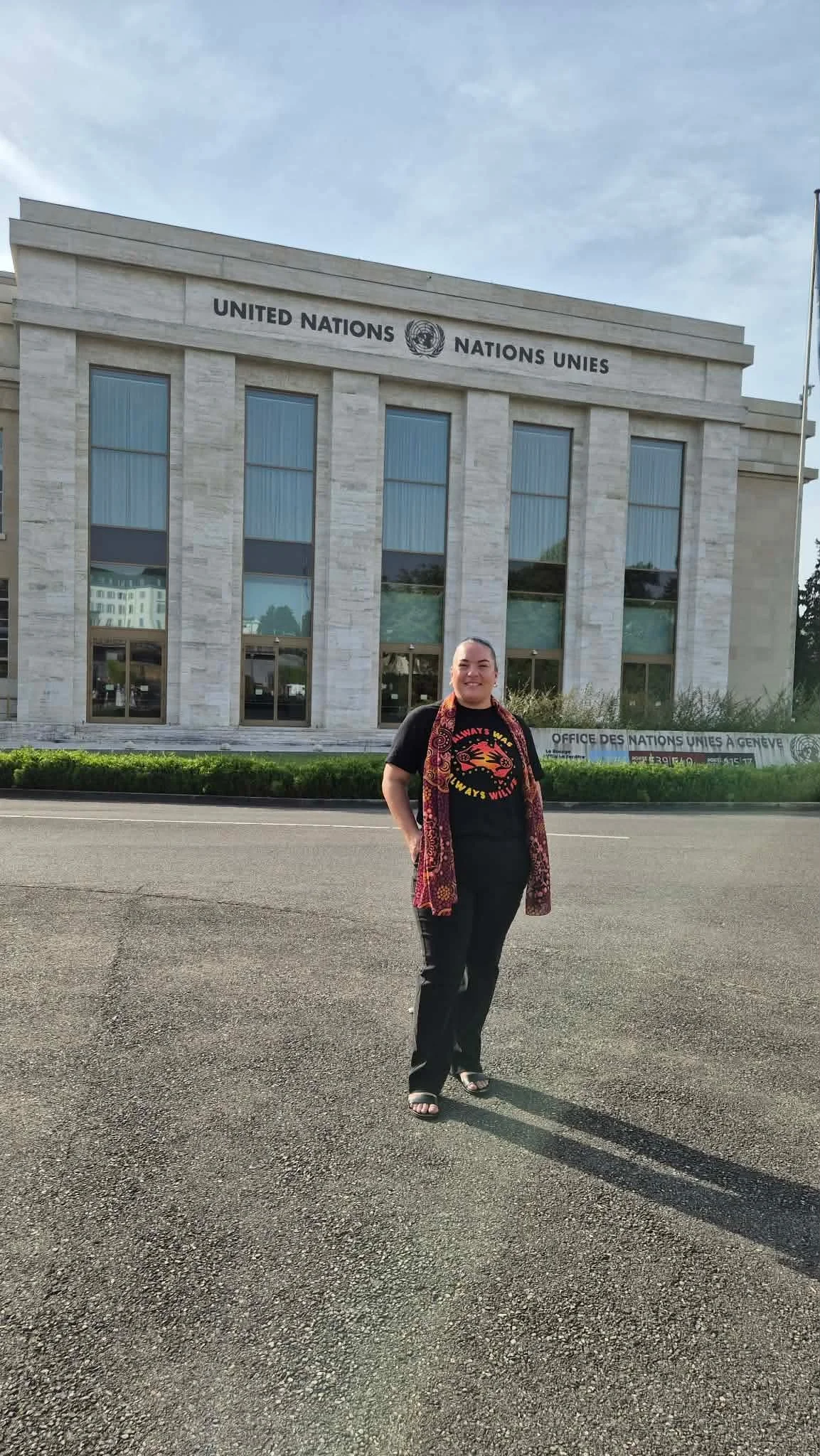
Savannah Victor in front of the UN Building in Geneva, Switzerland
Protecting ancestral intelligence
Ms Victor addressed the United Nations on the risks artificial intelligence could pose to Indigenous culture, particularly when Aboriginal art, stories and cultural expressions are reproduced without consent or respect for cultural protocols.
She said the delegation wanted global decision-makers to recognise that artificial intelligence was not the only form of intelligence that mattered.
“We also do have another intelligence — our ancestral intelligence,”
“We do have a lot of artists and we do have a lot of culture and story.
“We wanted our voices sitting up there as well with the topics that the UN are speaking on.”
Artificial intelligence was among the issues considered during the Expert Mechanism session, alongside the implementation of Indigenous rights and the experiences of Indigenous peoples affected by conflict and violence.
Ms Victor said Aboriginal stories, paintings, songs and cultural practices carried histories that had been passed down for thousands of years.
“For us Indigenous mob, the way that we document our history is through our stories, through our painting and through our song,” she said.
“That needs to be protected for our future generations.
“It’s a connection to who we are. It’s a connection to our Country.”
She said those knowledge systems needed to remain in the hands of Indigenous people and be respected as living cultural inheritance rather than material that could be copied or commercialised without permission.
“Our future generations are the ones who are going to have to carry the legacy of our ancestors,” she said.
“I think it’s very important for us to have our say in these conversations, particularly around the world and on a global level.”
Family violence central to delegation
While Ms Victor’s intervention focused on artificial intelligence and cultural protection, she said the broader purpose of the delegation was to elevate the voices of Kimberley women, particularly those affected by family and domestic violence.
Before travelling to Geneva, the Kimberley Aboriginal Women’s Council said the delegation would draw attention to the high rates of violence experienced by Aboriginal women in the region and advocate for the rights of Indigenous women and girls.
Ms Victor said the Kimberley continued to experience serious social challenges, including family violence and the removal of Aboriginal children from their families.
She hoped the delegation’s statements would influence international reports and recommendations while also providing hope to women and children at home.
“There’s hope for our Kimberley women, there’s hope for our children and there’s hope for our next generation,” she said.
“There are some of us out there making a mark in the world and making sure that our voices are being elevated.”
Ms Victor said she was proud to stand alongside Kimberley women who were working for change in their communities.
“We have these leaders in our communities — strong, strong women who are leading the way and making sure our voices are being heard at the highest level,” she said.
“Our children deserve to be free in their own Country.”
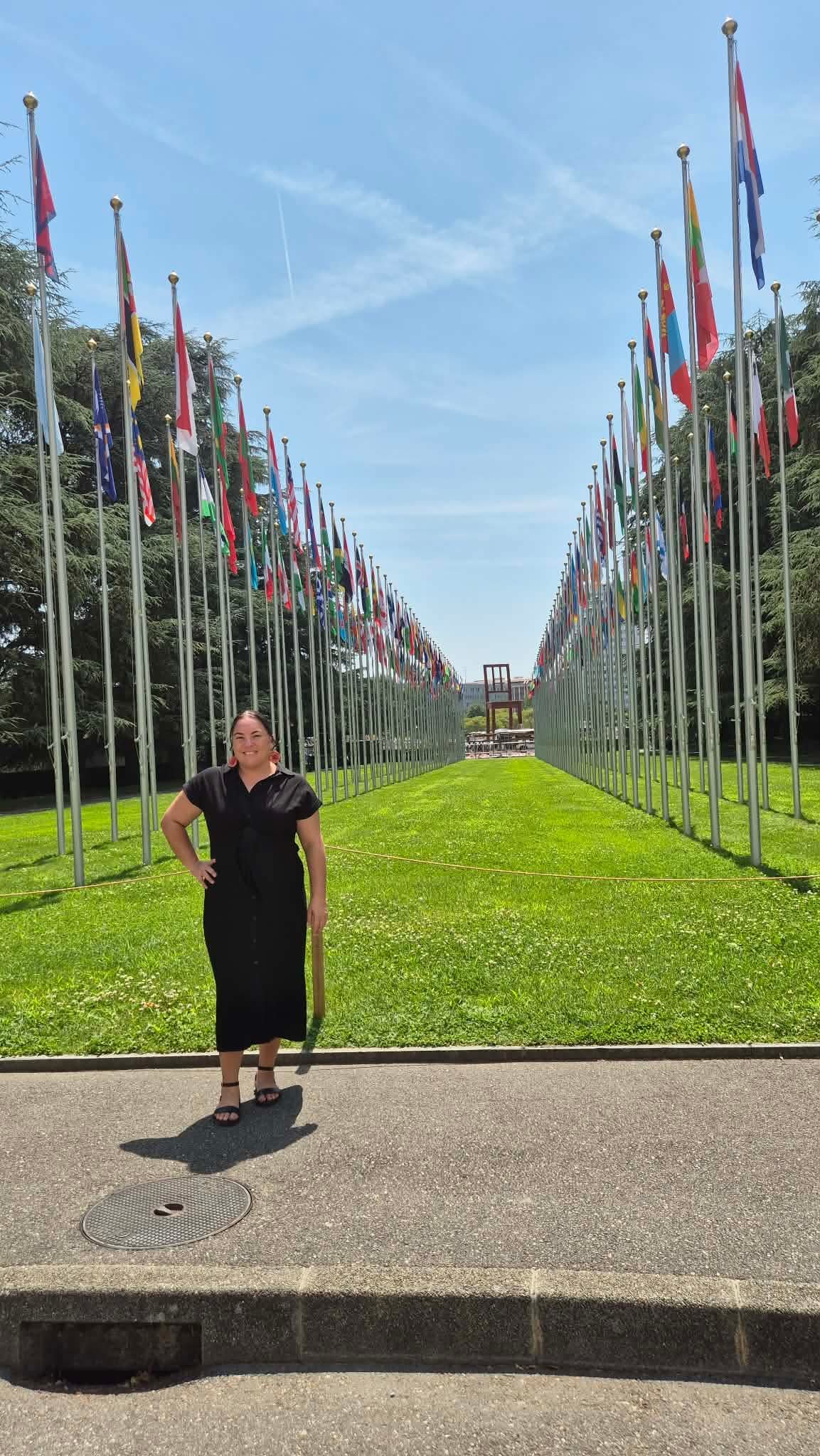
Savannah Victor, UN Delegate. KAWC
‘I’m just the messenger’
Ms Victor said she managed the pressure of addressing the international forum by reminding herself that she was not speaking only for herself.
“I’m not here for me. It was never about me,” she said.
“I came to represent my mob, and I came to represent where I come from and be that voice.
“I’m just the messenger, really. I’m here to bring the issues from home to a space where they can be heard and where change can happen.”
She said she carried her community, family and ancestors with her as she spoke.
“I had all my people, all my family, all my mob from home and my ancestors,” she said.
“They all spoke through me.”
Ms Victor also credited the other Kimberley women who sat alongside her during the address.
“I wasn’t alone,” she said.
“I was with strong women from the Kimberley, hearing them give their addresses moved me, and just having them sit next to me while I stood up for our mob was so incredible.”
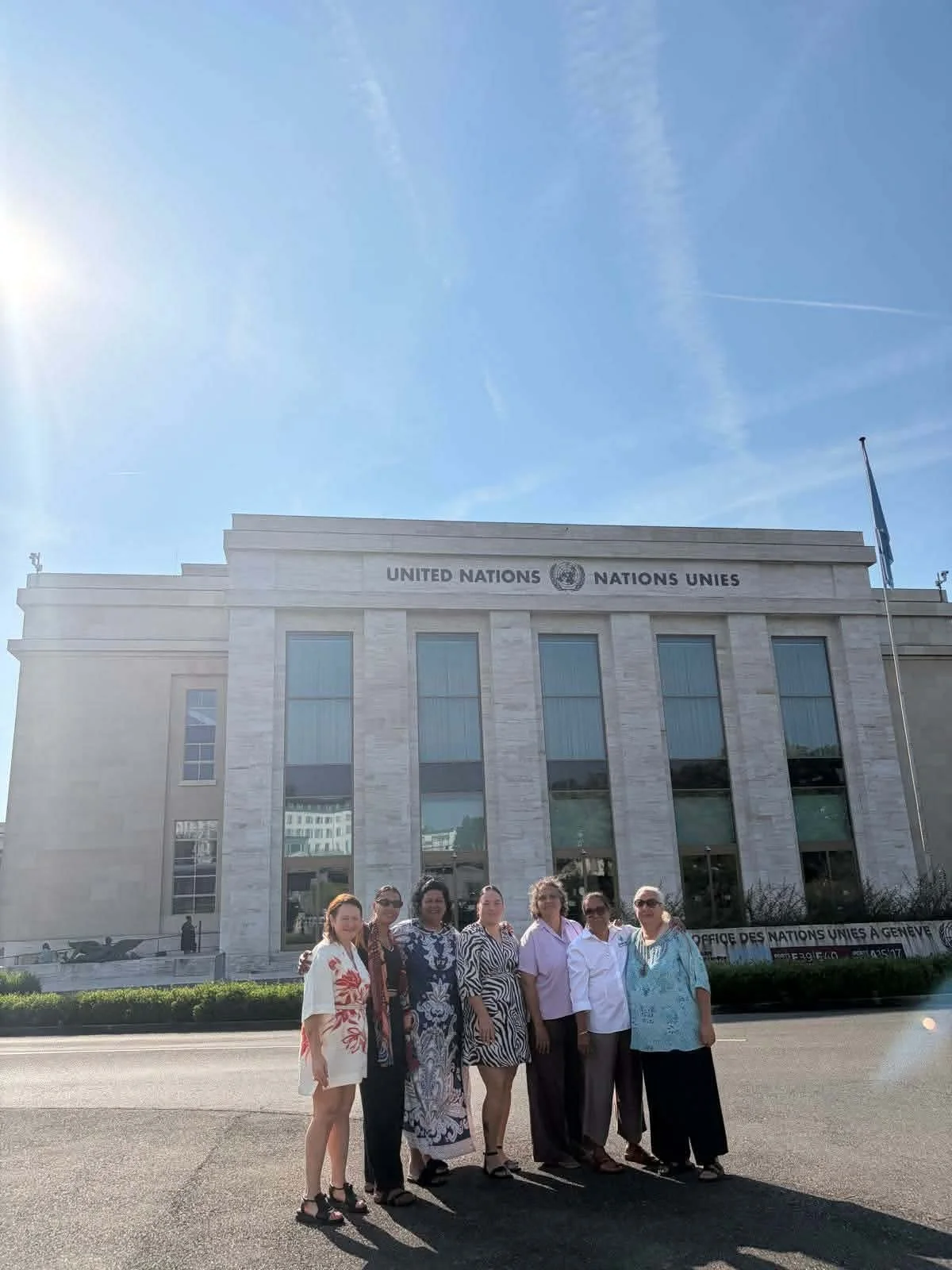
KAWC Delegates, Strong Women together and united
Work continues at home
Outside her advocacy with the Kimberley Aboriginal Women’s Council, Ms Victor is a solo mother of three, a women’s empowerment coach and an online business mentor.
She runs empowerment and leadership workshops, on-Country retreats and programs supporting women to build businesses and create sources of online income.
She is also a writer and public speaker.
Following her appearance in Geneva, Ms Victor said her work was only beginning.
“I’m here on a mission,” she said.
“I’m here to change the world, and I say that with conviction because it’s what I know in my heart.
“If I can change the perspective of one person, and that’s a step closer to changing the world, then that’s what I’m going to do.”
She said the delegation showed what could happen when Aboriginal women were supported to take their knowledge and lived experience into influential spaces.
“The women have always been the backbones of the community,” she said.
“If you get opportunities where our voices can be elevated, take every chance that you can get.
“If it means creating change for our future, why not do it?”
Watch the 3rd Meeting of the 19th EMRIP Session
The Kimberley Aboriginal Women’s Council statement runs for about two minutes and discusses AI reproducing Aboriginal artworks, digital colonisation and protecting ancestral intelligence
https://webtv.un.org/en/asset/k1l/k1lfp5n3y7
This statement focuses on violence, child removal, justice barriers and the need to empower Kimberley Aboriginal women and girls.