
NATIONAL COMMISSIONER CONDEMNS CHILD PROTECTION FAILURES AFTER DEATH OF ABORIGINAL TODDLER
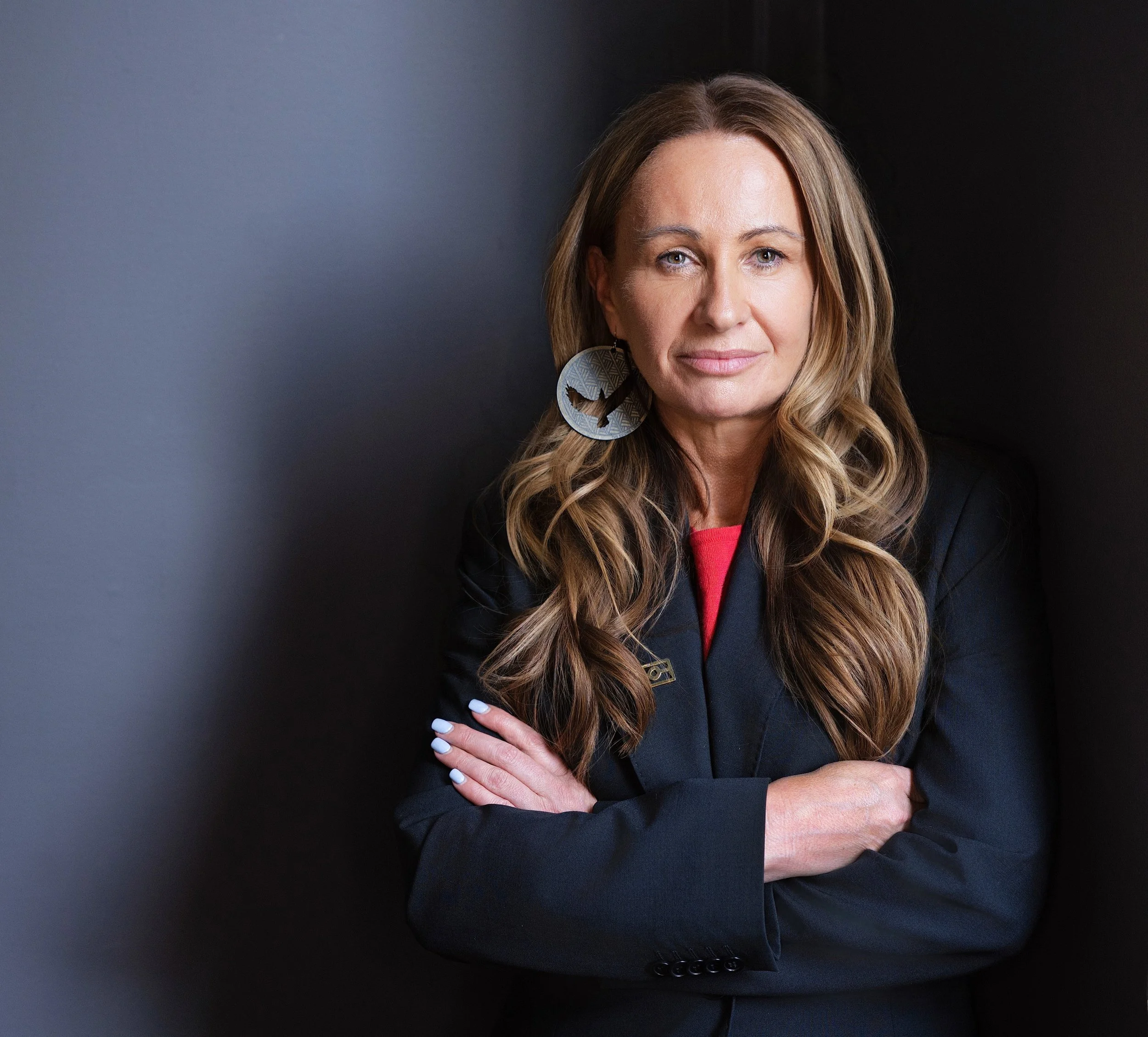
National Commissioner for Aboriginal and Torres Strait Islander Children Sue Anne Hunter. Image Supplied.
By Katherine Glass
Australia's first National Commissioner for Aboriginal and Torres Strait Islander Children has criticised an independent review into child protection failures in the Northern Territory, warning that Aboriginal voices and the broader systems responsible for children's safety have been overlooked.
National Commissioner Sue-Anne Hunter says an independent review following the death of an Aboriginal toddler in the Northern Territory has failed to adequately examine the systemic issues affecting vulnerable children and families.
Speaking to Ngaarda Media’s Robyn Marais, Commissioner Hunter said the review focused too narrowly on child protection and did not properly examine the role of policing, housing, health and education.
"The report only actually looks at child protection. It doesn't actually look at the systems that are around it," she said.
"So you can't have one without the other because otherwise again you're working in silos. All these systems interact."
The 62-page report contains 45 recommendations, but Commissioner Hunter says it does not adequately represent Aboriginal perspectives or the importance of cultural identity and kinship in protecting children.
Aboriginal voices missing from review
Commissioner Hunter raised concerns that Aboriginal organisations had been interviewed during the review process, but their perspectives were not adequately reflected in the final report.
She said the exclusion of those voices undermined efforts to understand how child protection systems could better support Aboriginal families.
"I think you cannot do a review around an Aboriginal child or an Aboriginal family without taking the identity of them into consideration and their culture, their connection to family, kin, and country," she said.
"The identity of a people makes up who they are and how that system responds to Aboriginal Torres Strait Islander families, children and young people is so important and if you're not taking that into consideration, then you're actually getting it wrong."
Commissioner Hunter said Aboriginal community-controlled organisations were well placed to identify shortcomings in child protection services and help develop solutions.
She argued their involvement should extend beyond consultation to genuine participation in shaping recommendations.
Safety plan never implemented
Commissioner Hunter also raised concerns about the department's response to the family before the child's death.
She said the review documented repeated notifications to child protection authorities and a safety plan that was never implemented.
"So, a plan was done, but it was never implemented, and it was left to a mother who was in the midst of family violence to protect her children without any help from the department," she said.
Commissioner Hunter stressed that the review of child protection failures and the circumstances surrounding the child's death were separate matters.
She said the child protection system should have provided greater support to a mother seeking to keep her children safe.
The Commissioner also raised concerns about publishing sensitive information about the family's interactions with child protection authorities.
Staffing shortages raise accountability questions
The interview also examined serious staffing shortages within the Northern Territory's child protection system, including a reported 40 per cent vacancy rate in an Alice Springs team.
Commissioner Hunter, a qualified social worker, said frontline staff were often left carrying responsibility for failures that extended to senior decision-makers.
"I think when you are understaffed and overworked and trying to protect children, it always falls on the worker," she said.
"It should fall up the line to the people that make the bigger decisions."
She called for governments to ensure child protection services were adequately staffed with qualified and appropriately trained workers.
Culture must be recognised as protection
Commissioner Hunter said maintaining connections to culture, Country and kinship was an important protective factor for Aboriginal children.
She rejected approaches that treated cultural identity as separate from children's safety.
"And it's actually a protective factor if you're working with it and if you're working with the family," she said.
"It actually forms part of the safety plan around how you keep our family safe."
She called for closer partnerships between government departments and Aboriginal organisations to improve trust and ensure families received culturally appropriate support.
Poverty should not be confused with neglect
Commissioner Hunter also warned that financial hardship, housing insecurity and food shortages were placing increasing pressure on vulnerable families.
She said governments needed to intervene earlier, before families reached crisis point.
"I cannot say enough early intervention is the biggest uh factor that will start the changes," she said.
She argued that children and families should receive practical support before becoming involved in child protection or youth justice systems.
"Why aren't we working with families earlier? And just because you can't put a roof over somebody's head and you can't feed them, that's not neglect. That's poverty."
What's next?
As Australia's first National Commissioner for Aboriginal and Torres Strait Islander Children and Young People, Sue-Anne Hunter says her priority is ensuring children's voices reach national decision-makers.
Her role includes advocating for children's rights and conducting inquiries into issues affecting Aboriginal and Torres Strait Islander young people.
She says governments, communities and service providers must share responsibility for keeping children safe.
"Whether they're Aboriginal or Torres Strait Islander children or not, every child deserves to be safe," she said.
"And it's not just one person's role. It's everybody's role."