
NEIL TURNER MARKS 30 YEARS IN FIRST NATIONS MEDIA
BY TANGIORA HINAKI
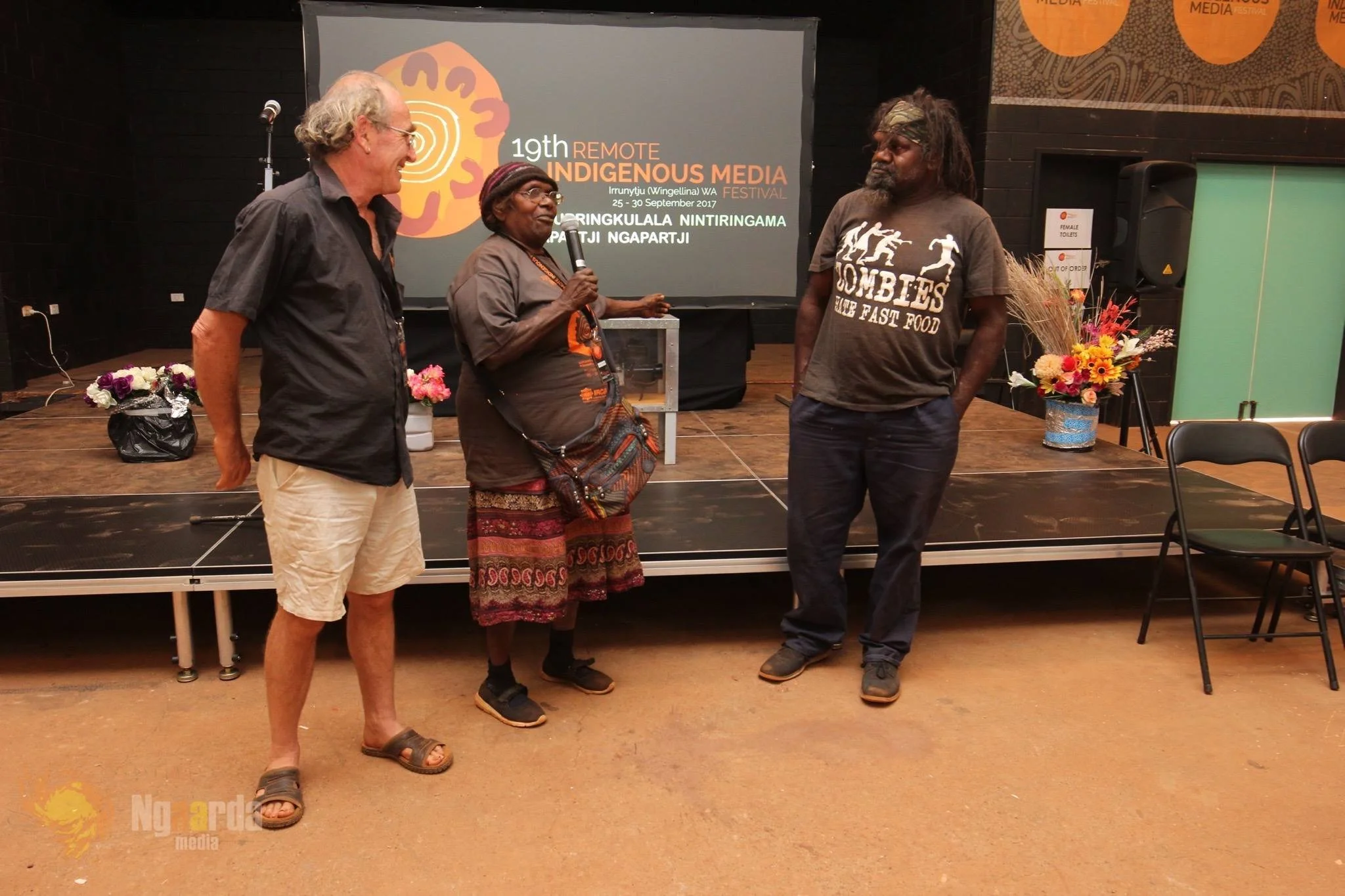
A career spanning four decades — and 30 years in the Pilbara and Kimberley — has placed Neil Turner at the centre of some of the most significant developments in First Nations broadcasting.
From early work on Country recording traditional stories, to helping establish national Indigenous television, Turner’s contribution has shaped how remote communities create and control their own media.
Turner first entered the sector in the 1980s while working as a teacher on the APY Lands, where he was drawn into a recording project documenting cultural knowledge.
“I thought that was just the most amazing use of modern… technology to record traditional language… and preserve it for future generations — that really inspired me.”
That moment set the direction for his life’s work.
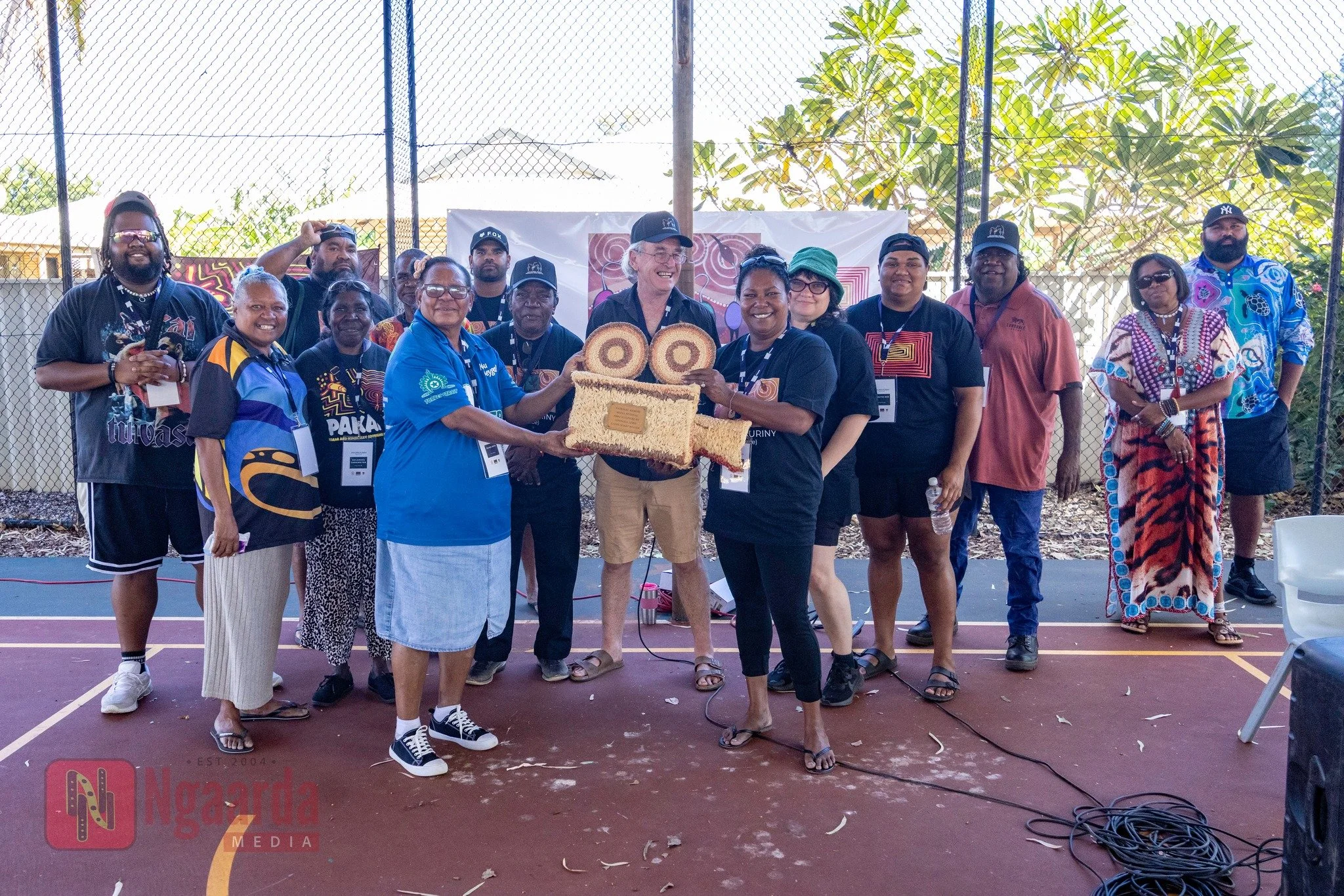
He went on to play a key role in developing remote media systems, contributing to early initiatives that would evolve into today’s national networks. His work is directly connected to the growth of the BRACS scheme, the establishment of regional media organisations, and, later, the creation of Indigenous Community Television (ICTV), and the National Indigenous Television.
Turner says the original vision — communities producing and sharing their own content — is still driving the sector today.
“That original intent… is still bearing fruition… to the stage now as a full-time channel.”
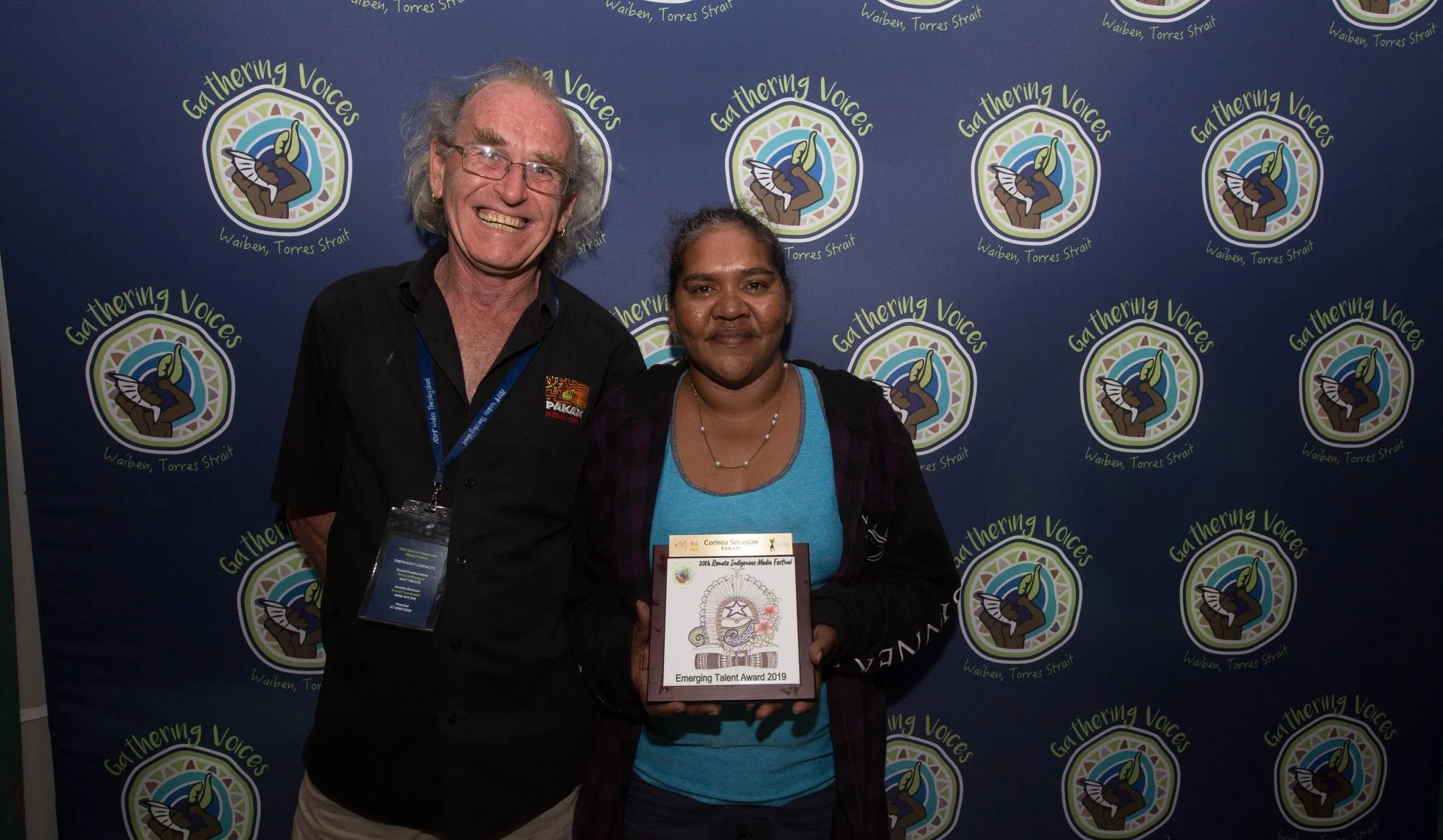
In the late 1990s, Turner helped establish Pilbara and Kimberley Aboriginal Media (PAKAM), bringing together remote broadcasters across Western Australia’s north. including Ngaarda Media in Roebourne, WA.
At the time, many communities were operating in isolation, with limited support.
“It took a lot of negotiation… slowly building up the remote sector to stand on its own feet.”
One of the major turning points came with the launch of the PAKAM satellite radio network in 2000 — linking stations across vast distances and allowing communities to share programming.
“It’s been really significant in being able to share content… right across the region.”
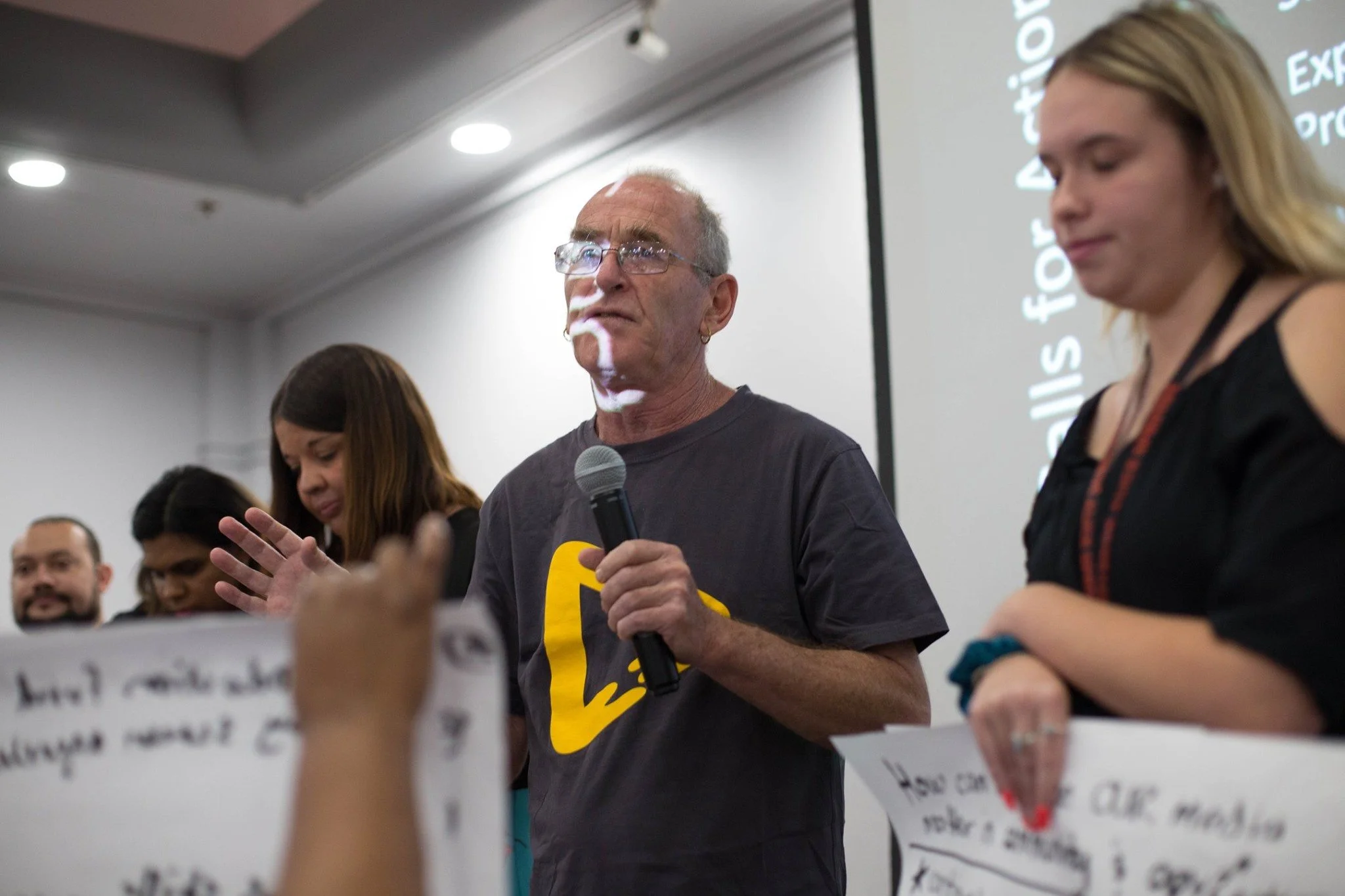
Beyond WA, Turner’s influence extended nationally through what became known as the Turner Report — a major consultation across remote media organisations.
He travelled the country meeting broadcasters and documenting the challenges facing the sector.
“It was a huge privilege… I became personal friends with just about everybody in the remote Indigenous media sector.”
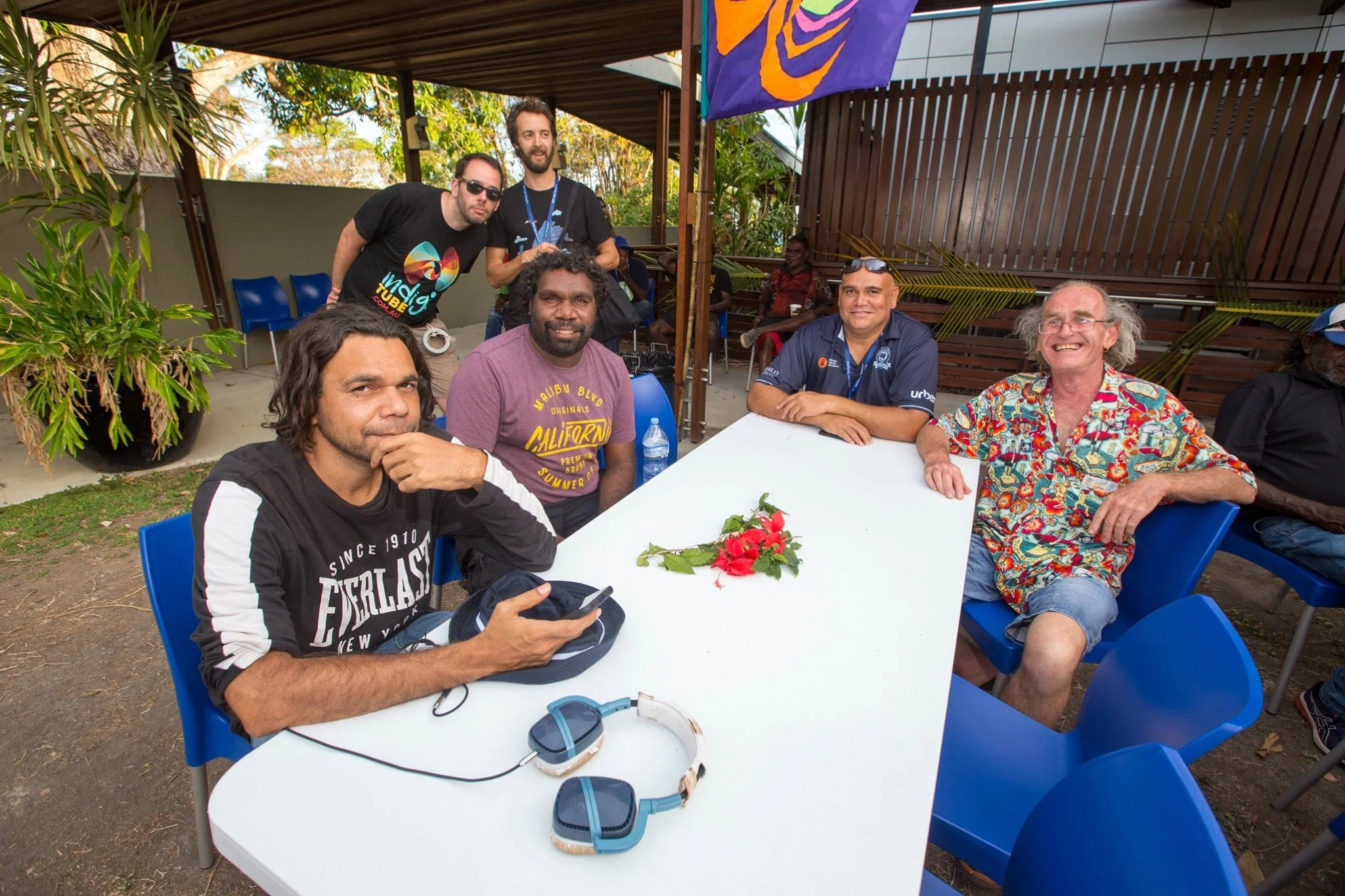
That network helped strengthen collaboration across regions and fed into national advocacy through peak bodies like Indigenous Remote Communications Association.
Turner says those relationships — built over decades — remain one of the sector’s strongest assets.
While technology has shifted from analogue systems to digital platforms, he says the core principle hasn’t changed.
“The basic principle remains the same — communities being able to… put their own local program to air.”
Now, the focus is moving online, with younger audiences turning to platforms like YouTube rather than traditional broadcast.
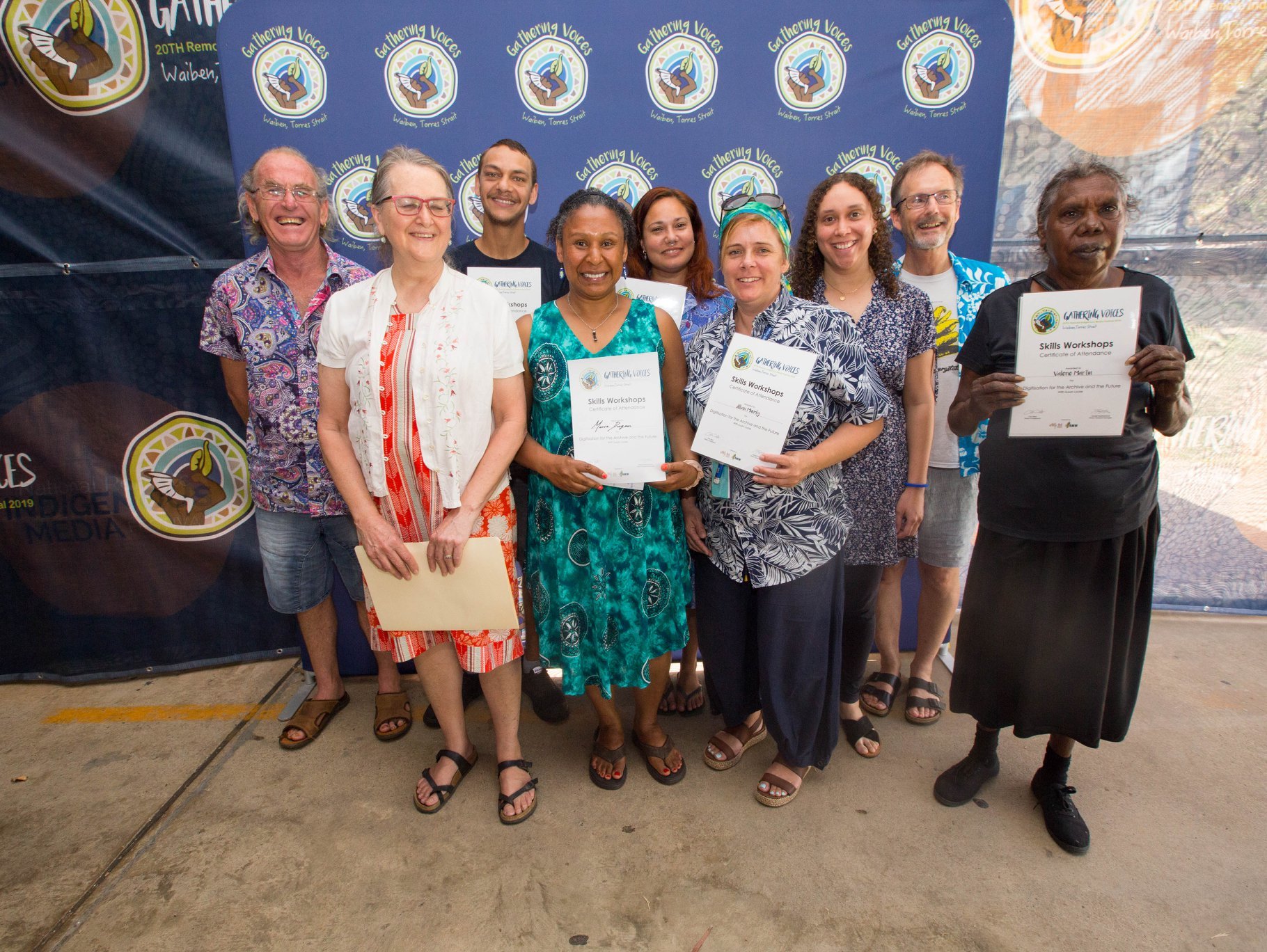
Turner has overseen the rollout of new digital distribution, with hundreds of productions already uploaded on the PAKAMA YouTube channel.
“This is clearly the way for future generations… to stake a place… for Indigenous content within that… media space.”
Despite decades in the industry, he says the motivation remains grounded in the same purpose that first drew him in — working alongside communities to record and maintain language and cultural knowledge.
“That same spirit… continues to drive me… 40 years later.”
From early field recordings on Country to national television platforms, Turner’s career reflects the growth of First Nations media in Australia — and the ongoing push for communities to control their own stories, platforms, and future.