
NYAMAL LEADERS SAY TRADITIONAL OWNERS MUST LEAD GREEN ENERGY DECISIONS
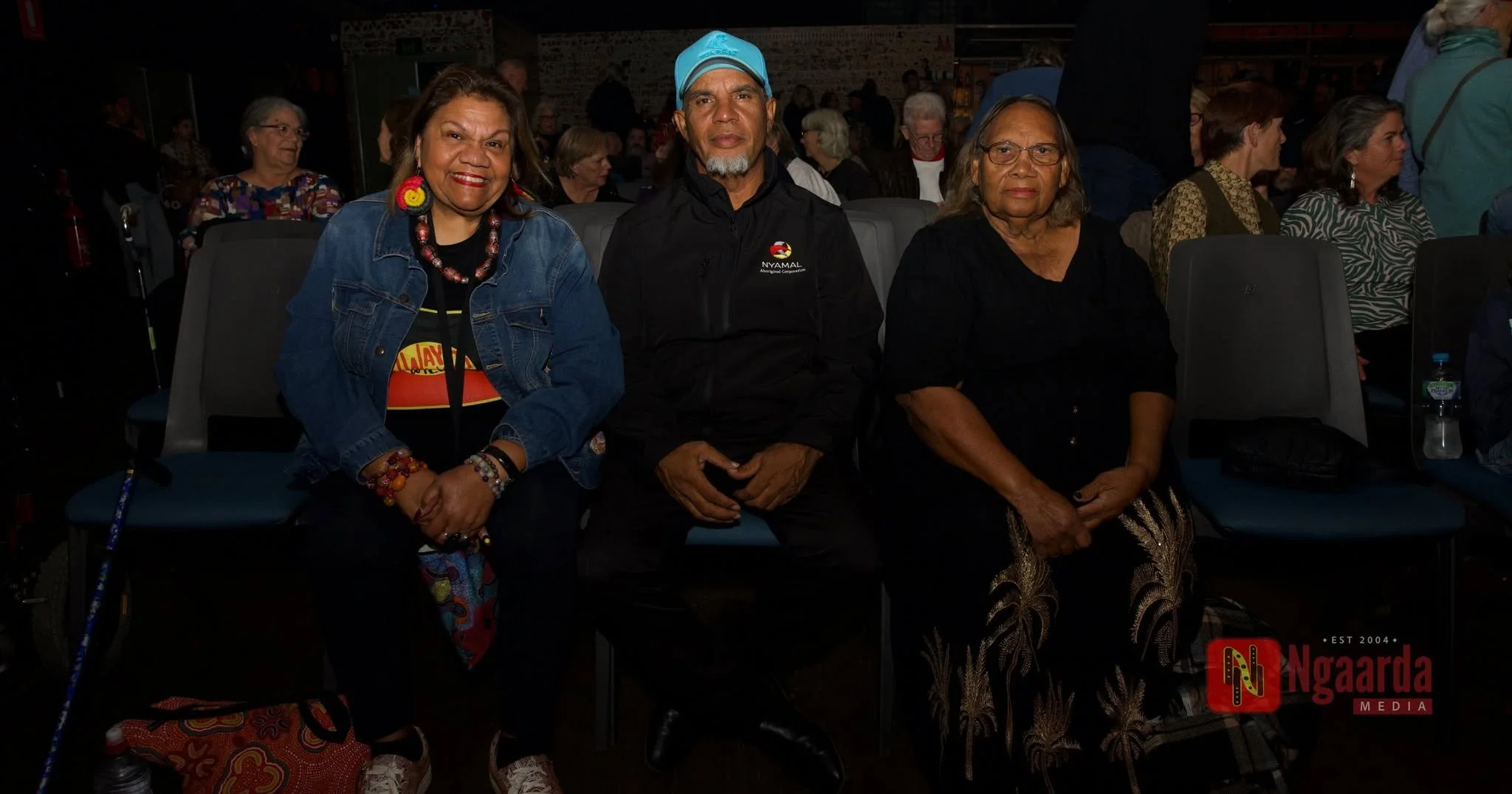
BY LYNNESE O’DONOGHUE
Key points
• Nyamal Aboriginal Corporation says Traditional Owners must lead decisions about proposed green energy projects on Nyamal Country
• Chairperson Troy Eaton says elders need time to consider major projects before decisions are made
• Nyamal leaders are also focusing on ranger work, business growth and bringing people back onto Country
Nyamal Aboriginal Corporation Chairperson Troy Eaton says Traditional Owners must lead decisions about Fortescue’s proposed green energy projects on Nyamal Country.
Mr Eaton said Nyamal people were not against development, but they wanted companies to stop making plans first and consulting later.
He said the concern came from a long history of mining companies making decisions on Aboriginal land without giving Traditional Owners proper control.
“We’re good at heritage, we’re good at knowing our Country,” Mr Eaton said.
“But when it comes to big decisions, what should happen, this is where everyone falls short.
“We’re not in a position anymore for people to think for us.”
Mr Eaton said companies needed to follow Nyamal leadership on Country.
“There’s no need for anyone to think for us,” he said.
“We’re on our own Country, we’re on our own land.
“More or less, follow our lead now, instead of following the mining companies.”
ELDERS AT THE CENTRE OF DECISIONS
Mr Eaton said Nyamal Aboriginal Corporation had been aware of proposed projects “here and there”, but companies needed to respect Nyamal decision-making timeframes.
He said mining and energy companies often moved quickly, but Nyamal people needed time to speak with elders and work through proposals internally.
“We move when we move now,” he said.
“Let’s just go through what we need to go through first internally, and consult all the time with our elders.”
Mr Eaton said elders remained at the centre of all major decisions about Nyamal Country.
“It’s our responsibility the elders are in front of everything at all times,” he said.
“They’re the caretakers of our land.
“They’re the ones who keep everything grounded.”
PILBARA STRIKE ANNIVERSARY RAISES QUESTIONS
The comments come as Nyamal leaders reflect on the legacy of the Pilbara Strike, and the long fight by Aboriginal people for land rights, fair treatment and control over their own future.
Mr Eaton said that history was still relevant today, especially as new industries look to develop on Aboriginal land.
He said Nyamal people wanted respectful partnerships, but only if Traditional Owners were properly heard from the beginning.
For Mr Eaton, the message is simple: development on Nyamal Country must be led by Nyamal people.
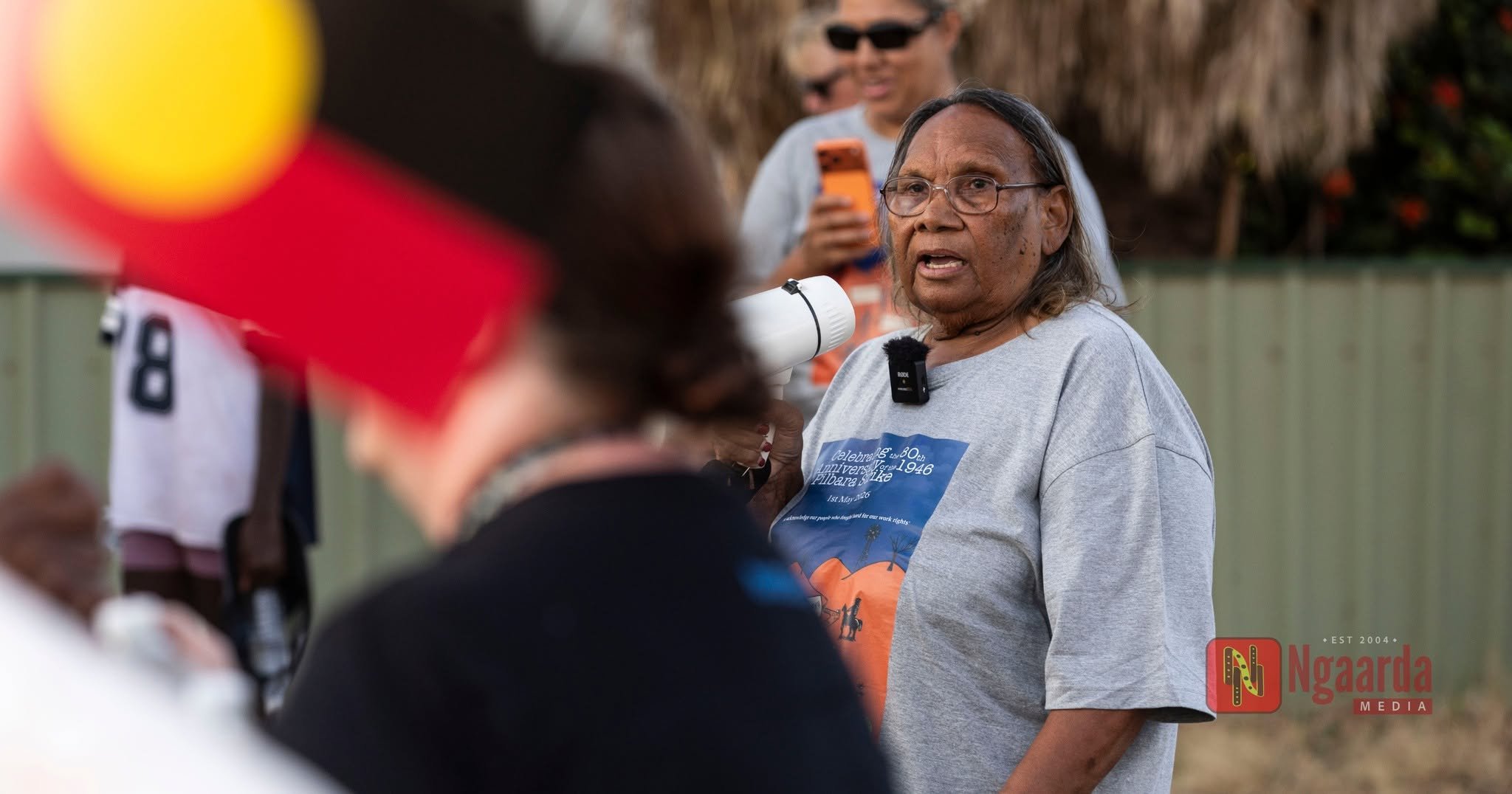
Mr Eaton said the 80th anniversary of the Pilbara Strike had pushed Nyamal people to think about what Aboriginal workers fought for, and what still needed to change.
The 1946 strike, led by Aboriginal workers in the Pilbara, called for fair wages and equal rights.
Mr Eaton said the anniversary was a time to ask how far Aboriginal people had come.
“Are we 80 years down the track now, as we speak today, how far have we come?” he said.
“Have we gone backwards? Have we moved the needle? Have we progressed or are we still stagnant?”
He said the message to mining companies was simple.
“It’s about what is the right thing to do from here on moving forward,” he said.
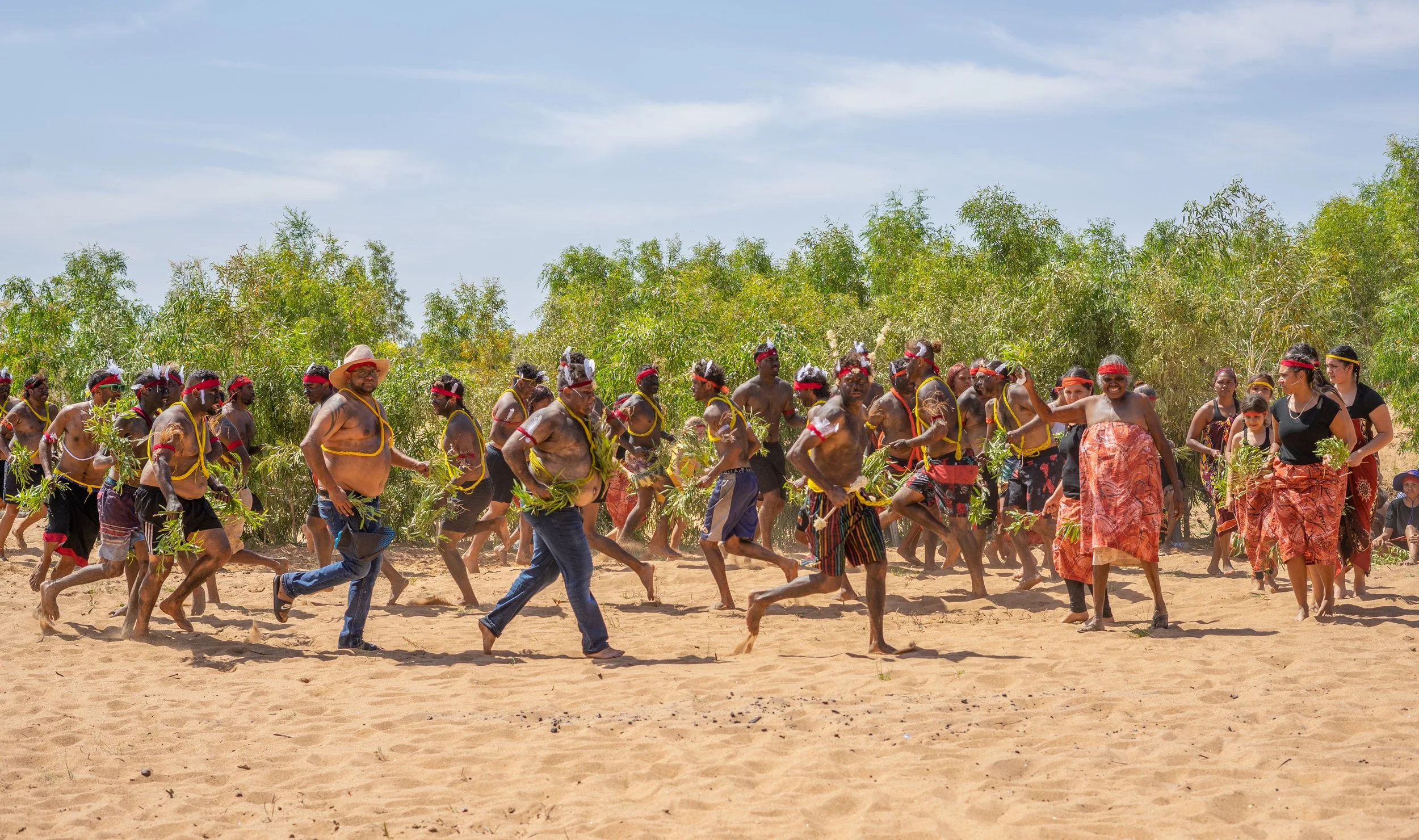
Nyamal Determination 2019
Healthy Country Plan looks to next generation
Nyamal Aboriginal Corporation has launched its Healthy Country Plan, setting out priorities for the next 10 years.
Mr Eaton said the plan focused on bringing Nyamal people back onto Country and rebuilding cultural connection.
“It’s more or less getting people to reconnect back onto Country, looking after Country,” he said.
“The Healthy Country program is about coming back on Country.”
He said Country helped people build confidence and self-belief.
Mr Eaton said the plan also looked ahead to 2035, when many elders may no longer be here.
“By 2035, most of our elders won’t be here,” he said.
“It’s about the next generation.”
He said Nyamal Country should always be a place where people could return.
“At the end of the day, we’re always going to have a place where everybody comes back home,” he said.
“Come home, come back, it’s yours.
“It’s for our people.”
Ranger work creates another path
Mr Eaton said ranger programs were a key part of looking after Country and creating work outside mining.
He said not every young person wanted to work in the mining sector.
“Not everybody wants to do mining,” he said.
“Everybody wants to go back on Country and know about their history.”
Mr Eaton said ranger work gave young people a way to care for significant places, learn stories and build confidence.
“I’m seeing some of these girls and boys now, they have that spark back in their eyes,” he said.
Push for greater Nyamal control
Nyamal Traditional Owners are working with the Department of Biodiversity, Conservation and Attractions on jointly managed conservation areas.
Mr Eaton said that process was still in its early stages, but Nyamal people wanted greater control before 2035.
“We’ve got to take on that responsibility,” he said.
“It’s about having that self-belief.”
He said Nyamal people needed the right resources and support to manage Country properly.
“We’ve got to take ownership of what should be ours on Country,” he said.
Business growth also a priority
Mr Eaton said supporting Nyamal-owned businesses was another major focus for the corporation.
He said mining and energy projects created business opportunities, but Nyamal people needed to understand the market and build their own capacity.
“You’ve got lithium, you’ve got iron, you’ve got all kinds of things,” he said.
“So to understand that market and all that stuff.”
Mr Eaton said Nyamal Aboriginal Corporation was working towards a stronger future across heritage, business, ranger work and renewable energy.
“We ain’t going anywhere,” he said.
“We’ve got to make a brighter future for all our people.”
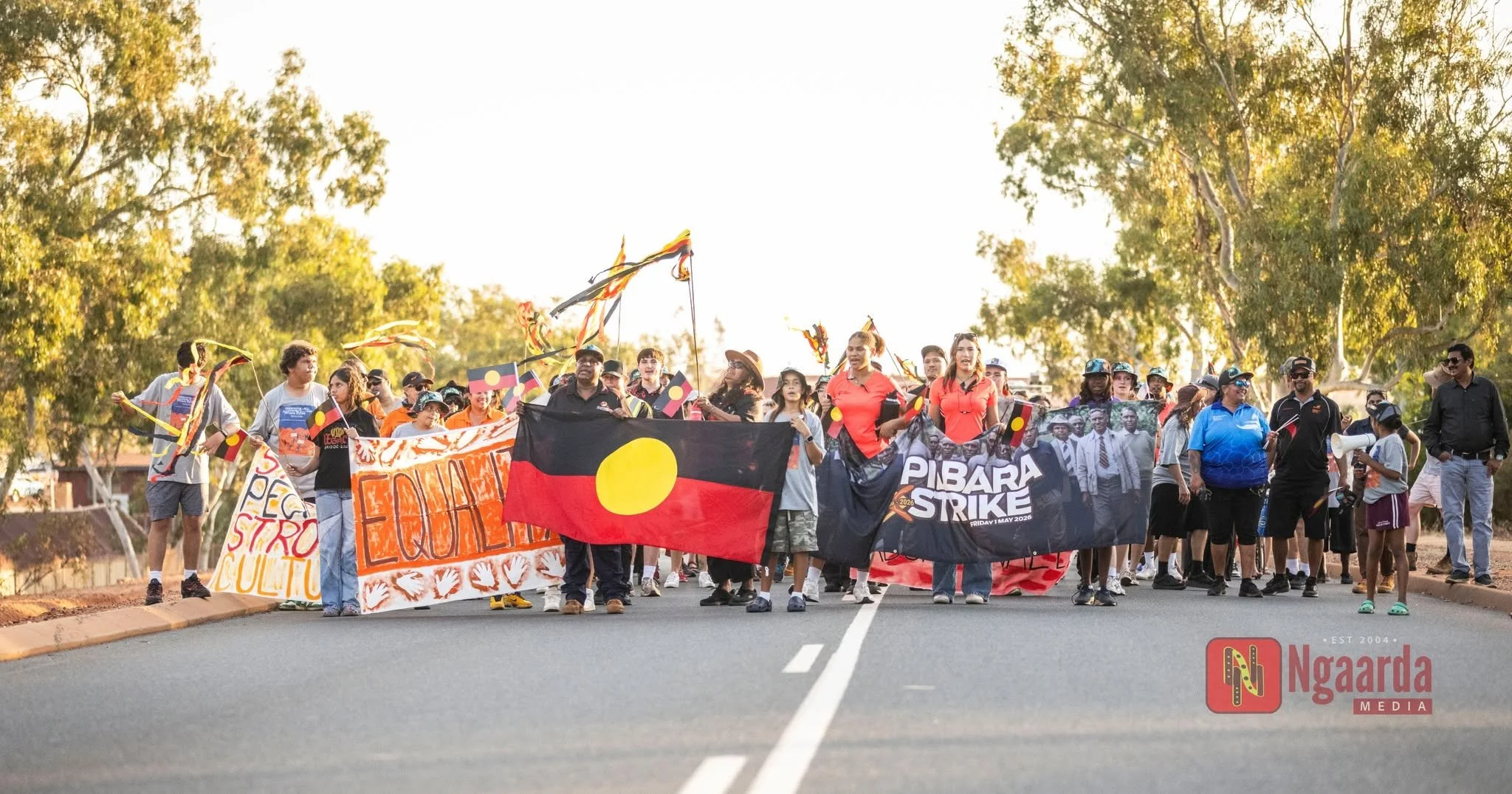
The 80th anniversary of the Pilbara Strike will be marked on Country in August, with events planned at Skull Springs from August 17 to 20.
Mr Eaton said the theme was about unity.
“We’ve got a theme from the 80th Strike — come along to come together,” he said.
“We’ve been divided. We aren’t dividing anymore.”