
RECONCILIATION AUSTRALIA WELCOMES NEW NATIONAL SETTLEMENT STATEMENT
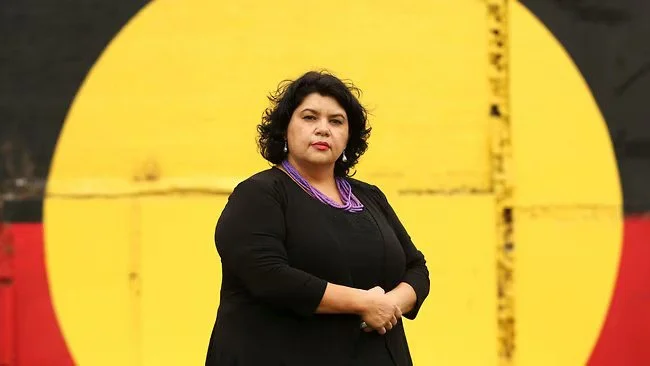
Reconciliation Australia Co-Chair Kirstie Parker Credit: The Australian
By Marli Ryan and Asad Khan
Reconciliation Australia has welcomed a new national commitment to reconciliation, truth-telling, and First Nations rights, signed at the National Settlement Conference in Queensland.
The Settlement Council of Australia’s Reconciliation Commitment Statement provides a clearer acknowledgment of invasion, dispossession, and the erasure of First Nations cultures, and calls for a future shaped by truth, respect, and justice.
Reconciliation Australia Co-Chair Kirstie Parker said the statement marks a significant shift because it names the realities of colonisation directly, rather than avoiding them.
A long-standing relationship
Ms Parker said that First Nations and multicultural communities have deep, often family-level connections that go back generations.
“Many of our families are interconnected with migrants, Chinese, Sri Lankan, Indian, and others. We’ve long had more than friendships. We’ve actually been family,” she said.
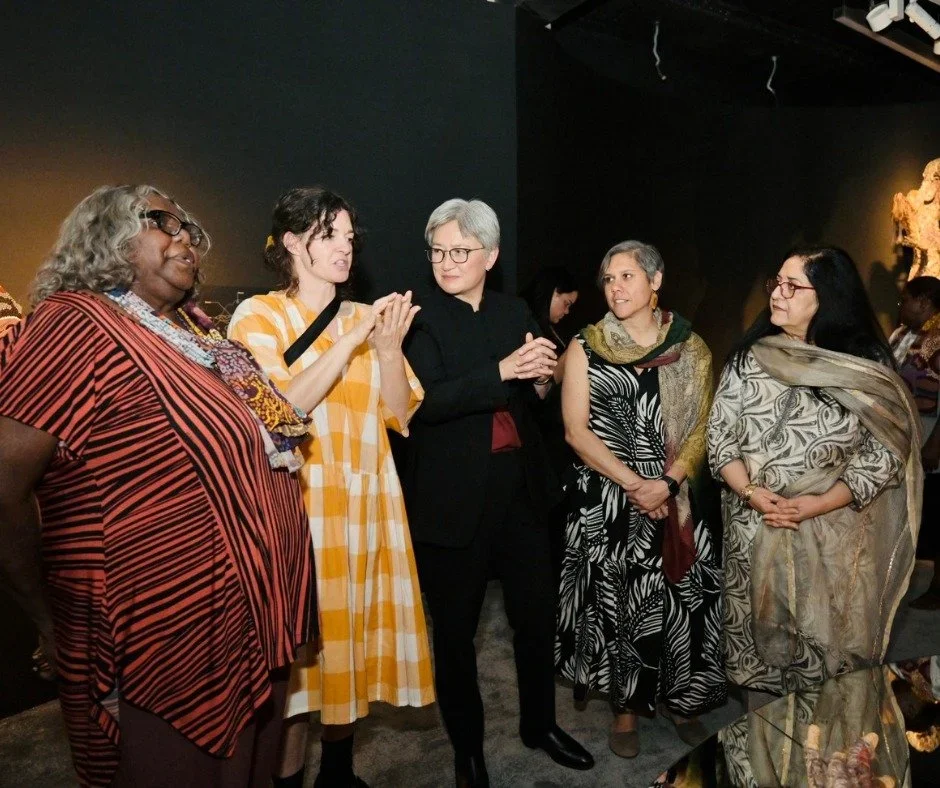
Frist Nations culural ambassadors in New Delhi showcasing the Songlines exhibition. Credit: The National Museum of Australia
She pointed to the strong public backing from migrant communities ahead of the 2023 Voice referendum, when more than 800 multicultural groups pledged support for the Uluru Statement from the Heart.
Reconciliation Australia has also worked with multicultural organisations for years to translate reconciliation resources into languages ranging from Chinese and Korean to Greek, Punjabi, Spanish and Vietnamese.
Why the new settlement statement matters
Ms Parker said what makes the new statement significant is its direct language about Australian history.
The statement acknowledges that the term “settlement” has often masked the reality of invasion and dispossession.
It recognises that confronting this history is not about guilt, but “moral clarity and responsibility,” and commits to a future where settlement “does not repeat the harms of colonisation” but becomes a practice grounded in truth and accountable to justice.
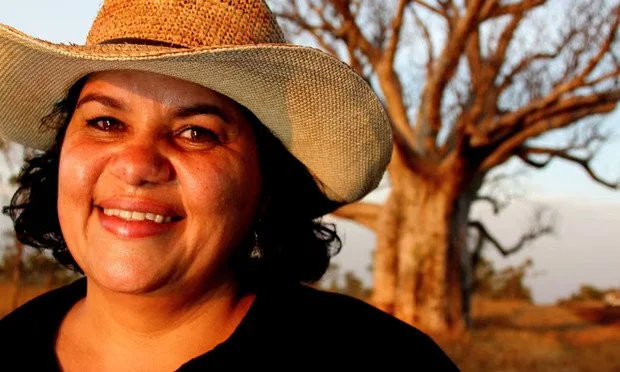
Photograph: Luke Pearson
She said this is the strongest foundation yet for work between First Nations communities and the settlement sector.
Explaining truth-telling without placing blame
Ms Parker said people often become defensive when conversations turn to colonisation, but the focus is not on blaming individuals.
“I don’t ever say people should feel guilty. But they should acknowledge they have benefited from the removal and dispossession of our people,” she said.
Truth-telling is not an accusation; it is an honest account of how the nation was formed and how privilege was shaped.
The latest Australian Reconciliation Barometer shows culturally and linguistically diverse communities express stronger support for truth-telling and reconciliation than Anglo-Australians.
Ms Parker said this reflects lived experience.
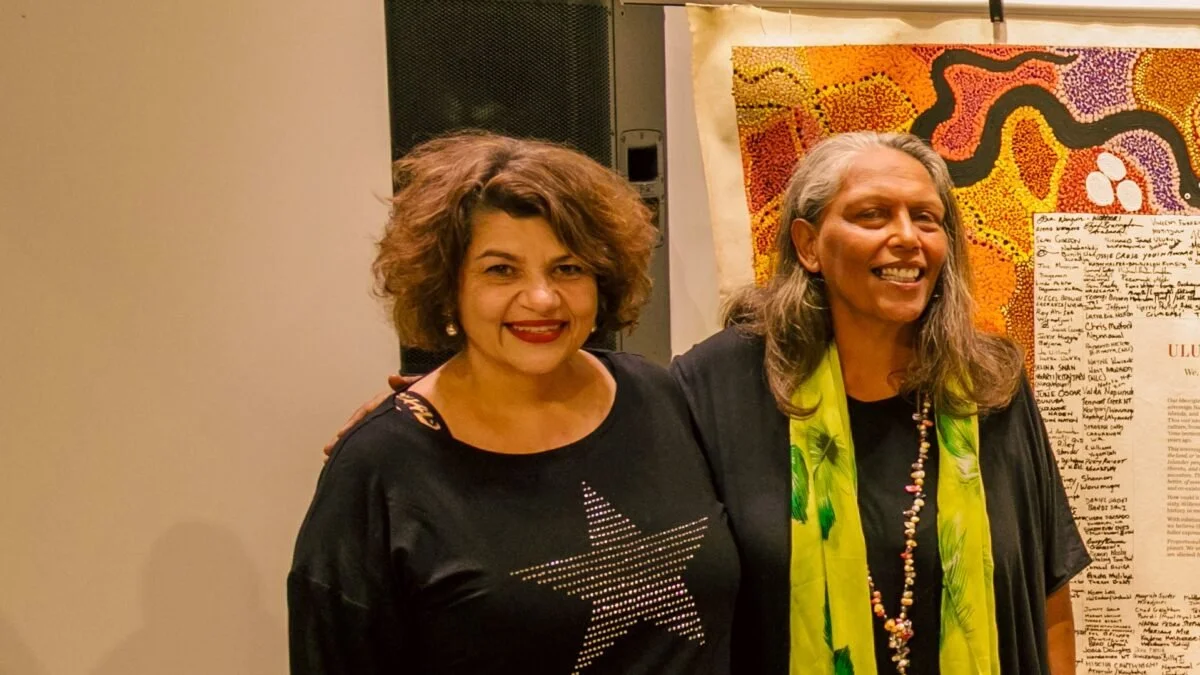
Image Credit: Ben Fry / The Uluru Dialogue
“Many migrants know what colonisation feels like. They also experience marginalisation and racism in Australia, so they relate more easily to our experiences,” she said.
According to Ms Parker, the barometer found:
56% of CALD Australians want to take action to advance reconciliation (compared to 42% of Anglo-Australians)
90% believe the relationship between First Nations and non-Indigenous people is important (compared to 83%)
81% support truth-telling (compared to 67%)
She said the results show a strong base of allyship and also a clear desire among migrants for more knowledge about First Nations history.
Why translated resources matter
Reconciliation Australia’s multilingual resources aim to make reconciliation more accessible while acknowledging the importance of cultural and language retention.
Ms Parker said migrants are not always encouraged to speak their languages in Australia, and offering resources in community languages sends an important message: maintaining culture and language is valued.
“It’s important for people of other ethnic groups to feel seen, including by First Nations Australians,” she said.
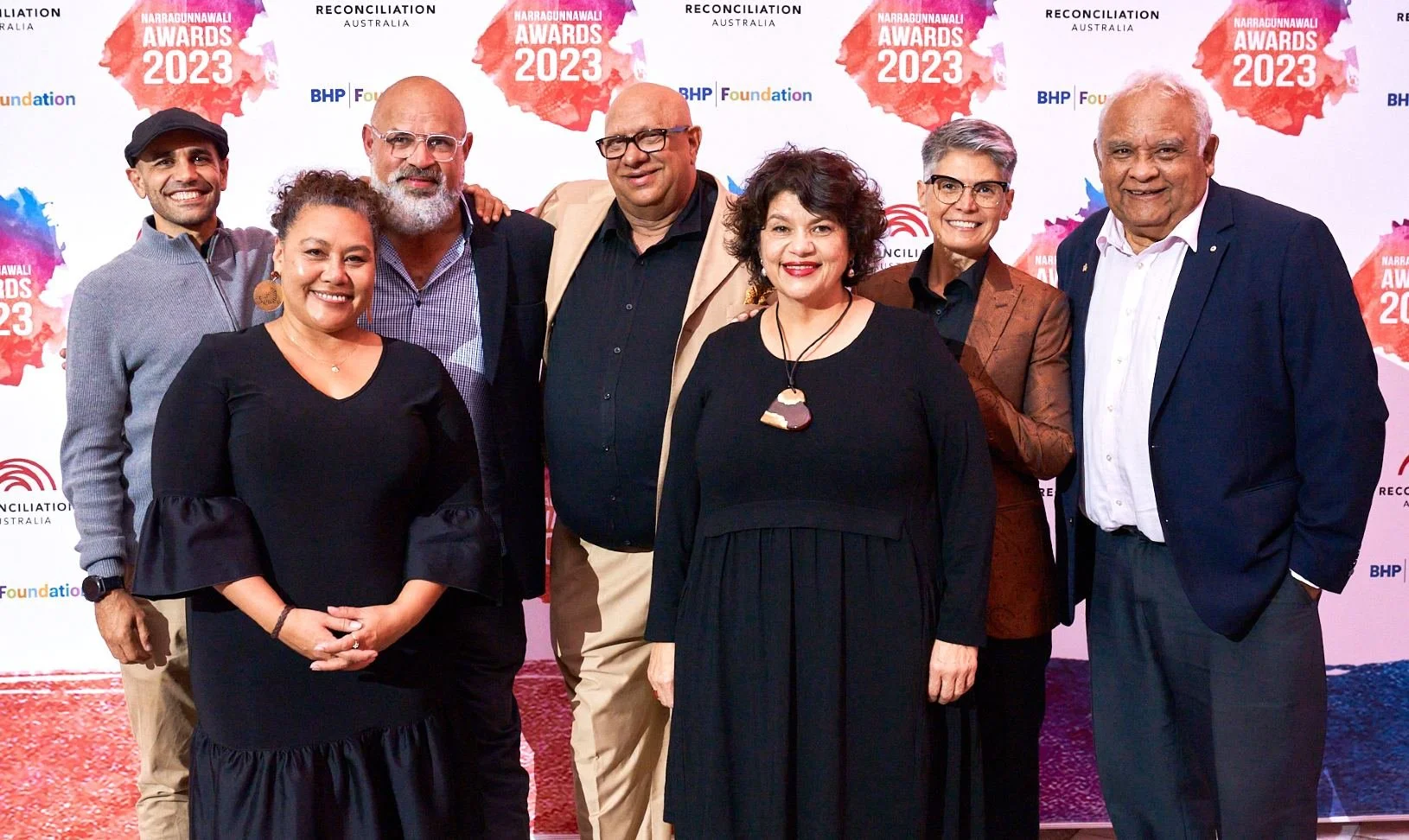
Kirstie Parker (third from right) has been appointed Reconciliation Australia co-chair, replacing outgoing leaders to the board Melinda Cilento (second right) and Professor Tom Calma (far right). (Image: Reconciliation Australia)
Where new migrants can start
She said new migrants wanting to understand the real history of this country should begin with Reconciliation Australia’s introductory materials, but the most meaningful step is building local relationships.
“Go to the source first, and that starts with the local traditional owners,”
Ms Parker encouraged people to connect with community-controlled organisations, reconciliation bodies such as Reconciliation WA, cultural education centres and First Nations media services.
“You can be disheartened if you take your cues only from political discussion. Local connections give people a clearer sense of who we are and the relationships we want.”
Listen to Ngaarda Media’s Marli Ryan speak with Reconciliation Australia Co-Chair Kirstie Parker: