
SONGLINES: TRACKING THE SEVEN SISTERS – INDIA TOUR
BY ASAD KHAN
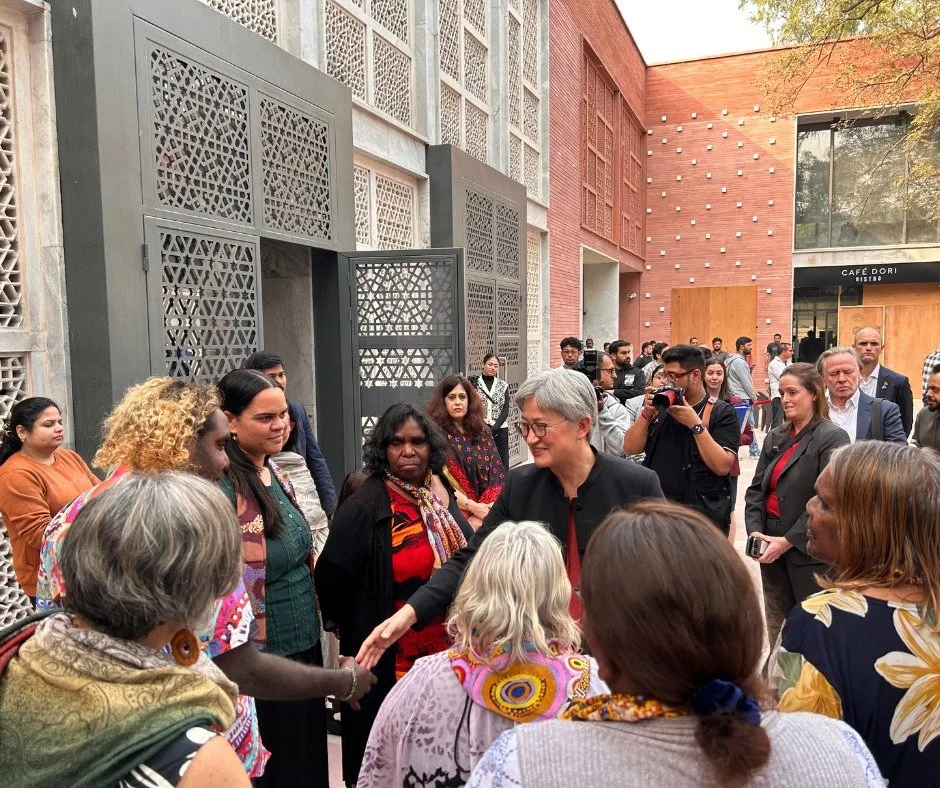
The National Museum of Australia’s landmark exhibition Songlines: Tracking the Seven Sisters has returned from New Delhi, where Indian audiences responded with what organisers describe as “a mixture of awe, curiosity and excitement.”
It marks the first time a major National Museum exhibition has toured India, adding another chapter to a global journey that has already taken the Seven Sisters story to the UK, Germany, France and Finland.
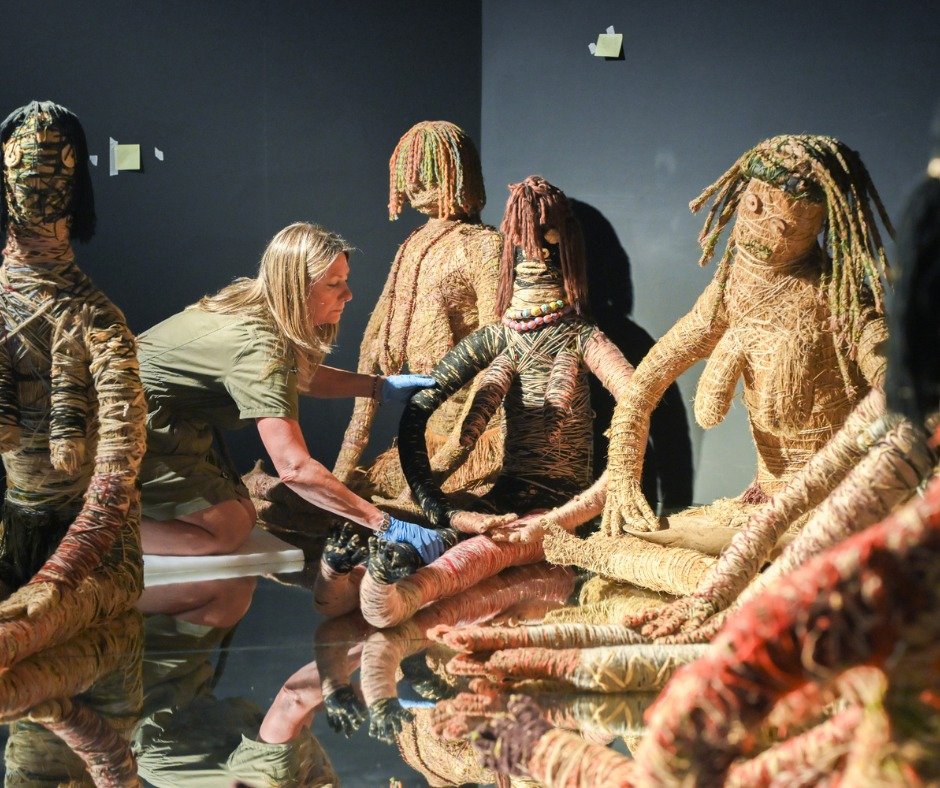
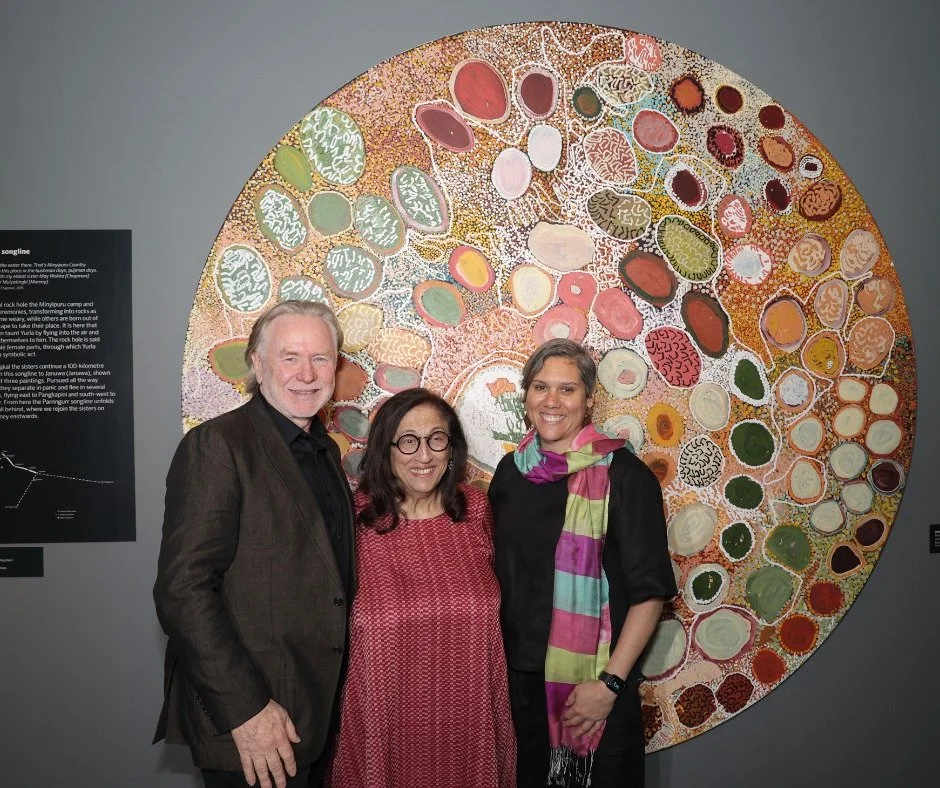
The exhibition, which features almost 300 artworks, cultural objects, song, dance and immersive multimedia, was shown at the Humayun’s Tomb World Heritage Site Museum in partnership with the Kiran Nadar Museum of Art.
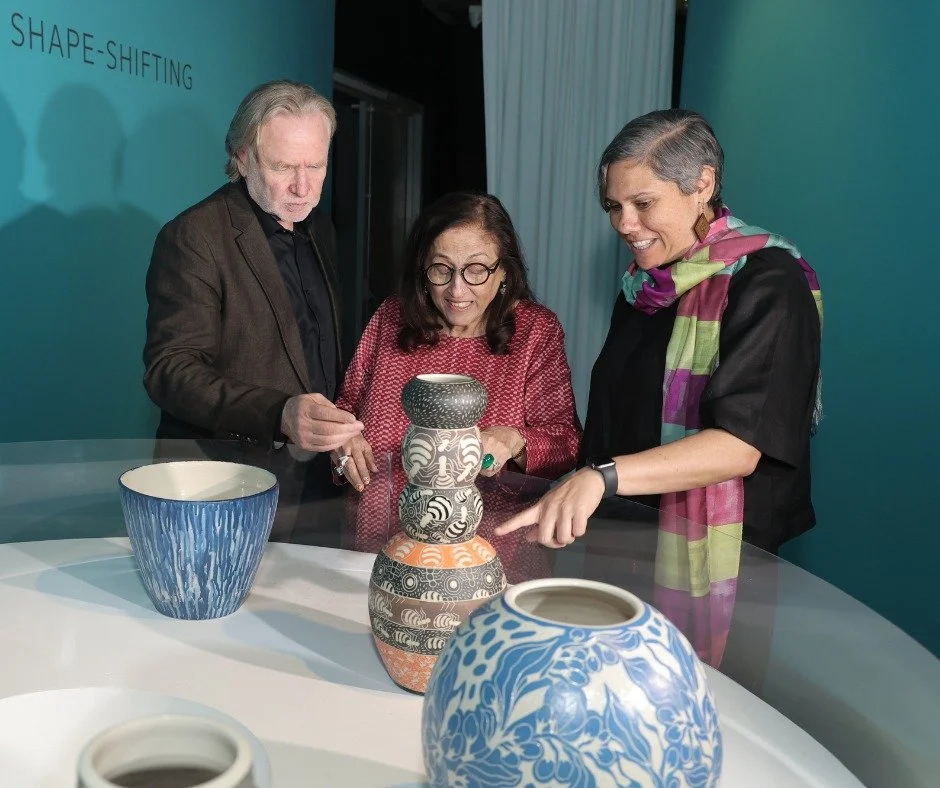
Dr Jilda Andrews, a Yuwaalaraay cultural practitioner and newly appointed Deputy Director, First Nations at the National Museum of Australia, said the response in India was immediate and deeply engaged.
“They were saying this is mesmerising, this is breathtaking,” she said.
“People are drawn to the beauty of the art, but then they’re captured by the depth of the knowledge that underpins it.”
A shared story of deep time
Ms Andrews said the collaboration revealed unexpected common ground between First Nations Australians and Indian communities.
Australia often speaks about its “65,000-year connection to Country,” she said.
But Indian partners pointed out they see themselves as holding the world’s second-longest continuous connection to place.
“By the time the launch came around, we were talking as though together we had this 100,000-year depth of connection to place,” she said.
“It means we’ve got cousins across the ocean who share that same depth of connection carried through creative and artistic practice.”
Why songlines resonate globally
According to Ms Andrews, the international interest stems from the combination of striking visual work and strong living cultural narratives.
“The art alone draws people in,” she said.
“But because the stories are still present and continuing, that really captures people.”
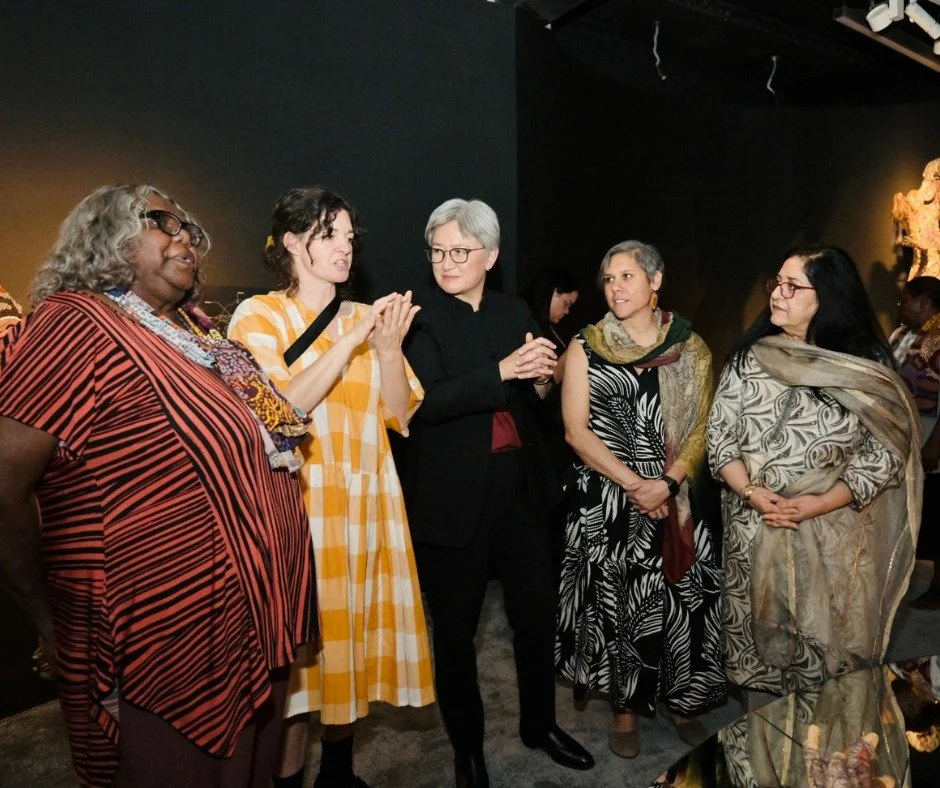
For audiences unfamiliar with songlines, Ms Andrews describes them as “the maps, textbooks, rules and laws of First Nations people,” embedded in Country, stories, artworks and ceremony.
“Country is like a text in itself. We didn’t have an alphabet, but we have a rich set of texts,” she said.
“We need to keep reading them, walking these tracks and singing these songs to keep the knowledge alive.”
Cultural diplomacy on a global stage
The Songlines project began as a community-led effort to record and reconnect knowledge across different parts of the Seven Sisters story. But Ms Andrews said the international tour has shifted the project into something larger.
“It’s almost generated a new archive — a contemporary archive of knowledge that will be there for generations,”
Those who travel with the exhibition are now referred to as “cultural ambassadors,” representing their communities on a global stage.
“It’s less about mending broken songlines now, and more about cultural diplomacy — anchored by integrity, strength and a renewed archive.”
Old knowledge, new tools
The exhibition also uses immersive technologies, such as Dome Lab, to bring audiences into desert night skies and story sites.
Visitors lie on cushions inside a projection dome, watching the Seven Sisters appear above them.
“It’s no different to being beckoned over by an Elder to sit at a campfire while they tell you stories,” she said.
“It’s simply another dimension of the same communication, another way to transport people to Country.”
As Songlines continues its international tour, the project remains grounded in Anangu leadership and the cultural authority behind the Seven Sisters stories.
And while each stop introduces new audiences to one of Australia’s most significant creation narratives, Ms Andrews said the purpose hasn’t changed.
“It’s about continuing the knowledge, continuing the stories, and carrying our responsibilities — wherever we take them.”
Listen to Ngaarda Media’s Asad Khan speak with Dr Jilda Andrews: