
‘THE ELDERS ARE WATCHING’, KAT WILLIAMS LEADS ON COUNTRY WITH WILYA JANTA
By Lynnese O’Donoghue
Kat Williams wants young Aboriginal people to know that their work is being noticed, even when they do not realise it. Katrina “Kat” Williams is a proud as Warumunga, Warlmanpa and Warlpiri women and brings experince across wildlife coversation, geology, finance and government project management to her role.
Now the Emerging CEO of Aboriginal-led housing organisation Wilya Janta in Tennant Creek, she says the opportunities that brought her home grew from years of working, learning and backing herself.
“These Elders are watching you. That’s how I was found,” she told Ngaarda Media.
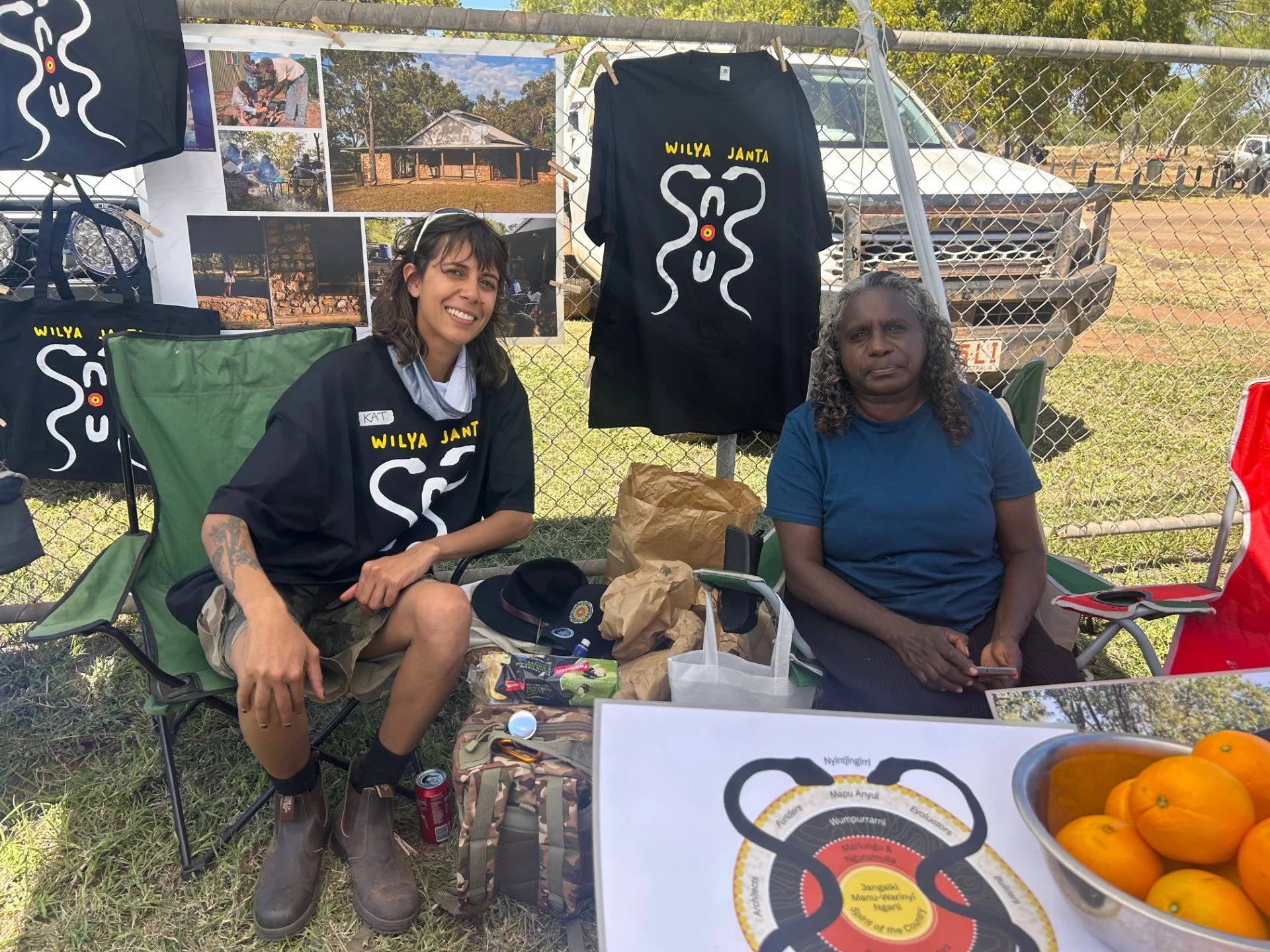
Kalkardjin Roadshow, Emerging CEO Kat Williams, with Traditional Owner and Friend. Photo Credit: Kat Williams
“I didn’t realise it, but with all the work that I was already doing as a ranger, in government and then in health as well, assisting those that are struggling with drug and alcohol abuse, the Elders are watching you and how you move in this space.”
For Williams, stepping into leadership on her own Country carries a responsibility to show others what is possible.
“For me, it means that I can show my people what is possible for us in the workplace and in the workforce and as community leaders, young and old,” she said.
“Work hard and be authentic along the way.”
Her motivation also comes from her late grandfather, George Brown, whose example continues to shape the leader she wants to become.
Williams said her grandfather worked as a police officer in the Barkly region for about 25 years, contributed to native title work and helped establish an outstation west of Tennant Creek.
“I’m also so grateful that I can continue my grandfather’s legacy through empowering our people and leading the way to live better lives for us while living remotely,” she said.
She credits her family and Elders with teaching her resilience, humility and respect.
“They’ve taught me resilience through all challenges, to be humble in all communities and be respectful in my approach.”
Those lessons sit alongside cultural knowledge she continues to develop.
“To this day, I’m still learning culture,” Williams said.
“My viewpoint on learning culture is that it really is a lifetime journey of learning.”
At Wilya Janta, that knowledge informs practical decisions about housing: how families use their homes, how cultural relationships are respected and how buildings respond to the conditions around them.
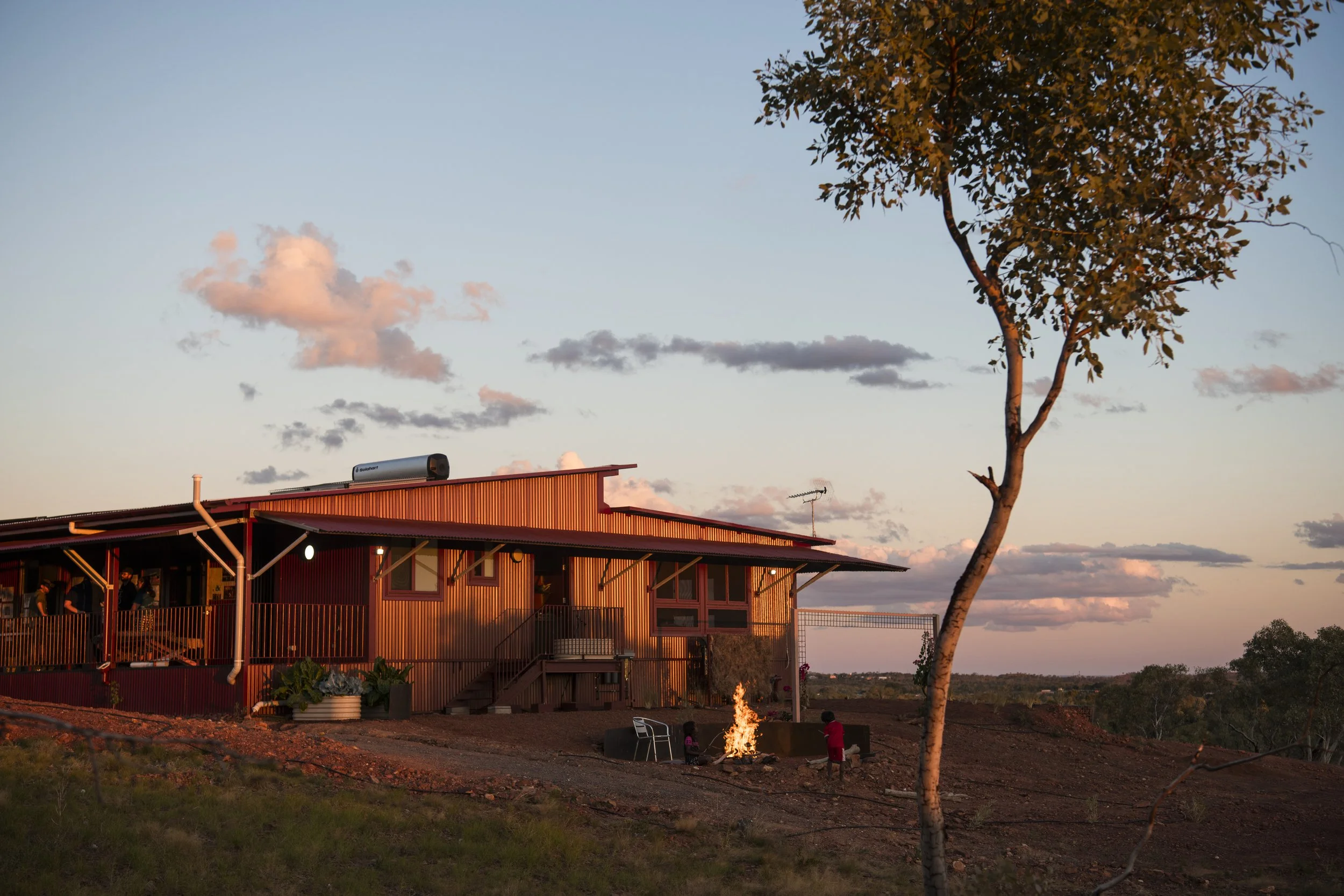
“Explain” Home based in Tennant Creek, Wilya Janta. Phot Credit: Kat Williams
The organisation works with remote communities to develop culturally appropriate housing suited to local climates. Its first “Explain Home” in Tennant Creek was developed with Warumungu community members, with spaces supporting family structures, cultural avoidance relationships and outdoor activities. Its thermal design aims to maintain comfortable temperatures while reducing energy demand.
Williams says Aboriginal people must lead decisions about those homes because a design that suits one place may not suit another.
“First of all, all Aboriginal groups are different. All of our tribes are different,” she said.
“The way that we might like our houses in the Barkly region or in Tennant Creek might not be the same as somewhere in the Pilbara.”
For her, that distinction goes to the heart of self-determination.
“Actually allowing Aboriginal people to lead is about empowerment as well, and getting our power back in deciding the way that we should and can live,” she said.
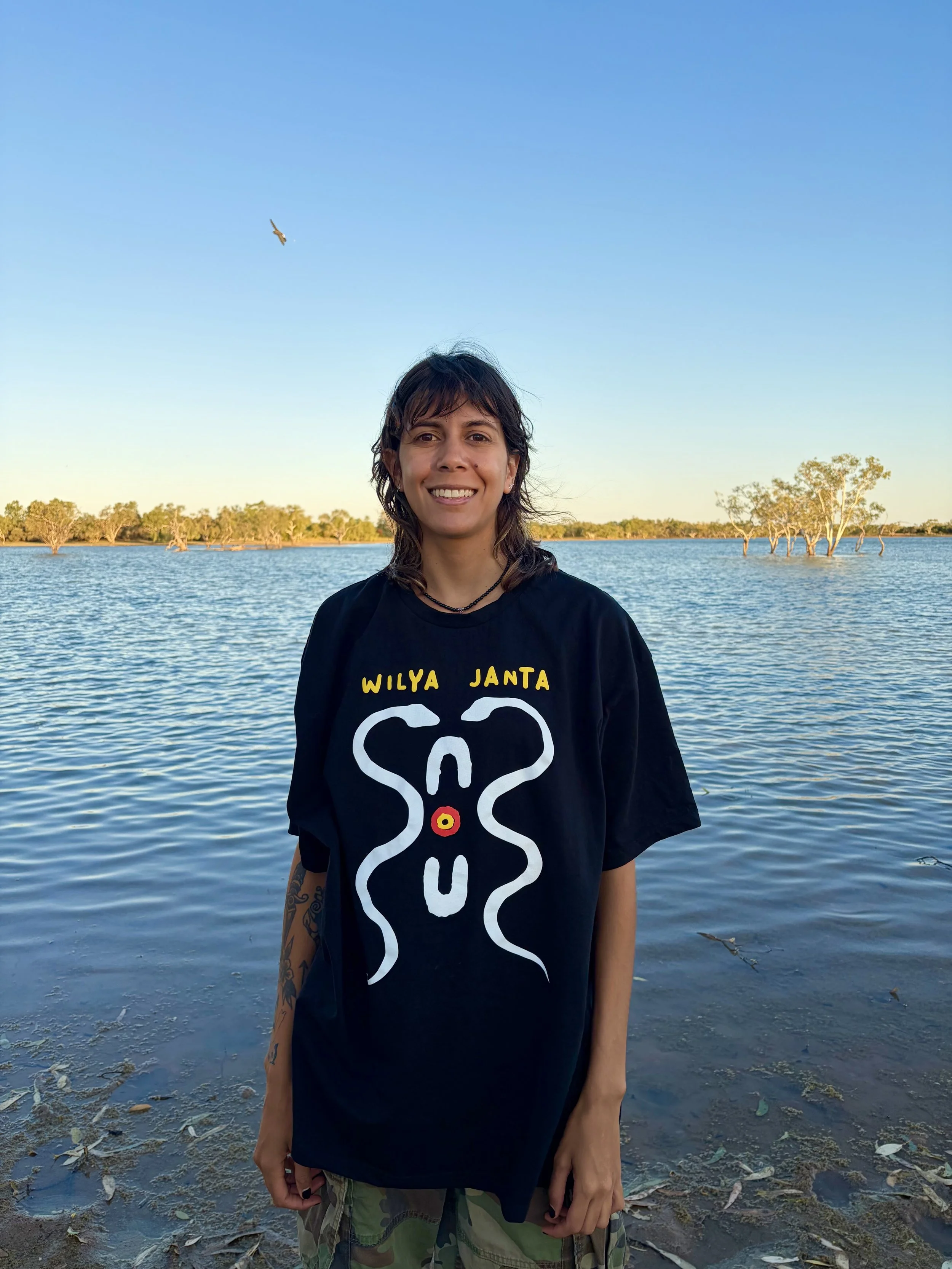
Katrina “Kat” Williams Emerging CEO at Wilya Janta. Photo Credit: Kat Williams
“We really do know what’s best, and it’s important to keep us in the loop as well every step of the way.”
Williams’ daily work involves building relationships with Aboriginal and non-Aboriginal communities, travelling to conferences and advocating for housing that responds to the needs people identify themselves.
She describes the role as “amplifying the community needs and voices all around Australia”.
Her own career has taken her through several industries and into the Pilbara’s mining sector, where she says she worked alongside leaders whose lessons she still draws upon.
“I was able to go and learn in the big, big city, in mining, and bring back all of those skills, and even just confidence in navigating a space like this,” she said.
She is now finding ways to bring that experience together with culture and the priorities of the people she works with.
At the time of the interview, Williams said Wilya Janta had its first Explain Home built and was progressing the design of another home with its future residents.
“We’ll just keep working with the future tenants to keep getting these designs ready,” she said.
That preparation, she explained, would allow construction to move ahead once funding was available.
“Hopefully we can get a bunch more homes built out here in the Barkly region.”
For young Aboriginal people considering their own futures, Williams’ advice is to find confidence in who they are.
“Don’t try to be like somebody else. I think that most people will gravitate towards authenticity,” she said.
“Just keep being you, chase your dreams, find your confidence.”
She also encourages young people to keep going when an opportunity does not work out.
“Don’t be afraid of rejection. I like rejection because it gets me closer to where I should be in life.”
Having applied for jobs across different sectors, Williams says the unsuccessful applications are part of the story that brought her back to Country.