
YINDJIBARNDI LEADER SAYS NATIVE TITLE STILL FALLS SHORT FOR FIRST NATIONS PEOPLE
BY KATHERINE GLASS AND TANGIORA HINAKI
Yindjibarndi leader Michael Woodley says Australia must take a hard look at whether native title has delivered real equality for First Nations people, more than three decades after the Mabo decision.
Mr Woodley spoke at the AIATSIS conference last week, where he reflected on the legacy of Eddie Mabo and the ongoing fight for land justice.
He said native title had opened important legal doors, but many Traditional Owners were still forced into systems that did not give them full control over land, resources or decision-making.
Mr Woodley said the process often left First Nations people in a difficult position.
“If you partake, then you’re involved in the process,” he said.
“If you don’t partake, or you feel it is another scam to get our land, then you lose that process through default.”
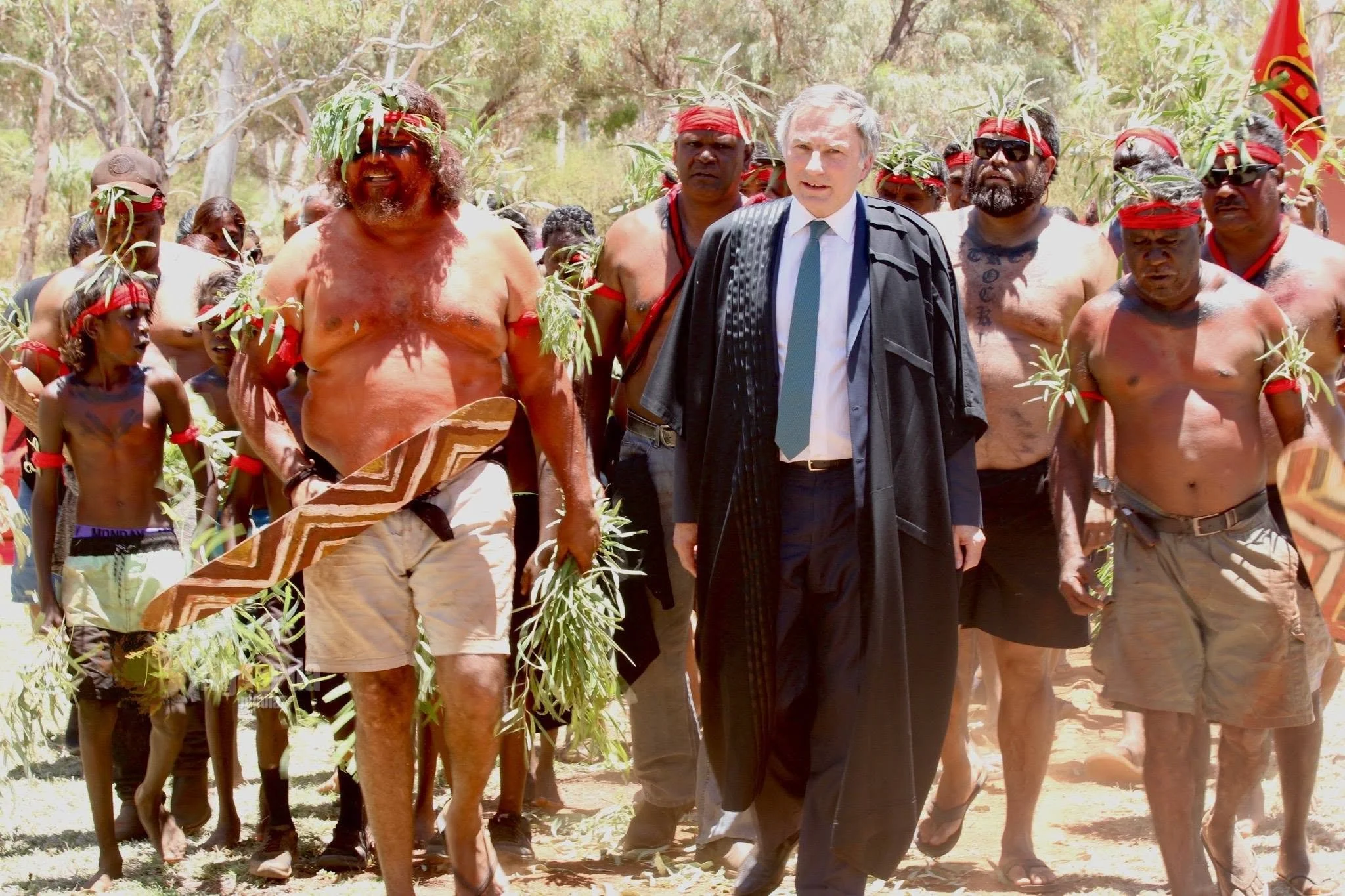
The comments come after the Federal Court awarded Yindjibarndi people $150 million for cultural loss and $100,000 for economic loss in their long-running compensation case involving Fortescue Metals Group.
The figure was about eight per cent of what Yindjibarndi had sought.
Mr Woodley said lawyers were reviewing the decision before the community decided whether to take the matter further.
He said Yindjibarndi people would meet and decide their next steps together.
“This is an internal process,” he said.
“Once that’s been done, we’ll call a community meeting, and we’ll all decide as a community where we go from here.”
Mr Woodley said it was almost impossible for First Nations people to put a dollar figure on Country.
He said land was not something to be treated as a simple commercial asset.
“I don’t think we can really put a value on our land because it’s not for sale,” he said.
“It’s always for the next generation.”
Mr Woodley said mining companies had a responsibility to work fairly with Traditional Owners, not just through legal obligations but through genuine partnerships.
He pointed to other Pilbara mining relationships where companies had offered training, employment and business development opportunities to First Nations people.
He said those agreements showed better outcomes were possible when companies were willing to sit down respectfully.
“If you follow industry standards in the Pilbara, there would be a win-win out of this,” he said.
“The First Nations people win, and the companies win.”
Mr Woodley said the legacy of Mabo should not be seen in isolation, but as part of a longer struggle for recognition and rights.
He said young First Nations people should remember the old people who fought before them, including the Pilbara workers who walked off stations in 1946, those involved in the 1972 Aboriginal Tent Embassy, and Eddie Mabo’s fight for native title.
He said those struggles came at great personal cost.
“The journey was tough,” he said.
“Especially in the 1940s, these people could have easily lost their lives for doing what they did.”
Mr Woodley said today’s generation had more opportunities, but should not forget why the fight began.
He said the goal was not division, but a stronger future built on respect, recognition and self-determination.
“Not everyone is the enemy,” he said.
“Work in a positive sense, be respectful, work with all people, but never lose sight of why people fought for our rights.”