
"A momentous day" for Waturta people, securing Native Title rights over Western Desert country
After more than 30 years fighting to have his people’s country in the remote Western Desert recognised as Waturta land, Kado Muir’s attention has already turned to the next step in his journey to secure Native Title.
Mr Muir, alongside his Elders, lodged the Waturta people’s native title claim the same year the federal government in Canberra secured parliament’s support for the National Native Title Act in 1994.
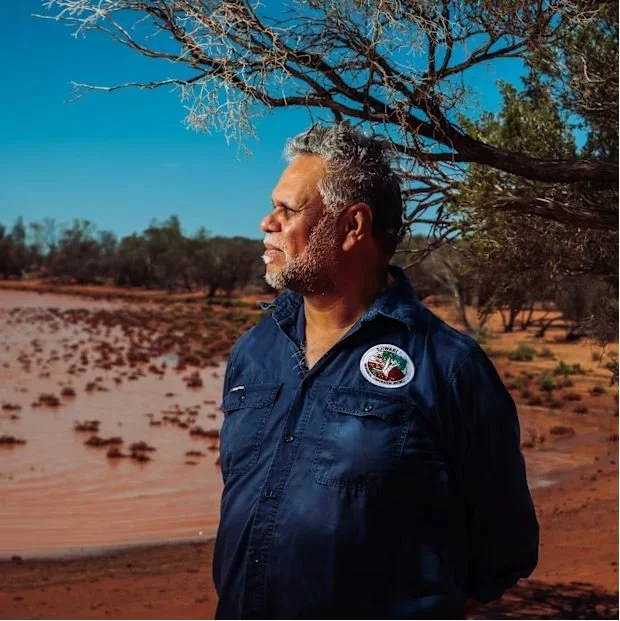
With the passing of the Elders who taught him and were part of the original application back in 1994, Mr Muir said the official recognition by the Federal Court last week was a “momentous day”.
It was one of a series of court decisions in recent years that confirms his people hold native title over the lands they have cared for since time immemorial – and also the 150th native title determination in WA.
“So that’s now pulled all of our country together, but we have different prescribed body corporates (for different native title areas) and different determinations,” he told Ngaarda Media.
“But we’re still the same people,” he told Ngaarda Media.
“EXCLUSIVE” RIGHTS AN UNUSUAL DECISION
And unusually for these decisions – the court has given the Waturta people exclusive rights over their land, some 17,500 square kilometres of desert country in the Shire of Laverton - including the De La Poer Nature Reserve.
More often, native title is granted to Aboriginal groups as “non-exclusive”, which means that while they can access their land for cultural and other purposes, they cannot refuse others access - and rarely do such claims include nature reserves.
Mr Muir said the combination of exclusive rights, like freehold land, and the inclusion of the nature reserve presented his people with an opportunity to build and grow new economic ventures – whether tourism, agriculture and bush foods or ranger programs.
RECOGNITION AS A “LIVING CULTURE”
For the Waturta Elder – and currently the chairman of the National Native Title Council - the determination crucially recognises his peoples’ culture as not a thing of the past, but a living, breathing culture.
Successful native title applications must prove to the Federal Court that their use of the land – for hunting, gathering, traditional laws and cultural practices – has continued without pause since white colonial settlement.
It is something Mr Muir does not take lightly, saying it shows the court recognises the Waturta people as part of the Western Desert society and culture.
“This decision allows us to be recognised as cultural knowledge holders and custodians of our Country, our laws and our customs,” he said.

MUIR PAYS TRIBUTE TO SHAW’S ROLE IN NATIVE TITLE EFFORTS
Mr Muir also paid tribute to fellow applicant and founding director of Indigenous Services Australia, Tony Shaw, who he said was helping take their people into the future.
"Today we have the ability to have a say, to enjoy our rights and interests on our Country, and to participate in modern Australia.”
The Lalalka Aboriginal Corporation has been recognised as the PBC for the lands under the native title claim.