
ABORIGINAL HOUSING PROVIDER CALLS FOR SUPPORT AS WA SOCIAL HOUSING FALLS
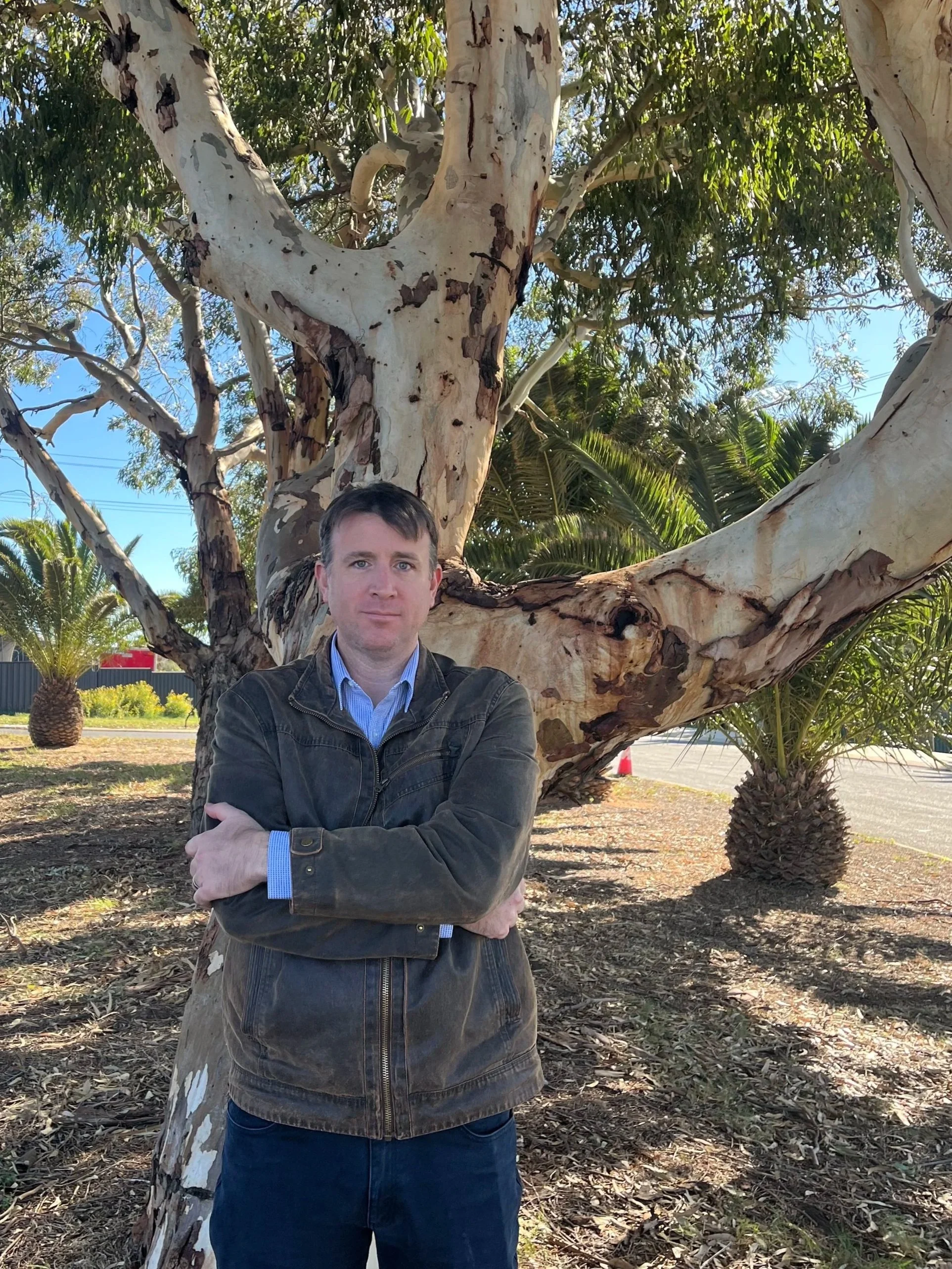
Murchison Regional Aboriginal Corporation CEO Brodie Pierce says they can build more houses, but need government support and land to do it. Image: Supplied
By Katherine Glass
A regional Aboriginal housing provider says Western Australia could ease overcrowding and long waiting lists by restoring vacant government properties and building modular homes on unused land.
The Murchison Region Aboriginal Corporation says Aboriginal-led housing organisations are ready to deliver more homes, but need greater financial support and access to government housing stock.
Social housing accounted for just 3.8 per cent of all homes in Western Australia last year, down from 4.4 per cent a decade ago, data from the Australian Institute of Health and Welfare shows.
MRAC chief executive Brodie Pearce said the decline was being felt most severely by families living in overcrowded homes or waiting for accommodation across the Mid West and Gascoyne.
“What it means is overcrowding and no housing,” he said. “This is why there’s so much overcrowding. That’s why the waiting lists are blowing out of control.”
Figures provided to WA Parliament show there were 23,637 applications on the state’s public housing waiting list at the end of May, including 8,241 priority applications.
While the WA government recently announced a major overhaul of the state’s public housing waitlist, to ensure the most urgent cases went to the top of the list - the changes could be two years away.
Vacant homes could house hundreds
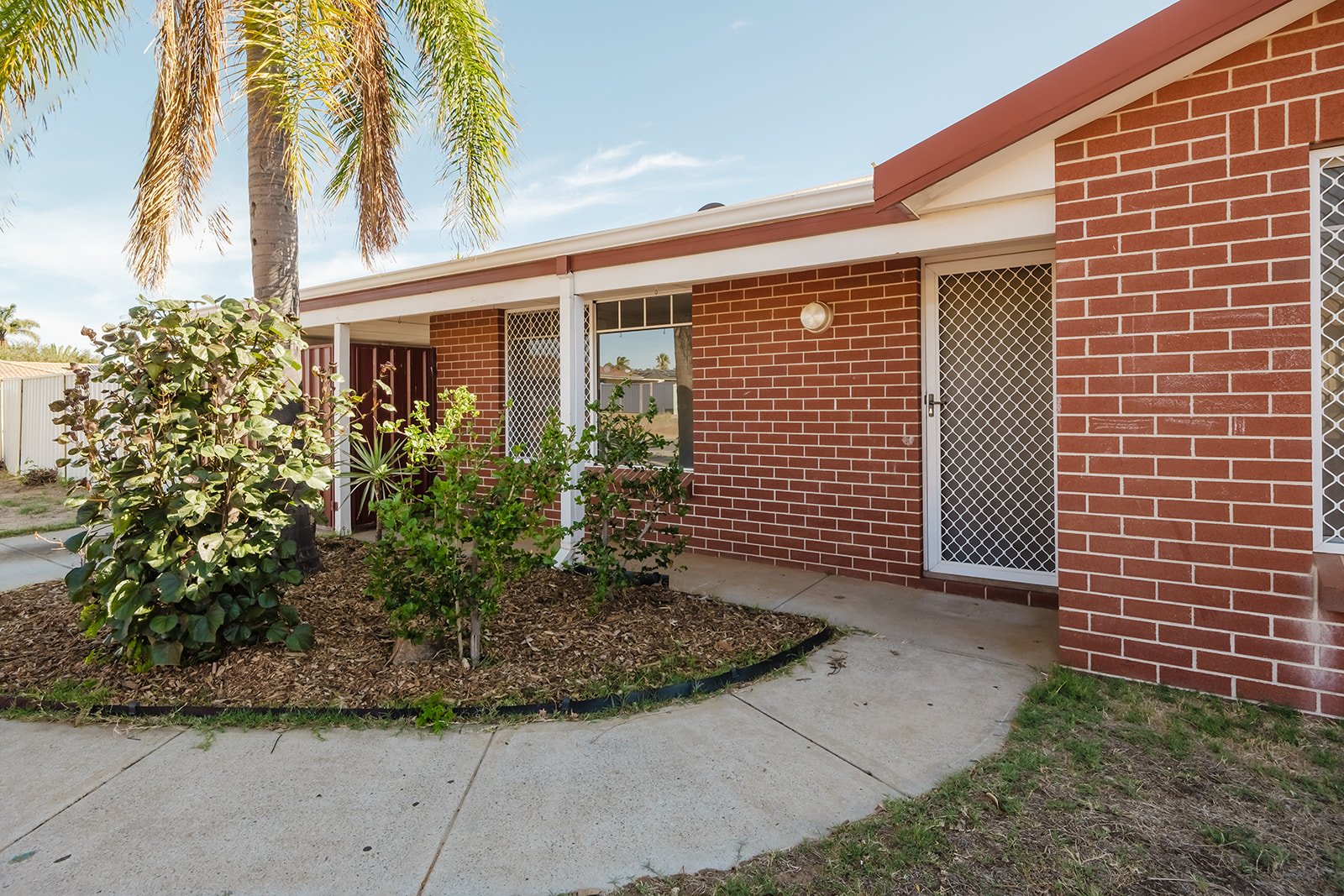
Mr Pearce said government-owned homes had remained vacant for extended periods in places such as Geraldton, despite strong demand for housing.
He estimated that about 100 vacant properties could accommodate between 400 and 500 people if they were repaired and returned to use.
“It’s all well and good that we want to build more, but how about we refurbish and get back on track the homes that government already owns?” he said.
Earlier this year, figures showed just over 10 per cent, or just 124 of Greater Geraldton’s 1,107 public housing properties, were vacant in January.
MRAC says it could taking responsible for some vacant properties, completing the necessary repairs and placing tenants in the homes.
Mr Pearce said the organisation had previously completed major property refurbishments within two to three months by working with established regional contractors.
The corporation also wants to build modular homes on unused government land across the Mid West and Gascoyne.
Mr Pearce said MRAC had identified about 100 potential parcels of Crown or state-owned land that could support an ongoing construction program.
“We are able to build faster and cheaper than the state using contractors that are proven in the regions,” he said.
“These are good-quality homes, so we are keen to proceed.”
Registration yet to deliver additional housing
MRAC has provided housing services to Aboriginal families for about 40 years and owns or manages more than 100 properties across the Mid West and Gascoyne.
The corporation says it was the second Aboriginal organisation in Western Australia to become a registered community housing provider and remains the only Aboriginal provider in regional WA.
Mr Pearce said the Tier 3 registration process had brought significant compliance, reporting and auditing requirements, but had not yet resulted in additional housing stock or financial support.
“Since becoming registered, we have submitted multiple grants, including the modular housing and refurbishment projects,” he said.
“To date, we have not had any grant or support provided flowing from that housing registration.”
He said Aboriginal housing providers faced an increasingly difficult financial model because rental income often did not cover the cost of managing and maintaining properties.
The Productivity Commission’s 2026 Report on Government Services estimated the avreage annual cost at $20,148 for each Indigenous community housing dwelling in 2024–25.
Mr Pearce said governments needed to provide ongoing support to prevent Aboriginal community housing providers from losing money.
Government points to record investment.
The WA Government says it has committed $10.8 billion to housing and homelessness measures since 2021, promising more than 5,000 new social and affordable homes - but most of those are yet to be built.
Mr Pearce welcomed investment in new homes, but said government agencies needed to work more closely with established Aboriginal organisations.
He said stable housing produced benefits beyond just shelter, including better health, school attendance, employment prospects and family wellbeing.
“Housing is not just a fundamental right, but a requirement for prosperity,” he said.
“When people have a stable home, they can look after their family. Their kids start going to school and entering apprenticeships, and it has cascading benefits.”
He said decades of government agreements had promised to improve Aboriginal housing, infrastructure and essential services, but many communities were continuing to fall behind.
“When the community has homes, it has broader benefits for everyone,” Mr Pearce said.
“It looks after families and enables everyone to do better.
“When people don’t have access to housing, things can go wrong and people can’t get in front.”