
PILBARA SOCIAL WORKER FEARS NDIS REFORMS COULD WEAKEN CULTURALLY SAFE SERVICES
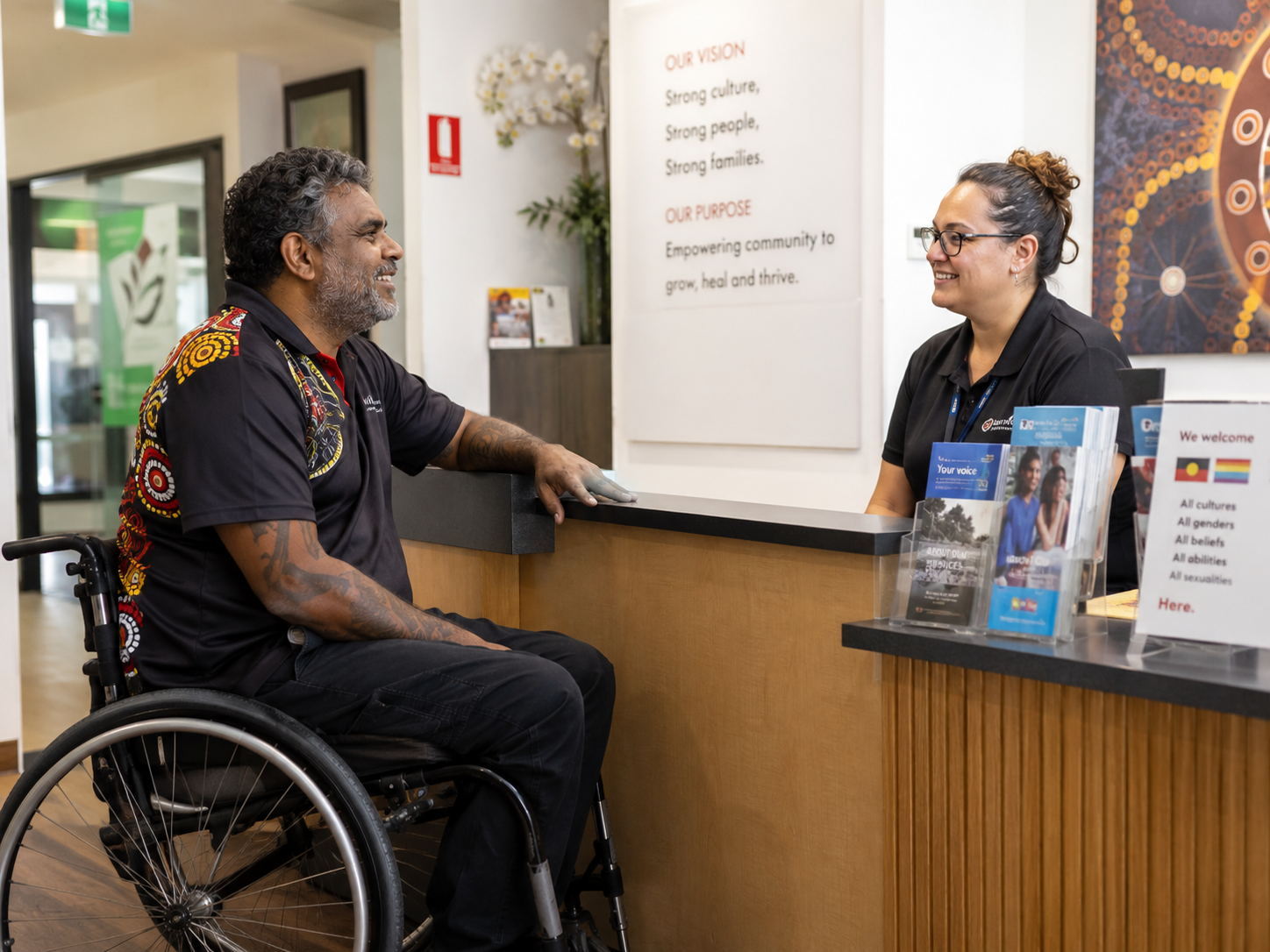
Illustration of an Aboriginal man using a wheelchair accessing a community service. Image: Ngaarda Media.
By Katherine Glass
A Pilbara-based Social Worker says continuing changes to the National Disability Insurance Scheme could place culturally safe disability services at risk and force smaller First Nations providers out of the sector.
Lynette O’Donoghue is the Owner and Manager of Ngarluma Support Coordination, a community-based service helping Aboriginal and Torres Strait Islander people understand their NDIS plans and connect with the services they have been funded to receive.
Ms O’Donoghue, whose father is Wongatha and mother is Ngarluma, grew up between Kalgoorlie and Roebourne.
She said Aboriginal participants were more likely to remain engaged with disability services when they were supported by someone who understood their culture, family relationships and connection to Country.
“Cultural safety isn’t just something that’s a nice to have,” she said.
“It’s really the difference between the client engaging with the support or withdrawing completely from supports.”
Families missing out
Ms O’Donoghue is a Social Worker who previously held senior government roles in Western Australia and the Northern Territory.
She returned to the Pilbaraa area about four years ago and established her business after seeing local families struggle to navigate support within the NDIS System.
“A lot of the local families had not received the quality of service that they were entilted to.” she said.
“The mainstream services, which are very limited in the Pilbara, don’t understand our culture, our communication style or the realities of the responsibilities of being in Aboriginal families.
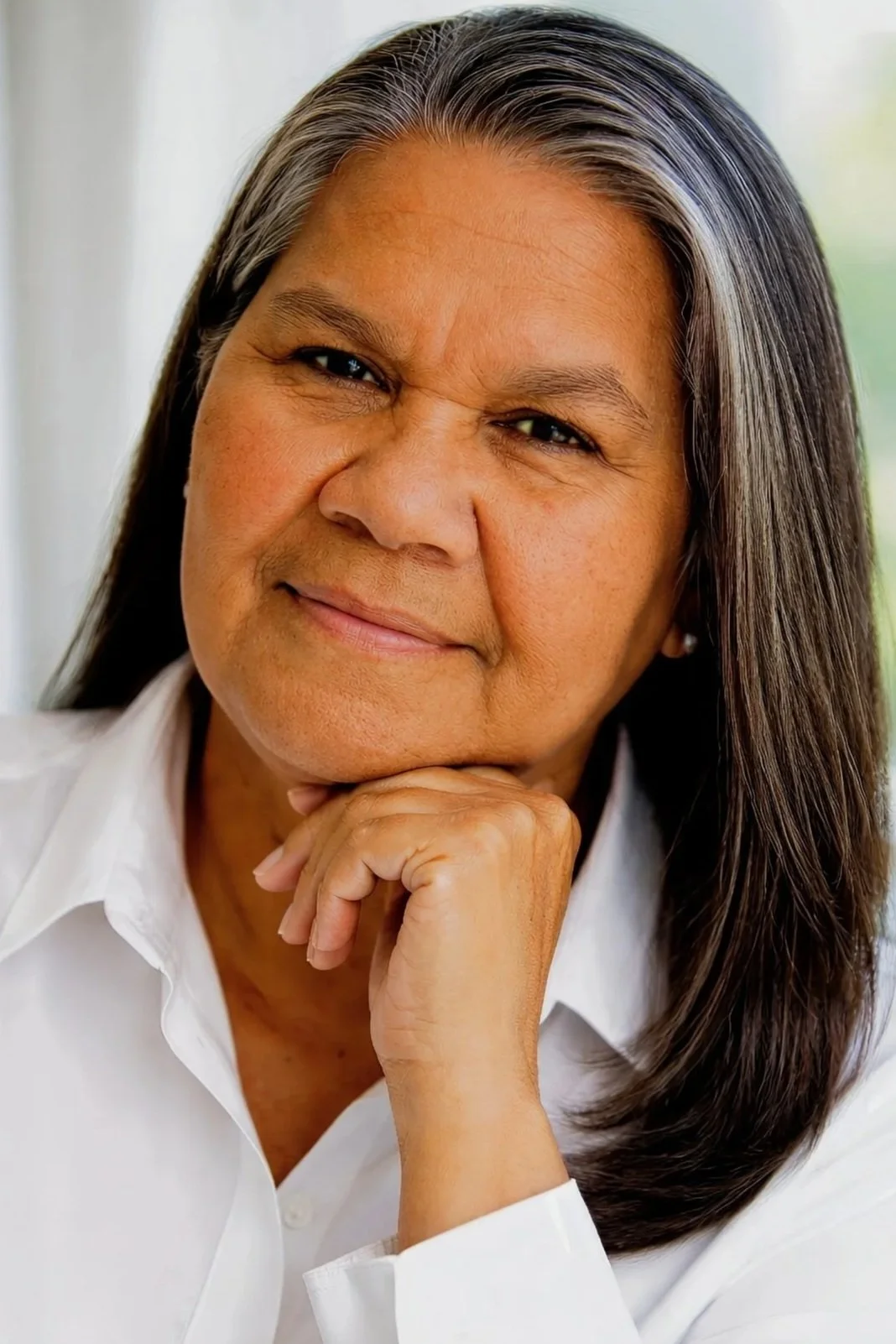
Ngarluma Women, Owner and Manager, Lynette O’Donoghue BSW
“I wanted to create a service where mob could feel safe, respected and understood.”
Support coordinators help NDIS participants implement their plans, identify suitable providers and connect with disability, health and community services.
Ms O’Donoghue said culturally safe support required providers to understand kinship responsibilities, listen without judgement and recognise the effects of racism and intergenerational trauma.
She said this sometimes meant working at a family’s pace instead of imposing strict appointment schedules and service structures.
Trust rebuilt after participant disengaged
Ms O’Donoghue described working with an Aboriginal participant who had withdrawn from health and disability services following previous negative experiences.
She said mainstream providers had attempted to engage the participant for about 12 months but their appointment-based approach did not fit with his family responsibilities.
Rather than immediately directing the participant into appointments, Ms O’Donoghue spent time meeting with the participant and their relatives and gradually building trust.
She later supported the family to speak with therapists, reconnect with health services and participate in community activities.
“The cultural connection and going at the family’s pace made all the difference,” she said.
Registration plans changed
The Federal Government has been progressively strengthening registration, payment and compliance requirements across the NDIS in response to concerns about participant safety, service quality, fraud and exploitation.
Mandatory registration requirements began on July 1, 2026, for providers delivering Supported Independent Living and for businesses operating NDIS digital platforms. Existing unregistered Supported Independent Living providers have until October 1, 2026, to apply and can continue delivering services while their applications are considered.
A previous proposal to make registration mandatory for all support coordination providers has been paused while further reforms are considered.
The NDIS Quality and Safeguards Commission says registered and unregistered support coordinators must still comply with the NDIS Code of Conduct and provide safe, high-quality services.
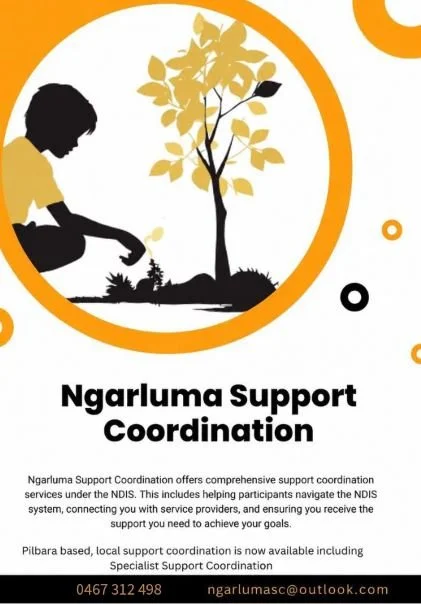
The informative Ngularma Support Coordination Poster
Broader mandatory registration requirements are due to begin rolling out from July 1, 2027, covering providers delivering higher-risk supports such as personal care, daily living assistance and services in closed settings.
The government says the registration expansion will eventually result in about 90 per cent of NDIS payments going to registered providers, with full implementation planned by the end of 2030.
Under the government’s wider reform timetable, a new commissioned support coordination model is planned to begin from July 1, 2028.
Small providers fear compliance burden
Ms O’Donoghue said she supported measures designed to keep participants safe, but feared increasing audits, paperwork and regulatory requirements could disproportionately affect small Aboriginal-owned services.
“Instead of spending time with my clients or their families and supporting them, I’ll be forced to spend a lot more time on paperwork, systems and regulatory processes,” she said.
She was also concerned that some independent support workers could leave the disability sector rather than meet future registration and compliance requirements.
In regional areas already facing shortages of disability services, she said the loss of even a small number of trusted workers could have a major effect.