
“BELIEVE HER”: WARNING OVER TECHNOLOGY-FACILITATED DOMESTIC VIOLENCE
A regional women’s support service is warning that everyday technology, including mobile phones, social media accounts, GPS trackers and smart-home devices, is increasingly being used to monitor, frighten and control victim-survivors of domestic and family violence.
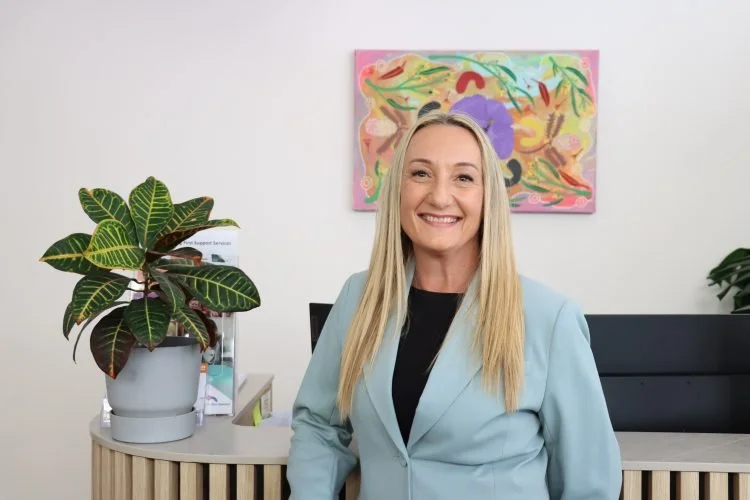
Desert Blue Connect chief executive Meegan Taylor said technology-facilitated abuse was not simply a digital privacy issue, but could form part of a wider pattern of coercive control.
“Technology-facilitated abuse—it’s not really about technology. It’s about power and control. Technology is supposed to keep us connected and safe, and it’s not supposed to be a tool used to frighten, control or isolate someone, but that’s exactly what they’re doing.”
Technology-facilitated abuse can include cyberstalking, reading private messages, accessing cloud accounts, demanding passwords, placing trackers on vehicles or belongings, creating fake social media profiles and using connected household devices to watch or unsettle someone.
Warning signs can include a person repeatedly knowing where someone has been, knowing about private conversations, unexpected account logins, unexplained password changes or unfamiliar applications appearing on a device. However, these signs can have other causes and should be assessed with specialist support.

Desert Blue Connect CEO Ms Taylor said victim-survivors in regional and remote communities could face added barriers, including distance from specialist services, unreliable phone coverage and the use of shared devices or accounts. She said digital safety advice must be delivered without blaming women or unnecessarily separating them from family, cultural and community connections.
The period during and immediately after separation can carry heightened risk. If someone suspects their device is being monitored, they should avoid making sudden changes—such as deleting suspected spyware or factory-resetting a phone—without first developing a safety plan. Changes may alert an abusive person, destroy potential evidence or escalate their behaviour. Australia’s eSafety Commissioner recommends seeking help from a safe device where possible.
Ms Taylor said friends, relatives and community members should listen carefully if someone says they feel watched or controlled.
“First and foremost, believe her. She’s an expert in her own life. Please believe her and listen to her seriously. Women often will say, ‘He always knows where I am.’ She’s right.”
Evidence such as screenshots, threatening messages, unexpected account activity and details of tracking devices may assist police, courts or online safety authorities. It should only be collected when safe, preferably with help from a specialist support worker and using a trusted device.
Desert Blue Connect provides women’s health and family and domestic violence support across Western Australia’s Mid West. Ms Taylor was confirmed as the organisation’s chief executive in May 2026.
HELP AND SUPPORT
If you are in immediate danger, call Triple Zero on 000.
1800RESPECT: Call 1800 737 732, text 0458 737 732, or access online chat and video support 24 hours a day at 1800RESPECT.
13YARN: Aboriginal and Torres Strait Islander crisis support, available 24/7 on 13 92 76 or through 13YARN.
eSafety Commissioner: Digital safety planning, evidence guidance and online abuse reporting at eSafety.
Desert Blue Connect: Mid West family and domestic violence support on (08) 9964 2742, Monday to Friday, or visit Desert Blue Connect.
If you believe your device is being monitored, consider accessing these services from a trusted person’s phone or another safe device.