
CALL IT OUT: MOB HAVE UNTIL MARCH 20 TO SHARE THEIR STORY
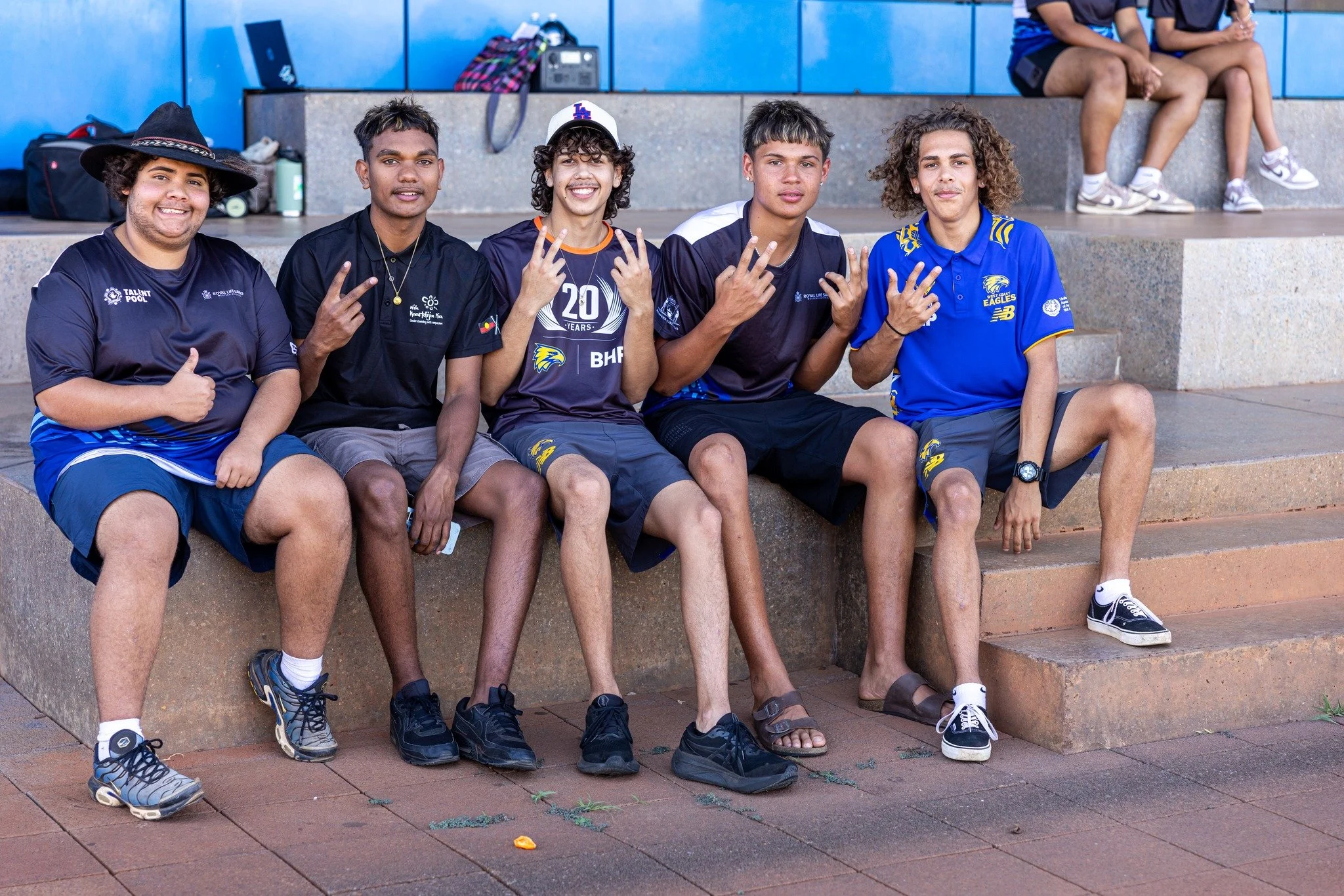
Photo taken by Ngaarda Media in Hedland in 2025
BY TANGIORA HINAKI
First Nations people across WA are being reminded there is still time to report experiences of racism through the national Call It Out register.
The platform, run by the Jumbunna Institute for Indigenous Education and Research, allows Aboriginal and Torres Strait Islander people, witnesses, families and community members to confidentially document incidents of racism.
Ngaarda Media’s Tangiora Hinaki spoke with Associate Professor Fiona Allison, who says the register was set up several years ago to create a safe space for mob to speak up.
“We know it can be difficult for people to come forward,” she said. “The idea was to gather those accounts together and present that evidence back to the broader public.”
Young people speaking up
This year’s reporting period has seen more young people sharing their experiences, particularly in schools.
There are also ongoing reports involving the criminal legal system, including concerns about over- and under-policing, and limited accountability when complaints are made.
The report documents incidents described as “aggressive racism”, including physical assaults, threats and intimidation.
Professor Allison says the evidence highlights ongoing patterns of institutional racism and the impact this has on individuals, families and communities.
Why it matters
The data is shared publicly and used by advocates and organisations to push for reform. Government representatives attend report launches and review the findings each year.
Professor Allison says collecting the evidence is important, especially when racism is denied or dismissed.
It provides proof of the extent to which it occurs,” she said.
Deadline approaching
Mob have until March 20 to submit for the 2026 report.
Reports can be made confidentially by searching Call It Out online and completing the questionnaire.
For WA communities, contributing to the register also helps build a clearer picture of what’s happening on the ground — and strengthens calls for accountability and change.