
DAY FOUR: PACIFIC MEDIA SUMMIT CALLS FOR STRONGER WOMEN LEADERSHIP, YOUTH OPPORTUNITIES AND A MORE RESILIENT BLUE PACIFIC
BY TANGIORA HINAKI THURSDAY, 24 SEPTEMBER 2026 | SAVUSAVU, FIJI
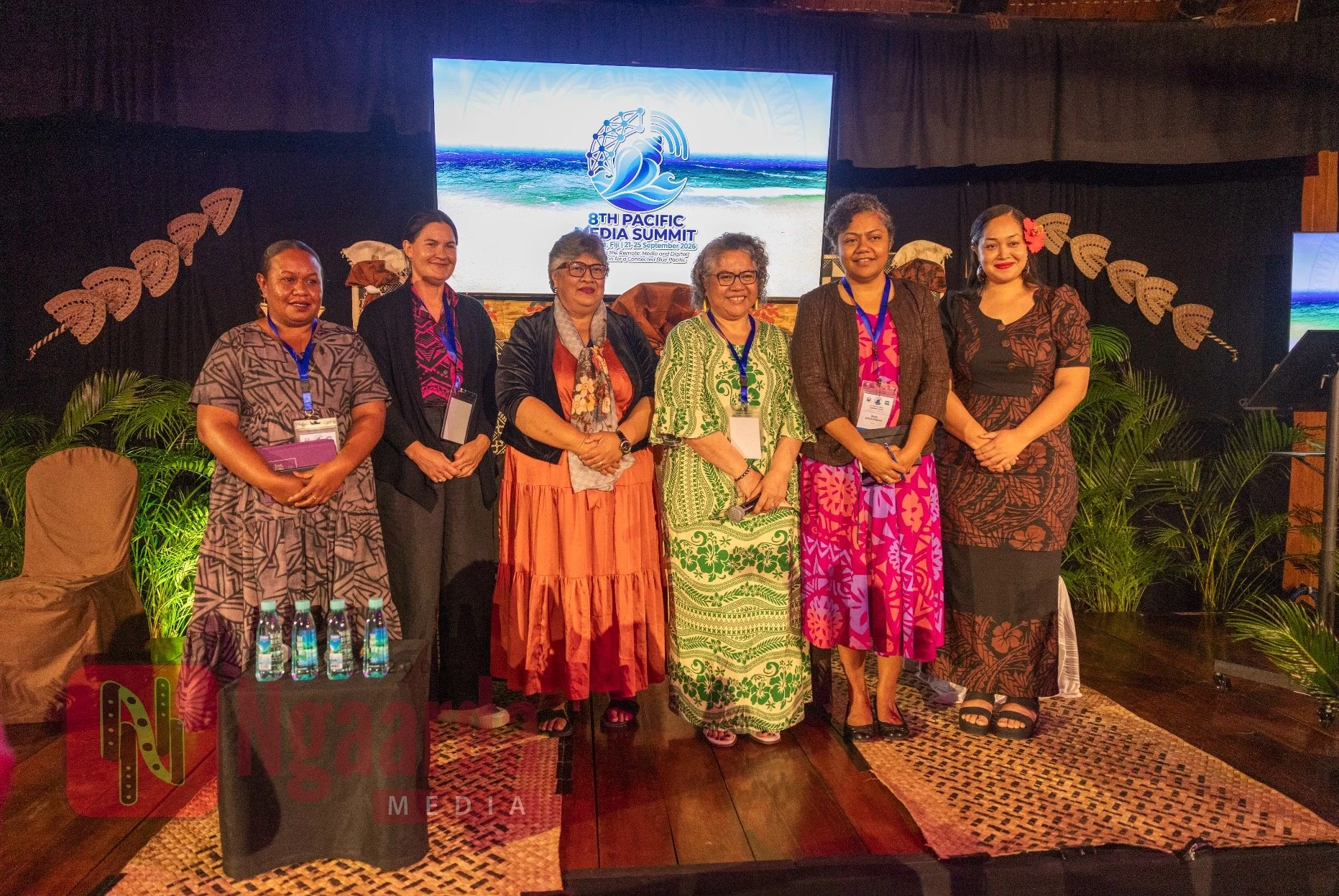
The fourth day of the Pacific media summit brought together media leaders, journalists, broadcasters and regional partners to examine the future of journalism across the Pacific, with a strong emphasis on women's leadership, opportunities for young journalists, financial sustainability and reaching remote communities.
Delegates discussed the realities of running small newsrooms, the growing problem of online harassment, the importance of protecting cultural identity and the responsibility of established media leaders to create opportunities for the next generation.
The day also highlighted the role of media partnerships in improving access to information, technology and essential services across the Pacific.
PACIFIC WOMEN JOURNALISTS SPEAK OUT ON ONLINE ABUSE AND WORKPLACE PRESSURES
A Women in Media Fiji survey revealed that female journalists continue to experience demanding workloads, staff shortages, low wages and limited opportunities for professional development.
The findings also highlighted technology-facilitated gender-based violence, including sexualised comments, online harassment and abuse that can affect journalists' emotional wellbeing and family lives.
Delegates heard that women increasingly rely on mentors, family, spirituality and professional networks to manage these pressures. Women in Media organisations across the Pacific are creating spaces where female journalists can share their experiences and seek support.
"These journalists need—young female journalists need that safe space to be able to share their stories."
The discussion reinforced calls for safer workplaces, practical mental health support and greater investment in women journalists throughout the region.
SOLOMON ISLANDS NEWSROOM BUILDS THE NEXT GENERATION OF JOURNALISTS
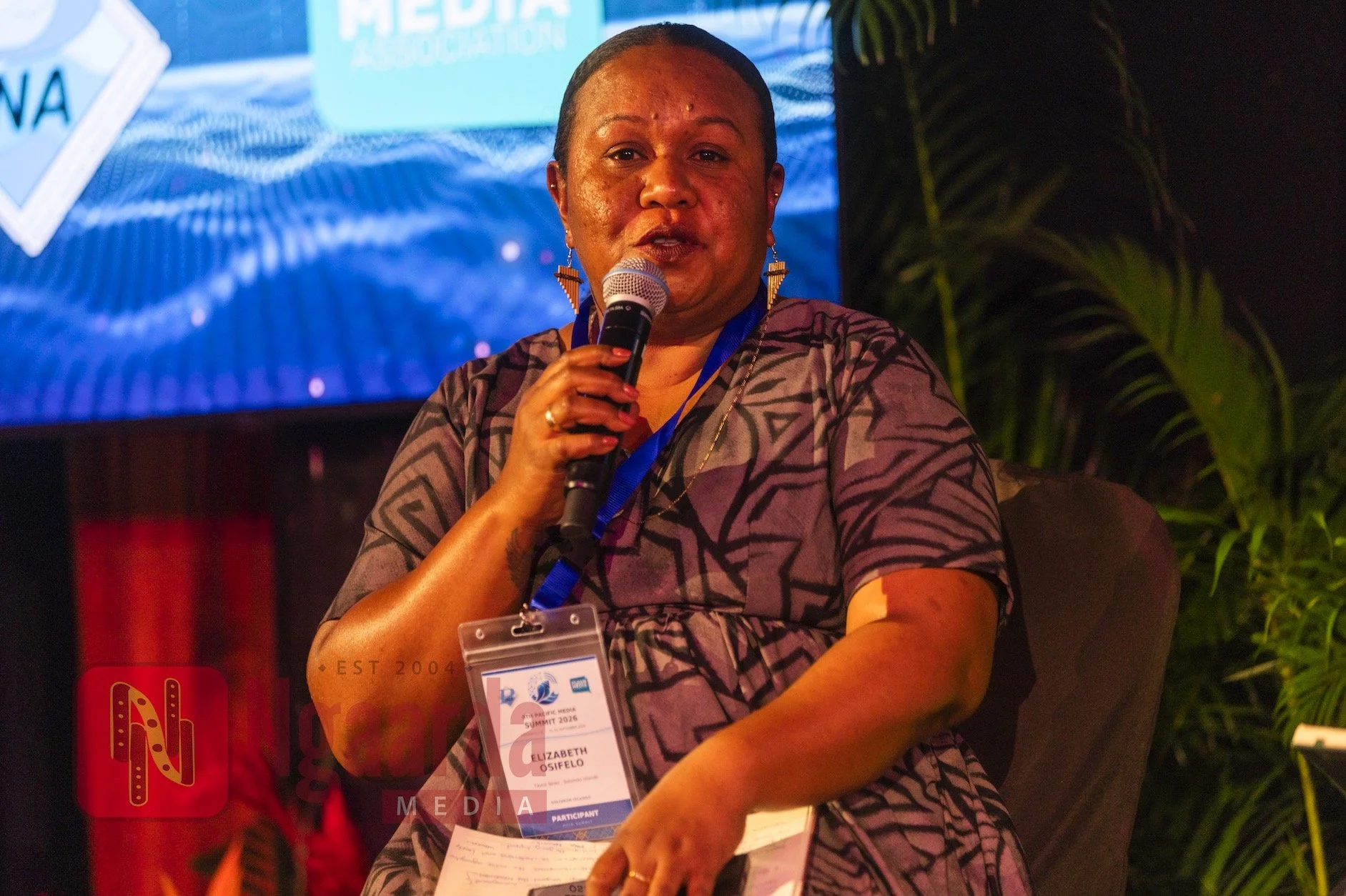
Elizabeth Osifelo, director of Tavuli News in the Solomon Islands, shared how her independent newsroom is developing young journalists despite limited resources.
Operating from Honiara, the four-year-old organisation has eight staff, most under the age of 30. Its journalists have learned multiple skills, including camera operation, digital production and reporting.
Osifelo explained that the newsroom introduced an internship program to give young people practical experience and employment opportunities.
She also expressed concern about the loss of a journalism certificate program in Honiara, warning that fewer training opportunities could weaken the future media workforce.
ELIZABETH OSIFELO, SOLOMON ISLANDS
"It is a very challenging position. It is a very lonely place to be sometimes. I do not have the answers to everything. I'm also learning at the same time."
Her message highlighted the determination of independent Pacific newsrooms and the need to invest in aspiring journalists before experienced reporters leave the industry.
TONGA SHOWS HOW WOMEN AND MEN CAN LEAD TOGETHER
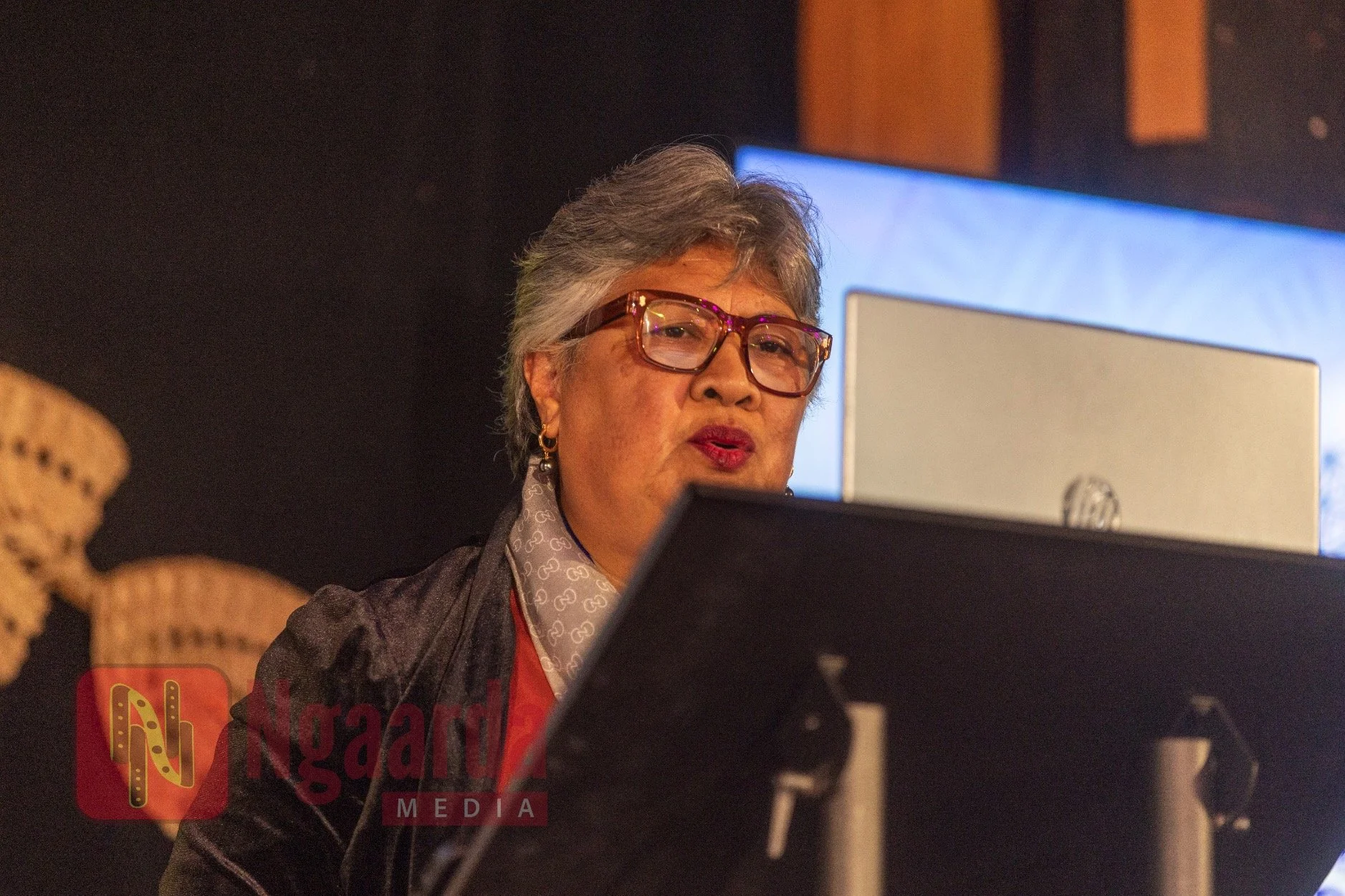
Katalina Uili Tohi, president of the Media Association of Tonga, delivered a strong message about inclusive leadership and the achievements of women in Tongan newsrooms.
She explained that women already occupy senior positions across Tonga's media industry, including chief executive, editor and sub-editor roles.
Tohi credited generations of dedicated women and the male colleagues who had actively supported their advancement.
She argued that true inclusion requires everyone to recognise and encourage leadership potential, while ensuring younger journalists receive mentoring and opportunities.
KATALINA UILI TOHI, TONGA
"In Tonga, women are not knocking on the door of media leadership. They are already inside. They are already leading."
Tohi encouraged Pacific media organisations to draw on cultural values of collective responsibility and cooperation when building leadership opportunities.
RADIO AUSTRALIA HIGHLIGHTS DIVERSITY AND THE CHALLENGES FACING WORKING MOTHERS
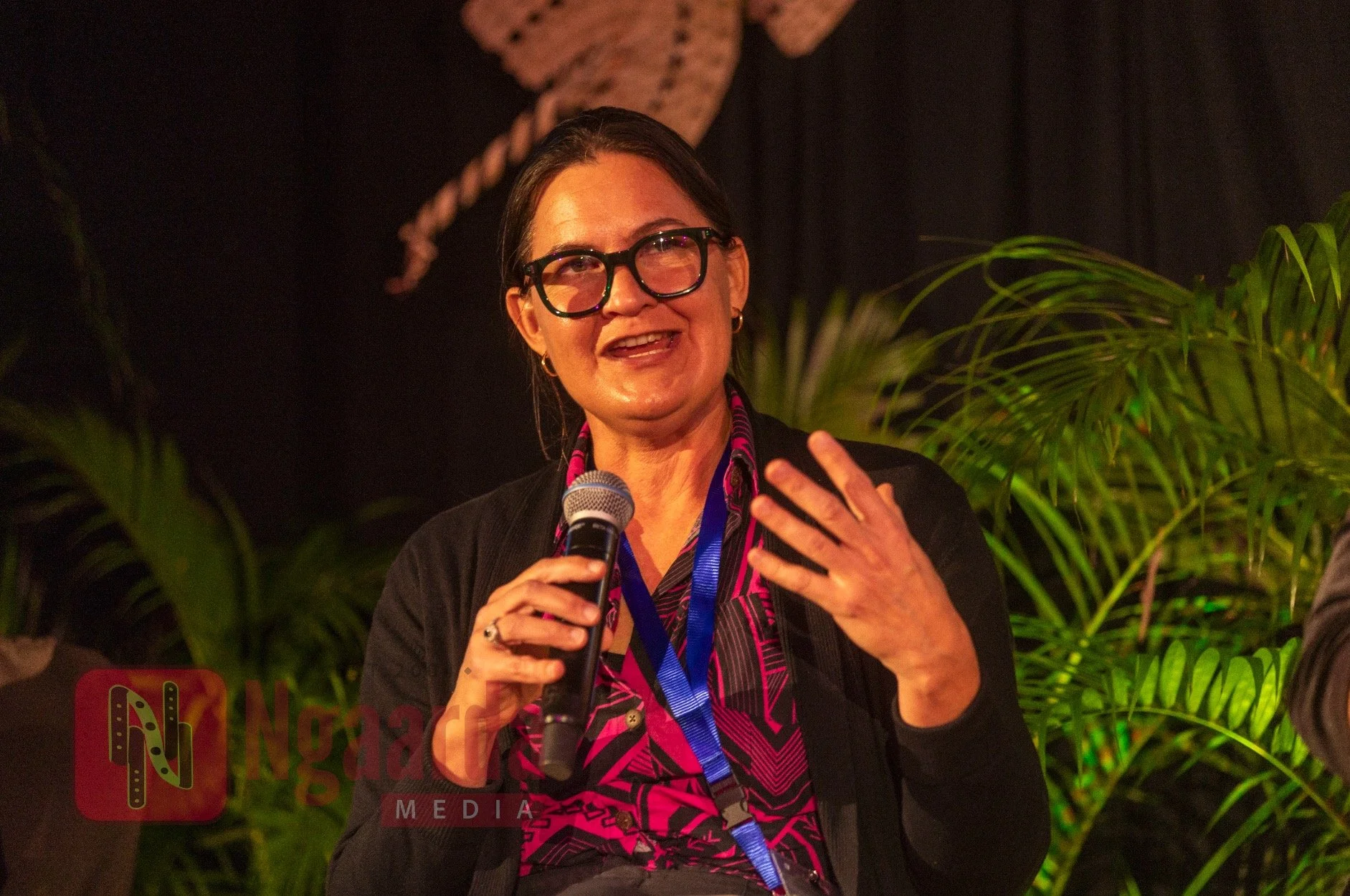
ABC International's Inga Stünzner discussed how Radio Australia has rebuilt its workforce to better reflect the Pacific audiences it serves.
Following renewed investment, the broadcaster has expanded its regional presence, transmitting to 16 countries across Melanesia, Micronesia and Polynesia.
Inga Stünzner said approximately 75 per cent of its workforce now has Pacific heritage, while the organisation aims to maintain strong representation of women.
Drawing on her own career, she described how pregnancy, parenting and caring responsibilities can interrupt women's professional advancement.
She advocated paid parental leave, flexible employment, working from home and opportunities for women to return to senior positions after career breaks.
Women's leadership requires more than representation targets. Media organisations must create employment conditions that allow women to pursue their careers while raising families and maintaining financial independence.
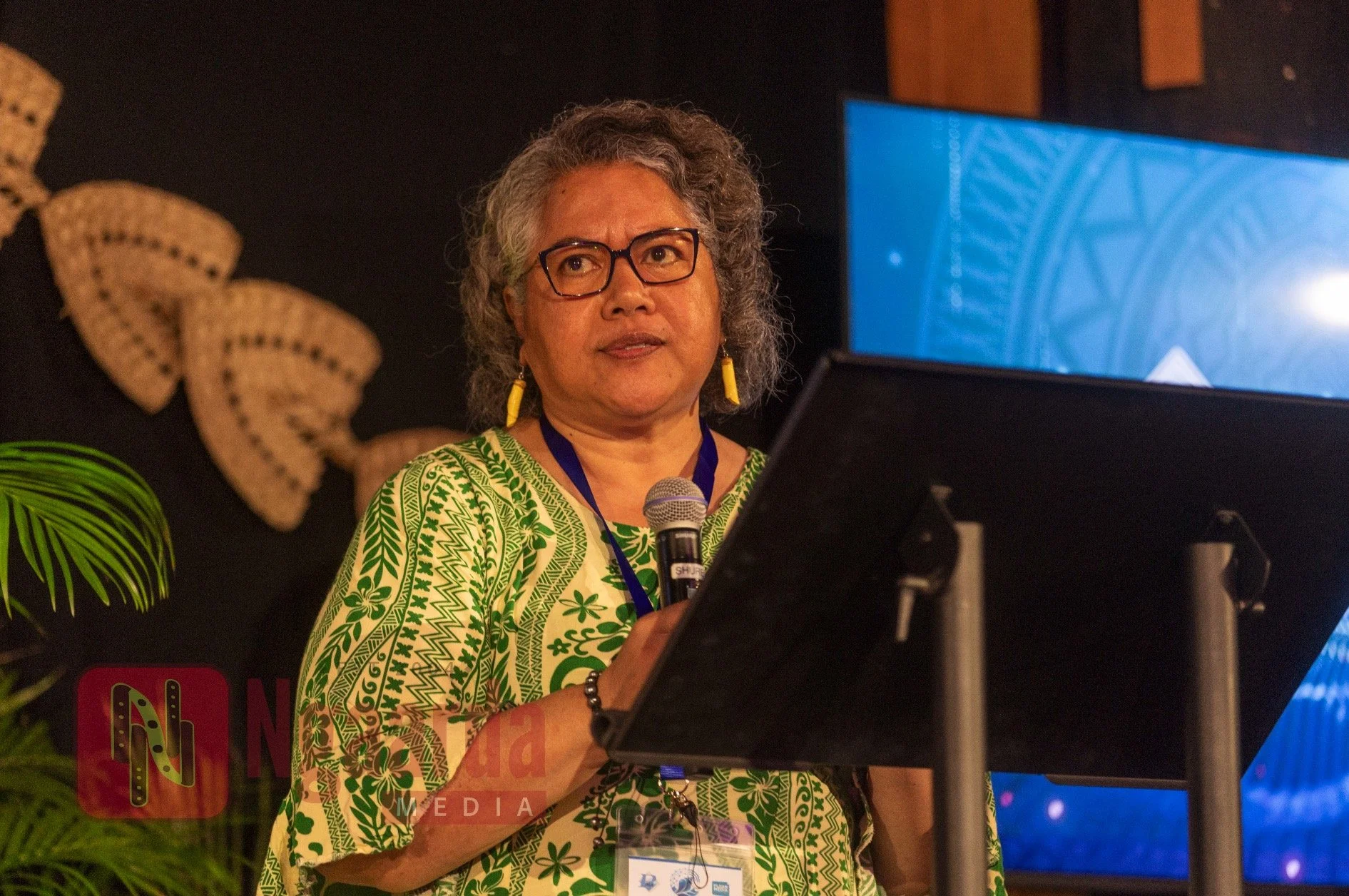
RNZ PACIFIC LEADER TELLS WOMEN TO LEAVE THE DOOR OPEN
RNZ Pacific manager Moera Tuilaepa-Taylor reflected on more than 30 years in the media industry, from factory-floor employment to newsroom management.
She told delegates that leadership is not simply about reaching senior positions but about helping others progress.
Tuilaepa-Taylor said RNZ Pacific now employs more women than men, with appointments based on the strength of candidates.
She praised the confidence and determination of young female journalists participating in the summit's Women in Media and anti-corruption discussions.
MOERA TUILAEPA-TAYLOR, RNZ PACIFIC
"If you are not at the table, then you are definitely on the menu."
Tuilaepa-Taylor also emphasised the need to leave opportunities open for emerging journalists and actively support the next generation of Pacific women media leaders.
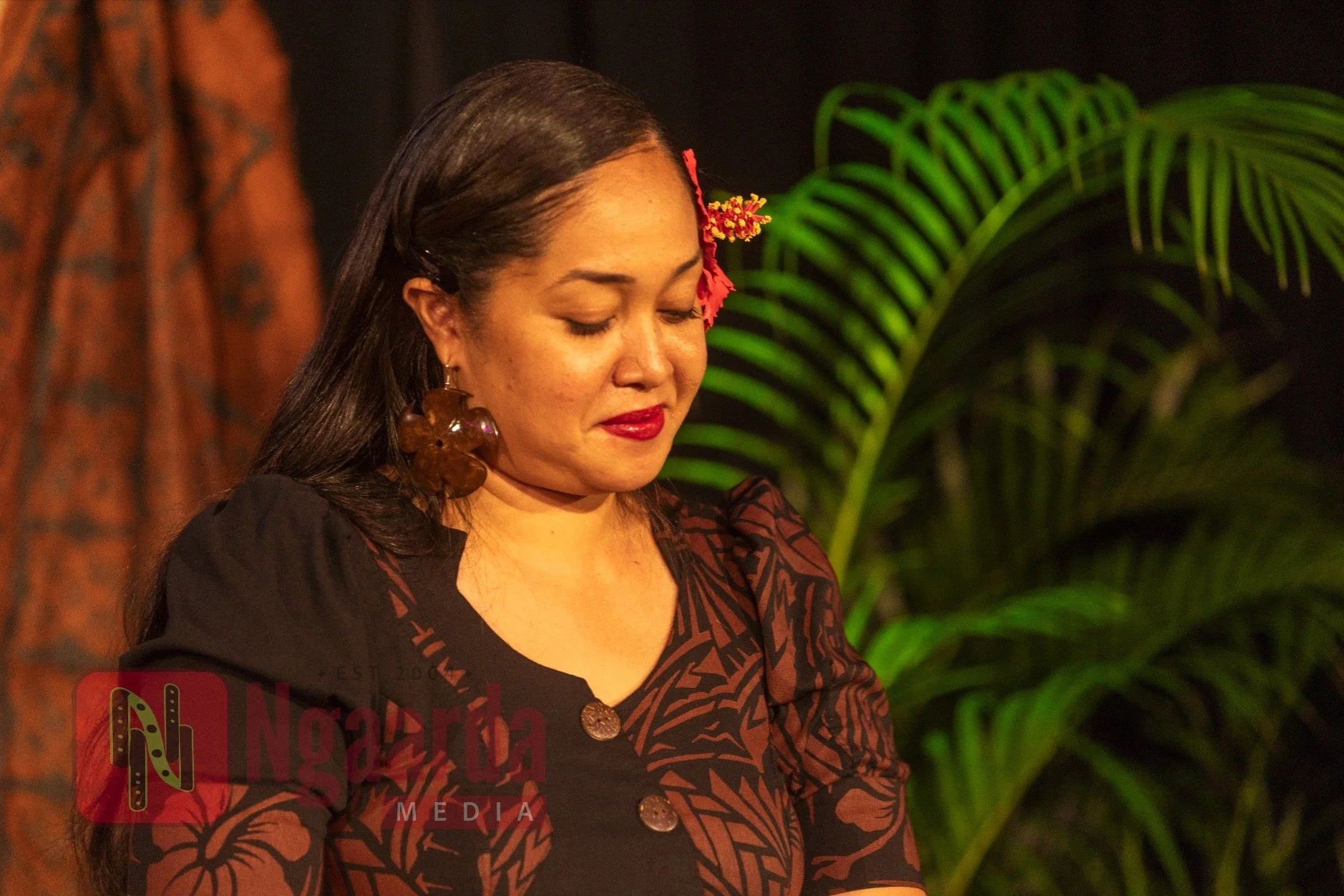
BSP CALLS FOR A CONNECTED, INFORMED AND RESILIENT BLUE PACIFIC
BSP Financial Group reinforced the importance of partnerships between major institutions and Pacific media organisations.
A BSP representative identified as Salome Waqailiti, a Public Relations and Communications Specialist with BSP Financial Group explained that the banking group serves more than 3.6 million customers across seven Pacific nations and employs more than 4,800 people.
She told delegates that digital innovation alone cannot overcome the barriers faced by remote communities, particularly where connectivity, costs and financial literacy remain challenges.
The presentation highlighted BSP's digital banking products, including e-wallets and QR payment options, and the role of local broadcasters in explaining these services to the public.
BSP also invited media organisations to collaborate on coverage of the 2026 Rugby League World Cup, particularly for remote Pacific audiences.
SALOME WAQAILITI, BSP FINANCIAL GROUP LIMITED
"Geography matters, connectivity matters, cost matters, confidence in trust matters, financial literacy matters."
The presentation also emphasised that commercial partnerships should not prevent journalists from questioning institutions or examining who benefits from new services.
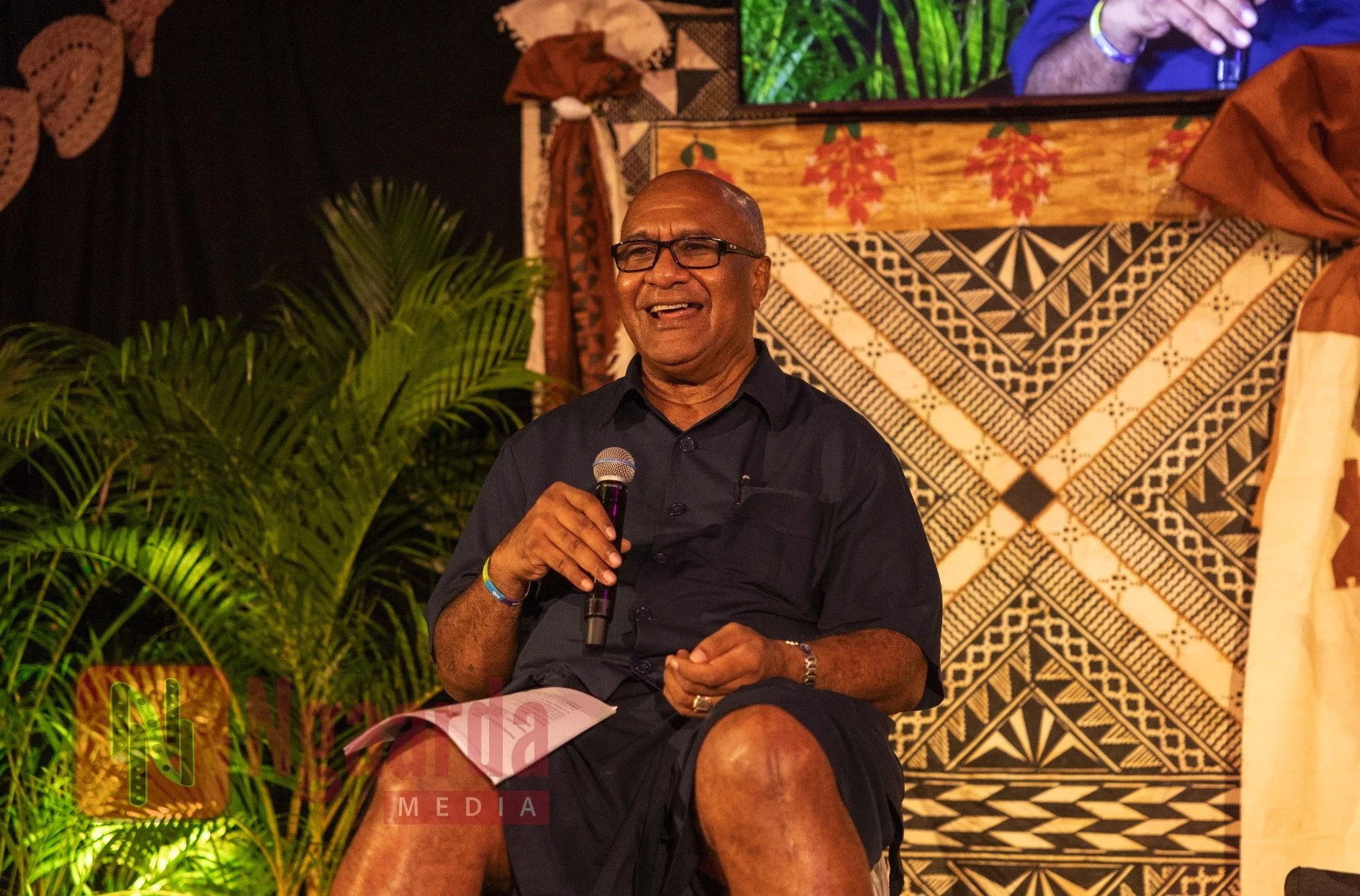
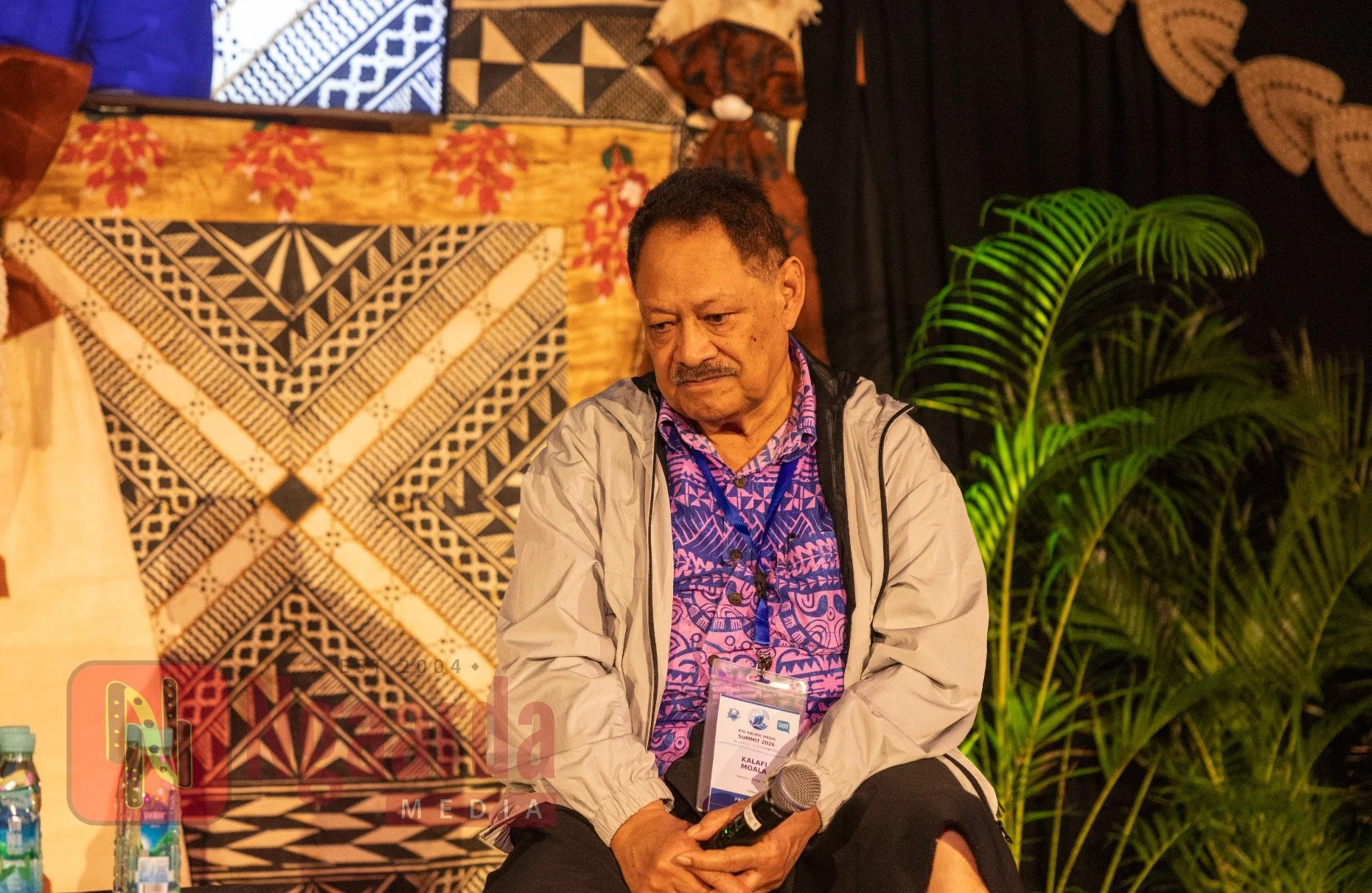
FIRST NATIONS AND PACIFIC MEDIA EXPLORE NEW REPORTING PARTNERSHIPS
Informal discussions between journalists from Australia, Samoa, Tonga and other Pacific nations explored opportunities for newsroom exchanges, shared reporting and stronger professional networks.
Ngaarda Media's Tangiora Hinaki discussed her organisation's work in the Pilbara, including statewide First Nations news, television production and practical training pathways for emerging Aboriginal journalists.
She shared how artificial intelligence can support young cadets learning to structure their stories, while emphasising that journalists must continue conducting interviews and producing original reporting.
Discussions included possible exchanges involving Pacific reporters, collaborative productions and equipment-sharing opportunities.
TANGIORA HINAKI, NGAARDA MEDIA
“Technology and partnerships can strengthen smaller newsrooms, but local journalists must remain responsible for gathering stories and representing their own people.”
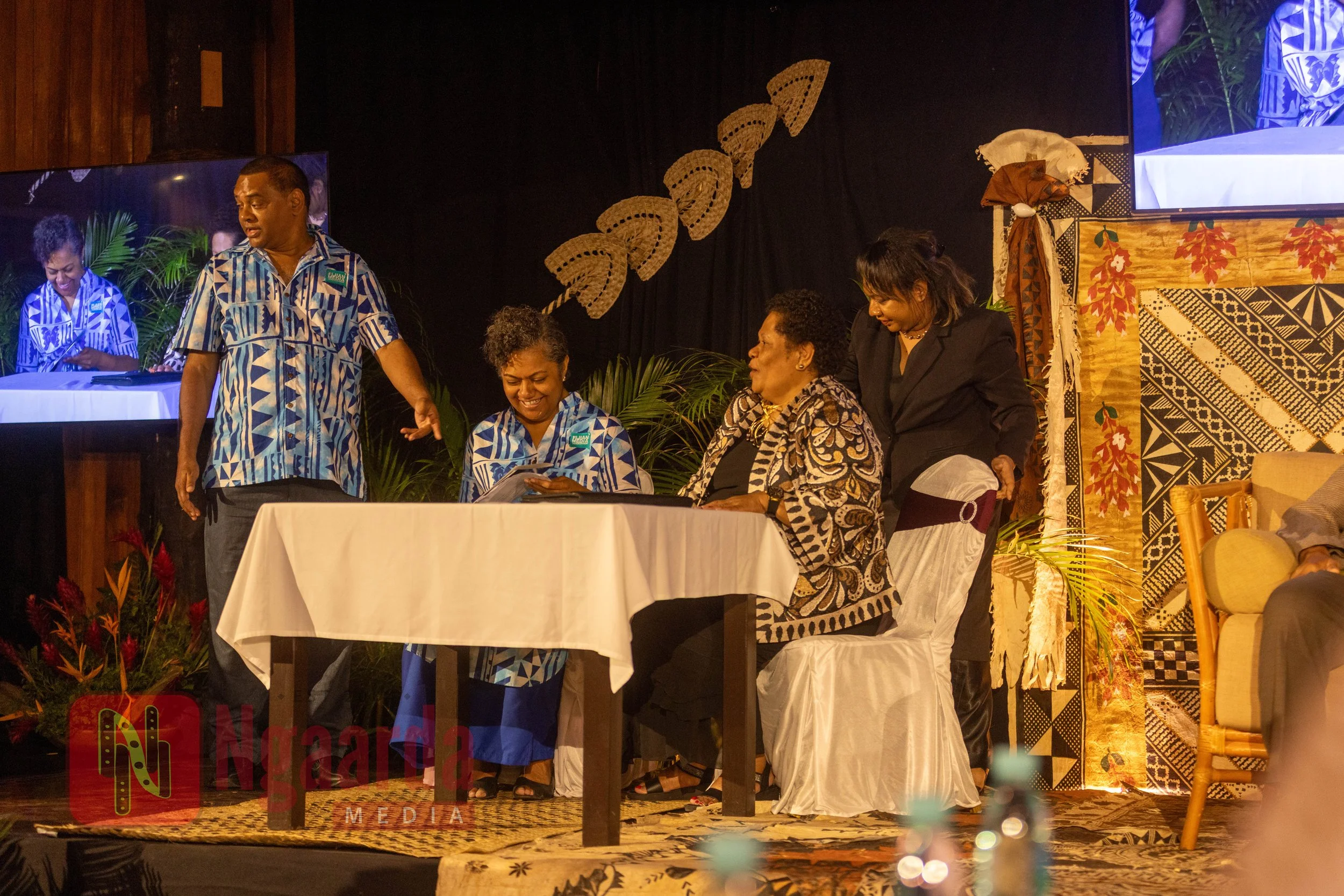
PACIFIC WOMEN CALL FOR GREATER CULTURAL REPRESENTATION IN MEDIA LEADERSHIP
Discussions between delegates highlighted concerns that some women's leadership initiatives do not adequately represent Indigenous women, Pacific women and journalists from culturally diverse backgrounds.
Participants questioned whether leadership programs were genuinely changing industry structures or simply reproducing existing inequalities.
They called for greater attention to family responsibilities, workplace flexibility, shared caregiving, job-sharing and culturally appropriate professional support.
Hinaki raised the importance of First Nations women having meaningful representation in Australian media leadership networks.
CLIMATE CHANGE REPORTING MUST REFLECT THE EXPERIENCES OF PACIFIC PEOPLE
Climate change emerged as an important subject during discussions between regional journalists exploring future reporting partnerships.
Delegates spoke about the direct impact of coastal erosion, extreme weather and natural disasters on Pacific families and communities.
Ngaarda Media discussed opportunities to strengthen reporting relationships with journalists in Tonga and Papua New Guinea, including stories on renewable energy, climate policy and the experiences of Indigenous communities.
The conversations also explored potential interviews ahead of regional climate discussions and future international negotiations.
DAY FOUR'S DEFINING MESSAGE
The fourth day's discussions reinforced that the future of Pacific journalism depends on investing in people as much as technology.
From independent newsrooms in the Solomon Islands to established broadcasters in Tonga, Australia and New Zealand, speakers repeatedly returned to the importance of mentoring young journalists, supporting women in leadership and ensuring media organisations remain financially viable.
For broadcasters serving remote and Indigenous communities, the discussions also highlighted the importance of reporting in local languages, maintaining trust and making sure geographically isolated people are not excluded from national conversations.
The strongest message to emerge from Day Four came from Tonga's Katalina Uili Tohi, president of the Media Association of Tonga"In Tonga.