
Family of Eli Rasmussen seeks answers after Karratha Health Campus death
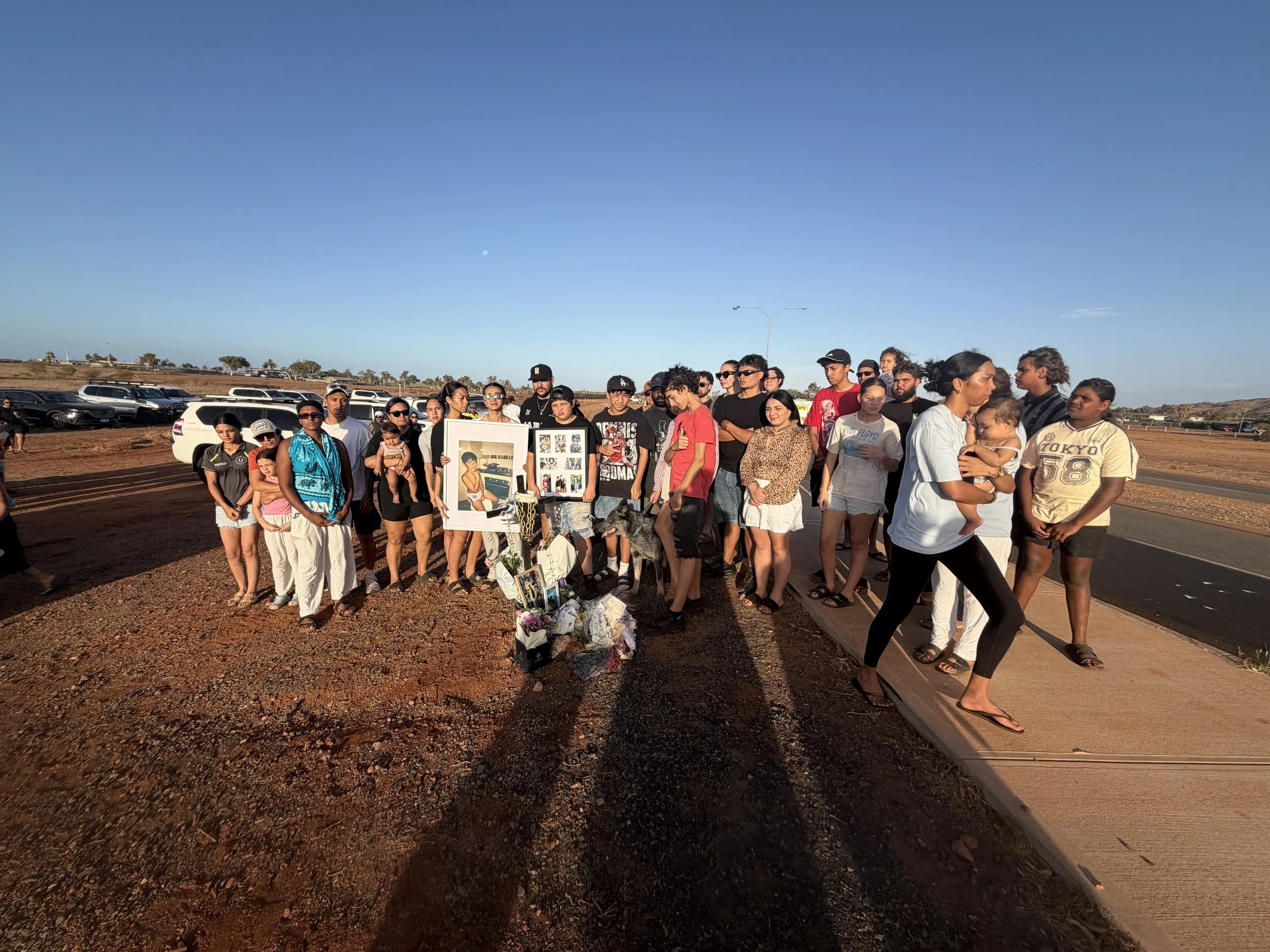
WARNING: Aboriginal and Torres Strait Islander viewers are warned that the following story contains images of a deceased person.
It has not even been six month since Eli Rasmussen unexpectedly passed away, however his family are still searching for clear answers after his death following a motorbike crash and subsequent care at Karratha Health Campus.
Eli’s mother, Soani, told Ngaarda Media the family felt left without proper support, information or follow-up after being asked to identify her son’s body at the hospital.
She said the family later requested a meeting with hospital staff because they still did not know key details about Eli’s final moments, including when he died, where he died, what treatment was provided, and who had cared for him.
The family says the grief of losing Eli was made harder by what they describe as poor communication and a lack of culturally safe support.
Soani said families facing sudden death should not be left to chase information while grieving.
Ngaarda Media sent questions to the Department of Health and WA Country Health Service on behalf of the family, asking for a response to concerns raised about Eli’s care and communication with his next of kin.
WA Country Health Service said some clinical questions could not be answered publicly without breaching patient confidentiality.
Dr Samir Heble, Executive Director Medical Services at WA Country Health Service, offered condolences to the family and said staff had met with them and would continue to answer questions or concerns.
WACHS said there was not a 45-hour delay in contacting the family, and said the next of kin was contacted as soon as the patient was identified.
The service also said medical and clinical staff had made themselves available to the family, and said there was nothing to suggest shortcomings in the care provided.
Soani said the meeting still did not give the family the clarity they were seeking.
The family says their call for answers is not only about Eli, but about making sure other grieving families are treated with compassion, clear communication and cultural understanding.
Soani said one person showing care could have changed the way the family experienced that night.