
Mobile laundry trailers helping remote WA communities prevent disease
By Katherine J Glass
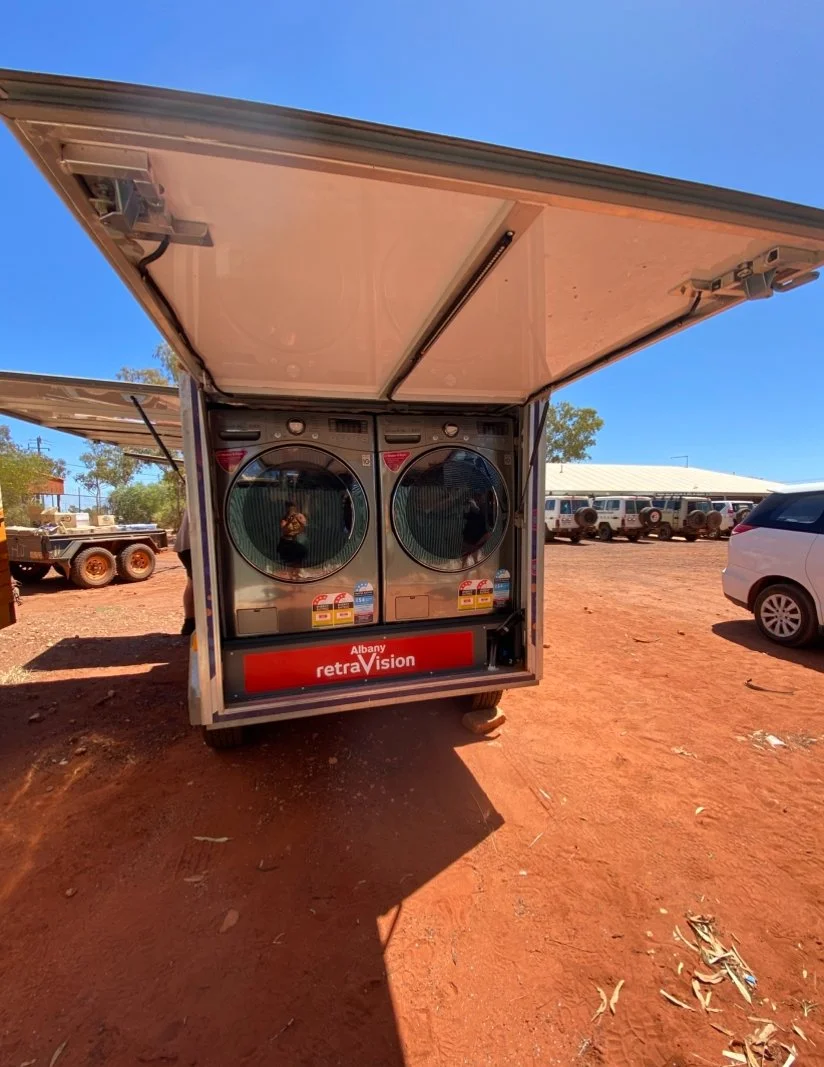
The convertable washing trailer.
Mobile washer and dryer trailers are being used in remote Western Australian communities to help prevent the spread of trachoma and other infectious diseases.
Dr Melissa Stoneham, who leads the #EndingTrachoma program through Curtin University, said access to clean clothes, bedding and towels played an important role in keeping families healthy.
Trachoma is a bacterial eye infection that can cause blindness after repeated infections, particularly when it spreads among children.
Australia has recently been recognised as having eliminated trachoma as a public health problem, but health workers say ongoing prevention remains important in remote Aboriginal communities.
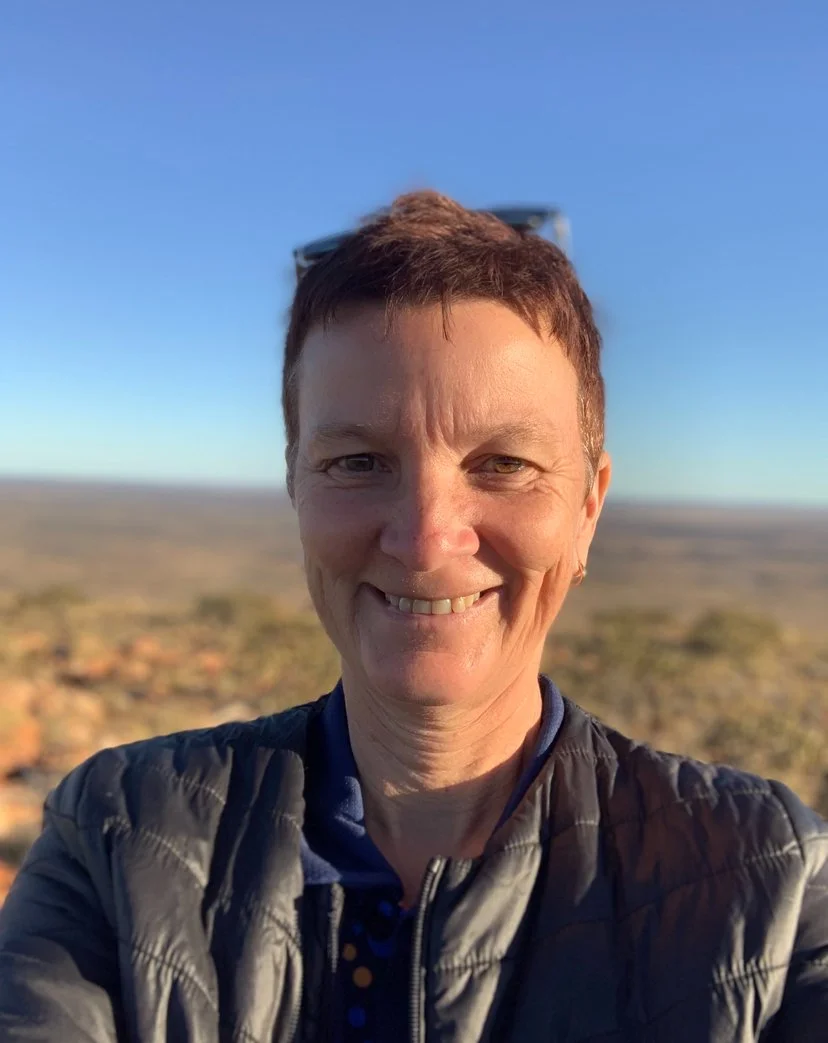
Dr Melissa Stoneham, the founder of the program.
Dr Stoneham said many families in remote communities did not have easy access to working washing machines, dryers or affordable hygiene products.
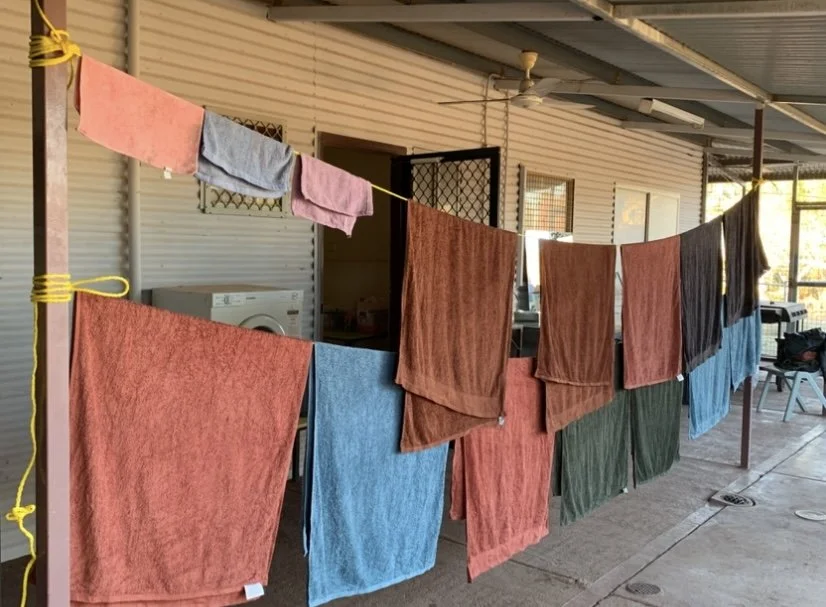
“Families who mostly live in remote communities who don’t have access to things like a laundromat or functional washing machine can actually access washing machines and dryers to make sure that their bed linen and their clothes are laundered properly,” she said.
The program has two mobile washer and dryer trailers, donated through Rotary’s EndTrachoma program.
One is based in the Pilbara and supports communities including Warralong and surrounding areas, while the other is based in the Ngaanyatjarra Lands, including Warburton.
Each trailer is designed to travel on remote roads and includes two washer-dryer units capable of hot washes. The trailers also include a hand-washing basin, barbecue and jumping castle.
Dr Stoneham said the extra features helped turn laundry days into community events, giving environmental health workers time to speak with families about hygiene, handwashing and disease prevention.
“You know, a load of washing might take 40 minutes,” she said.
“They can have a barbecue, feed the families, make sure that they wash their hands before they eat, and if there’s lots of kids around, they can put the jumping castle up.”
Dr Stoneham said demand for the trailers had been strong, particularly where household washing machines were broken, too small for bedding, or difficult to repair because of distance and cost.
She said in one case, a trailer was taken to an aged care home after its washing machines broke down, helping ensure older residents still had access to clean linen and clothing.
The program also works inside homes to improve plumbing and make sure families have access to running water for washing faces and hands.
Dr Stoneham said the work pointed to broader issues around housing maintenance and infrastructure in remote communities.
She said her team had visited 41 remote communities across WA over nine years and often found maintenance issues that were difficult for families to report or have repaired.
“Sometimes the community members themselves are a little bit hesitant to call, to report what the issues are,” she said.
“How do they express what the problem is in a language, which is often not their first language?”
Dr Stoneham said more proactive housing maintenance and ongoing access to affordable hygiene resources would help prevent diseases from returning.
She said strong community partnerships were central to the program’s success.
“We work alongside the Aboriginal health workers who are local people,” she said.
“They are the ones that lead the program. We just follow in behind.”
Dr Stoneham said while vaccination remained the key protection against diseases such as diphtheria, hygiene also played an important role in reducing the spread of germs.
She said simple measures — including handwashing, face washing, clean clothes and clean bedding — could help protect families from a range of preventable illnesses.
For remote communities, the trailers are more than a place to do the washing.
They are a practical reminder that good health can start with the basics: running water, clean bedding, working home hardware and services that come to people, rather than expecting people to travel long distances for support.
Dr Stoneham said keeping those simple prevention measures in place would help families stay strong and reduce the risk of preventable diseases returning.
“If we can get those practices as a normal part of life in communities, whether they’re urban, regional or remote, then I think we’re going to have a lot of healthier families,” she said.
Listen to the full interview here: