
FIJI BEEKEEPERS WARN OF GROWING THREAT TO HONEY INDUSTRY
By Katherine Glass
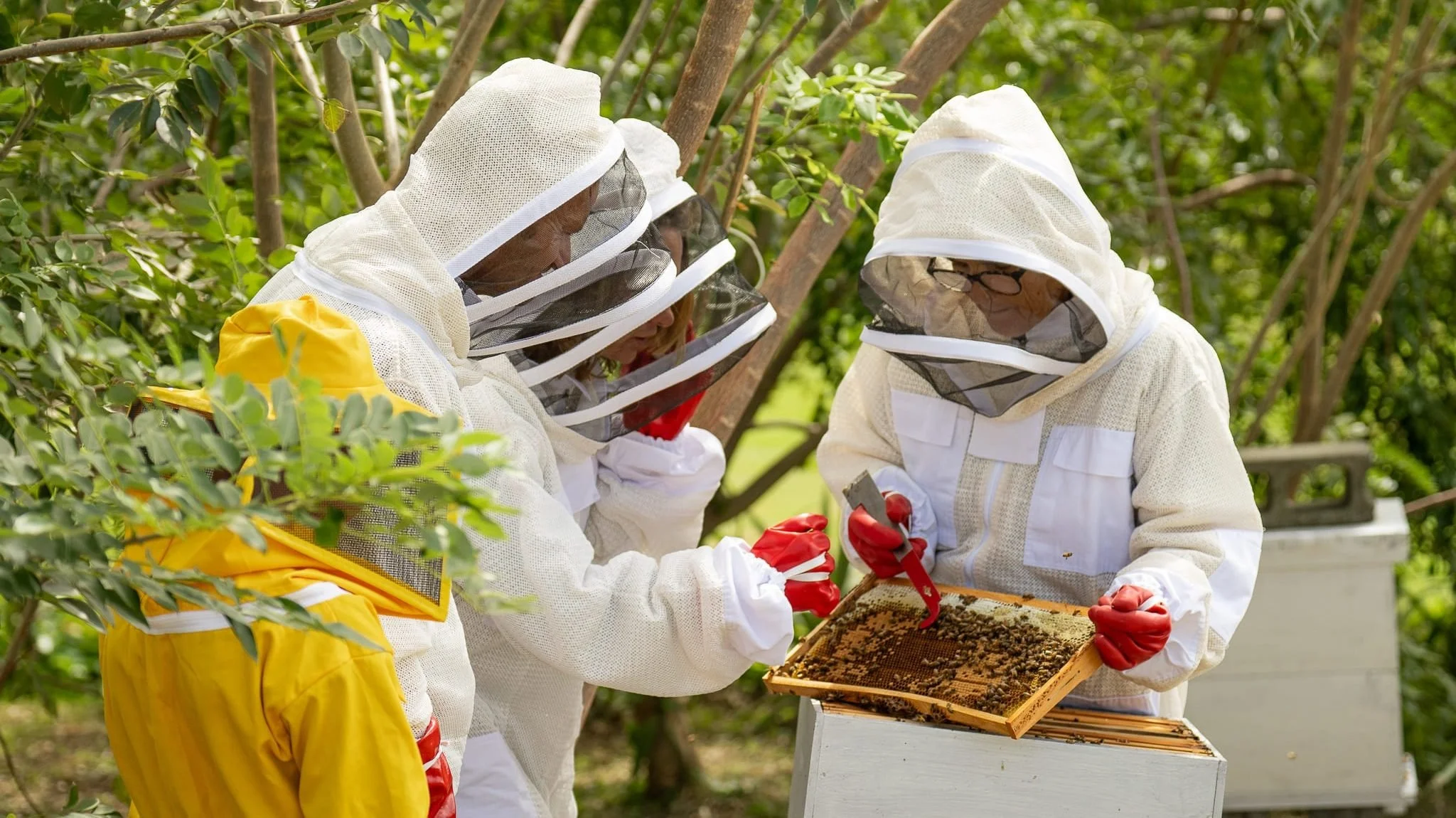
Image: Supplied
Fiji's beekeepers are calling for stronger biosecurity measures and greater government support amid concerns a destructive parasite could threaten the country's honey industry and rural livelihoods.
A parasitic mite already established in Fiji is causing concern among beekeepers, with reports of significant hive losses and limited monitoring making it difficult to determine the extent of the problem.
The industry is also preparing for the potential arrival of Varroa destructor, a more destructive mite responsible for widespread honey bee losses internationally.
The parasite was first detected in Australia in 2022 but has not been reported in Fiji.
Rakiraki beekeeper Jean Tikaram, who has worked in the industry for almost two decades, says Fiji has an opportunity to strengthen its defences before the pest arrives.
Mr Tikaram, who works with small-scale producers through the Fiji Beekeepers Association, says some farmers have lost most or all of their colonies without knowing what caused the deaths.
He says the lack of reliable information about hive losses is making it difficult for authorities and industry groups to respond.
Hive losses raise concerns for rural livelihoods
Beekeeping provides an important source of income for rural communities across Fiji, particularly families with limited employment opportunities.
According to figures cited by Mr Tikaram, Fiji had more than 1,200 beekeepers managing approximately 13,500 hives in 2023, producing more than 250 tonnes of honey annually.
The industry also supports agriculture and the environment through the pollination of fruit trees, vegetables and native vegetation.
Mr Tikaram says losing hives can have serious financial consequences for small-scale producers, with some reluctant to return to beekeeping after suffering major losses.
He says women could particularly benefit from opportunities within the industry because beekeeping can be undertaken alongside farming and household responsibilities.
However, women currently account for only about five per cent of Fiji's beekeepers, according to figures he cited.
Destructive mite already present in Fiji
Fiji's biosecurity authorities confirmed the presence of Varroa jacobsoni in 2018.
The parasite attacks honey bees and can weaken colonies, affecting their ability to survive and produce honey.
In 2020, Fiji introduced nationwide biosecurity emergency measures restricting the movement of beehives and equipment in response to the threat.
But Mr Tikaram says an even greater concern is the possible introduction of Varroa destructor.
The pest was detected near Newcastle in New South Wales in June 2022, triggering a major eradication campaign.
More than 40 million bees were destroyed during the response, which cost approximately $101 million.
Australian authorities eventually abandoned eradication efforts in September 2023 after determining the mite could no longer be contained.
Mr Tikaram says Australia's experience demonstrates the financial and environmental consequences of responding after an invasive pest becomes established.
He recently travelled to Australia through a project supported by the Australian Centre for International Agricultural Research and Southern Cross University, meeting researchers and beekeepers to learn about pest management.
Calls for stronger biosecurity at Fiji's ports
The Fiji Beekeepers Association is working with the Biosecurity Authority of Fiji, the Ministry of Agriculture and research partners to improve preparedness.
Mr Tikaram wants stronger screening of imported goods and bee-related equipment at major entry points, including Suva and Lautoka.
He has also proposed establishing monitored beehives near ports to help detect invasive pests before they spread.
The approach would involve local beekeepers assisting authorities with surveillance and early reporting.
He says Fiji also needs a straightforward system for farmers to report unexpected colony losses, allowing authorities to identify potential outbreaks more quickly.
Training is another priority, particularly for small-scale producers living on remote islands where access to agricultural officers and specialist support can be limited.
Mr Tikaram is advocating for mentoring programs that would allow experienced beekeepers to pass on practical pest management skills.
He has also called for government assistance to make approved mite treatments more affordable and accessible.
Warning extends across the Pacific
The concerns are not limited to Fiji.
Varroa jacobsoni has also been recorded in Papua New Guinea, Solomon Islands and Vanuatu, highlighting the potential for bee pests to spread throughout the Pacific.
Mr Tikaram says collaboration between governments, researchers and beekeeping organisations will be critical to preventing further incursions.
He believes regional coordination could help small island nations establish surveillance systems without requiring significant new expenditure.
While the full extent of Fiji's current hive losses remains unclear, he says strengthening biosecurity now would be far less costly than dealing with a major outbreak.
For rural families who rely on honey production to supplement their income, the consequences of failing to prepare could be substantial.