
FIJI AND SAMOAN MEN PLEDGE TO STAND WITH WOMEN THROUGH ACTION AT HOME AND IN COMMUNITY
By Tangiora Hinaki
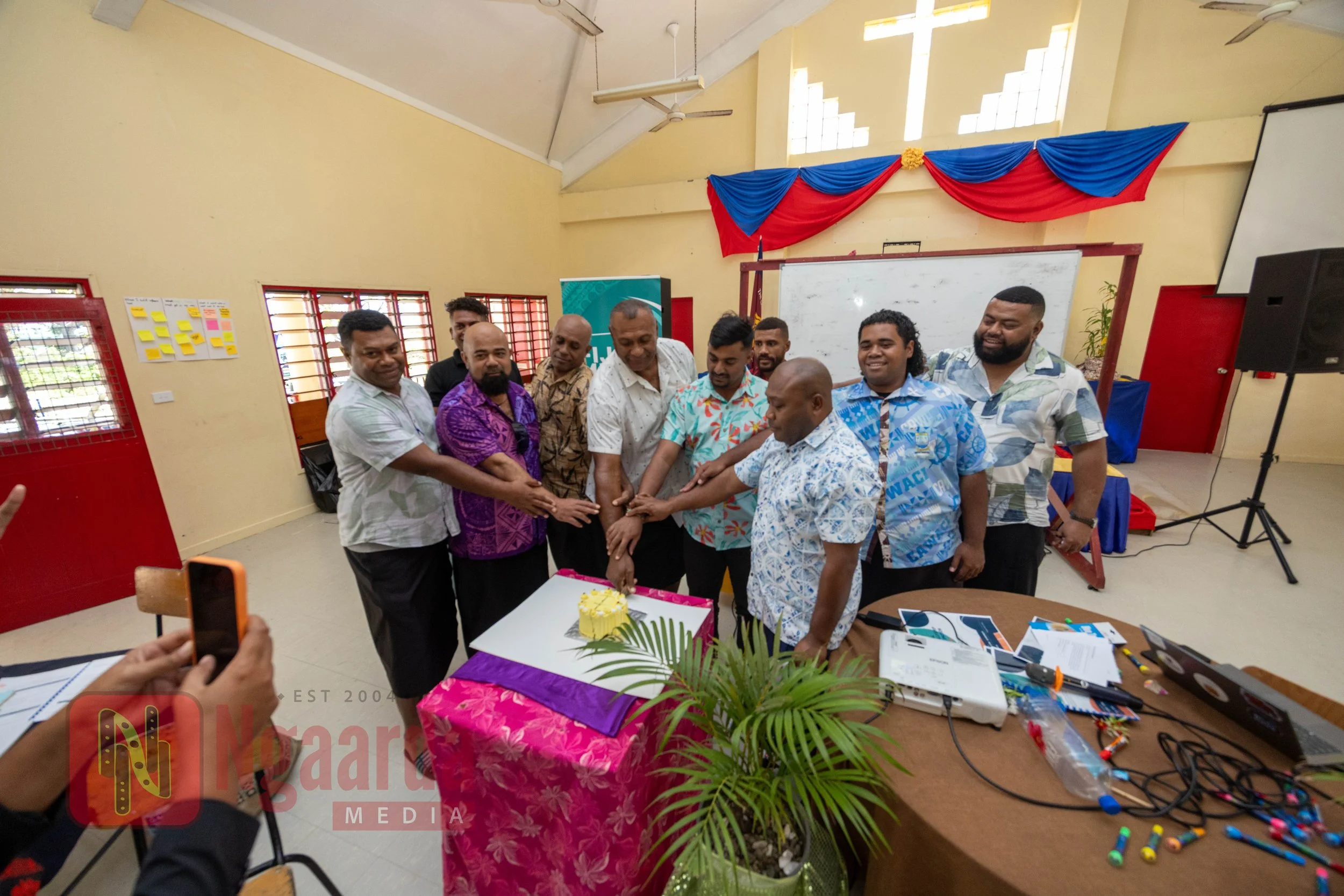
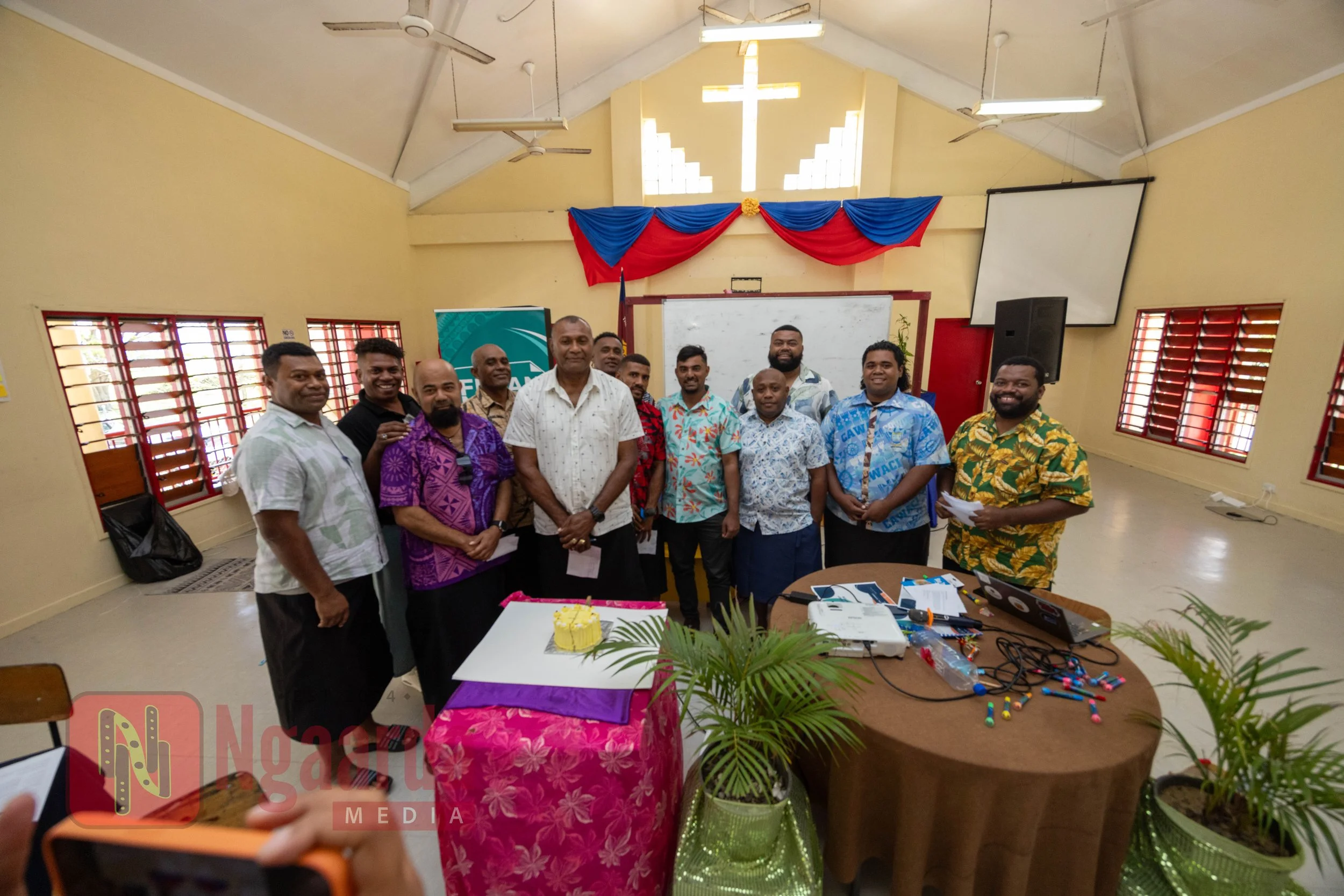
Fijian men have pledged to make practical changes in their homes, workplaces and communities as part of a workshop encouraging men to stand alongside women and create more space for their voices.
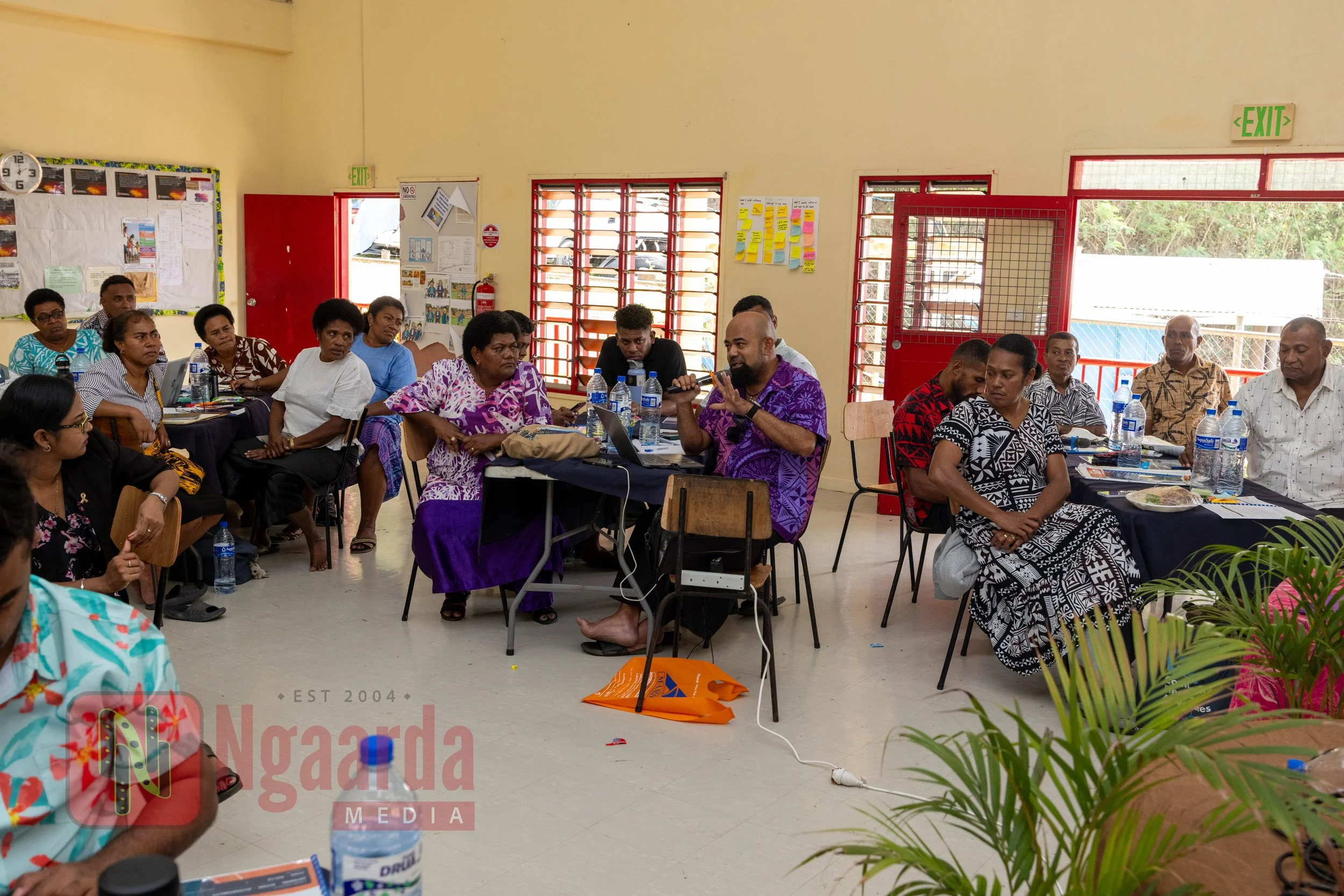
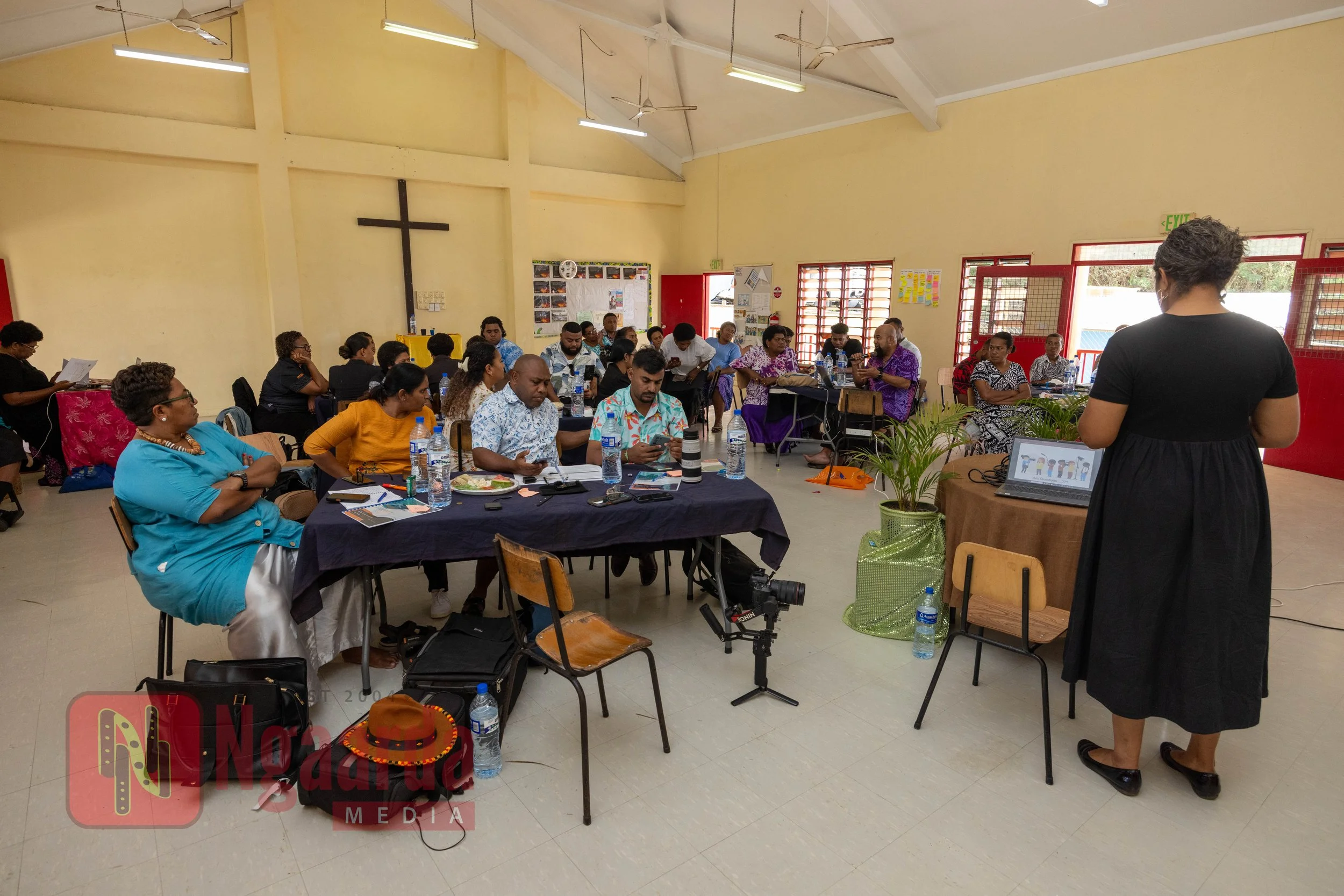
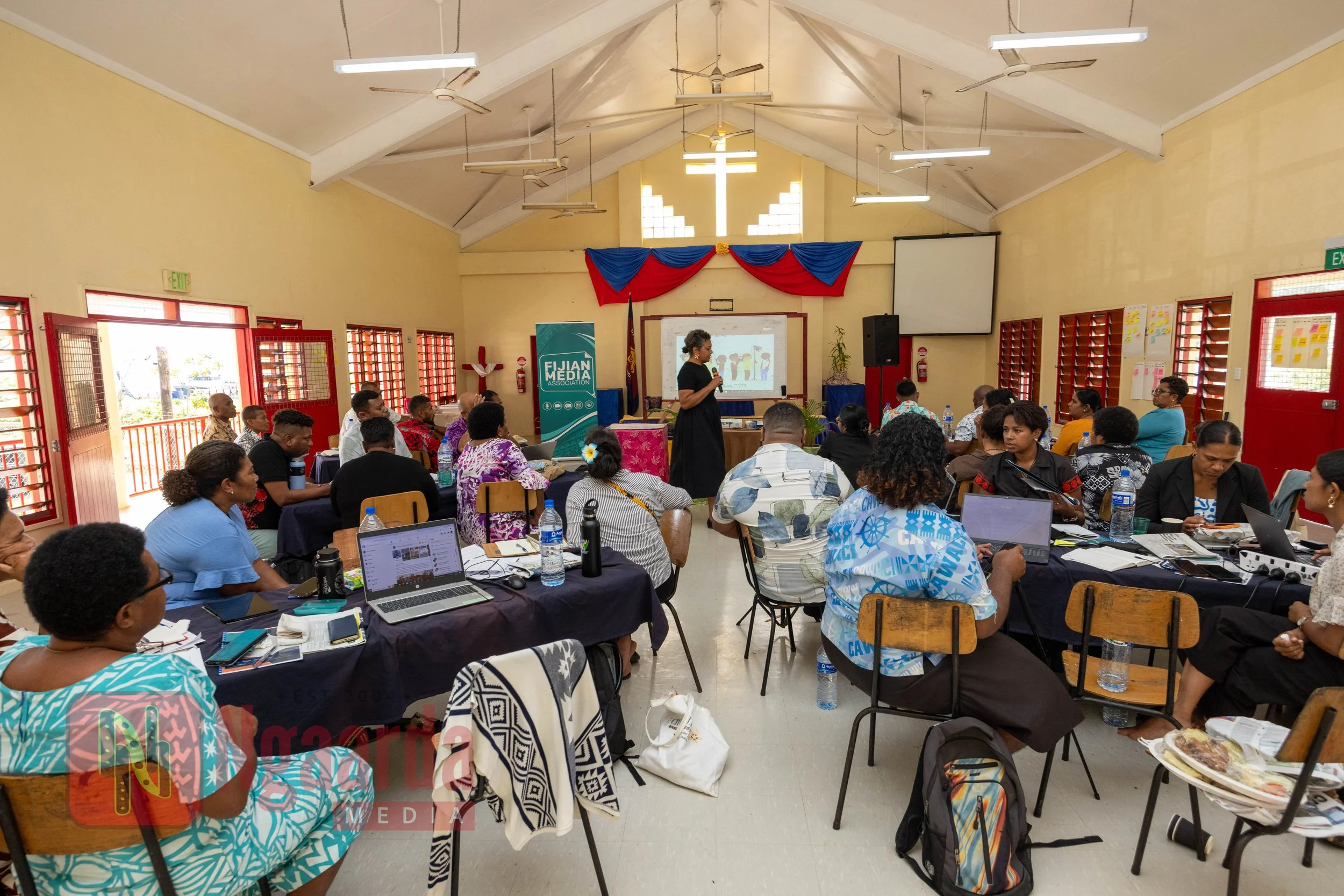
The discussion was held during a pre-summit workshop in Fiji with the Fiji Council of Social Services (FCOSS), ahead of the Pacific Media Summit.
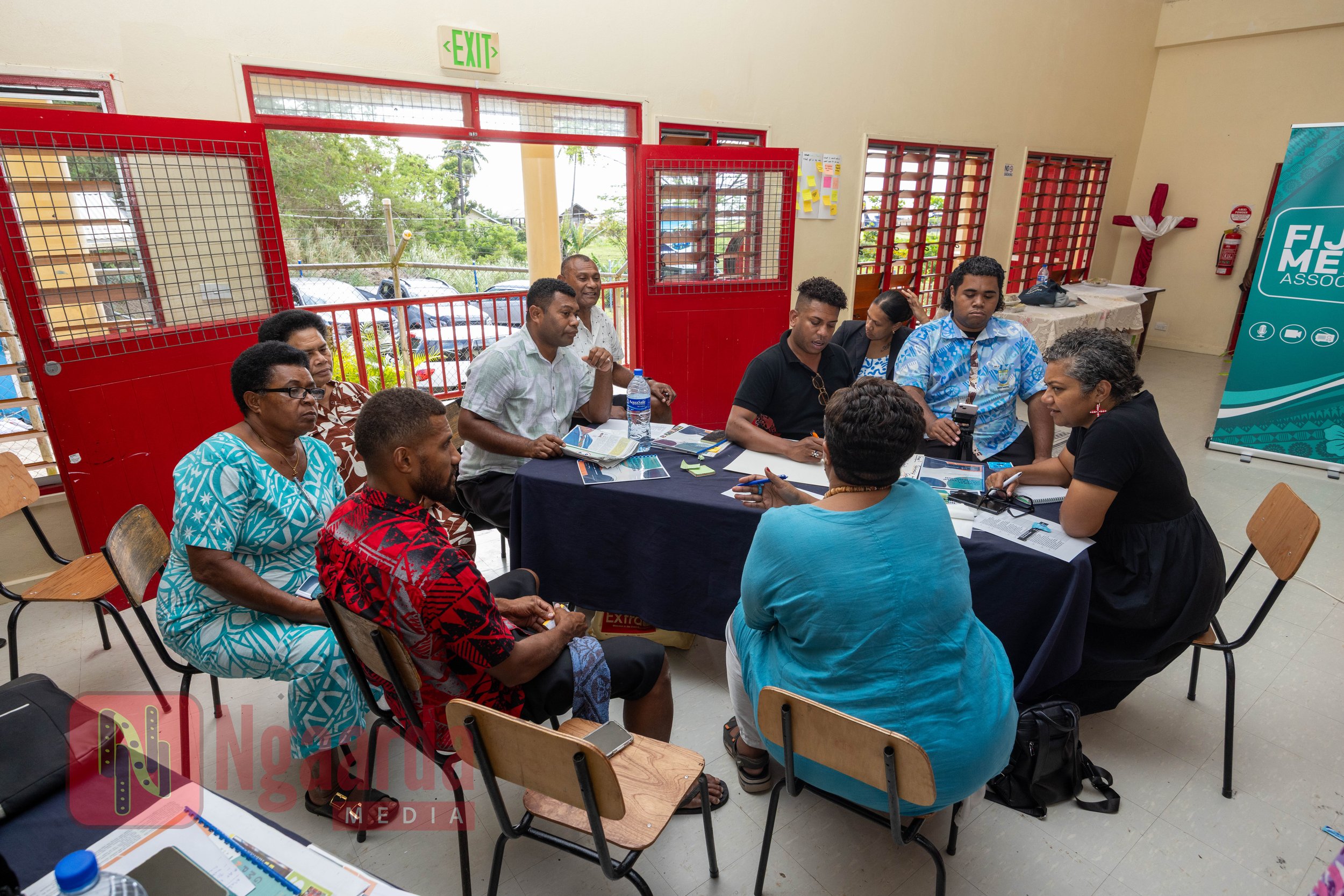
Men taking part were asked to reflect on what male allyship looks like in everyday life and make a commitment they could put into action over the next 90 days.
Their promises ranged from cooking meals, washing dishes and ironing their children’s school uniforms to mentoring female colleagues, listening more carefully to women and ensuring women and girls have opportunities to speak in community decision-making.
Fiji Council of Social Services executive director Vani Catanasiga said the workshop deliberately included men because programs aimed at supporting women could not focus on women alone without considering the social and cultural structures around them.
Ms Catanasiga said traditional ideas about male authority remained present in Fiji, including within households, communities and institutions, and the project was looking at ways to engage men more positively in supporting women’s leadership.
“It’s very important that we take our time to look at who’s accompanying women in a more positive way.”
She said male allies could play an important role in standing beside women as they raised difficult issues in their communities.
“We’ve got to champion the men as they stand with us and they provide that allyship as we navigate those difficult spaces, particularly at community level.”
Ms Catanasiga said the 90-day commitments signed by the men were part of testing a new approach to male allyship.
“They’ve signed commitments, so it’s a new thing. We’re pretty excited about it.”
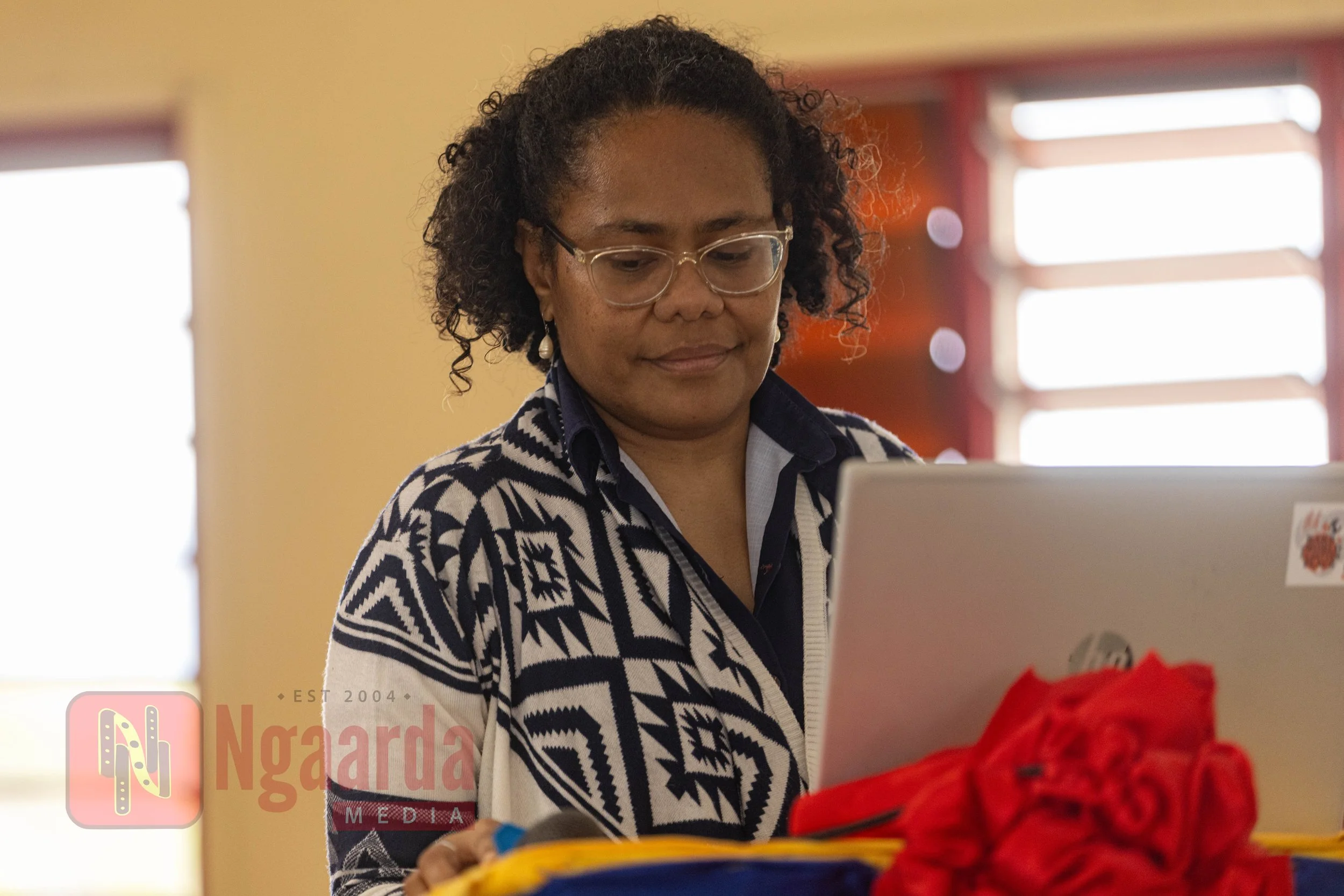
Fiji Council of Social Services executive director Vani Catanasiga
‘Only the men have to speak up’
For former Fiji national rugby player and community leader Timoci Wainiquolo, the conversation was also about challenging traditions that have historically limited women’s participation.
Mr Wainiquolo said he had learnt a great deal from the workshop and would take the discussion back into his own community.
“I learnt a lot, especially from the community and from the discussion for these two days’ workshop, especially for the women.”
He said his commitment was to attend village and community meetings and advocate for women to be given greater opportunities to contribute.
“I’ll attend the village meeting, the tikina meeting, and give a chance for the women to raise their voice.”
Mr Wainiquolo said traditional expectations had often placed women within the home, while men were given the public voice in community affairs.
“In the old time, for the Fiji culture, we haven’t got time for the ladies to speak up, especially in the vanua.”
We call them, they are in the kitchen. They stay there, look after the family, not in the vanua or the society to speak up. Only the men have to speak up.”
He said those attitudes needed to change.
Women, he said, carried knowledge and experiences from raising families and supporting their communities that could strengthen decision-making.
“It’s time for the women. The women, they’ve got a lot of things to say. Every day they have experience for the family, and they can share their ideas to the community.”
Mr Wainiquolo said recognising the value of those experiences was an area where Fijian culture could continue to evolve.
“I think that’s the lack of us in our culture — to change.”
Young women need a voice too
The former rugby player said the conversation was not only about ensuring women were heard, but also about which women were being given opportunities to speak.
He said younger women were sometimes left out even when women were represented in community discussions.
“The young people, they are not speaking. Only the old ladies, they speak.”
They never give a chance for the young ladies, for the youth. They should give the chance for them to speak up.”
For Mr Wainiquolo, taking the lessons of the workshop back into his community was one of its most important outcomes.
“We are working in the community to share what we have today. It should be a big help in the community.”
Change starting at home
Other men chose to begin their 90-day commitments inside their own homes.
One participant said he would take on more daily household responsibilities, including preparing meals.
“For me, in my next 90 days, I will at least help out with daily chores at home and at least cook meals in the evenings.”
He acknowledged that taking on some of those responsibilities would be challenging.
“Cooking will be a very difficult task, to be honest.”
Another man committed to helping his wife by keeping shared spaces in the home tidier.
He reflected on his own habits of leaving clothes and his laptop around while relaxing.
“As men, when we sit in a sitting area, it’s mostly a mess.”
For him, being an ally meant looking at the seemingly small things he could change in his own behaviour rather than expecting women to carry that responsibility.
Another participant made an equally practical commitment.
By December 22, at the end of his 90-day challenge, he wants to be taking greater responsibility for his family's ironing.
“By day 90, and that will be the 22nd of December 2026, I will iron my kids’ uniforms and my clothes at least three times a week.”
He said he currently carried out the job once a week but wanted to contribute more consistently.
Another participant kept his promise straightforward.
“For 90 days, I would wash all my daily bowls and wash all the clothes.”
‘Let women speak for themselves’
For some participants, allyship meant recognising when men needed to step away from the conversation.
One man, who spoke about being raised by his grandmother and two aunties, said the workshop made him reconsider what supporting women should look like.
He said he had supported women for many years, but his new commitment was to do more.
“I just have to double the effort of me supporting women, despite the fact that I have already been supporting them over the years.”
Importantly, he said men should not assume that supporting women meant speaking on their behalf.
“Do not speak for women. Let women speak for themselves.”
He said men needed to listen to the actual experiences of women instead of believing their own knowledge or experience gave them all the answers.
“Seek guidance if I have limited knowledge with regard to the issue, and do not make assumptions that I know everything.”
He also committed to remaining open-minded when people shared experiences that appeared familiar.
“The experience may be the same, but the context in which that experience was faced would be different.”
Supporting women in the workplace
Another participant spoke about being the only man working alongside three female colleagues.
He said supporting women had included listening to colleagues experiencing pressures both at work and at home.
“On a personal scale, I have been assisting my female colleagues in terms of mental health, and sometimes they have issues at home as well.”
He said education was an important part of changing attitudes and behaviours among men.
“I think education is important … to ensure that we respect our female colleagues and partners.”
Another man, who works as a social worker and does volunteer case work with young women, said his work had shown him the importance of providing women with support and opportunities.
His experience in journalism had also given him a platform to share stories beyond politics and focus on issues affecting communities.
As part of his 90-day commitment, he pledged to create greater opportunities for women in his workplace.
The influence of grandmothers
Several of the men reflected on the women who had shaped their own lives.
One participant said he had been raised by his grandmother and rejected the idea that coming from a broken family necessarily determined the direction a person's life would take.
“I was blessed because I was brought up by my grandmother.”
For him, the conversation about allyship was connected to acknowledging the women who had provided leadership, care and guidance throughout his upbringing.
Another participant similarly spoke about growing up without experiencing his mother's care directly and being raised instead by his grandmother and two aunties.
Those experiences, he said, influenced how he viewed equality and his responsibility to support women.
Taking the message into communities
Other men committed to working directly with girls and young women.
One participant said he wanted to work with primary and secondary school students to create opportunities for girls to be heard.
“In these 90 days, I’ll just focus more on the young women in the community.”
He said the aim was to help amplify their voices by listening to their stories and supporting their aspirations.
Others pledged to take the lessons of the workshop back to villages, churches and community organisations, where they hoped to encourage other men to reconsider the space given to women and girls.
Across the workshop, the commitments varied widely.
Some were as simple as cooking dinner, washing clothes or ironing a child's school uniform.
Others involved challenging established community practices and deliberately stepping aside so a woman or young girl could speak.
For Mr Wainiquolo, the message he will take home is straightforward: the knowledge and experiences of women belong in the discussions shaping their communities.
And after generations in which, as he described it, “only the men” were expected to speak, he believes it is time to make room for other voices.
“They should give the chance for them to speak up.”