
FROM NYIKINA COUNTRY TO HOLLYWOOD MADISON PRINCE TAKES FIRST NATIONS STORYTELLING TO THE WORLD
By Lynnese O’Donoghue
Nyikina filmmaker Madison Prince is taking First Nations stories from Western Australia onto the international screen, with her directorial debut LEE earning selection at one of the world’s leading short film festivals in Los Angeles.

Madison Prince, proud Nyikina Filmmaker paving pathways for First Nations Creatives in Hollywod
Now based between Australia and the United States, Madison is building a career in an industry where First Nations Australian voices remain rarely seen — and she says that distance from home has only strengthened her determination to tell stories grounded in culture, family and ownership.
Speaking with Ngaarda Media, Madison said much of her creative practice had been shaped alongside one of her closest collaborators — her mother, Nyikina creative and producer Sam Cook.
“A lot of our work pulls from a lot of Nyikina oral history, so that kind of storytelling is also in our DNA as First Nations people,” Madison said.
While working thousands of kilometres from Country, Madison said those connections continue to guide the stories she chooses to tell.
“The physical distance really kind of sharpens, I think, my perspective, if anything,” she said.
“It allows me to bring those rich experiences from back home into this new space, especially where we don’t have much representation over here.”
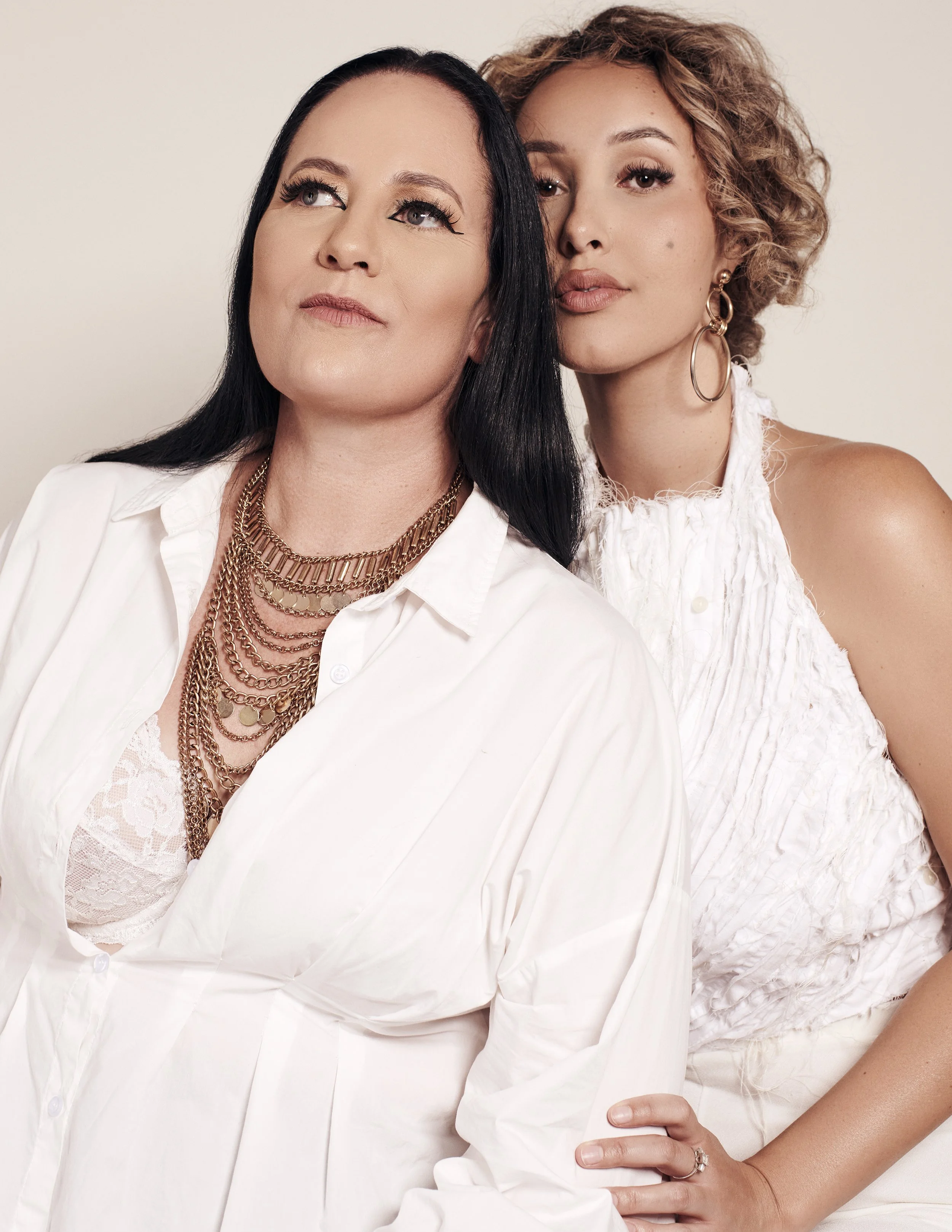
Madison Prince, with her Mother and First Nations Nyikina Film Maker, Creative and Producer, Sam Cook
Prince is a First Nations Australian filmmaker from the Nyikina Nation of Western Australia. Alongside her filmmaking work, she is a founding member of the United Stages Collective, established in the United States to create greater space for First Nations Australian artists and stories within the international screen and performing arts industries.
Her work has also included acting, screenwriting and production. She studied with the Stella Adler school, has appeared in HBO series Barry, performed through the Australian Theatre Festival in New York and has worked in production on commercial campaigns including Nike.
But for Prince, the underlying purpose remains the same: First Nations people retaining control of their own stories.
“It emphasizes the importance of ownership and telling stories that are ours, and following proper protocols,” she said.
“Most importantly, I think a lot of my work just honours Nyikina people, First Nations people from back home because there’s not much representation of us here in the USA.”
Prince said working in Los Angeles had also positioned her as an advocate for First Nations Australia among audiences who may know little about Aboriginal cultures or contemporary Aboriginal life.
“I’m kind of being that spokesperson, being that champion, allowing others here, other minorities, to understand who we are and to make space for us in the USA.”
LEE reaches the international festival stage
That ambition has taken a significant step forward through Prince’s directorial debut, LEE.
The four-minute short film centres on blind American singer and songwriter Lee Garrett, a figure whose work helped shape some of Motown’s most recognisable music.
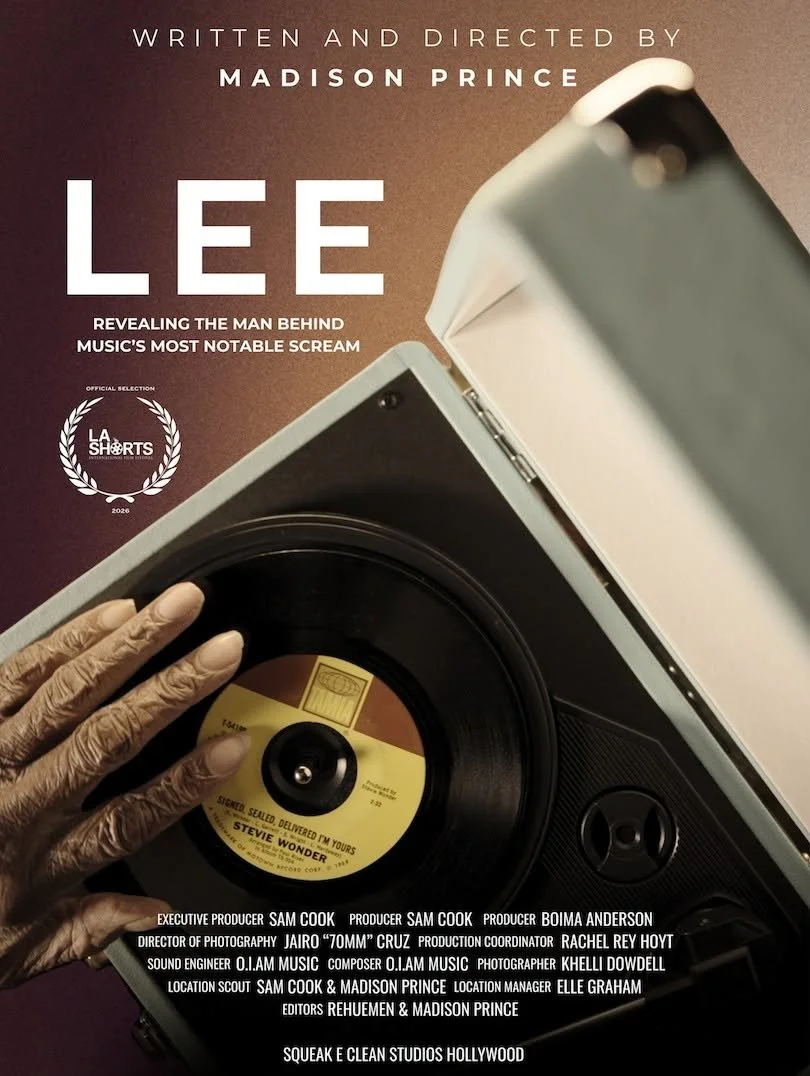
Lee promotional flyer for the LA Shorts. Credit: https://www.madisonprince.com/lee
Garrett was twice nominated for a Grammy for songwriting, including for Stevie Wonder’s Signed, Sealed, Delivered I’m Yours and Jermaine Jackson’s Let’s Get Serious. His credits also include The Spinners’ It’s a Shame.
Prince had another reason for wanting to tell his story: Garrett has been her friend for almost a decade.
“Lee Garrett, he is such a compelling figure,” she said.
“He’s a brilliant mind. His contributions to music and his lived reality carries so much layered nuance.”
“I was drawn to telling his story because I wanted to honour the truth behind his artistry and all of the untold complexities and those kind of personal, quiet moments.”
Madison described the film as an exploration of the resilience behind Garrett’s music rather than simply a traditional music biography.
“It was a tribute to him. It was an exploration of the human experience,” she said.
“It’s not necessarily a happy story, but it’s not a sad one. It’s just real.”
LEE was written, directed and edited by Madison, with Sam Cook her mother, collaborating as the executive producer alongside producer Boima Anderson. The film was completed in 2025 and filmed in the United States.
This year it was selected for the 30th LA Shorts International Film Festival, screening at Laemmle NoHo in Los Angeles.
The festival is accredited by the Academy of Motion Picture Arts and Sciences and is also a qualifying event for BAFTA, the Canadian Screen Awards and Spain’s Goya Awards. Its 2026 edition featured more than 500 films across 69 programs.
For Madison, the selection represented something larger than a personal filmmaking milestone.
“Having LEE screened at an Oscar-qualifying platform like LA Shorts International Film Festival, it was an incredible honour,” she said.
“Beyond being a personal milestone, I think it represents visibility for First Nations creators on that global stage.”
Madison said the response also demonstrated that culturally specific stories did not have to lose their identity to connect with audiences outside Australia.
“It proves that localised, specific Indigenous stories possess that universal relevance and resonance and belong in the highest tiers of global cinema.”
‘Our stories have no ceiling’
For young First Nations filmmakers watching from Western Australia — particularly the Kimberley, Madison has a simple message.
“I want young mob watching my work back home to see that our stories have no ceiling,” she said.
“You don’t have to dilute your cultural truth or identity to make work that compels other people internationally.”
Madison said Australia would always be home, but First Nations storytellers should also see themselves as having a place within the international industry.
“Beyond Australia, there’s such a big world out there and a lot of people are interested in our voice and what we have to say and the work we have to offer.”
“Ownership of our own voice is our biggest power.”

Family history becomes her next feature
Prince is now turning that principle towards one of her most personal projects yet.
Madison and her mother Sam Cook are developing a feature film currently referred to publicly as Objector or Conscientious Objector, based around the story of Prince’s grandfather Stanley Ward and grandmother Philippa Cook. Prince said the project examines the Vietnam War era through a First Nations Australian perspective.
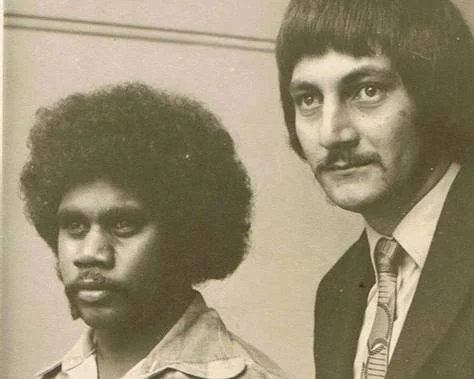
Stanley Ward, 1972. Credit: Conscientious Objector, Feature Film. https://www.madisonprince.com/conscientiousobjector
In 1972, Stanley Ward appeared before a Perth court after failing to register for national service. Ward argued that he had been raised as an Aboriginal man, predominantly associated with Aboriginal people, had experienced racism and was involved in Aboriginal rights activism.
Academic research into Aboriginal people and Vietnam-era conscription records that the court rejected Ward’s argument for exemption, applying the assimilationist standards then used to determine who was considered Aboriginal for national-service purposes.
Madison said bringing that history to the screen has been years in the making.
“The film focuses on Australia’s most prolific Indigenous conscientious objector case, and that was actually my granddad,” she said.
“My grandmother’s story, Philippa Cook, her story’s also woven in there.”
“It hits very close to home, but it uncovers many untold stories and hidden truths from the Vietnam War and it’s from a First Nations Australian perspective.”
Madison said the project was also about recognising Elders while their histories could still be preserved and shared.
“That generation of Elders who were around the era of the Vietnam War, many of them have passed on, but many are still with us,” she said.
“I think it’s important to honour them.”
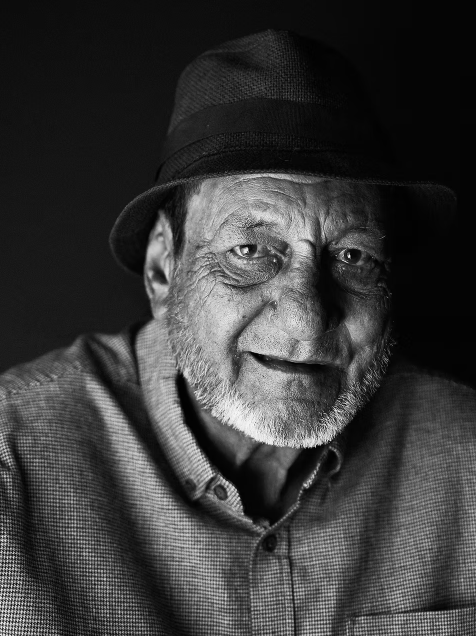
Stanley Ward, Madison Prince Granfather. Credit: Conscientious Objector, Feature Film. https://www.madisonprince.com/conscientiousobjector
For Madison, cinema offers a way to ensure those lives, struggles and achievements are not forgotten.
“It’s important for many of our Elders to feel that — to be represented on screen, to have others recognise what they’ve been through,” she said.
“So cinema is the perfect platform for that, and I’m just happy to be a vessel to share those stories.”
From Nyikina Country to Los Angeles, Madison says the mission remains rooted in something much closer to home:
First Nations people owning their stories, protecting their truth and ensuring those stories reach the screen.