
KALGOORLIE FAREWELLS A HUMBLE VOICE OF MUSIC AND COMMUNITY
BY TANGIORA HINAKI
WARNING: Aboriginal and Torres Strait Islander readers are advised that the following article contains references to, and the names and voices of, people who have passed away.
Kalgoorlie-Boulder is mourning the loss of musician, broadcaster and community figure Marcus Christopher McGuire, remembered as a humble performer who brought people together through music.
Manager of Tjuma Pulka Aboriginal Media Organisation, Debbie Carmody, says Marcus left a lasting impression from the moment he walked through the door.
“He walked up the stairs… black jeans, black T-shirt… and the whitest smile,” she said.
“And when he smiled, his eyes smiled.”
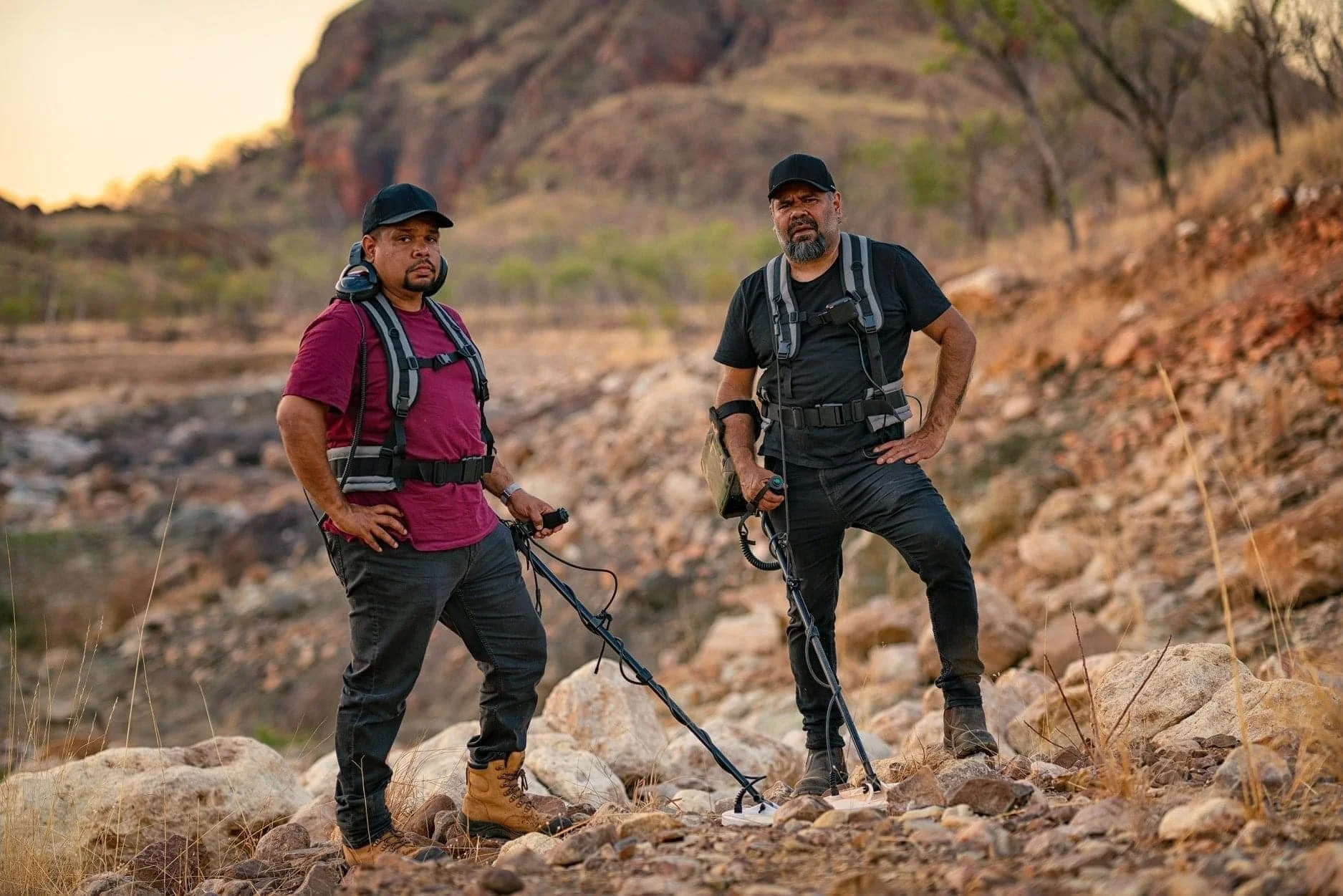
Marcus McGuire and his family members were part of this amazing music video project.
Carmody says despite already knowing his reputation as a strong musician, it was his character that stood out most.
“He stood free from pride… with a down-to-earth view of his talents,” she said.
“There was this honesty about him… he was very considerate and respectful, and he showed humbleness, despite standing there looking like a star.”
Marcus became a regular at the organisation’s Gravel Road Music Studio, where he developed his songwriting and recording skills.
“He wrote his own songs and lyrics… and worked collaboratively on getting certain sounds right,” Carmody said.
“He took on the challenge… and that really helped him to grow and be more confident as a musician.”
Beyond the studio, Carmody says Marcus played a key role in the broader community, using music to bridge divides.
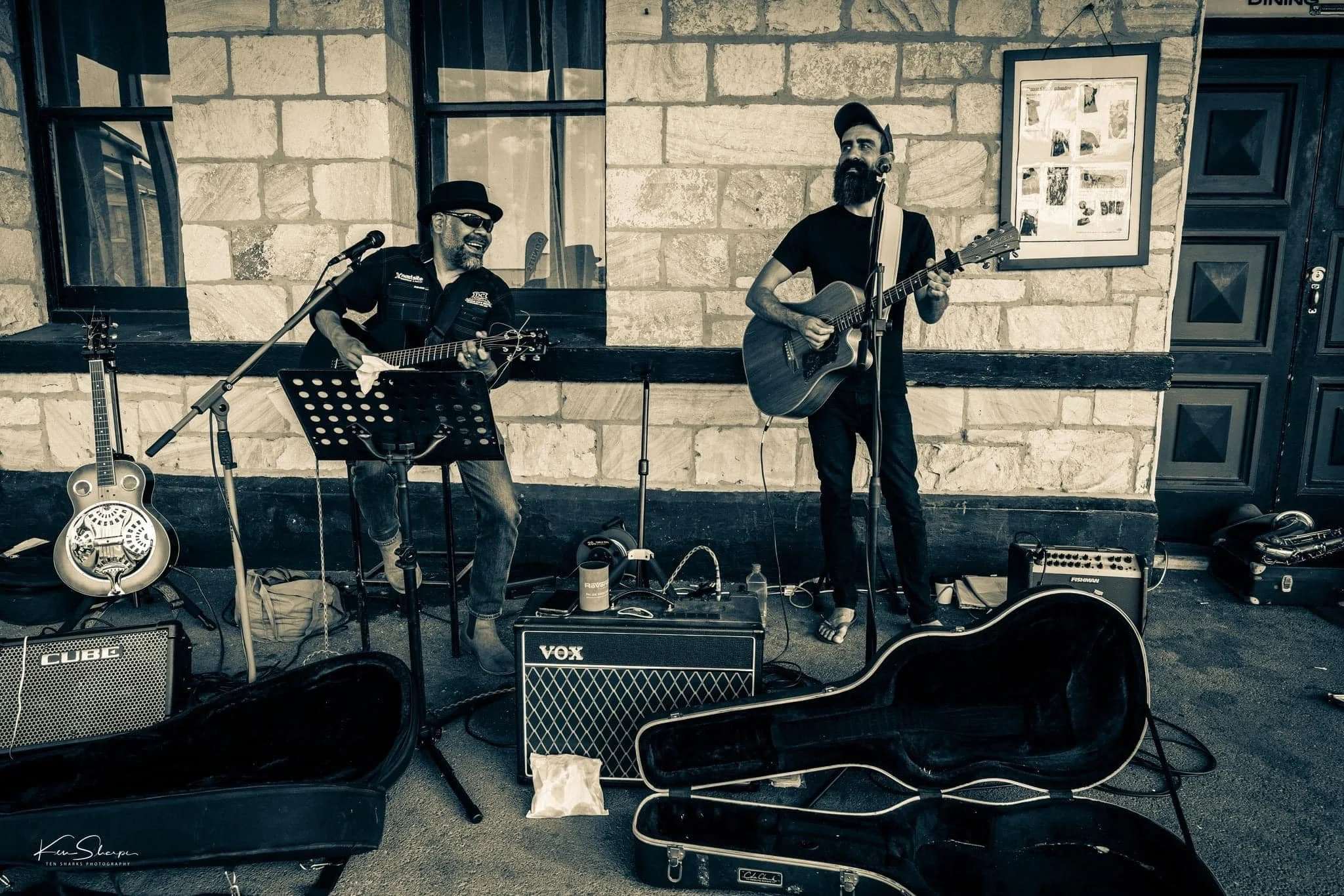
“He played quite an important role… by breaking down barriers and bringing people together, both black and white through the power of music,” she said.
He performed across a wide range of settings — from local pubs to mining industry events — and even for government audiences, while also collaborating with international artists.
Despite growing recognition, Carmody says Marcus never lost his grounding.
“People absolutely loved him… everyone knew him, and throughout it all, Marcus stayed humble,” she said.
She says he was also one of the few who managed to build a life through creative work.
“He actually made a living from the creative industries, which is quite rare these days,” she said.
On air, Marcus was a natural.
“The microphone loved him because of his deep voice… he was casual and relaxed,” Carmody said.
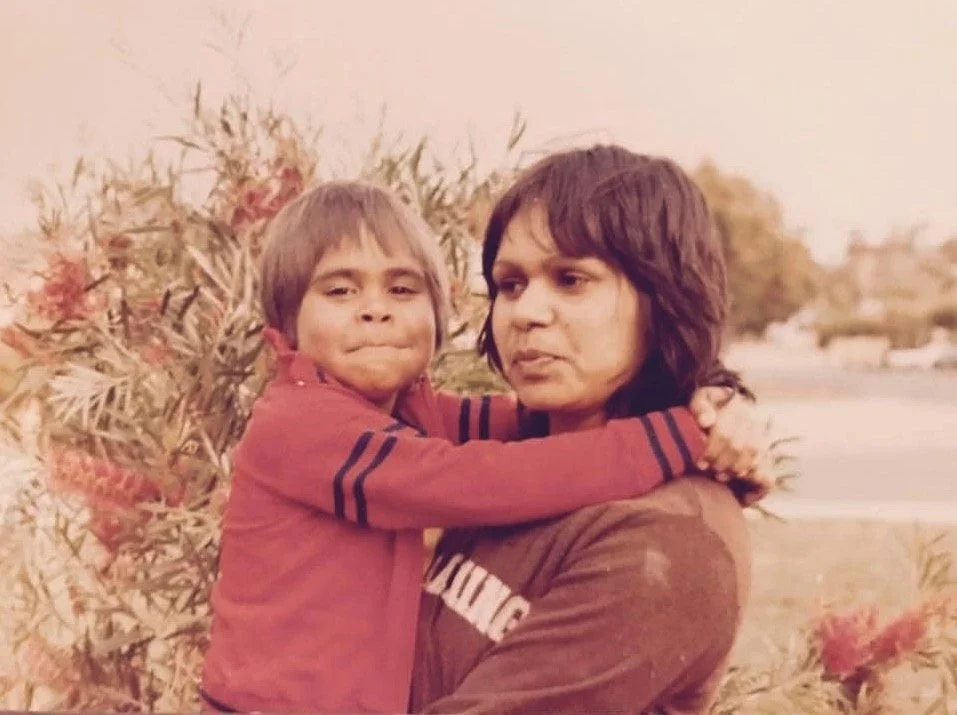
Marcus and his Mum - This photo is on his FB page
Carmody says alongside his work, Marcus had a strong sense of humour — something she remembers through one story in particular.
“One Friday he came in and said, ‘Aunt, I just bought a Jeep,’ and he talked about it all day,” she said.
“Then come Monday, no Marcus… he disappeared off the map for a whole week.”
When she finally tracked him down, Marcus had a simple explanation.
“He said, ‘Sorry, Aunty… it was that Jeep. I couldn’t help myself. I was out bush… driving around, camping, a fire and my guitar.’”
Carmody says that moment captured who he was — someone drawn to country, music and freedom.
“Not long after, he started a campfire touring business… taking people out bush, sitting around the fire, telling yarns and having sing-alongs,” she said.
But it was his connection to culture and family that defined him most.
“Marcus loved his family… and he was extremely aware of showing great respect to his elders,” she said.
“He was culturally aware of protocols… not just in family, but in the wider community.”
Carmody says his legacy will live on through the stories, music and connections he built.
“Everyone loved Marcus,” she said.
“And he brought people together.”