
KIMBERLEY DROWNINGS SECOND-HIGHEST IN THE NATION: CALL FOR MORE LIFEGUARDS
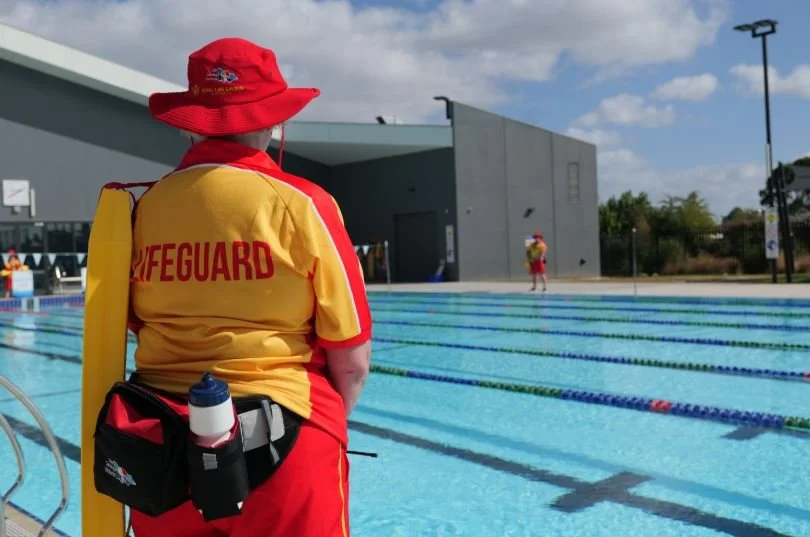
The Kimberley has recorded the second-highest drowning rate per capita in the country.
The Kimberley has recorded one of the highest drowning rates in Australia, as Royal Life Saving WA calls for more regional people to consider careers as lifeguards and swimming teachers.
The National Drowning Report 2026 shows Western Australia recorded 35 drowning deaths during the 2025–26 financial year.
While the statewide figure was lower than the previous year, regional and remote communities continue to face a much greater drowning risk.
The Kimberley recorded a drowning rate of 4.17 deaths per 100,000 people, the second-highest regional rate in Australia, while the Midwest was ranked ninth nationally, at 2.39 deaths per 100,000.
Royal Life Saving WA General Manager Lauren Nimmo said drowning risk generally increased with remoteness, where people were more likely to swim in natural waterways such as rivers, creeks and waterholes and may have less access to services.
Across Australia, 313 people drowned during 2025–26.
Ms Nimmo said long-term investment in swimming and water safety programs had significantly reduced drowning among younger children, but other age groups remained vulnerable.
“We do see the risk increase with age,” she said.
“We've had ongoing and long-term investment in drowning prevention and water safety amongst toddlers and young children, primary school-age children, which has seen those rates of drowning reduced quite significantly over the past decade.”
She said drowning risk was now a concern among adolescents, young adults and people aged over 65.
Alcohol remained a significant risk factor for younger people, while older adults could be affected by reduced fitness, medical conditions and swimming skills that had not been refreshed for many years.
“Particularly as people get older, perhaps they are relying on skills that they learned when they were younger and haven't had the opportunity to refresh those skills,” Ms Nimmo said.
She encouraged adults who had not been swimming for some time to rebuild their confidence and water safety skills.
“It's never too late to get back into swimming or to get back into aquatic activity,” she said.
“There are a number of programs available throughout the state for adults as well as children so that they can develop or rediscover those swimming and water safety skills.”
Swimming and snorkelling were among the activities commonly linked to drowning deaths in WA, while falls from rocks and cliffs were also a significant concern in regional areas.
Ms Nimmo said people should choose activities suited to their ability and understand local conditions before entering the water.
“We want people to enjoy the water, but we really want people to make the right call when it comes to choosing an activity that is suitable for their skill level, but also choosing safe places to participate as well,” she said.
Royal Life Saving WA is also calling for more people in regional and remote communities to consider becoming lifeguards or swimming teachers.
Ms Nimmo said workforce shortages were affecting community and council-owned pools, particularly outside metropolitan areas.
“We are experiencing some shortages in staff, particularly in regional and remote areas, mainly in the swim teacher space,” she said.
Royal Life Saving manages several pools in remote Aboriginal communities, which often serve as community hubs, particularly during the summer.
Ms Nimmo said developing local workers was critical to keeping those facilities safe and operating.
“We're really working hard to look at local solutions and engaging local community members to consider aquatics and consider roles like a pool lifeguard or a swim teacher as career options,” she said.
She said becoming a pool lifeguard involved some online learning and practical training completed over several days, followed by on-the-job training.
“It's a career that people can start off in at a young age and it's a really great industry to be involved with,” she said.
With warmer weather approaching across northern WA, Ms Nimmo urged people to keep water safety front of mind wherever they swim.
“It's really important that people are keeping that water safety front of mind, no matter where they are participating, whether it's at their local beach, at the river, or in their home swimming pool.”