
LEGAL LETTERS REVEAL MEDIA DISPUTE BEHIND WHADJUK CEO DISMISSAL
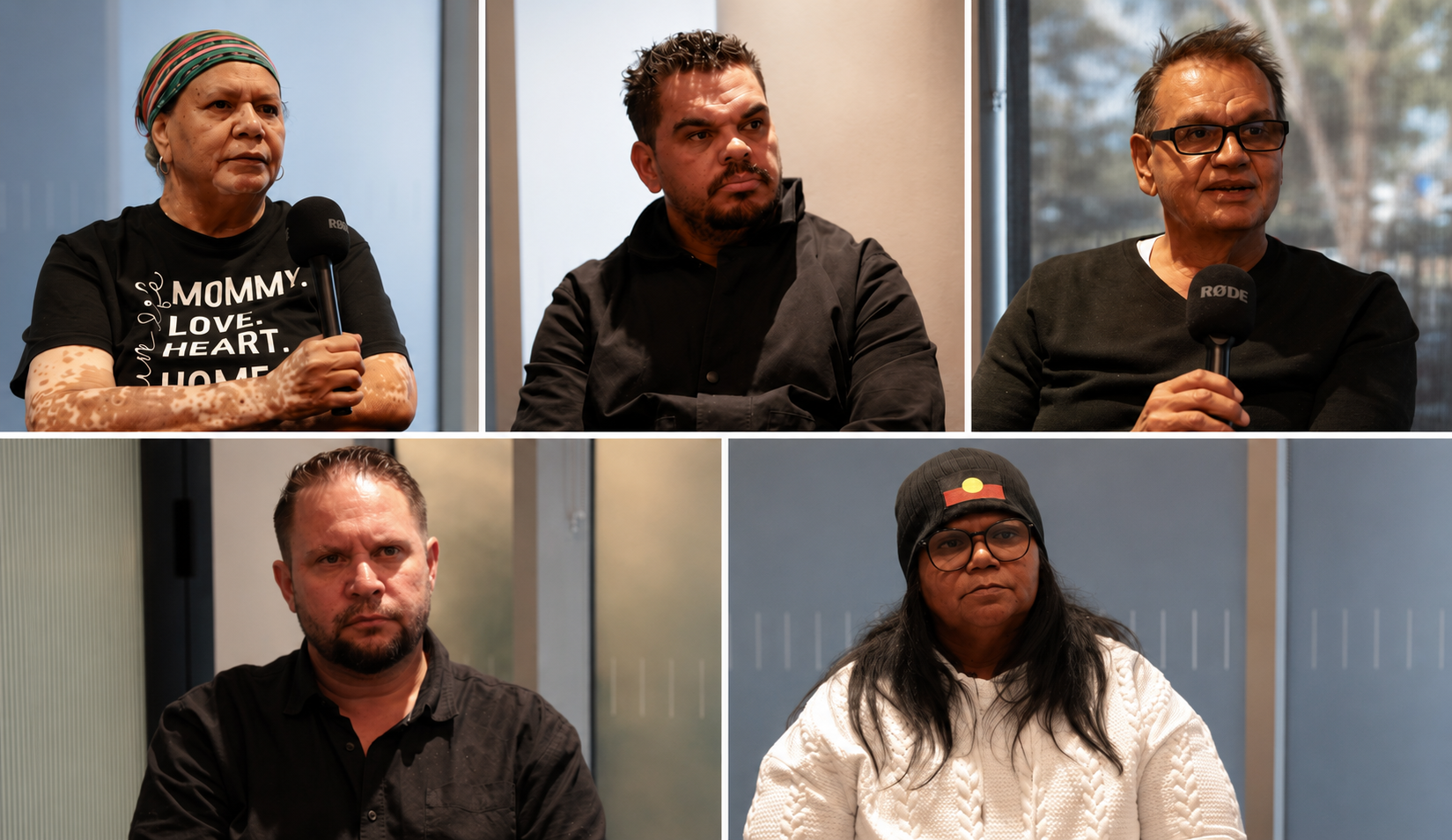
Whadjuk Aboriginal Corporation Chairperson Charne Hayden (top left) with board directors Wayne Ryder, Colin Garlett and Denise Kickett, with Interim CEO Dominic Panaia (bottom left). Image: Ngaarda Media
BY TANGIORA HINAKI AND KATHERINE GLASS
Whadjuk Aboriginal Corporation says former chief executive Leon Ruri was dismissed after comments attributed to him in a media report risked bringing the organisation into disrepute.
Mr Ruri says the criticism was not his.
The board has also accused the journalist involved of failing to disclose alleged travel benefits and a proposed commercial arrangement.
Legal correspondence has revealed the immediate reason Whadjuk Aboriginal Corporation gave for dismissing former chief executive Leon Ruri.
The letters show the board terminated Mr Ruri on 12 June over criticism attributed to him in a National Indigenous Times article.
At the time, the investigation into the allegations that led to his suspension had not been completed.
Whadjuk’s lawyer said Mr Ruri’s contact with NIT had become the “more immediate issue requiring explanation”.
Had his responses been satisfactory, the letter said, the original matters “would remain to be investigated and resolved”.
The board concluded the criticism had, or may have, brought Whadjuk into disrepute and caused disharmony in the Noongar and wider community.
Mr Ruri denies making the criticism.
“I got terminated for ‘express criticism’ for a comment they’re attributing to me which was not my comment,” he said.
“It was actually the other directors who made the comments about the process not being fair, that they didn’t give me time to respond and didn’t produce any evidence.”
The correspondence does not determine whether the board’s interpretation of Mr Ruri’s employment contract was legally correct.
It does show the original investigation had not reached findings before he was dismissed over the later media issue.
Suspension and NIT report
Mr Ruri says he first became aware of allegations against him when notice of an extraordinary directors’ meeting was circulated on 10 May.
“The first that I knew about all of these allegations was on May 10, when Charne Hayden sent that notice out,” he said.
The meeting was held on 11 May.
The board says concerns had been raised only days earlier.
Directors initially considered immediately terminating Mr Ruri’s employment.
Whadjuk chair Charne Hayden said the resolution was changed during the meeting.
“We changed the resolution from termination … [to] standing down for three weeks,” she said.
“We extended it to four because there was no way that that could have been resolved in that shorter time.”
Mr Ruri was suspended on pay while the concerns were examined.
The board says an external investigator was appointed the following week.
During a recorded interview with Ngaarda Media, directors referred to “10 serious breaches”.
The board later clarified that this described matters being examined. It did not mean 10 allegations had been proven.
The concerns included delegated authority, financial commitments, expenditure controls, banking proposals, governance reporting, contracts, workplace management and corporate records.
Wayne Ryder said the board had responsibilities to Mr Ruri, other staff and Whadjuk members.
“We had a duty of care for him as an employee, as well as all other employees, but also our members,” he said.
Nine days after the suspension, NIT published an article about Mr Ruri, the resignation of directors Gordon Cole and Krista Dunstan and a default notice issued against the corporation.
The resignations had left Whadjuk below the minimum number of directors then required under its rule book.
Mr Ruri was directly quoted praising the corporation’s performance during his tenure.
His lawyer later said he had declined to answer questions about internal board matters.
The lawyer said Mr Ruri instead spoke positively about Whadjuk because he did not want a refusal to comment to be interpreted negatively.
The NIT article also contained a paraphrased passage.
It said Mr Ruri had strongly rejected the process used against him and said he had not been given evidence or a reasonable opportunity to respond.
Whadjuk’s lawyers called this passage the “Express Criticism”.
Mr Ruri says he was not the source of it.
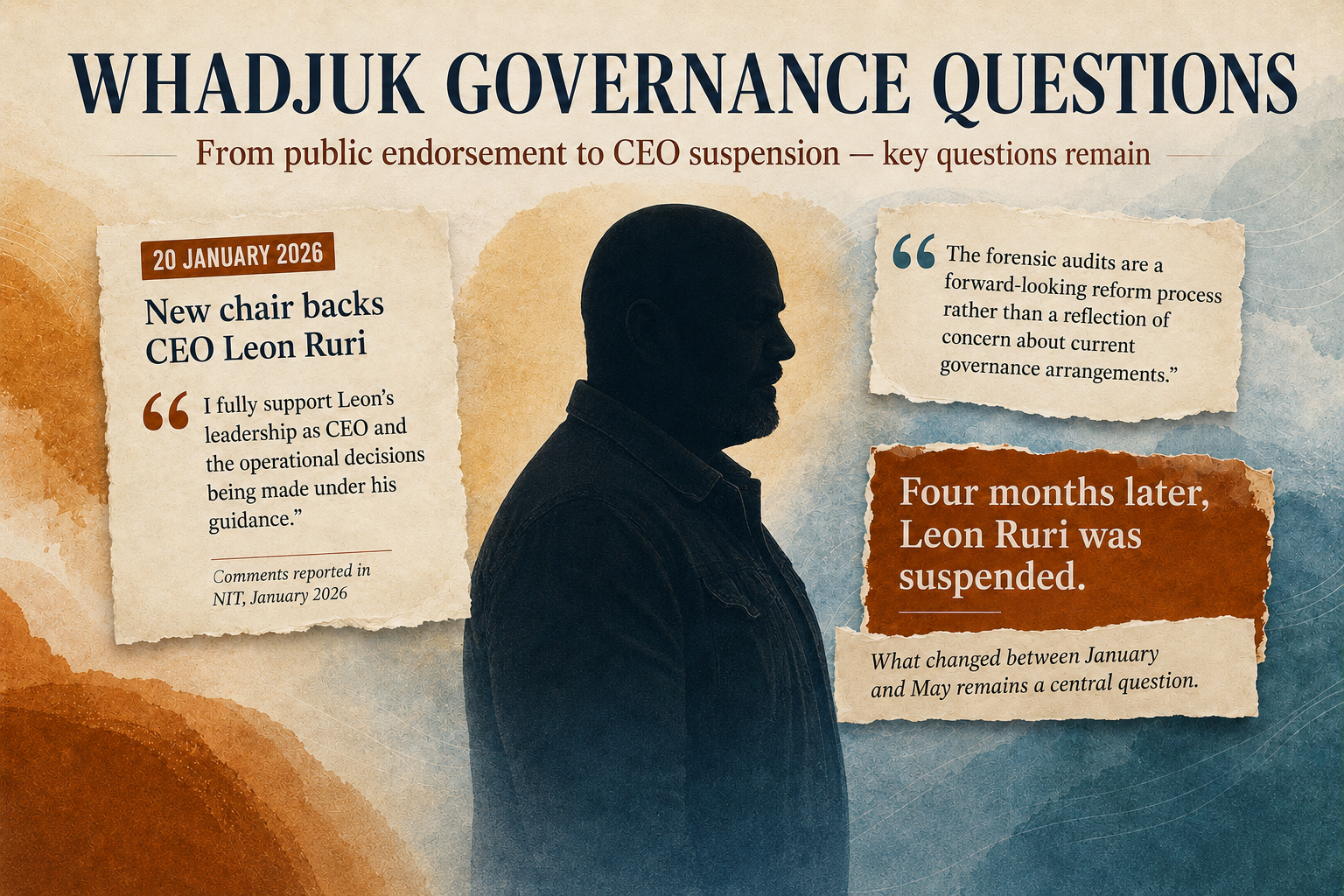
Whadjuk governance questions digital illustration by Ngaarda Media
Why the board attributed the criticism to Mr Ruri
Baldwin Legal, acting for Mr Ruri, responded to Whadjuk in a letter dated 11 June.
The firm said Mr Ruri had not participated in a formal interview with journalist Reece Harley.
It said Mr Ruri received a telephone call, declined to discuss internal Whadjuk matters and instead spoke positively about the corporation.
The letter also said Mr Ruri did not provide the journalist with the emergency meeting notice.
It said he had not authorised anyone else to provide the notice or information about the board’s voting process.
Mr Ruri’s lawyer reproduced his positive comments.
However, the response did not expressly say Mr Ruri was not the source of the paraphrased criticism.
Whadjuk’s lawyer relied on that omission.
In the 12 June termination letter, Gibson Lyons Lawyers said Mr Ruri had not taken the opportunity to suggest he had been misquoted.
The letter said the board considered his response incomplete.
It said his failure to specifically deny making the criticism suggested he was responsible for it.
The board considered Mr Ruri’s response at a meeting that day.
It concluded his contact with NIT, particularly the “Express Criticism”, had or may have brought Whadjuk into disrepute.
The board also concluded it had caused disharmony in the Noongar or wider community.
It found the conduct amounted to misconduct sufficient to immediately terminate his employment.
Mr Ruri says he was dismissed without being shown evidence supporting the original allegations.
“They presented nothing to me,” he said.
“I’ve never been presented with anything before they terminated me. That’s the absolute truth.”
The NIT article said the publication had seen correspondence relating to the criticism.
It did not expressly say Mr Ruri made the criticism during his telephone conversation with Mr Harley.
Procedural fairness disputed
Baldwin Legal said Mr Ruri had been verbally suspended after the 11 May meeting.
It said he had not received written allegations with enough detail for him to understand and answer them.
The firm described the delay as a fundamental flaw in the workplace investigation.
It warned that disciplinary action before a proper and procedurally fair investigation was completed could lead to legal action.
The termination correspondence also referred to Mr Ruri’s lawyer criticising “the fact” that the original allegations had not yet been put to him.
Whadjuk’s lawyer did not dispute that those allegations had not been formally provided.
Instead, the lawyer said the questions about the NIT report had become the immediate priority.
The board considered Mr Ruri’s answers to those questions unsatisfactory.
Whadjuk maintains that the paid suspension was a neutral administrative measure. It says it was not a finding of wrongdoing.
The corporation says directors obtained professional advice and reviewed financial, governance, employment and operational matters.
In a statement to members published on 23 July, Whadjuk said further matters had come to the board’s attention during the suspension.
It said directors obtained legal advice before summarily dismissing Mr Ruri.
The statement did not identify the NIT article or the “Express Criticism” as the immediate basis for the decision.
It said the corporation would not publish confidential employment correspondence or conduct employment matters through social media.
NIT rejects claim as chair raises separate allegations
NIT reported on 28 July that the criticism was not Mr Ruri’s.
It said it stood by its reporting.
The publication also said no findings of wrongdoing had been made against Mr Ruri and the original allegations remained disputed.
Ms Hayden has since directly criticised Mr Harley in a social media post.
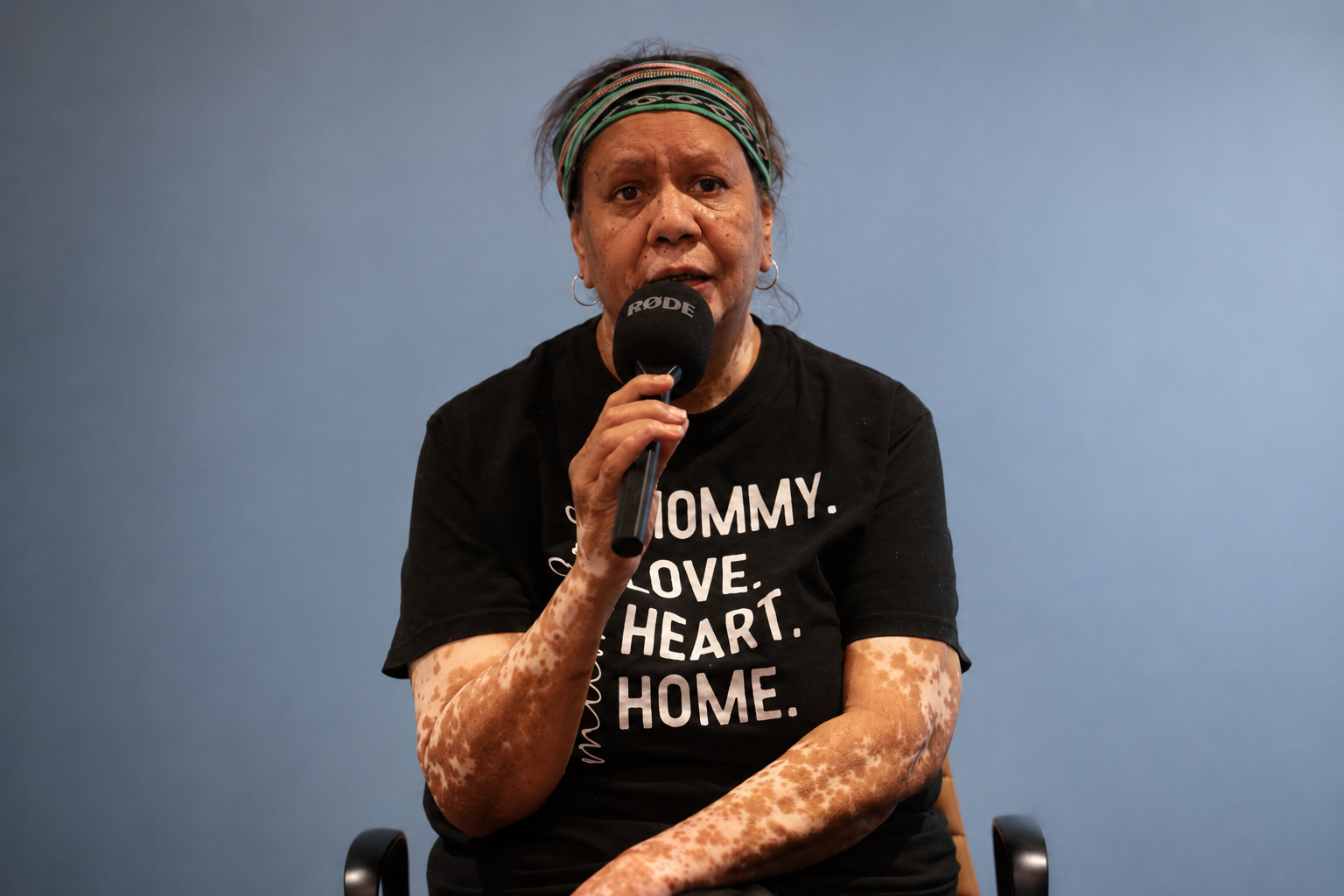
Whadjuk Aboriginal Corporation chairperson Charne Hayden. Image by Ngaarda Media
She accused him of failing to disclose alleged benefits received during Whadjuk’s March delegation to Aotearoa.
She alleged he received flights, accommodation, transport, meals and entertainment funded through Whadjuk administration money.
She also alleged Mr Ruri offered Mr Harley a contract to produce a story or provide communications services.
“Reece Harley, be precise and report the truth,” Ms Hayden said.
Reece Harley from the National Indigenous Times told Ngaarda Media he was invited to participate in the delegation to Aotearoa as a guest of the Corporation.
“All of the delegates and the Board, including the Chair Charne Hayden, were aware of NIT's participation. The Whadjuk Corporation's Board formally approved NIT's involvement.
NIT attended to cover the important events and formalities that took place, and to investigate the economic opportunities that exist for Noongar, as well as lessons that could be learned from Maori communities, organisations, businesses, governance frameworks and settlement agreements.
NIT was not paid to attend and no payment was ever made to, or received from, the Corporation as part of this invitation, or thereafter.”
NIT’s response distinguishes between attending as an invited guest and receiving payment from the corporation. It does not state that NIT paid all of its own travel, accommodation, meal or related costs.
Editor’s note - July 29, 2026: This article has been updated to include a response from Reece Harley from the National Indigenous Times received after publication
The allegations about travel and a proposed commercial arrangement are separate from the legal correspondence explaining Mr Ruri’s dismissal.
Ngaarda Media has not independently verified those allegations.
Editor’s note — July 28, 2026: This article has been updated to note that the social media post containing comments attributed to Whadjuk chair Charne Hayden was no longer publicly available after publication. Ngaarda Media reviewed and retained a copy of the post before quoting from it.
Ms Hayden said Mr Ruri’s employment contract had been signed in 2025 by then-chair Reg Yarran and director Kerry Anne Winmar.
“The current board inherited this man and all the internal and external problems that came with him,” she said.
She accused Mr Ruri of repeatedly disrespecting directors, breaching his contract and attempting to control the organisation.
Ms Hayden said directors followed legal processes and relied on evidence and legal advice.
“We went through legal processes and Leon Ruri could not show cause to the ongoing breaches to his contract,” she said.
“After a month plus of internal investigations, our board, through legal advice, terminated his contract following factual evidence and proof.”
That account differs from the wording of the 12 June legal letter.
The letter said the original matters would have remained under investigation if Mr Ruri’s answers about the NIT article had been considered satisfactory.
It identified the media-related conduct as the immediate basis for termination.
What the original investigation concerned
The original investigation covered financial, operational, governance and workplace matters.
Those matters had not reached findings when Mr Ruri was dismissed.
Financial authority
The board says it identified proposed financial commitments, banking arrangements and service-provider discussions that required closer scrutiny.
It says preliminary discussions and proposed commitments still needed to comply with formal delegations, procurement rules and approval processes.
Mr Ruri says directors knew about the proposals.
He says preliminary discussions were wrongly presented as unauthorised purchases or completed agreements.
“These were board discussions that they knew about,” he said.
“They gave me approval to go and have the conversations about them — not to purchase them.”
Mr Ruri said he did not have the authority to complete major acquisitions without board approval.
“I cannot go and purchase anything,” he said.
“It cannot happen because it requires board approval.”
He said discussions about a possible hotel or joint venture had not resulted in any agreement.
“There are no contracts,” he said.
“We’re talking. Everything was in the talking stage.”
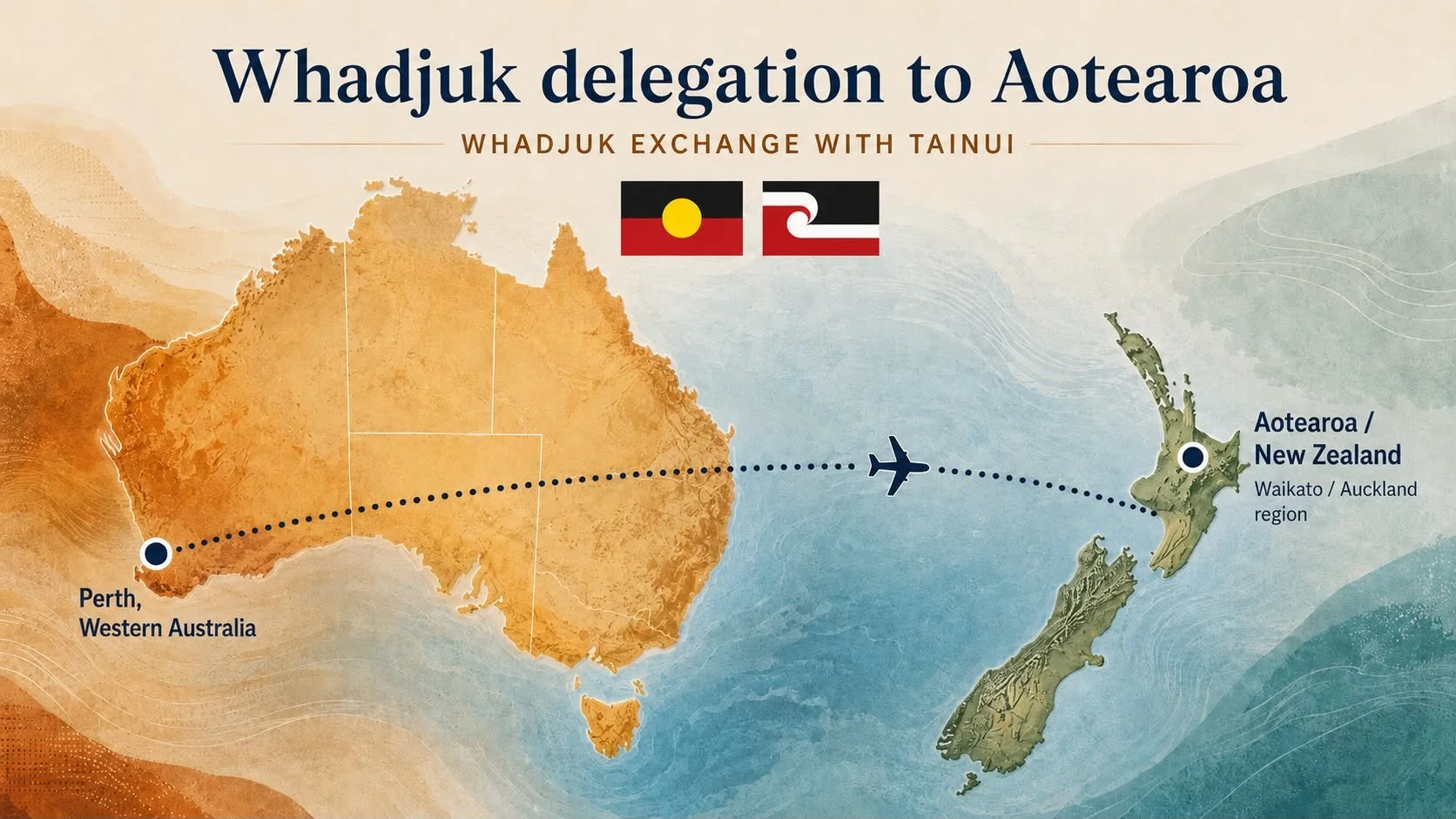
Cultural Exchange digital illustration by Ngaarda Media
Aotearoa delegation
One disputed expense relates to Whadjuk’s March delegation to Aotearoa.
The trip was promoted as an opportunity to learn from Māori organisations about governance, cultural authority, economic development and intergenerational wealth.
The board says it later identified an invoice from Waikato Raupatu Lands Trust for NZD $66,728.38.
It said the amount covered flights, accommodation, transport and other delegation costs.
Ms Hayden said directors had understood that significant costs would be funded from outside the corporation.
“This has been a shock to us,” she said.
Interim chief executive Dominic Panaia said several categories of expenditure were included.
“Flight costs, accommodation, travel around the area and other costs associated with that — it’s all in one invoice,” he said.
Mr Ruri says directors knew about the trip and its proposed funding sources.
He says the invoice needed to be reconciled against sponsorship and other contributions.
Ngaarda Media is waiting for a response from Waikato Raupatu Lands Trust.
Proposed communications arrangement
The board also says Mr Ruri pursued a proposal involving NIT or a related entity.
It says the proposal covered media, website or communications services during Whadjuk’s transition away from the South West Aboriginal Land and Sea Council.
The board says discussions about a paid arrangement took place and an invoice was issued.
It says no executed contract or board approval was identified.
The invoice was not approved for payment.
Mr Ruri says assessing possible service providers and placing proposals before directors was part of his role.
“There is no breach of my employment as CEO in investigating those things and putting proposals on the table,” he said.
“I’m doing my job.”
A proposed commercial arrangement and NIT’s editorial reporting remain separate issues unless evidence establishes that one influenced the other.
NIT says it stands by its reporting.
Governance backdrop
Whadjuk Aboriginal Corporation was established under the South West Native Title Settlement.
It represents Whadjuk Noongar interests and pursues cultural, social and economic outcomes across the Perth region.
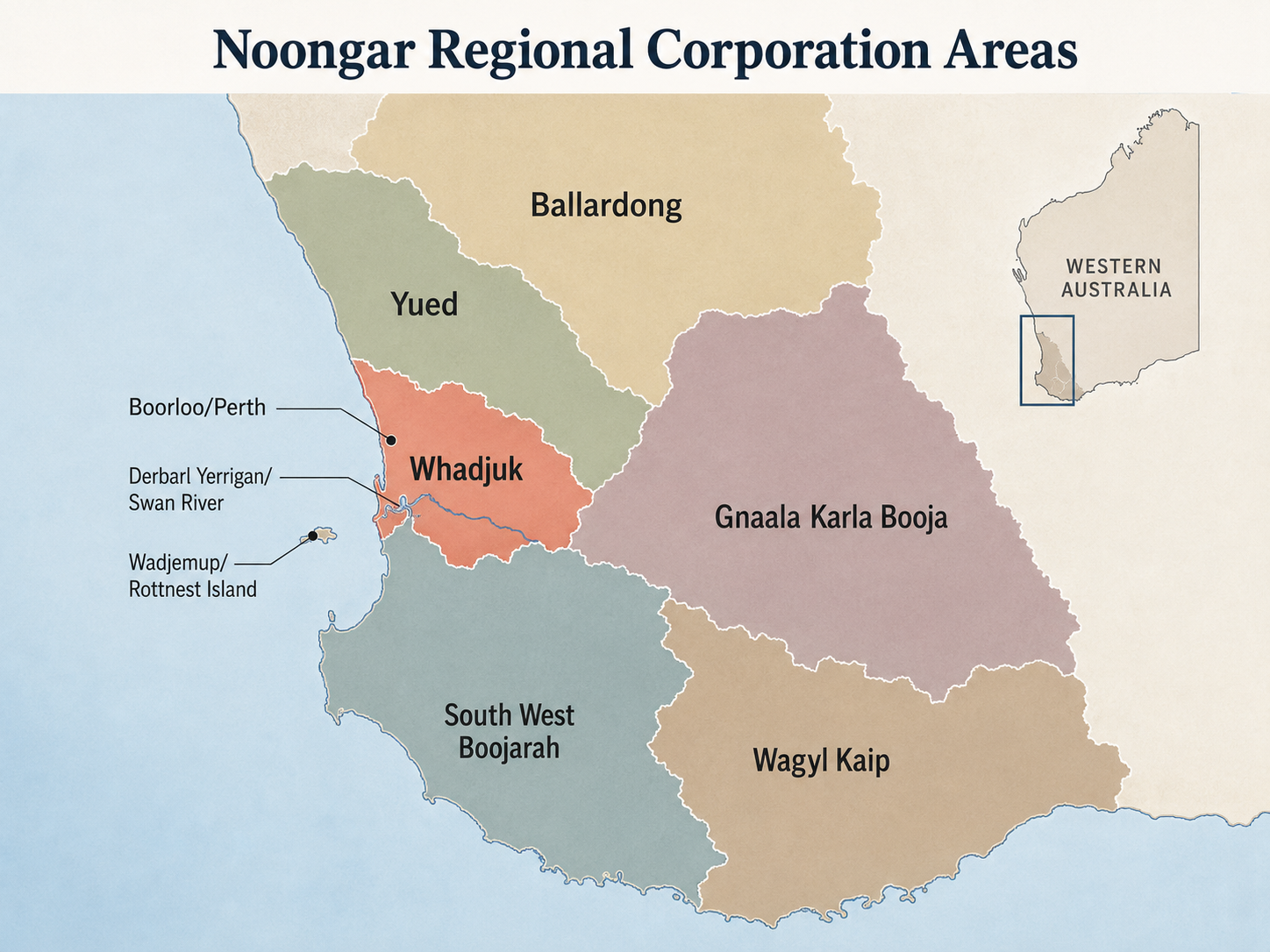
Noongar regional corporation areas digital illustration by Ngaarda Media
The corporation had experienced governance problems before Mr Ruri’s suspension.
During 2025 and 2026, Whadjuk experienced director resignations, staff changes and funding disruption.
It also fell below the minimum number of directors required under its rule book.
The Office of the Registrar of Indigenous Corporations corresponded with Whadjuk about director nominations, eligibility and rule-book provisions.
Those events do not establish misconduct or automatically invalidate the board’s decisions.
They show the corporation was already operating amid leadership turnover and unsettled governance processes.
The breakdown came only months after Whadjuk’s leadership publicly endorsed Mr Ruri.
In January, then-chair Colin Garlett said he fully supported Mr Ruri’s leadership and operational decisions.
He described them as strengthening Whadjuk and guiding the corporation towards a sustainable future.
The announcement described proposed forensic audits as a historical and forward-looking governance exercise.
It did not present them as a response to concerns about Mr Ruri’s management at that time.
Four months later, Mr Garlett was among the directors involved in the board’s response to the allegations.
Directors can change their position when new information emerges.
The unresolved question is what emerged between the January endorsement and the May suspension.
Mr Garlett rejected suggestions that the decision was driven by hostility towards Mr Ruri.
“It’s not about personal vendetta; it’s about what’s right for the organisation,” he said.
He said a chief executive was required to follow the board’s directions.
“When you’ve got a board in place, they are your bosses and you are meant to [follow] what directions they give you,” he said.
Mr Garlett said directors remained focused on Whadjuk members.
“Our interest is for the benefit of the organisation and our members,” he said.
“We’re here to turn this around for our organisation, our people and our community.”
Mr Ruri says he acted within his authority.
“I’ve been operating wholeheartedly and with integrity to try and grow this corporation,” he said.
Ms Hayden said the board wanted a forensic audit to cover several leadership periods.
“We wanted to go back five years from the start of the regional corporation’s existence,” she said.
She also defended the skills and experience of the current directors.
“I truly believe that this is the strongest board that has ever sat in Whadjuk,” she said.
“Every one of these directors carries a huge amount of knowledge and skills.”
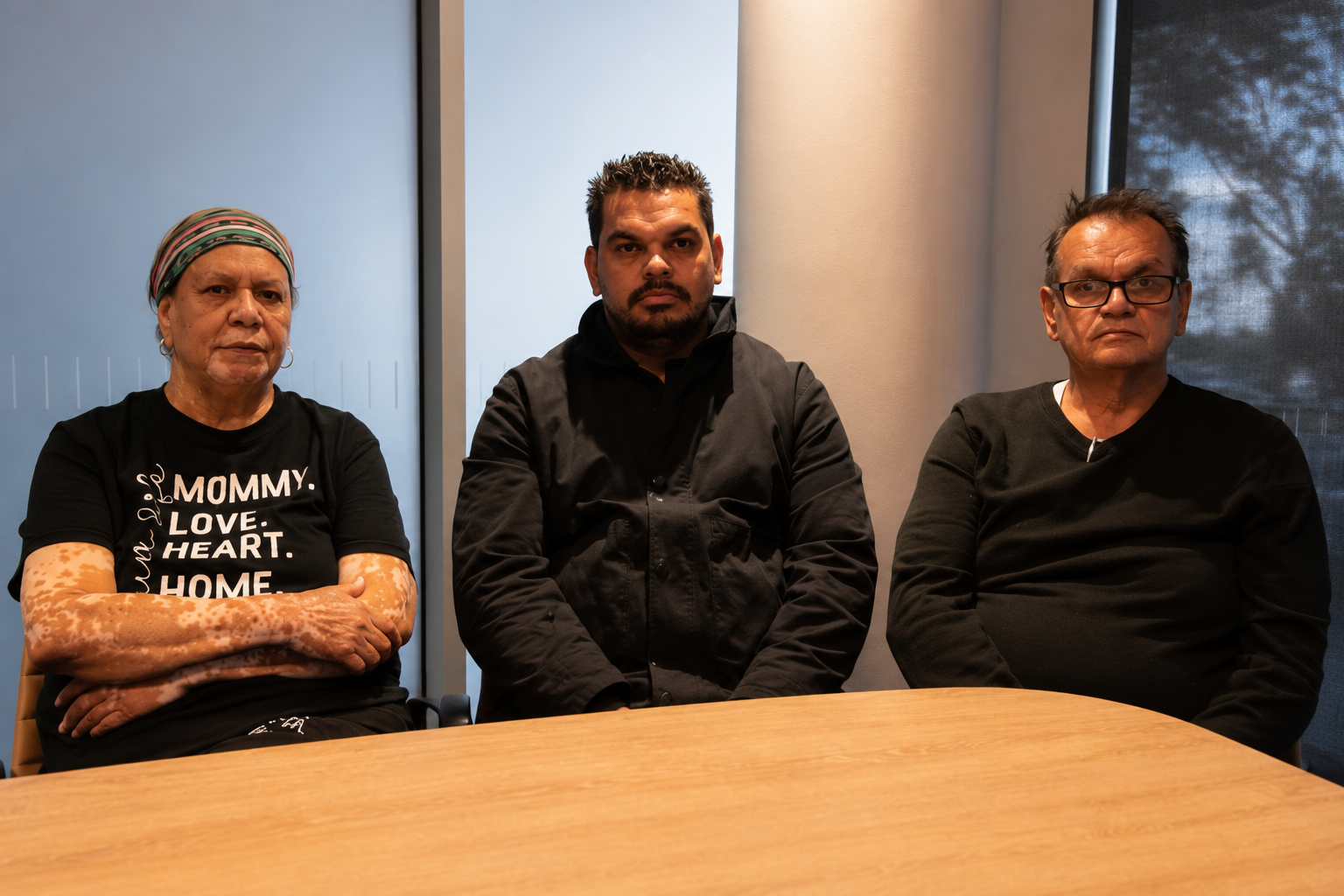
Whadjuk Aboriginal Corporation chairperson Charne Hayden with directors Wayne Ryder and Colin Garlett. Image: Ngaarda Media
Workplace and membership fallout
The leadership dispute has affected Whadjuk’s staff and members.
Current and former personnel have provided sharply different accounts of the workplace.
The board says directors had concerns about workplace management, reporting relationships and confidential information being shared outside the corporation.
One director said the board was trying to manage organisational risks while internal information was being disclosed.
“For us as a board, we were trying to make decisions and mitigate risk for the corporation while a lot of confidential material and discussions … were leaked out to third parties and people within the community,” the director said.
The director said the board initially avoided publicly responding to speculation.
“We didn’t comment on a lot of stuff within community,” the director said.
“There was a lot of speculation and a lot of rumours going out around social media.”
Former employee and Whadjuk member Marianne Headland Mackay disputes the board’s account of staff absences.
She says some employees took leave because they felt unable to continue working under the conditions that followed Mr Ruri’s suspension.
A former staff member told Ngaarda Media that the workplace appeared comparatively united before Mr Ruri was stood down.
The board denies employment or rostering decisions were retaliatory.
It says work was allocated according to operational requirements, availability, project needs and skills.
The dispute has also widened beyond Mr Ruri’s employment.
Some members support the board and its rebuilding program.
Others want formal meetings, clearer explanations and more involvement in decisions affecting the corporation.
Ms Headland Mackay renewed her call for members to meet.
“The members need to know the truth,” she wrote.
“Call the general meeting so we can ask questions.”
A Change.org petition started by former chair Reg Yarran attracted hundreds of online supporters.
The number shows public concern.
However, it does not establish how many signatories were registered Whadjuk members or whether the petition met the formal requirements for calling a meeting.
The board says a separate request did not contain enough verifiable member signatures.
Supporters dispute that assessment and have sought assistance from ORIC.
Director Denice Kickett said member participation was central to Whadjuk’s future.
“Without the members, this organisation won’t operate effectively and do what we’re meant to do as far as proponents are concerned and as far as our community and our next generation,” she said.
Ms Kickett said Whadjuk should pursue long-term cultural and economic outcomes.
“This organisation should be creating generational wealth, cultural wealth for our next generation,” she said.
“That’s what I’m about.”
She said members should understand the board’s decisions.
“I am about transparency,” she said.
“I’m going to make sure that our members understand what we’re going through as a board and what has previously happened.”
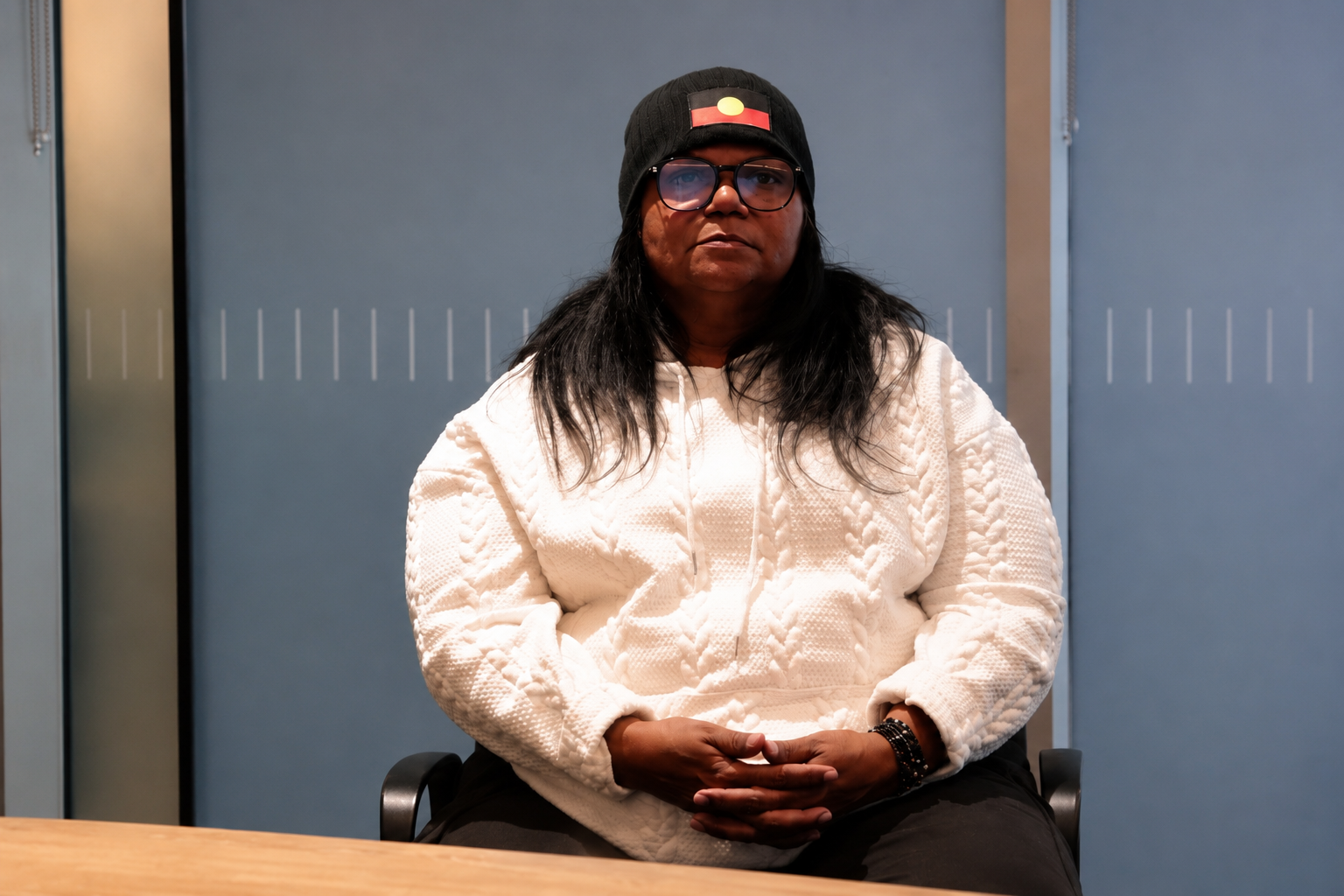
Director Denise Kickett. Image by Ngaarda Media
Current leadership and unresolved questions
Mr Panaia said he accepted the interim chief executive role because Whadjuk needed immediate leadership.
“I was put into this position because we needed somebody to step in at that time,” he said.
“I’m just out there to do my best.”
He said his ambition was to see Whadjuk people prosper.
“For the future generations … just to see Aboriginal people, especially Whadjuk people who I work for, prosper.”
The board says key positions have since been filled.
It says membership administration has been strengthened and work has begun to improve financial oversight, reporting and internal systems.
Mr Panaia said rebuilding would require engagement and transparency.
“We’re hoping to have lots of activities and lots of engagement with our members,” he said.
“I’m really excited to make sure that there’s a lot of transparency for members and for all of our community because we’ve got to start coming together.”
The board says it is also rebuilding direct relationships with proponents and reviewing existing agreements.
“We want to sit at the table again,” Ms Hayden said.
“We want to have a look at these contracts, we want to talk to you and then show you that this board and us can work together.”
Mr Panaia said essential land, heritage, environmental and monitoring work had continued.
“All of our proponent relationships are still solid,” he said.
“We’re still working in the community. We’re still doing a lot of monitoring.”
Whadjuk had also been working towards taking greater control of services provided through SWALSC.
Both sides agree that transition was incomplete when Mr Ruri was suspended.
The board says more work was needed on staffing, systems, records, procedures and knowledge transfer.
It says proceeding without enough capacity would have exposed the corporation, its employees, members and proponents to risk.
Mr Ruri says the transition was well advanced and his team was working towards greater independence.
Colin Garlett described the personal strain of serving on the board.
“Honestly, it has been a hard slog over the last six months,” he said.
“It’s been stressful. It’s probably been my hardest job … but everything I do is for our people.”
Mr Garlett remained optimistic about the corporation’s future.
“I see a bright future for the corporation,” he said.
“Even though we’ve had a few struggles over the last few months and a few hurdles, we’ve been able to overcome them together.”
Colin Garlett urged members to maintain confidence in Whadjuk.
“We’ve come together and we’re driving the corporation forward for the benefit of all our members,” the director said.
“I just want to put it out there to all our members to have faith.”
The board and Mr Ruri remain divided over why his employment ended.
Mr Ruri says his reputation was damaged by allegations that were not properly tested.
He says he was ultimately dismissed over criticism he did not make.
The board says it acted after identifying serious governance and employment concerns, obtaining legal advice and reviewing the information available to directors.
The legal letters clarify one central fact.
The original investigation had not reached findings before the NIT report became the immediate employment issue.
The board inferred that Mr Ruri was responsible for the criticism in the article.
The correspondence does not resolve whether that inference was correct.
It also does not determine whether the board’s contractual interpretation was legally justified or whether the original allegations were well founded.
Restoring confidence will require accurate records, fair processes, properly convened meetings and clear explanations to Whadjuk members.
One member responding beneath Whadjuk’s Facebook post, Focused on Building a Strong Future for Whadjuk People, summed up the challenge:
“All the best to the corporation. Not an easy job, that’s for sure.”
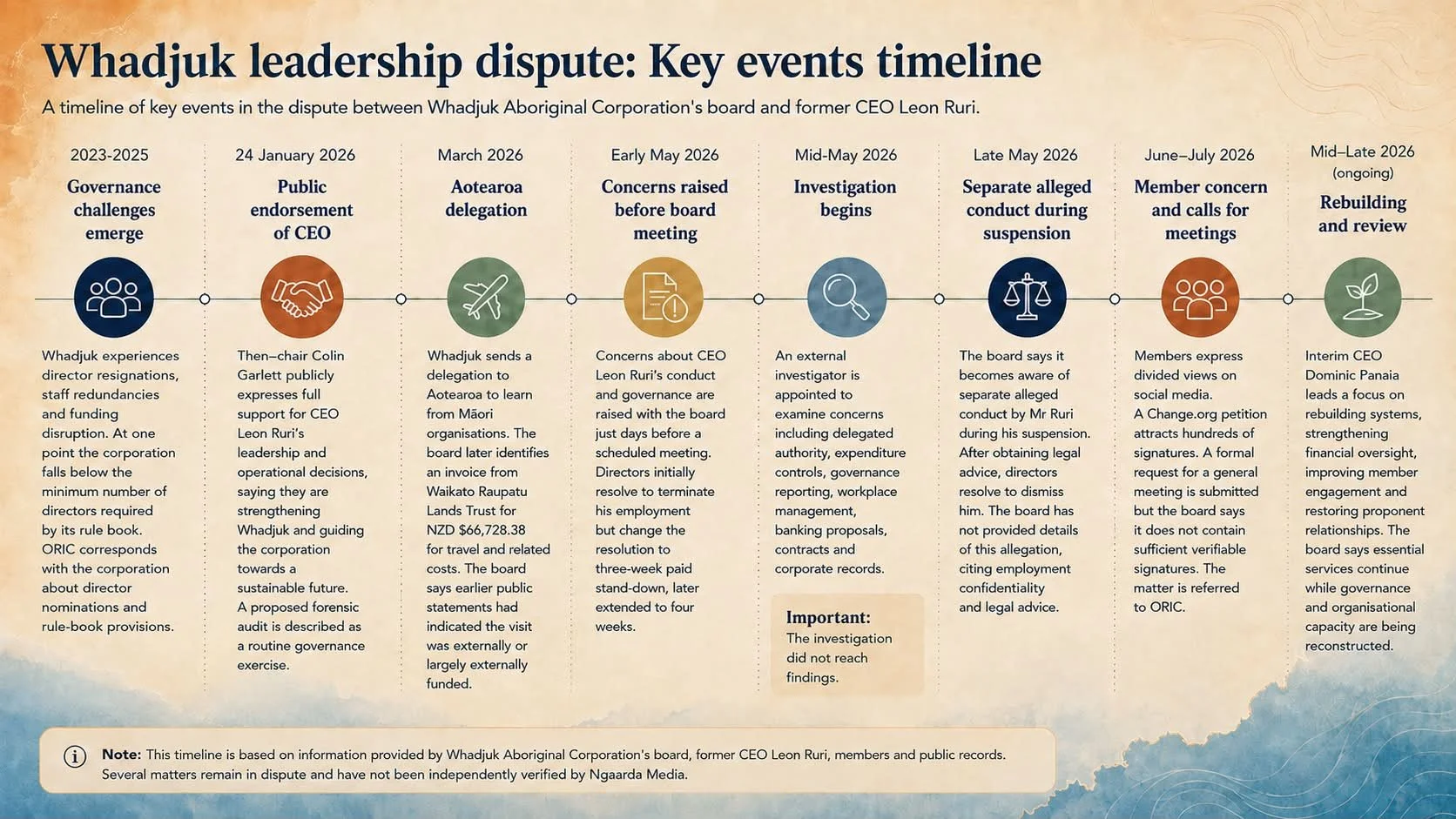
Whadjuk leadership dispute timeline digital illustration by Ngaarda Media