
NEARLY ONE BILLION PEOPLE COULD BE LIVING WITH OSTEOARTHRITIS BY 2050, RESEARCHERS WARN
By Lynnese O’Donoghue | Monday, 12 October 2026
On World Arthritis Day, Curtin University researcher Professor Andrew Briggs is calling for urgent action to tackle the growing global burden of osteoarthritis, while highlighting serious inequalities in healthcare access for Aboriginal and Torres Strait Islander people.
Nearly one billion people worldwide could be living with osteoarthritis by 2050, according to international estimates highlighted in a new health policy roadmap published in the medical journal The Lancet.
The figure represents a significant increase from approximately 600 million people living with the condition in 2023.
Speaking with Lynnese O'Donoghue on Ngaarda Radio Breakfast for World Arthritis Day, lead author Professor Andrew Briggs from Curtin University's School of Allied Health said the growing number of cases was being driven by ageing populations, population growth and preventable risk factors.
"The probably the two strongest risk factors that we know about are overweight and joint injury, which might be from the kind of work you do or from sports participation," Professor Briggs said.
Osteoarthritis is a condition affecting the joints, commonly causing pain, stiffness and swelling in the knees, hips and hands.
While often associated with older people, Professor Briggs said the condition can also affect younger adults and significantly interfere with everyday life.
It can impact people's ability to work, care for their families and remain physically active.
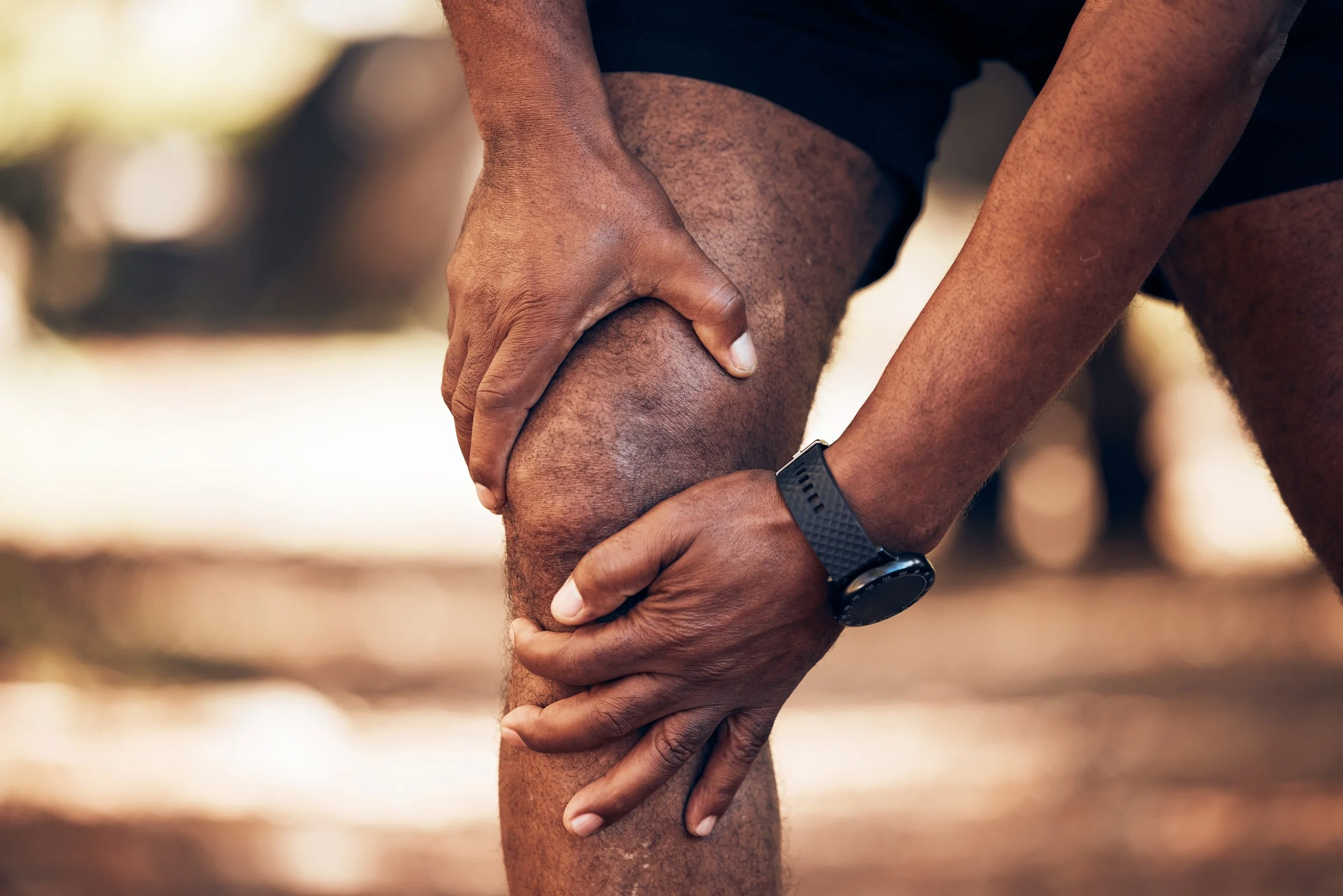
Living with Arthritis, knee and other joint pain can flare up
GERALDTON RESEARCH EXPOSES INEQUALITIES IN ABORIGINAL ARTHRITIS CARE
Professor Briggs highlighted research involving Associate Professor Ivan Lin from the University of Western Australia's Western Australian Centre for Rural Health in Geraldton, which challenges misconceptions about osteoarthritis among Aboriginal Australians.
A 2018 systematic review led by Associate Professor Lin found Aboriginal people experienced osteoarthritis at rates similar to or higher than non-Aboriginal Australians, yet accessed primary healthcare for hip and knee osteoarthritis at approximately half the rate.
The review also found Aboriginal people were less than half as likely to undergo hip or knee replacement surgery.
Professor Briggs said the findings highlighted a significant healthcare inequality that governments must address.
"Aboriginal people experience hip and knee osteoarthritis at a rate that's either equivalent or higher. But despite that, their ability to access primary care services and for some people joint replacement is much less than non-Aboriginal people."
The research also identified communication barriers between Aboriginal patients and healthcare professionals, reinforcing the need for culturally safe services and improved access to treatment.
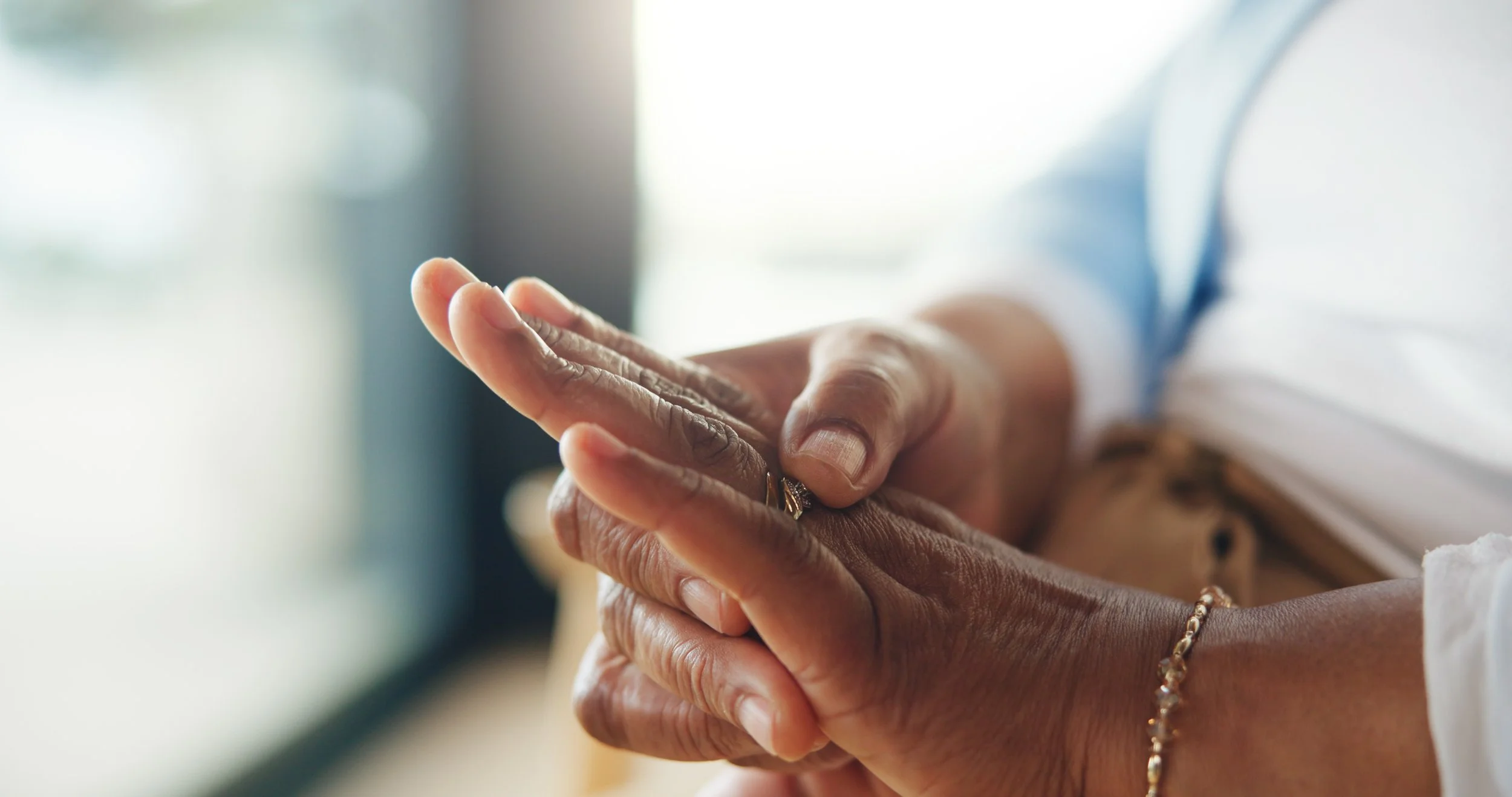
Oesteoarthritis can affect the hands and minimise your movements, look out for the signs and see a doctor
PHYSICAL WORK AND JOINT HEALTH IN THE PILBARA
The interview also explored the risks associated with physically demanding employment, including mining, construction and pastoral work.
Professor Briggs explained that repeated kneeling, squatting and climbing can place considerable strain on joints over time.
He encouraged workers to consider modifying repetitive tasks where possible, taking regular breaks, using protective equipment such as kneeling pads and maintaining muscle strength and mobility.
These strategies may help reduce the risk of joint injuries and support long-term physical health.
OSTEOARTHRITIS IS NOT SIMPLY PART OF GETTING OLDER
Professor Briggs also challenged the misconception that osteoarthritis is an inevitable consequence of ageing.
He said people experiencing ongoing joint pain or stiffness should not assume they must simply live with the condition.
While there is currently no cure or medication proven to stop or slow the underlying disease, there are effective ways to manage symptoms and maintain quality of life.
These include appropriate physical activity, pain management, healthy sleep habits, weight management where relevant, and support from healthcare professionals.
He encouraged people to speak with their doctor or physiotherapist to better understand their condition and identify safe strategies for managing symptoms.
CULTURALLY APPROPRIATE SUPPORT FOR FIRST NATIONS PEOPLE
Professor Briggs also highlighted a resource developed specifically for Aboriginal and Torres Strait Islander people called Staying Strong with Arthritis.
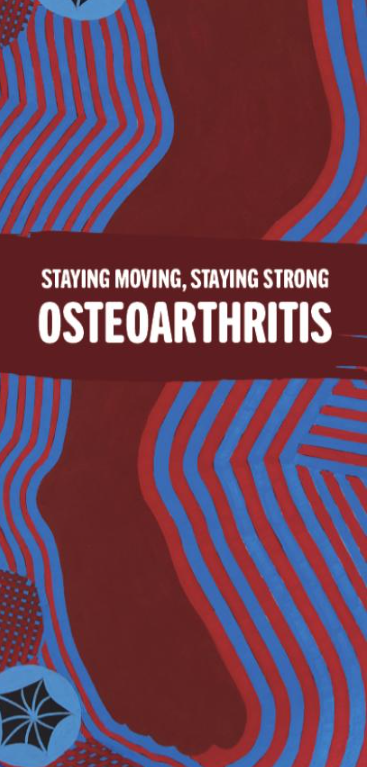
Staying Moving, Staying Strong Osteoarthritis. Image Credit stayingstrongwitharthritis.org.au Resources - Staying Strong with Arthritis.
The initiative provides culturally appropriate information about arthritis, helping people understand their diagnosis, manage symptoms and maintain independence.
Developed with Aboriginal people, researchers and healthcare professionals, the website includes videos featuring personal experiences, practical health advice and educational resources covering osteoarthritis, rheumatoid arthritis, lupus and gout.
The resources are also designed to help Aboriginal Health Practitioners, nurses, doctors and physiotherapists support people living with arthritis.
Professor Briggs encouraged Aboriginal listeners and their families to explore the website as a starting point for understanding the condition.
Visit Staying Strong with Arthritis:
https://www.stayingstrongwitharthritis.org.au/
Find arthritis brochures, videos and personal stories:
https://www.stayingstrongwitharthritis.org.au/home-1-1-1
Find an Aboriginal Community Controlled Health Service:
https://www.naccho.org.au/naccho-map
Additional resource: Arthritis Australia's First Nations information page also links to culturally appropriate arthritis resources for Aboriginal and Torres Strait Islander people.
Ngaarda Media encourages anyone experiencing persistent joint pain, stiffness or swelling to seek advice from their local GP, Aboriginal health service or physiotherapist.
Professor Briggs said better awareness, early support and accessible healthcare could help people continue doing the activities that matter to them.
The interview was broadcast on Ngaarda Radio Breakfast on Monday, 12 October, to mark World Arthritis Day.