
NW COMMUNITIES URGED TO PREPARE FOR FIRE AND CYCLONE SEASON
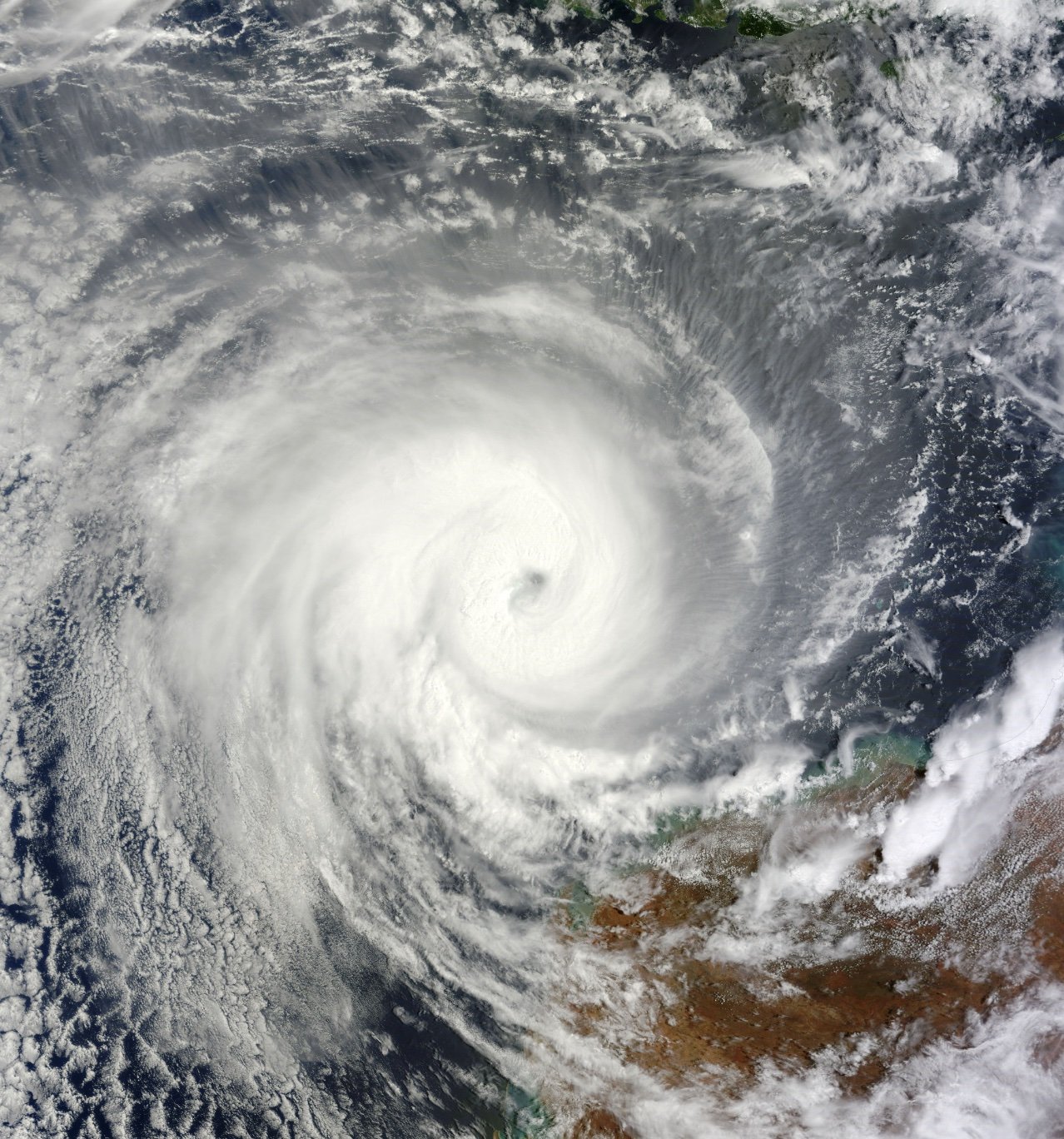
Image source: Wikipedia
Residents across the Pilbara and Kimberley are being urged to prepare for another potentially dangerous wet season, with emergency authorities warning that cyclones, flash flooding and bushfires could leave remote communities isolated for days.
The Department of Fire and Emergency Services (DFES) says the coastline stretching from Exmouth to Broome remains one of Australia's most cyclone-prone regions, regardless of whether the coming season produces an above-average number of storms.
Speaking to Ngaarda Media, DFES West Pilbara Natural Hazards District Officer David Cowdell said unusually warm ocean temperatures were influencing rainfall patterns, making it increasingly difficult to predict what a typical wet season would look like.
"From a typical season point of view these days, there's not really a typical season. Everything is based on what happens at once, particularly for the Pilbara," he said.
"The amount of rainfall and the average rainfall is really based around our cyclonic activity. So, if we don't have a cyclone, we don't have much rain. If we have a cyclone, then those areas impacted are going to have above-average rainfall."
Last wet season, five tropical cyclones affected Western Australia, including Severe Tropical Cyclone Narelle, which caused extensive damage around Exmouth and Carnarvon and the Bureau of Meteorology has forecast above-average rainfall for parts of the Kimberley this month, while increased thunderstorm activity across central Western Australia could bring flash flooding, damaging winds and road closures.
"We're sitting on that most active part of the Australian coast. So, it's very likely we're going to see some kind of activity through the season… from Exmouth all the way through to Broome is at the highest risk across the whole of Australia," said Mr Cowdell.
Mr Cowdell said northern communities needed to remain alert, regardless of seasonal forecasts.
Isolation risks
Mr Cowdell said one of the biggest concerns for emergency services was the potential for remote Aboriginal communities and pastoral properties to become cut off by floodwaters.
He said households should ensure they had adequate safe, long-life food, drinking water, fuel, medication, a battery operated radio, torch and access to emergency warnings before severe weather arrived.
“those things that we see, the damage to houses, the storm surges, Tropical Cycle Narelle in Exmouth was a perfect example of storm surge. .. that storm surge came in and went well and truly kilometres inland, so that had a real big effect on that local community.
Emergency services are also encouraging residents with internet access to assist neighbours, Elders and others who may struggle to receive digital warnings.
Changes to Western Australia's cyclone warning system.
The change from a State to the national warning system two years ago have also prompted renewed calls for residents to familiarise themselves with the three national warning levels.
The Australian Warning System replaced the former blue, yellow and red cyclone alerts in July 2024.
Under the system, residents receive an Advice, Watch and Act, or Emergency Warning, depending on the level of danger.
Mr Cowdell acknowledged some residents remained confused about what action they should take.
"If you did something on the old blue alert, do that on the Advice," he said.
"So get yourself ready, get everything ready, go to the shops, get your fuel, make sure your plans are in place."
He said a Watch and Act warning meant people should begin taking protective measures, including preparing to shelter and finalising business and school arrangements.
An Emergency Warning indicates a threat to lives and homes and requires immediate action, including sheltering indoors when directed.
Unlike the previous system, which progressed from a red alert to an all-clear, warnings can now be downgraded gradually as conditions improve.
DFES says this allows emergency services to communicate continuing risks, including damaged buildings, fallen powerlines and unsafe roads, after destructive winds have passed.
For generations of Pilbara residents, coloured warning lights and flags were familiar signs that a cyclone was approaching.
But Mr Cowdell confirmed the warning lights that once operated in communities such as Wickham would not be reinstated.
He said emergency services were increasingly relying on the Emergency WA app, radio broadcasting and local community networks to distribute warnings.
Community engagement and school visits were also being used to explain the new system and encourage younger residents to share information with their families.
Flooded roads could delay emergency response
Mr Cowdell also warned motorists against driving through floodwaters, saying unnecessary rescues could divert emergency personnel away from other communities.
He pointed to the response to Cyclone Narelle in Exmouth, when flooding disrupted road access and helicopters were needed to help emergency crews.
"People went through on the North West Coastal Highway, got flooded, multiple of them had to be rescued," he said.
"That then delayed everything else coming into Exmouth to help us recover."
He urged travellers to postpone journeys when conditions became dangerous, even if that meant disrupting long-planned holidays.
"Just hold off and wait till the weather's cleared and wait till the conditions are safe again."
Families urged to prepare before storms arrive
With cyclone season underway, Mr Cowdell said preparation remained the most effective way to reduce risks to households, particularly those living in isolated areas.
Residents should secure loose items around their homes, trim overhanging branches and prepare an emergency kit containing food, water, medications, first aid supplies, torches and a battery-powered radio.
"Make sure you've got your prescription medications because we may be isolated for a number of days," he said.
"And make sure you've got enough food and water for at least five days."
DFES recommends keeping enough food and water for five to seven days, along with supplies to manage extended power outages.
Department of Fire and Emergency Services+1
Mr Cowdell also discouraged the tradition of cyclone parties, warning that alcohol consumption during emergencies could create unnecessary risks.
"What we don't want is to have to go rescue a whole heap of drunk people because we may have limited access to help them out," he said.
"Stay safe. Enjoy the time and limit the beverages."
Residents are encouraged to monitor Emergency WA for official warnings and the Bureau of Meteorology for the latest weather forecasts.