
PILBARA KIDS FALLING THROUGH MENTAL HEALTH GAPS, COMMISSIONER WARNS
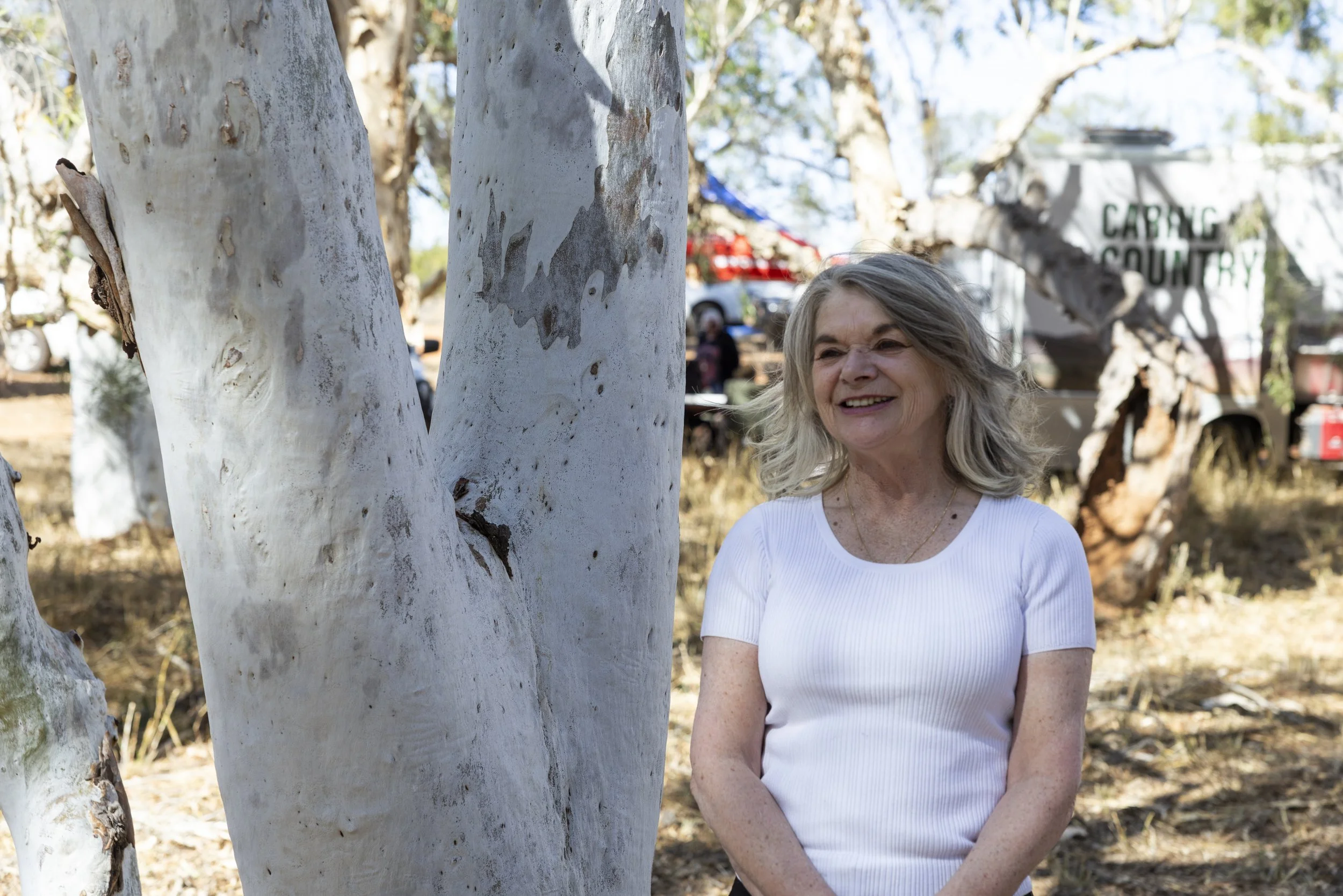
WA Children's Commissioner Jacqueline McGowan-Jones said the government needs to get essential services like clean water and safe housing right for Pilbara children to succeed.
WA Commissioner for Children and Young People Dr Jacqueline McGowan-Jones says Pilbara children are being turned away from mental health services when they are actively asking for help.
The proud Arrernte and Warumungu woman said young people were becoming caught between services. Considered not unwell enough for the Child and Adolescent Mental Health Service in regional hospitals, but too unwell for Headspace, Dr McGowan-Jones told Ngaarda Media that:
“They’re falling through the gaps, children and young people especially tell me they are told by the Child and Adolescent Mental Health Service that they’re not critical enough. Then they go to Headspace and they’re too critical.”
The warning follows early findings from the Commissioner’s latest Speaking Out Survey, which heard from about 17,000 school-aged children across Western Australia.
Almost half of the children surveyed at seven government, Catholic and independent schools in the Pilbara said they were concerned about their mental health. That was about 15 percentage points higher than the statewide average.
The survey also found more than 90 per cent of Pilbara children felt at home in the region—highlighting the strength of their connection to community despite the challenges they face.
But Dr McGowan-Jones said Pilbara children were experiencing poorer mental and physical health outcomes, greater food insecurity and higher rates of school suspension than the WA average.
“In one of the wealthiest areas of one of the wealthiest states, in one of the wealthiest countries in the world, our children are still suffering,” she said.
The Commissioner said the gaps became even wider when a young person experiencing poor mental health was also using alcohol or other drugs.
She said young people might present at an emergency department after trying to self-medicate, only to have their drug or alcohol use treated as the main problem.
“They’re told they’ve got a drug problem and they can’t be treated for their mental health,” she said.
“We’ve got to stop siloing the issues and actually treat the child.”
Dr McGowan-Jones called for emergency department staff to receive greater training and support to respond to the full needs of a young person.
She said health services needed the capacity to help young people safely withdraw from alcohol or other drugs while also investigating and treating the mental health issues beneath their substance use.
“If we just send them away, they probably won’t come back,” she said.
The Commissioner said every service approached by a child should become the “right door” to care, rather than expecting a distressed young person to navigate a complicated health system alone.
Dr McGowan-Jones said the survey data showed the need for culturally safe, around-the-clock support in regional and remote communities.
The Commissioner also warned racism had increased since the 2023 Voice referendum and said Aboriginal children were feeling its impact in schools.
She said preliminary Speaking Out Survey findings showed Aboriginal and culturally and linguistically diverse children were experiencing racism as often as once a week on average.
“When they feel their community isn’t supportive of them and rates them as second class, they will behave in ways that show their anger and sadness,” she said.
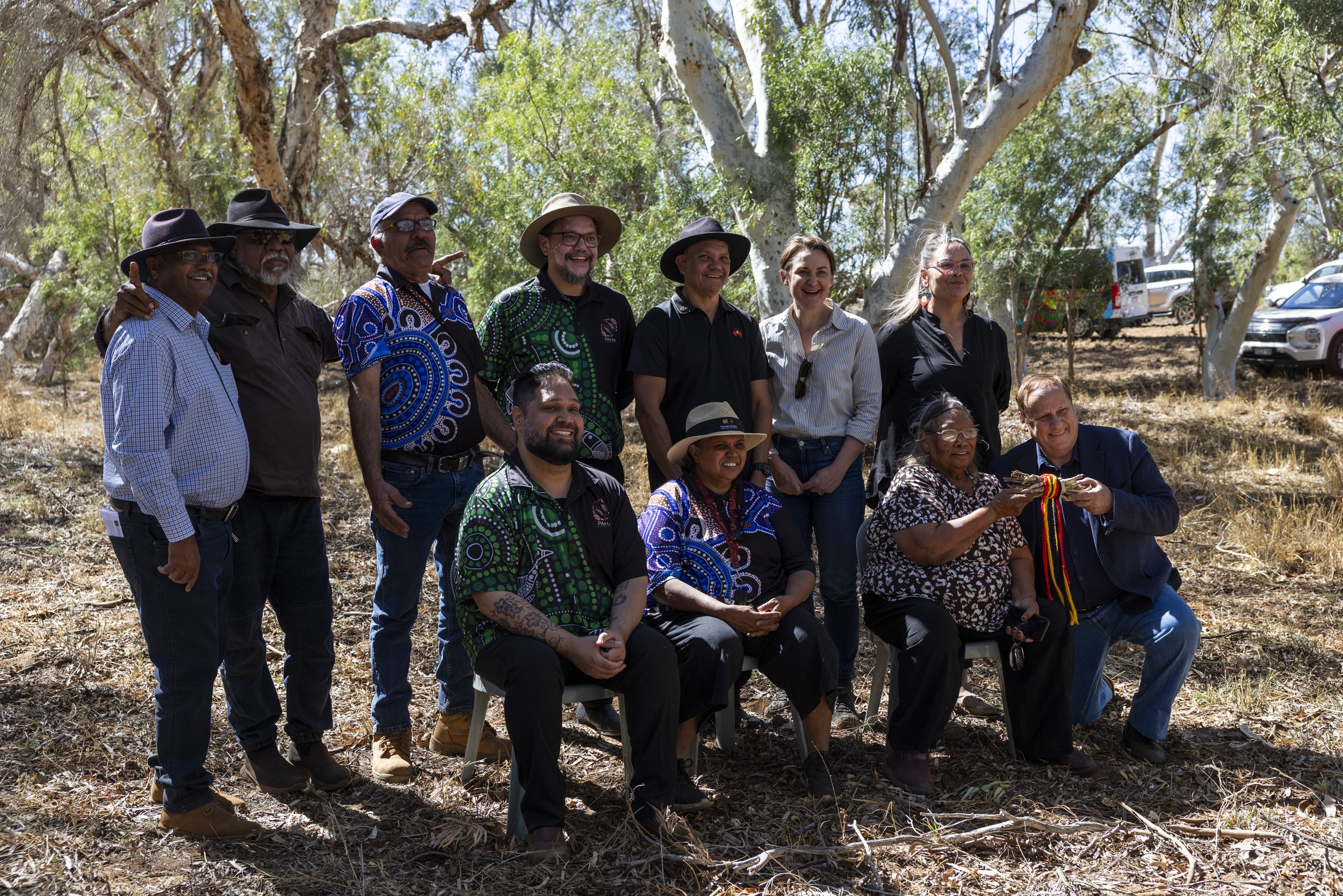
The Yule River On-Country Bush Meeting Working Group with WA Government Ministers Don Punch and Amber-Jade Sanderson.
Dr McGowan-Jones said mental health could not be addressed separately from the social and cultural conditions shaping children’s lives, including overcrowded housing, homelessness, food insecurity and family violence.
She is calling for a holistic, whole-of-government child and family wellbeing strategy that responds at the earliest sign a family is struggling—from pregnancy and early childhood through to a child’s first suspension from school.
The Commissioner said WA had expanded some services following the Infant, Child and Adolescent Mental Health Taskforce, but the response had not kept pace with demand.
“The time for just talking is over. We really need action,” she said.
“People keep saying children and young people are our future. They’re our right now. We need to be supporting them right now.”
Dr McGowan-Jones said Aboriginal culture must also be recognised as central to children’s social and emotional wellbeing—not treated as an optional addition to health care.
“Culture is not nice to have,” she said.
“It is a lifeline for our children and young people.”
IF YOU NEED HELP:
If you or someone you know might need someone to talk to, they can call Kids Helpline on 1800 551 800, Lifeline on 13 11 14 or 13 YARN, on 13 92 76.
In an emergency, call Triple 0 and ask for police, hospital or fire services.