
FIJI MINISTERS GRILLED OVER HOUSING DELAYS, CLIMATE CHANGE AND BROKEN PROMISES AT COMMUNITY FORUM
BY TANGIORA HINAKI
Fijian government ministers have faced tough questions from journalists and village representatives over delayed housing, coastal erosion, climate change, basic services and the future of vulnerable communities.
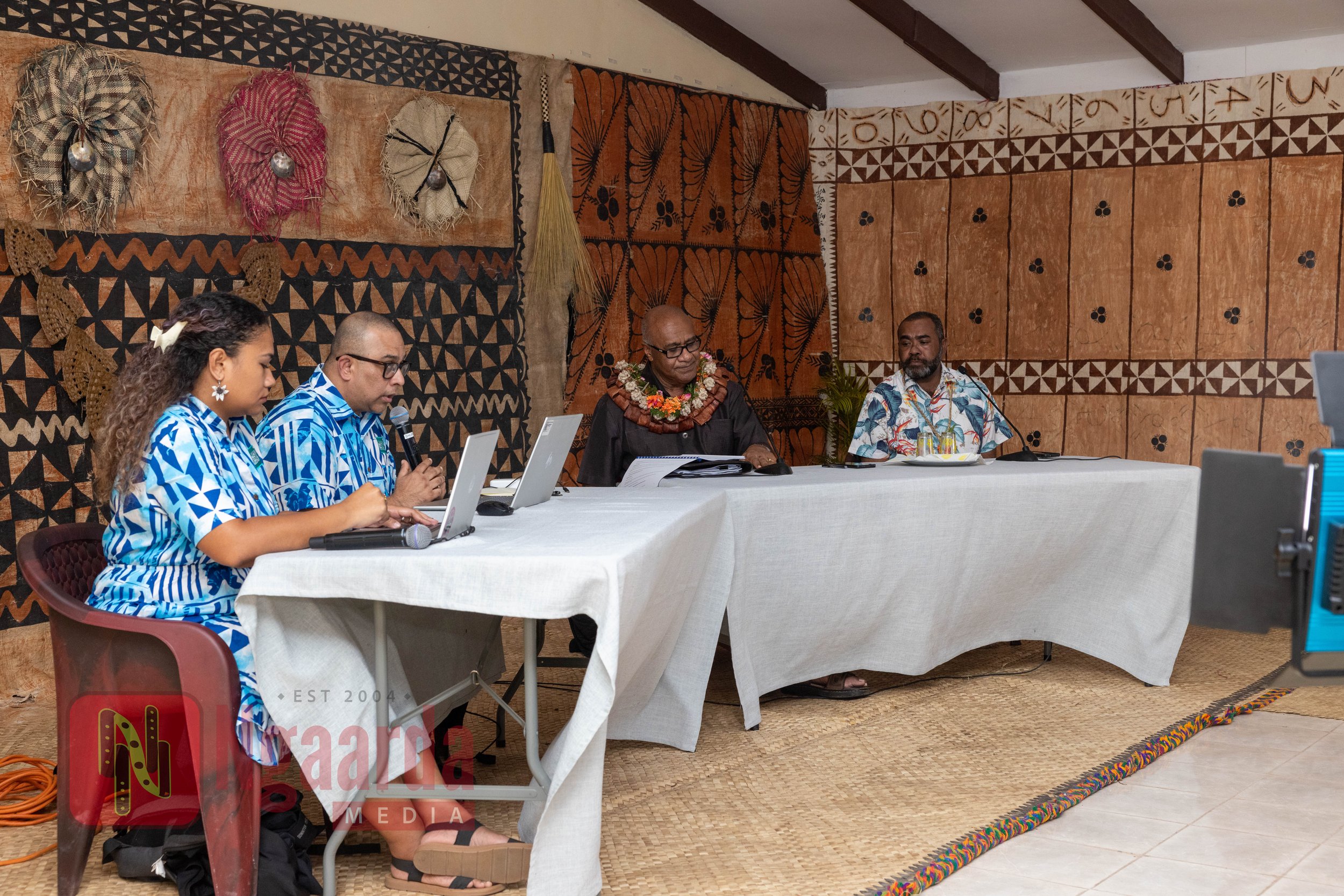
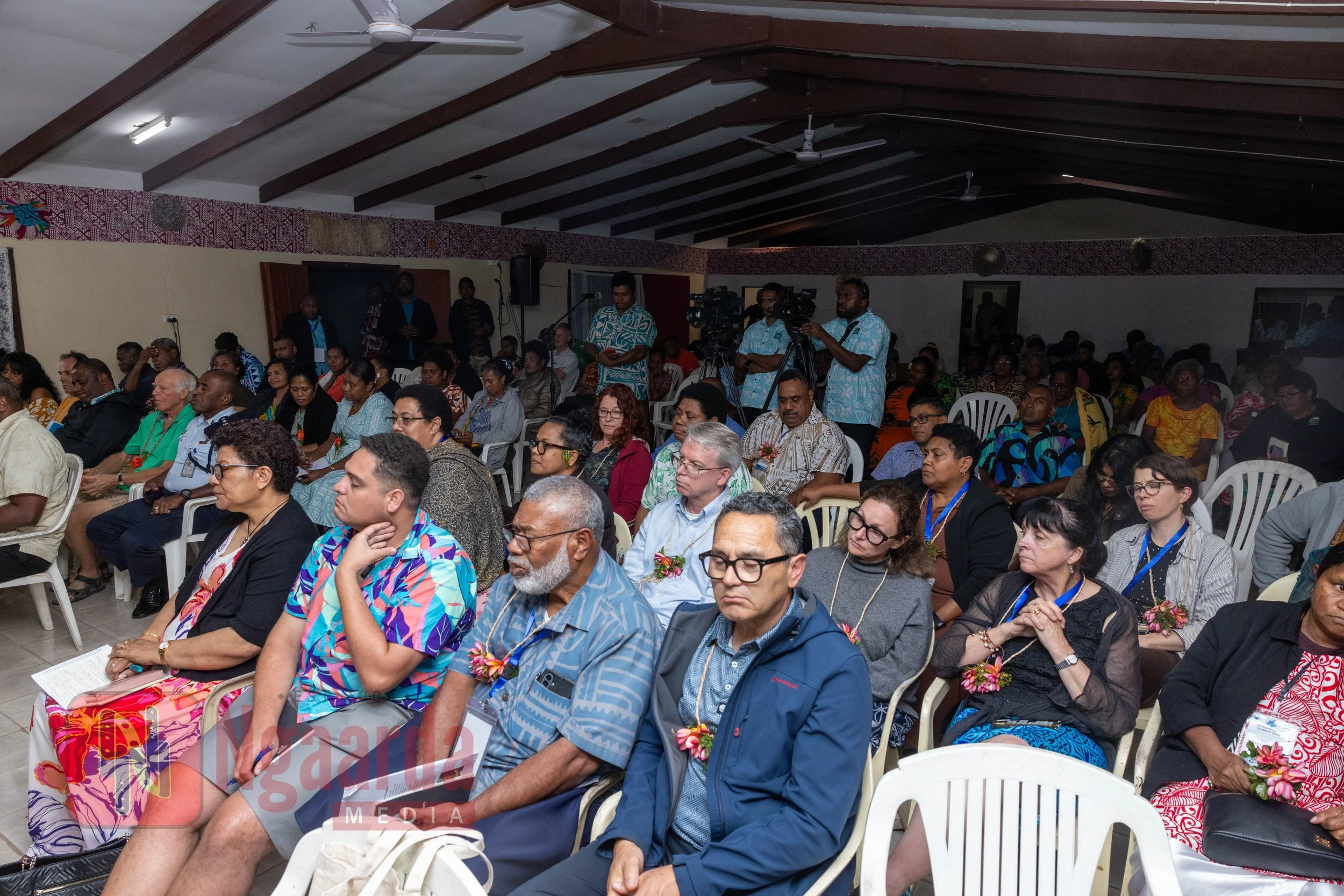
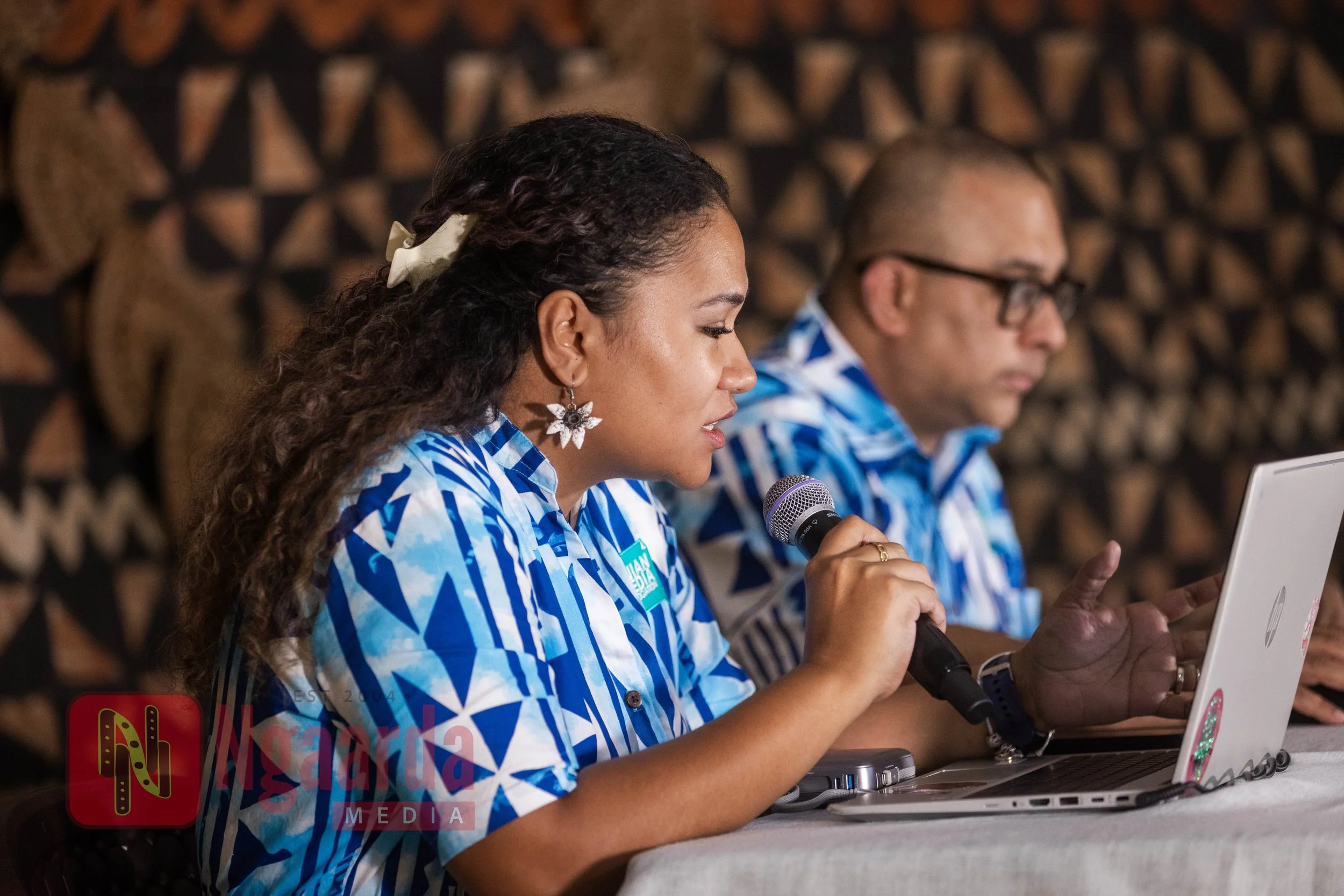
The questions were raised during a Fijian Media Association town hall forum in Savusavu on September 23, where residents were given the opportunity to directly challenge government representatives about longstanding problems affecting rural and maritime communities.
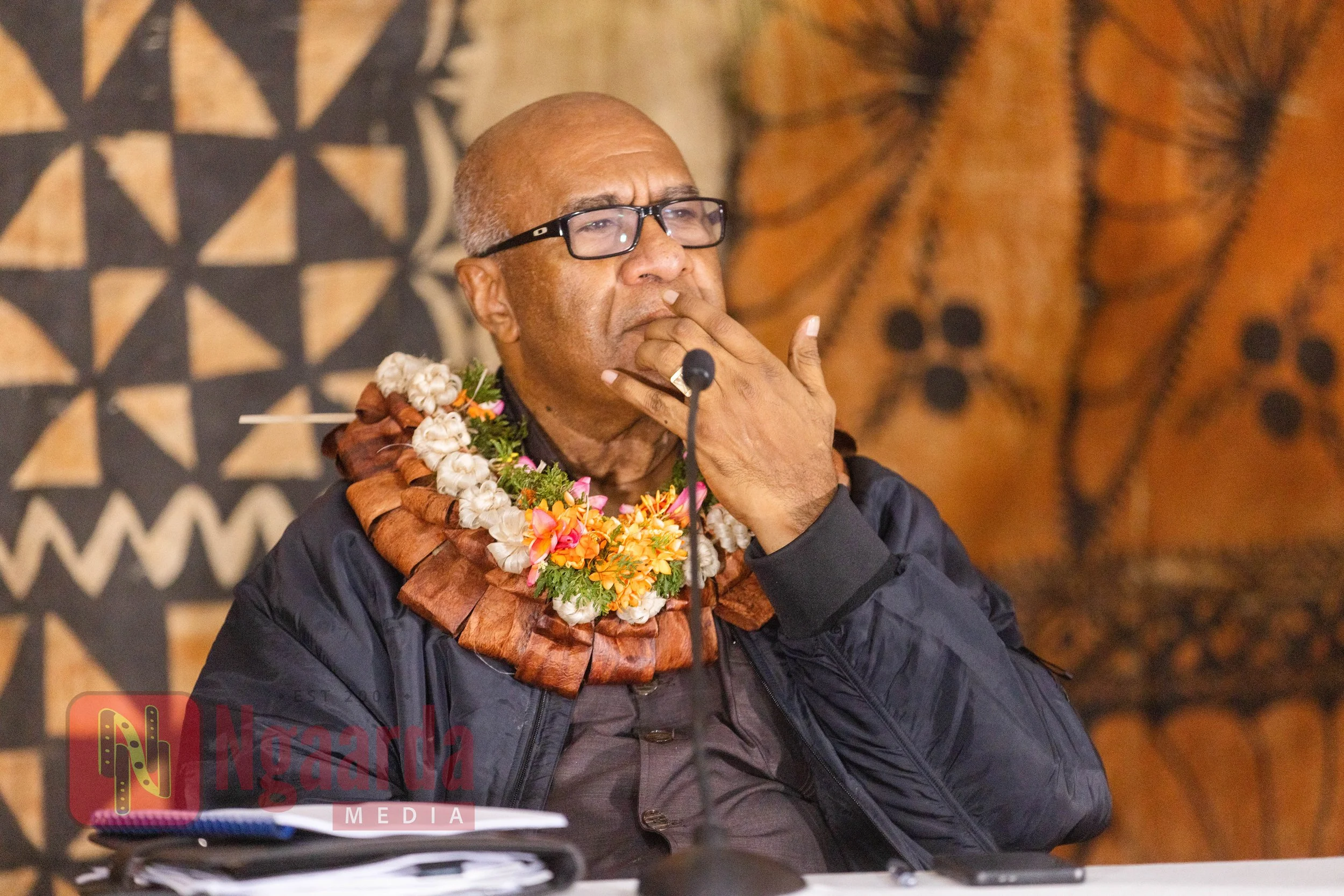
Minister for Rural and Maritime Development and Disaster Management, Mosese Bulitavu, and Fiji's Deputy Prime Minister were among those responding to concerns, with several participants demanding clearer timelines and greater accountability.
The discussions highlighted the growing pressure on the Fijian Government to deliver practical solutions as communities contend with rising seas, housing shortages and inadequate infrastructure.
FIVE YEARS WAITING FOR HOMES
One of the strongest exchanges centred on 37 houses intended for families affected by relocation and resettlement delays.
Residents have reportedly waited about five years for the project to be completed, with some families continuing to live in temporary tents.
Fiji Sun journalist, questioned Minister Bulitavu about whether government representatives could be more responsive to media inquiries, particularly when journalists were seeking updates on promised housing.
"My question is that — is it possible that the coalition government could be more responsive to media queries?" Mr Sanan asked.
Mr Bulitavu acknowledged the criticism and committed to improving communication.
He said delays in construction had been compounded by difficulties obtaining materials and transporting supplies.
The Deputy Prime Minister said the government had inherited a poorly structured resettlement process and was working to address problems in its administration.
"The way the initial resettlements were done were very ad hoc and not structured," he said.
The minister confirmed the original September completion deadline had shifted to October or November.
Forum moderator Vijay Narayan challenged the government to deliver on that commitment.
"You better meet the timeline. I think the people have been waiting for five years," he said.
WOMEN DEMAND ANSWERS ON CLIMATE IMPACTS
The impact of climate change on women and girls was another major concern.
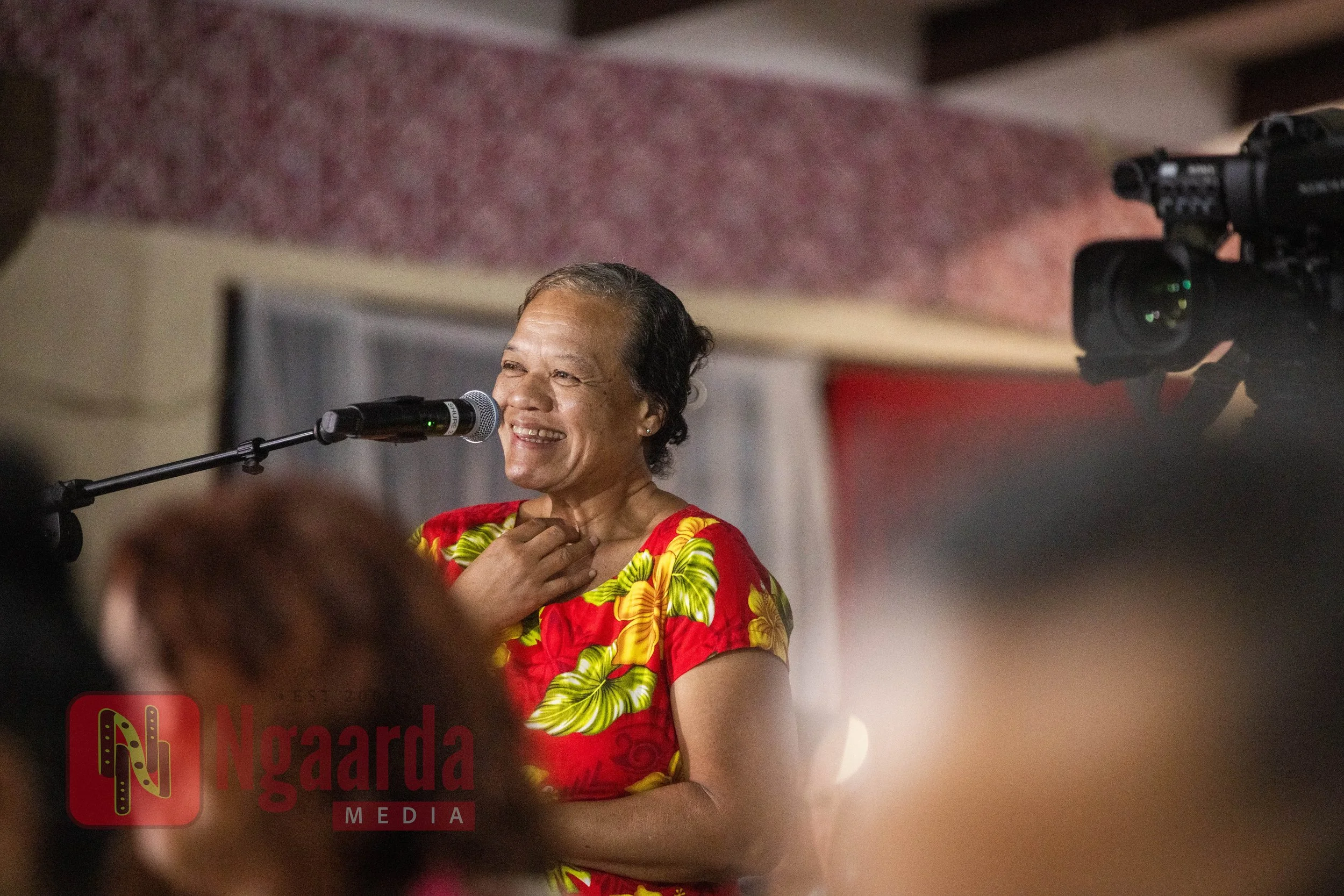
Jane Nol, representing a women's delegation, put four questions to ministers covering food security, clean water, participation in government decisions, and the safety and dignity of women in displaced communities.
She asked what direct support would be provided to women whose gardens, fishing grounds and small businesses were being affected by erosion, flooding and saltwater intrusion.
She also questioned how women would have a meaningful say in relocation decisions and government budgets.
The Deputy Prime Minister pointed to existing agricultural initiatives, including a greenhouse project established in partnership with British American Tobacco to supply vegetable seedlings.
He said similar initiatives could strengthen local food production and create income opportunities for women.
He also said the Ministry of Women was working to improve gender representation in government budgeting.
Minister Bulitavu outlined existing climate agriculture, floodgate and water programs, while acknowledging that many people were unaware of the assistance available.
However, the responses did not establish specific new funding commitments for all the women's concerns, including gender-based violence services, menstrual health support and safe accommodation.
WHO PAYS WHEN A VILLAGE MUST RELOCATE?
With coastal villages increasingly threatened by rising seas, the forum also examined how relocation decisions are made and who is responsible for the cost.
Asked directly who pays when a village decides it must move, Minister Bulitavu initially responded: "The village pays."
He went on to explain that government relocation arrangements involve assessments, ministerial approvals and a climate relocation trust fund.
Some projects also receive international assistance, including United Nations-linked funding for coastal protection and relocation infrastructure.
Mr Bulitavu advised vulnerable villages to begin the process through their nearest district office, which would refer applications to provincial authorities and relevant ministries.
He said the government was working towards a more structured approach after earlier relocation programs encountered administrative problems.
TWENTY YEARS WAITING FOR COASTAL PROTECTION
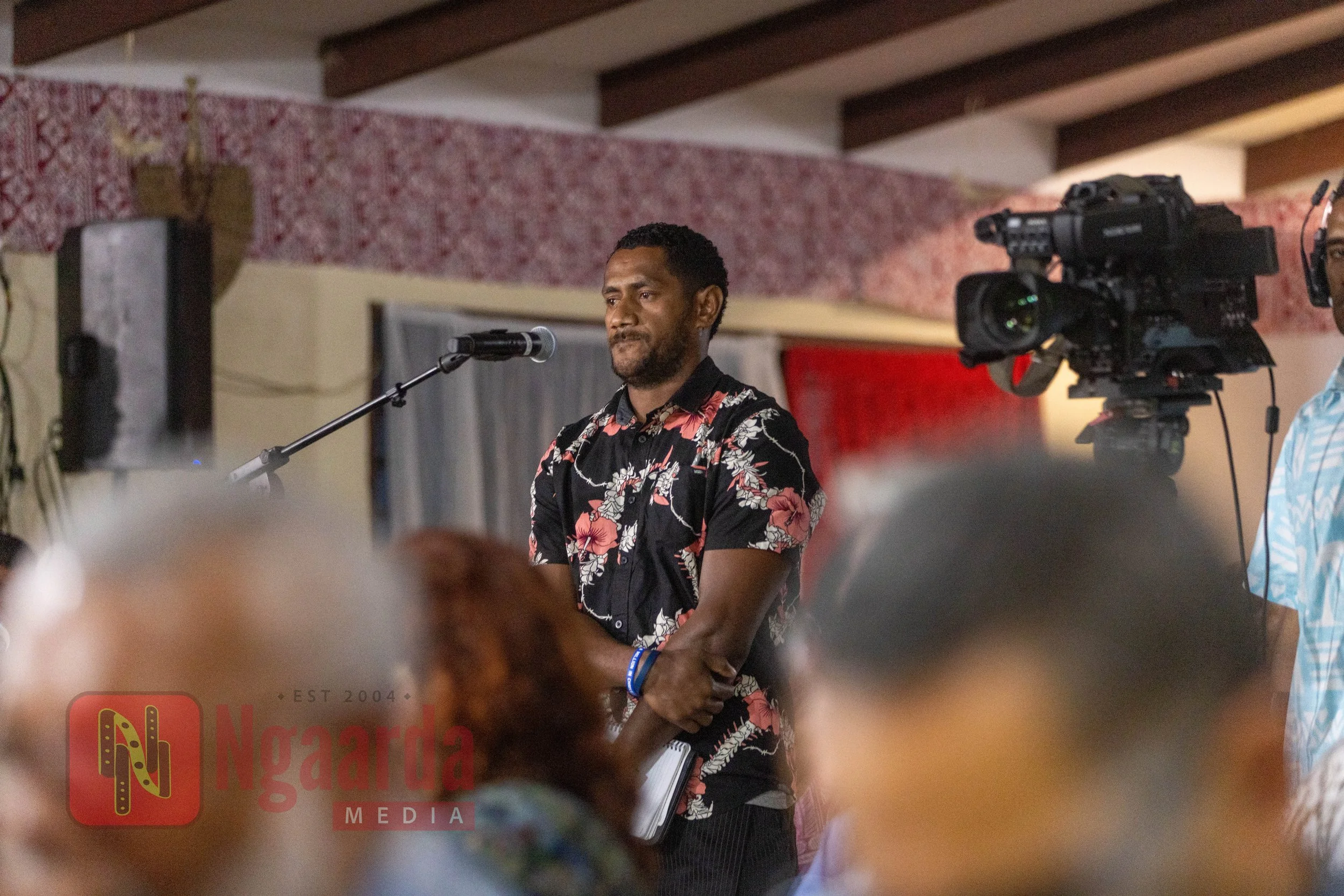
A representative from Mali Island questioned why promised seawall works had not progressed despite repeated requests over two decades.
"We have waited for 20 years, but nothing has been done," the participant said.
Minister Bulitavu apologised for the delay and said officials would investigate the status of the application.
He explained that materials for another seawall project on Mali Island had already been purchased but were awaiting transport.
According to the minister, barge costs to remote islands could reach between $60,000 and $100,000, creating a major obstacle to completing coastal protection works.
The government was negotiating transport arrangements, he said.
The exchange reinforced concerns that communities experiencing immediate climate impacts are still waiting for infrastructure promised years earlier.
CHILDREN SEARCHING FOR INTERNET ACCESS
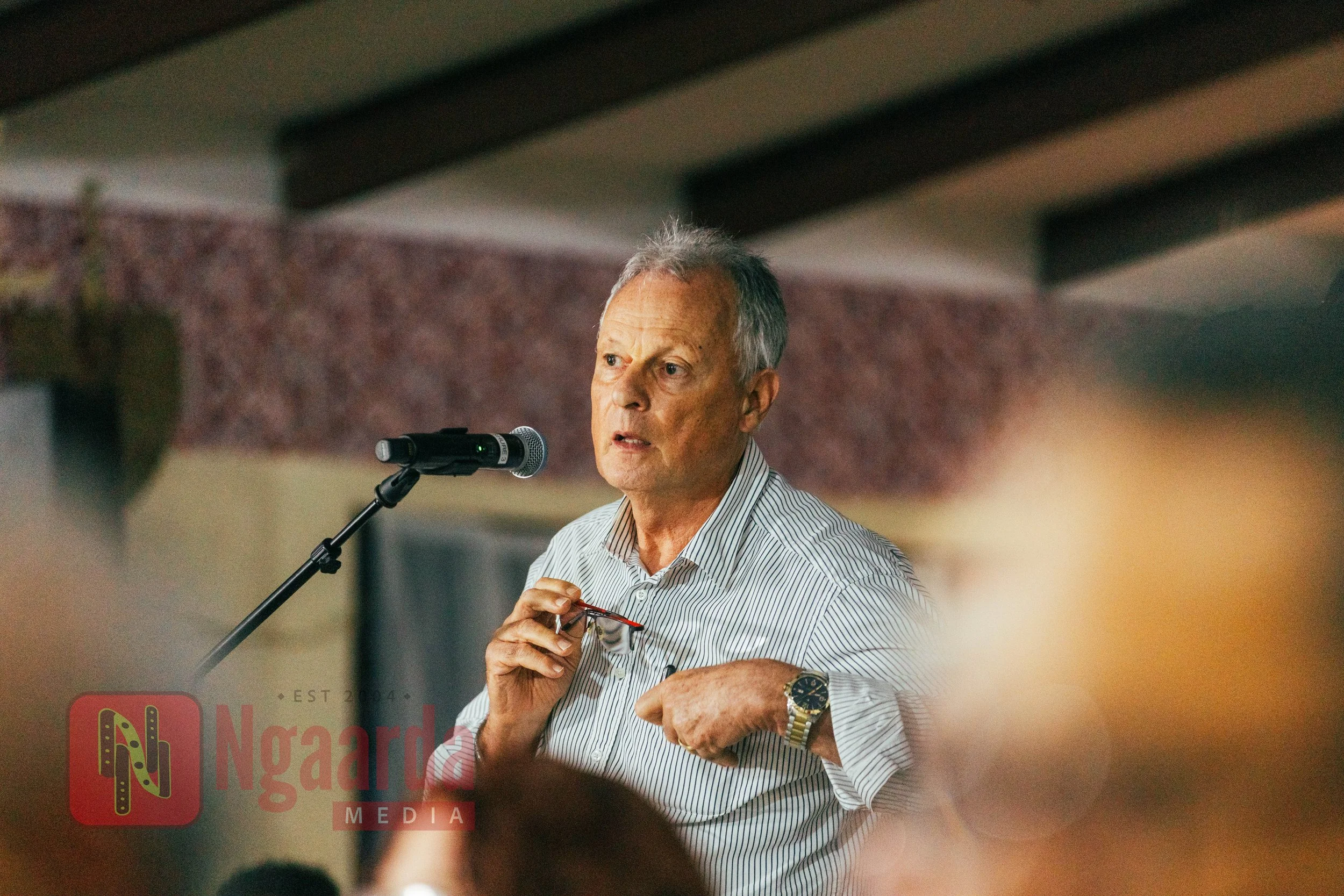
Another confronting question revealed that children in an isolated village were travelling to the beach late at night to find an internet signal to complete schoolwork.
A village representative also raised concerns about unreliable communications during emergencies.
The Deputy Prime Minister said the government had activated a universal connectivity trust fund to expand access to satellite internet services.
He said Starlink equipment had already been deployed to villages and the government was targeting connectivity for about 250 villages within six months, with an ambition to reach up to 500 villages within 24 to 36 months.
He could not immediately confirm whether the village raising the concerns was included in the rollout, but undertook to investigate.
FISHING COMMUNITIES FEAR FOR THEIR FUTURE
Questions about declining fish stocks also placed pressure on the ministers.
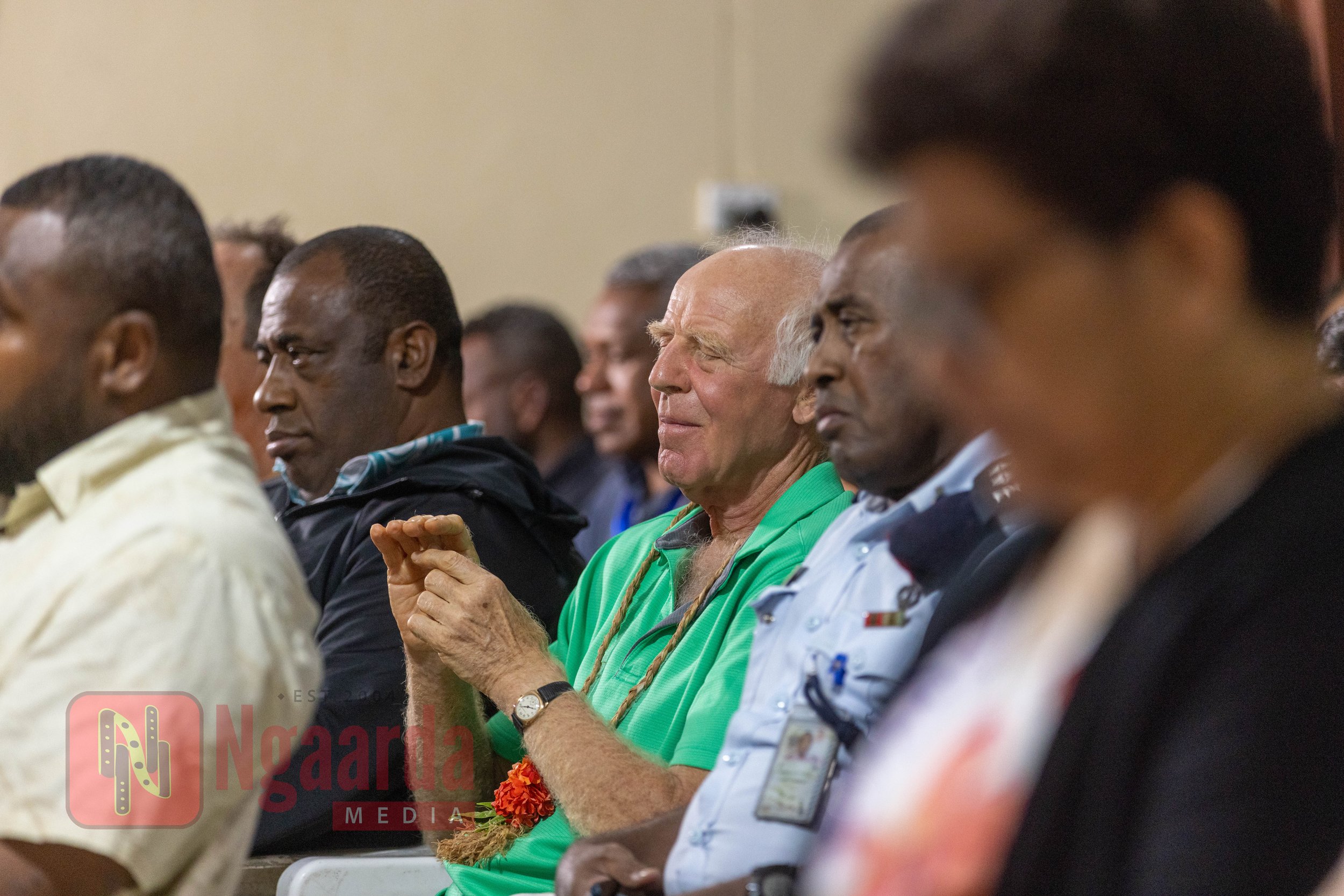
The forum heard concerns that fishing families on Vanua Levu were travelling increasingly long distances to catch fish that were once available closer to shore.
The discussion cited regional projections suggesting coastal fish catches could fall by between 21 and 29 per cent by 2050.
Minister Bulitavu acknowledged the seriousness of the issue, pointing to marine protected areas, conservation partnerships and stronger monitoring of illegal fishing.
He said limited vessels, equipment and enforcement capacity remained significant challenges.
The Deputy Prime Minister highlighted marine restoration initiatives involving tourism operators and private-sector organisations, arguing that rebuilding fisheries would require cooperation beyond government.
INDIGENOUS VOICES MUST BE HEARD BEYOND CLIMATE SUMMITS
Indigenous participation in international climate negotiations was also questioned.
A women's representative asked how Fiji would ensure Indigenous communities were not merely consulted but given a direct role in implementing climate responses.
She also challenged ministers to make information about international climate funding accessible to villages in languages residents could understand.
"The information should not stop at COP or at the government offices," she said.
Minister Bulitavu said Indigenous representatives had participated in Fiji's international climate delegations and acknowledged the importance of traditional knowledge.
He said reports from climate negotiations were available through relevant ministries, including information about funding opportunities and commitments.
PROMISES NOW FACE THE TEST OF DELIVERY
While ministers outlined existing programs and committed to following up individual complaints, a number of questions remained unresolved by the end of the forum.
These included the completion of delayed housing, funding for evacuation centres, land security for threatened households, seawall construction and reliable electricity and internet services.
The minister also acknowledged that about 200 applications for evacuation centres were in the government's database, with funding a major constraint.
Officials encouraged participants to provide their details before leaving so the issues could be referred to the relevant authorities.
For villages facing coastal erosion, displacement and diminishing livelihoods, the forum provided a rare opportunity to question ministers face to face.
The challenge now is whether those answers translate into completed projects, improved services and meaningful action for the people who raised them.