
SURVIVAL DAY 2026: YABUN RETURNED TO VICTORIA PARK AS CALLS FOR SOVEREIGNTY CONTINUED
BY TANGIORA HINAKI
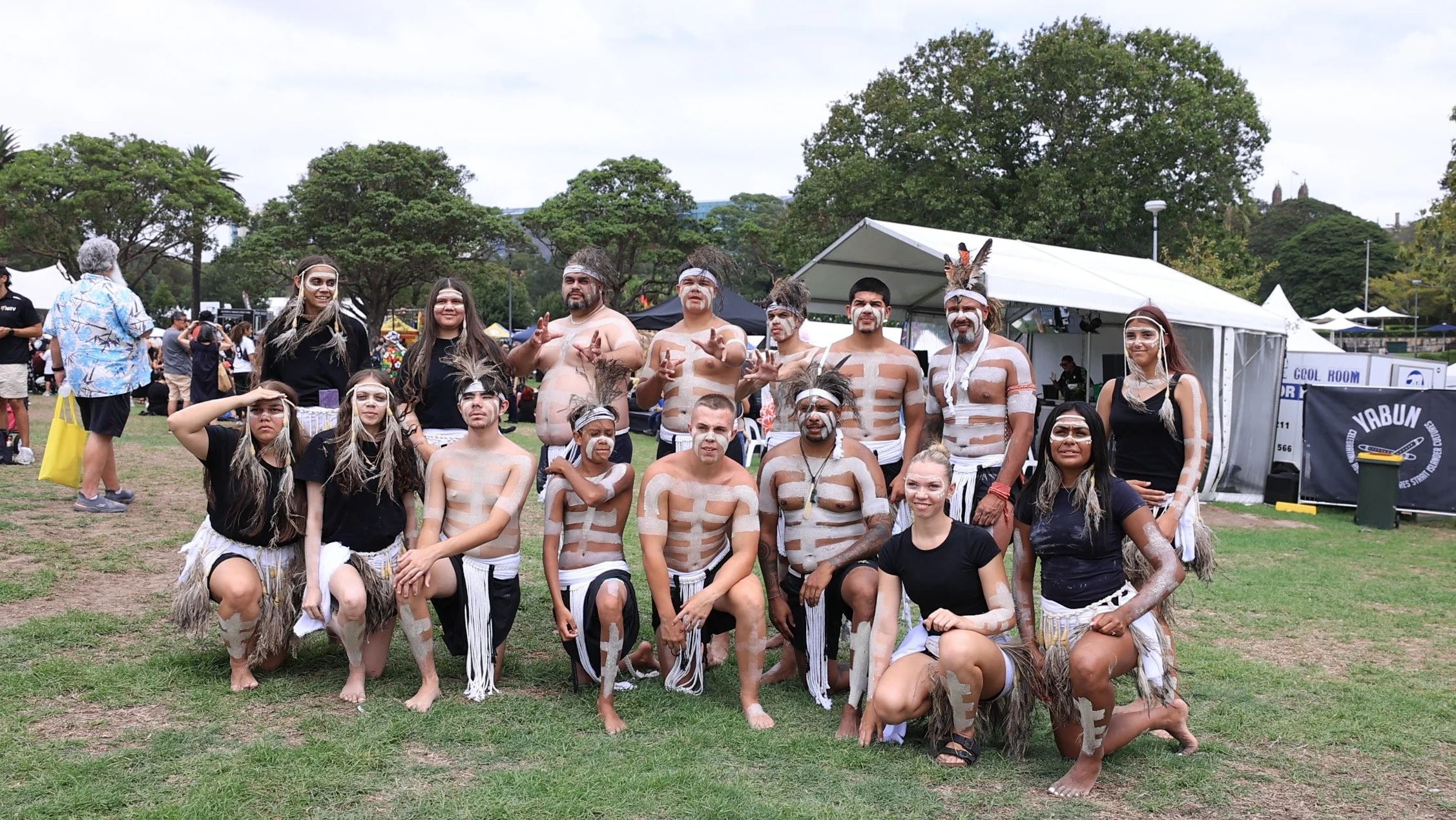
Thousands of people gathered on Tuesday at Victoria Park on Gadigal land, part of the Eora Nation, as Yabun returned for Survival Day 2026.
Held each year on January 26, Yabun is one of the largest Aboriginal and Torres Strait Islander gatherings in the country, bringing together culture, music, community services and political voices from across Australia.
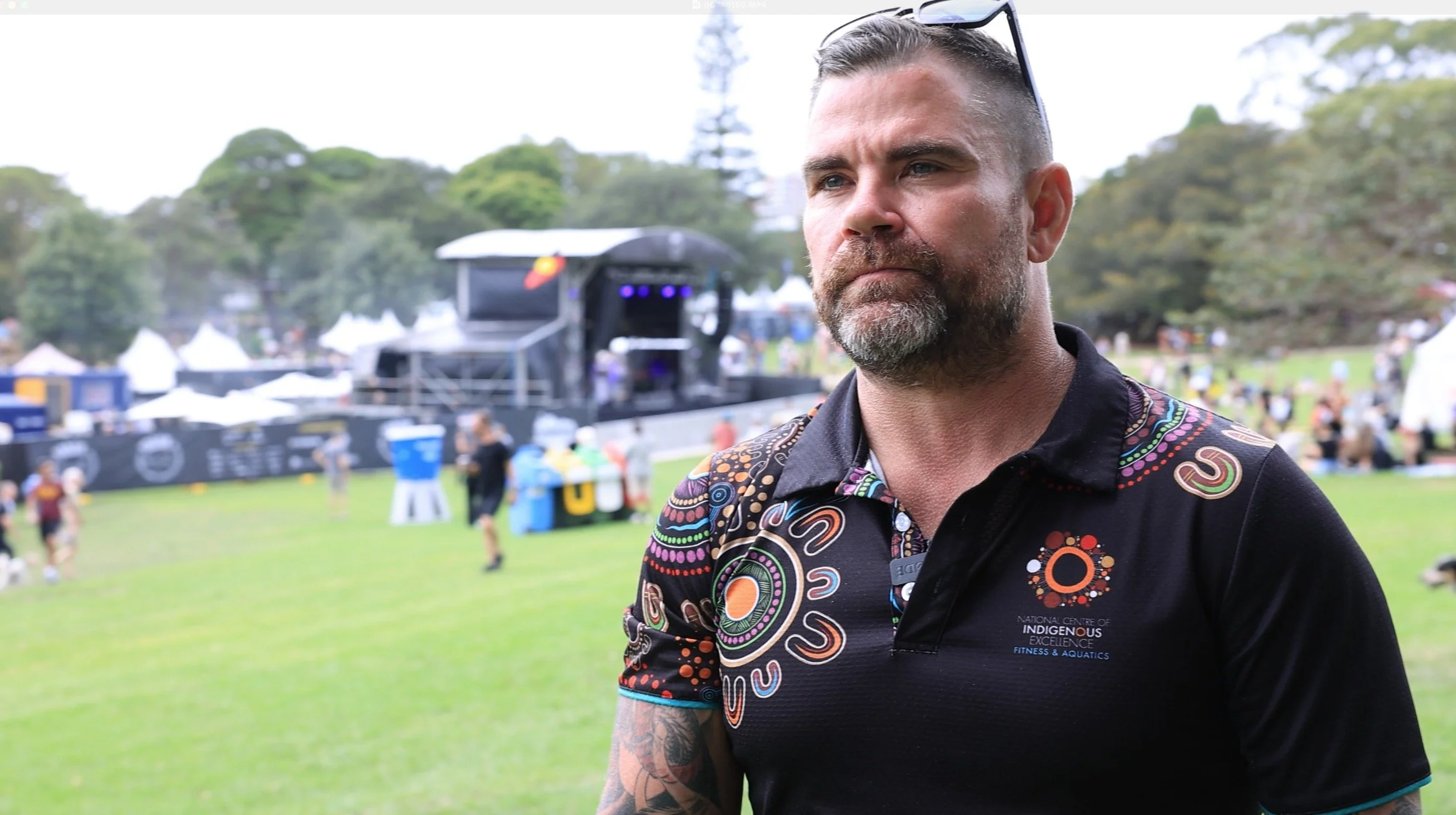
National Centre of Indigenous Excellence (NCIE), CEO Grant Cameron said the focus of the day was simple.
“Mob comes, we rub shoulders, have a laugh, have a yarn,” he said.
“It’s about celebrating that we’re still here.”
January 26 was marked by many First Nations people as Survival Day, recognising the ongoing presence, strength and resistance of Aboriginal and Torres Strait Islander communities since colonisation.
Throughout the day, Victoria Park hosted live music, food vendors and community stalls, alongside health, education and employment services. The annual march arrived at the park in the afternoon, with crowd numbers building steadily as the day progressed. Organisers estimated up to 70,000 people attended.
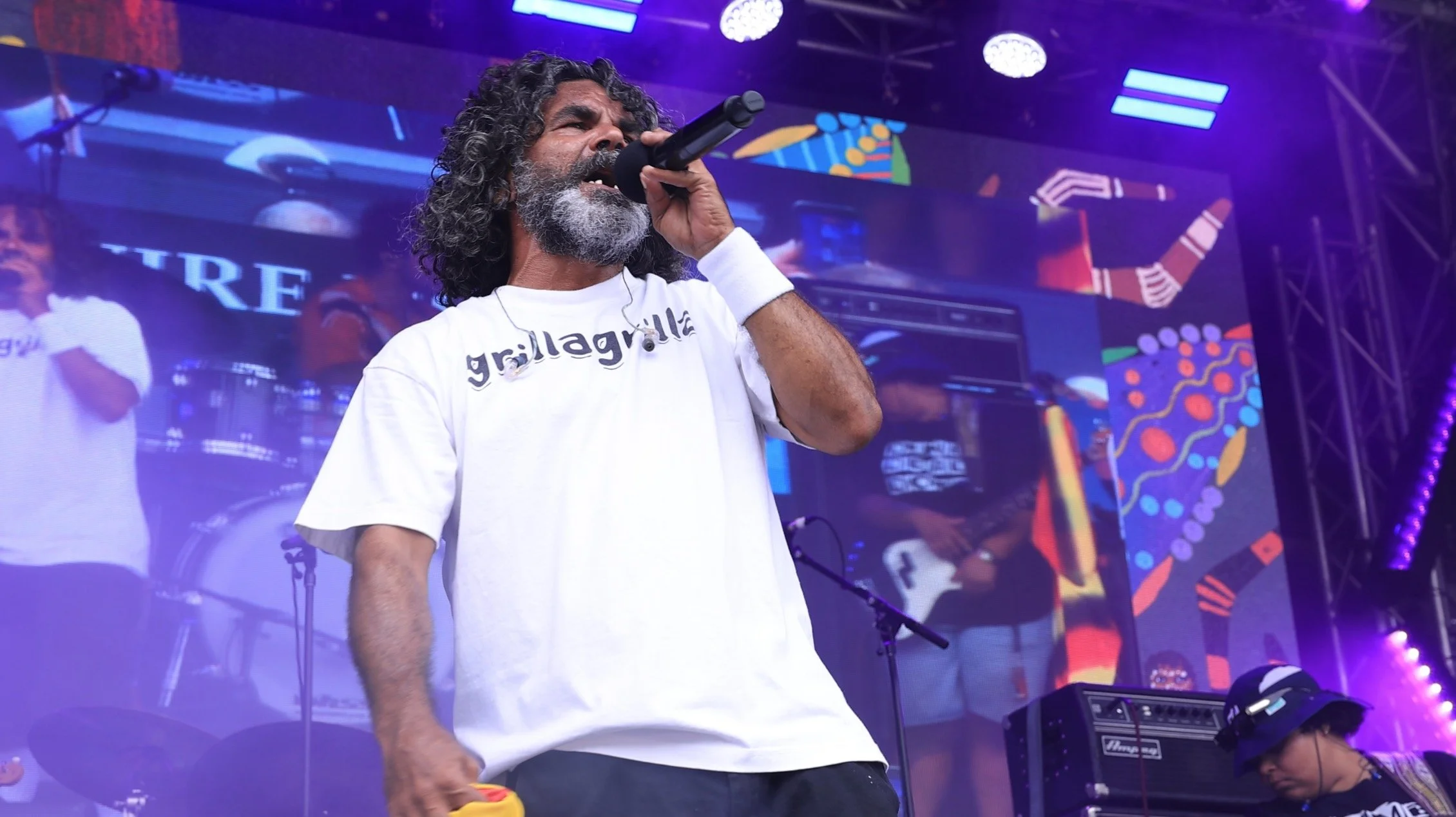
Victoria Park, a long-standing gathering place for Aboriginal people, again served as the centre of Yabun. Its continued use reflected the event’s focus on visibility, connection and community in the heart of Sydney.
This year’s event took place amid heightened safety concerns, after police warned organisers about possible activity from white supremacist groups elsewhere in the city. A counter-march had been planned at a separate location, and police advised groups to remain apart.
Event organisers said safety plans were in place and the warning did not deter attendance.
“We won’t let it stop us enjoying the day,” Mr Cameron said.
His message to people holding racist views was direct.
“Come and meet us. Have a yarn,” he said.
“You might see we’re all just human beings.”
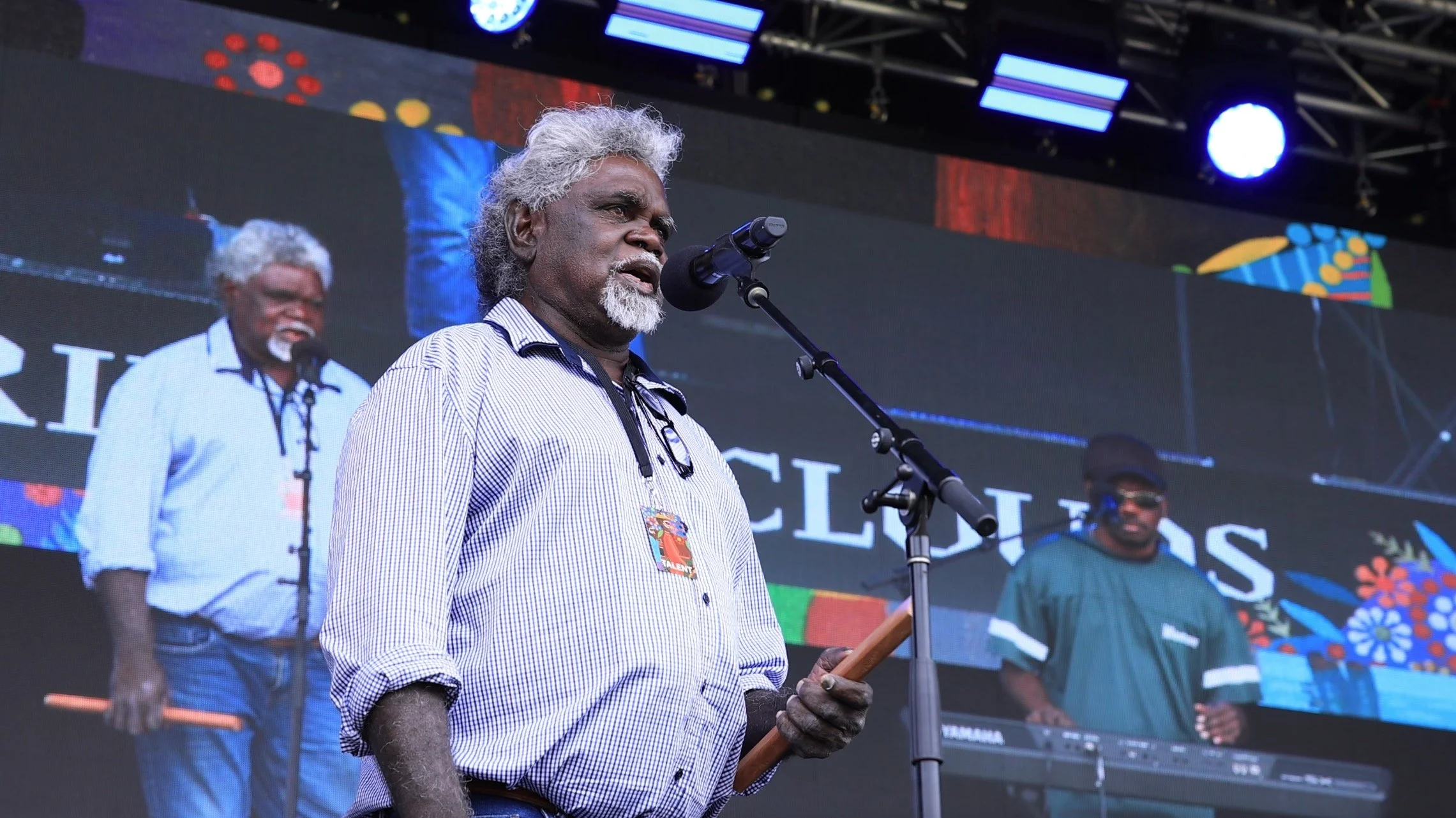
Among the speakers at Yabun on Tuesday was Central Queensland man Gurridyula Gaba Wunggu, who has spent more than four years living on his ancestral land in protest against the Adani coal mine.
Mr Gaba Wunggu has established what he describes as a tribal autonomous zone on his Country at Wanungu, where he has remained for more than 1,600 days, refusing to move unless removed through the courts.
Speaking on Ngaarda Media, he said Australia Day represented a burden carried by the Australian state, not Aboriginal people.
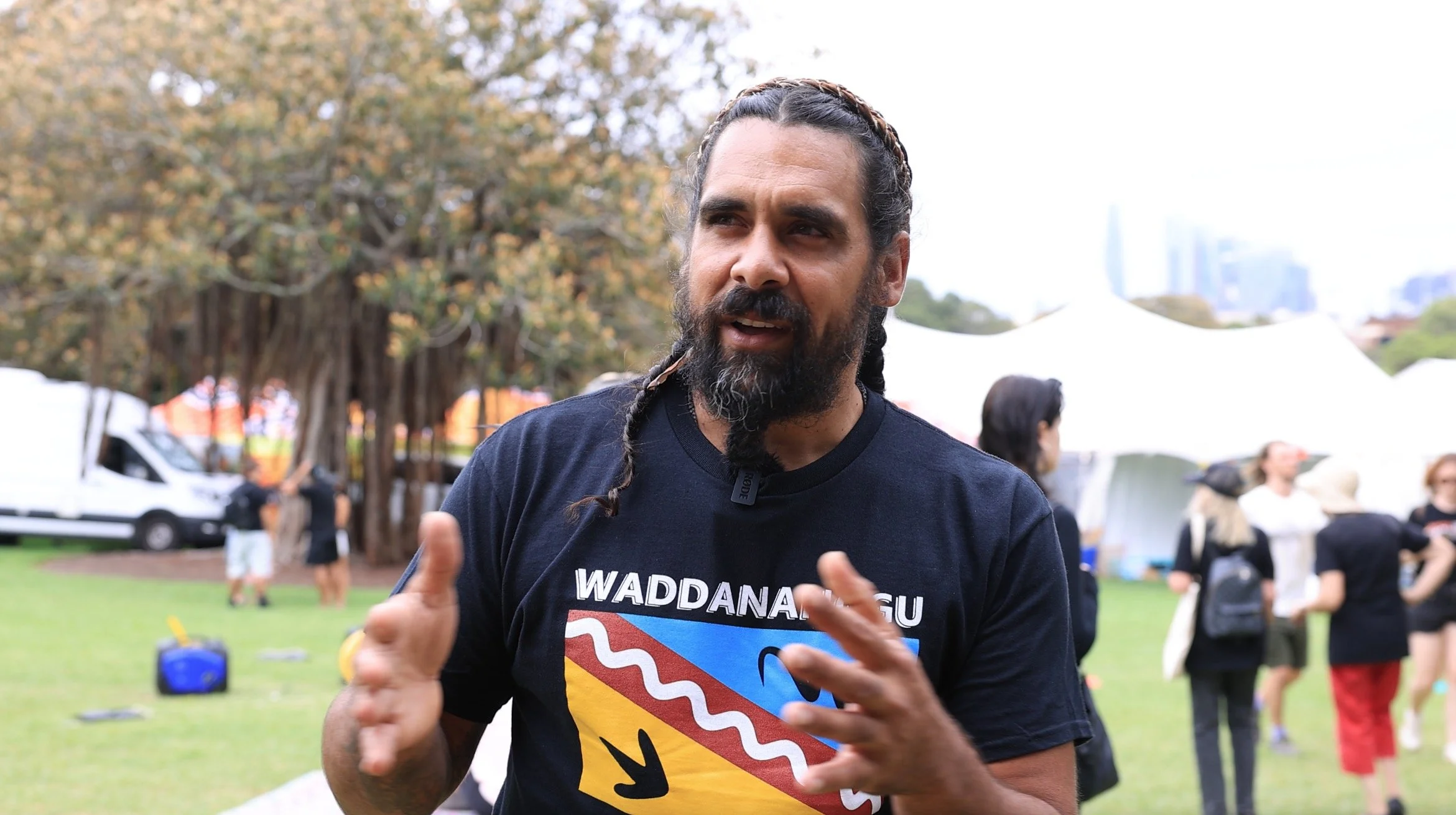
“Colonisation is not our burden,” he said.
“It’s the burden of Australian people. They started it — they have to fix it.”
He said Aboriginal people had long marked January 26 as Invasion Day or Survival Day and that protests would continue until Australia confronted its colonial foundations.
“We’re only three per cent of the population,” he said.
“This decision has to be made by the rest of Australia.”
Mr Gaba Wunggu rejected claims that January 26 marked Australian citizenship, pointing out that Aboriginal people were excluded from voting when citizenship laws were introduced.
“You can’t say we were citizens when we couldn’t vote,” he said.
“That date has nothing to do with us.”
He also questioned the language of reconciliation, saying it assumed a shared past that never existed.
“We were never together to begin with,” he said.
For Mr Gaba Wunggu, living on Country had been central to healing and asserting sovereignty.
“My healing didn’t come from psychiatrists,” he said.
“It came from going home and saying: I don’t have to go anywhere.”
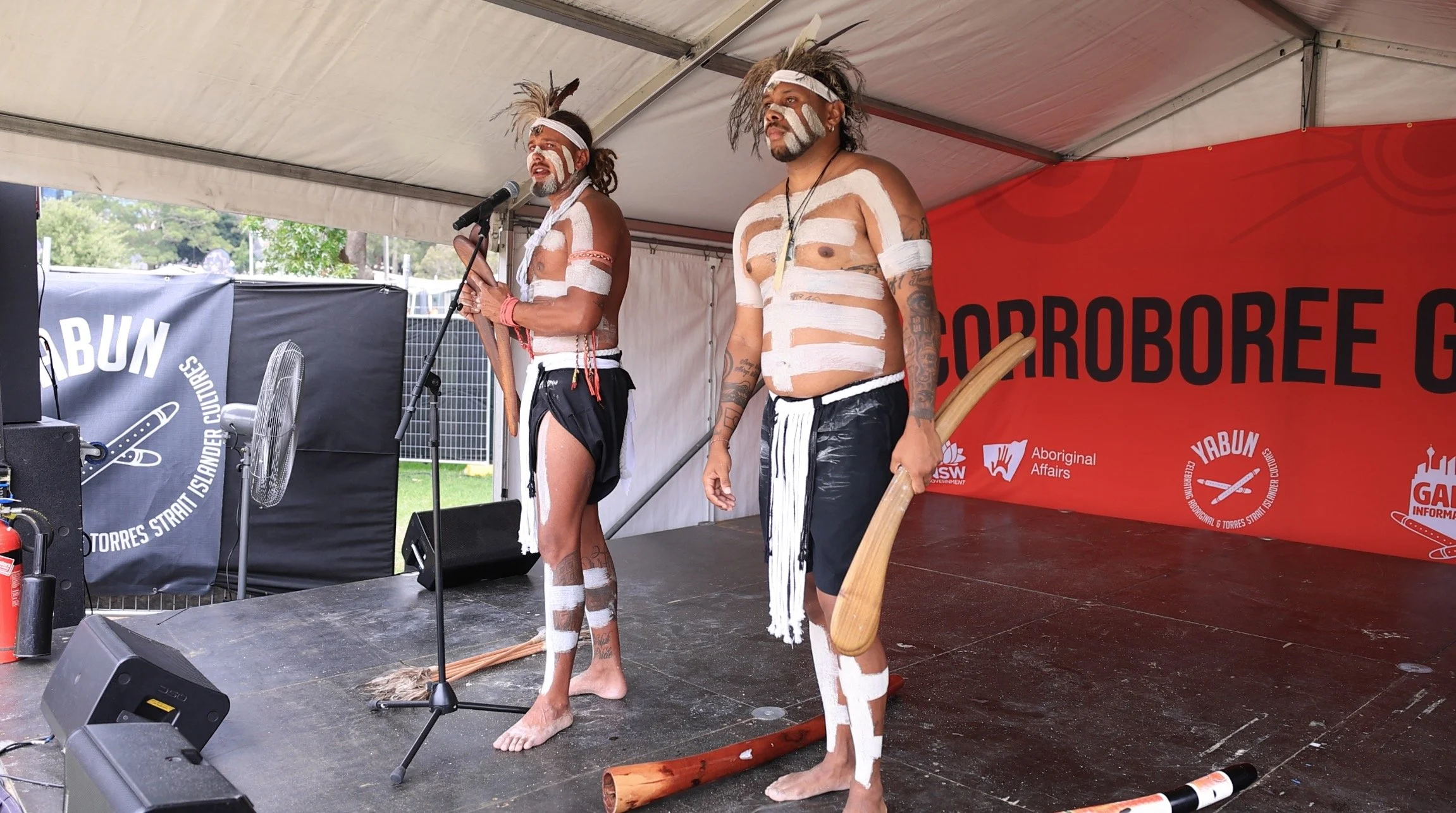
Mr Cameron said that message — of continuity, strength and self-determination — was reflected across the event.
Looking back on 2025, he pointed to changes at the National Centre of Indigenous Excellence, including a local employment strategy and a strong increase in First Nations staff. Some of those staff, he said, were former students who had come through programs more than a decade earlier.
“To see them come through, working there and thriving — that’s a highlight,” he said.
As the day came to a close on Gadigal land, organisers said Survival Day 2026 once again stood as both a celebration and a reminder — that Aboriginal and Torres Strait Islander peoples remain connected to Country, present in their communities, and determined to speak truth into Australia’s unfinished story.