
BREAKING: YINDJIBARNDI PEOPLE UNANIMOUSLY VOTE TO APPEAL $150 MILLION FORTESCUE RULING
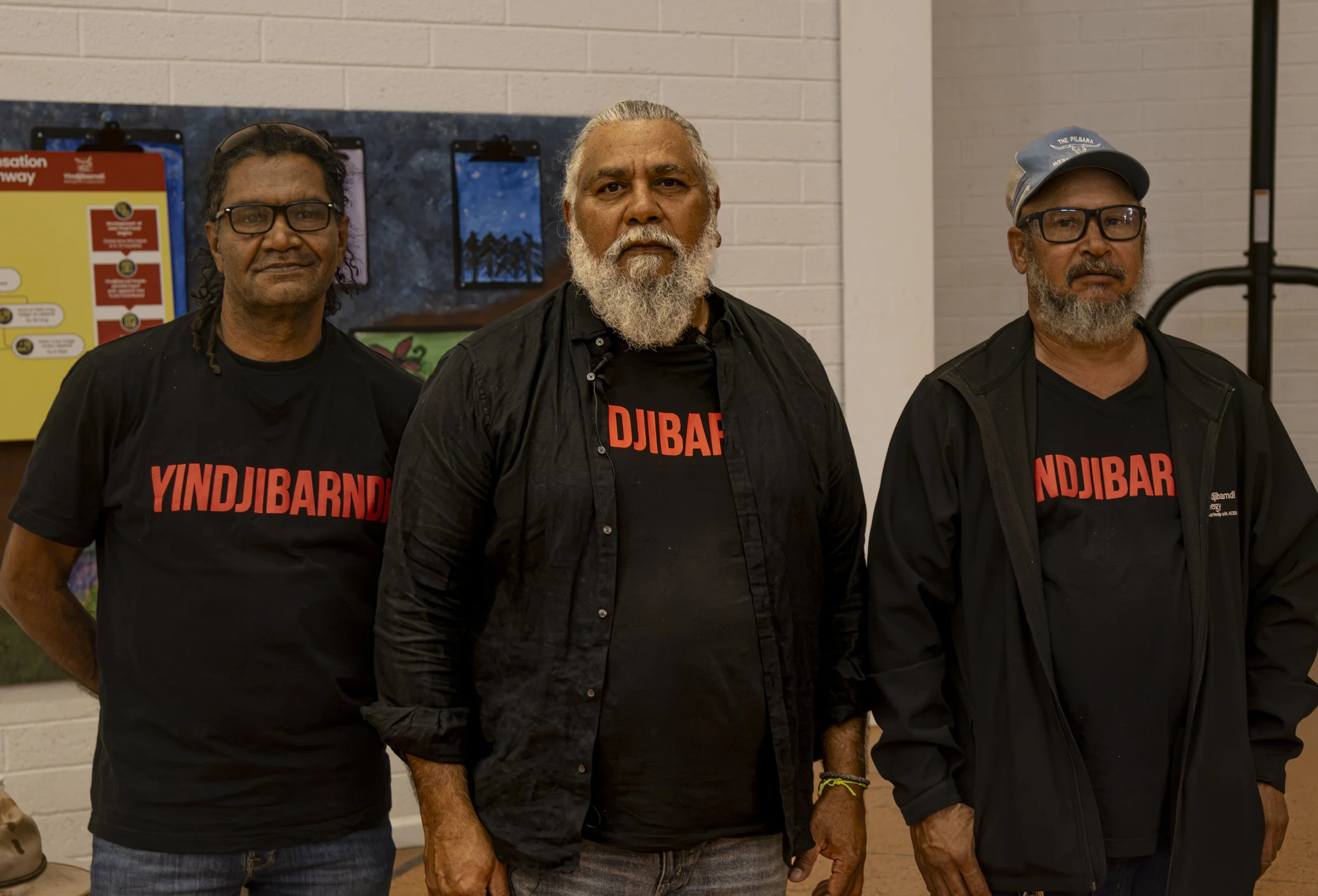
The Yindjibarndi people have unanimously decided to appeal the Federal Court’s landmark compensation ruling against mining giant Fortescue, continuing one of Australia’s most significant native title battles.
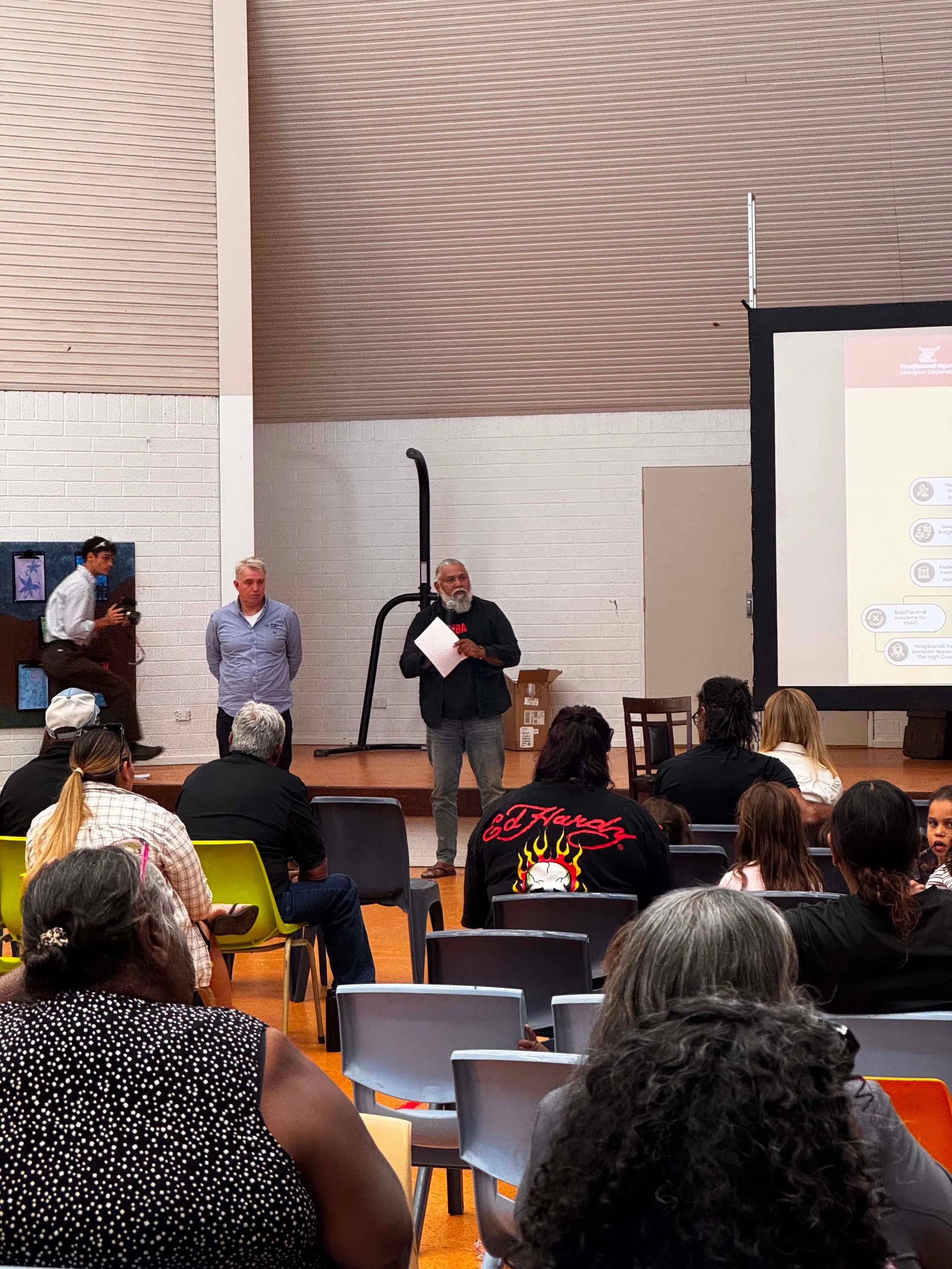
Yindjibarndi members made the decision during a major community meeting at the 50 Cent Hall in Ieramagadu-Roebourne today, Thursday, July 30.
About 120 people participated in the meeting, including 105 members in person and 15 online.
Members received legal advice and held what leaders described as robust discussions before every person voting supported taking the case back to court.
Yindjibarndi Nation chief executive Michael Woodley announced the decision after the meeting.
“I’m pleased to announce that the journey will continue,” Mr Woodley said.
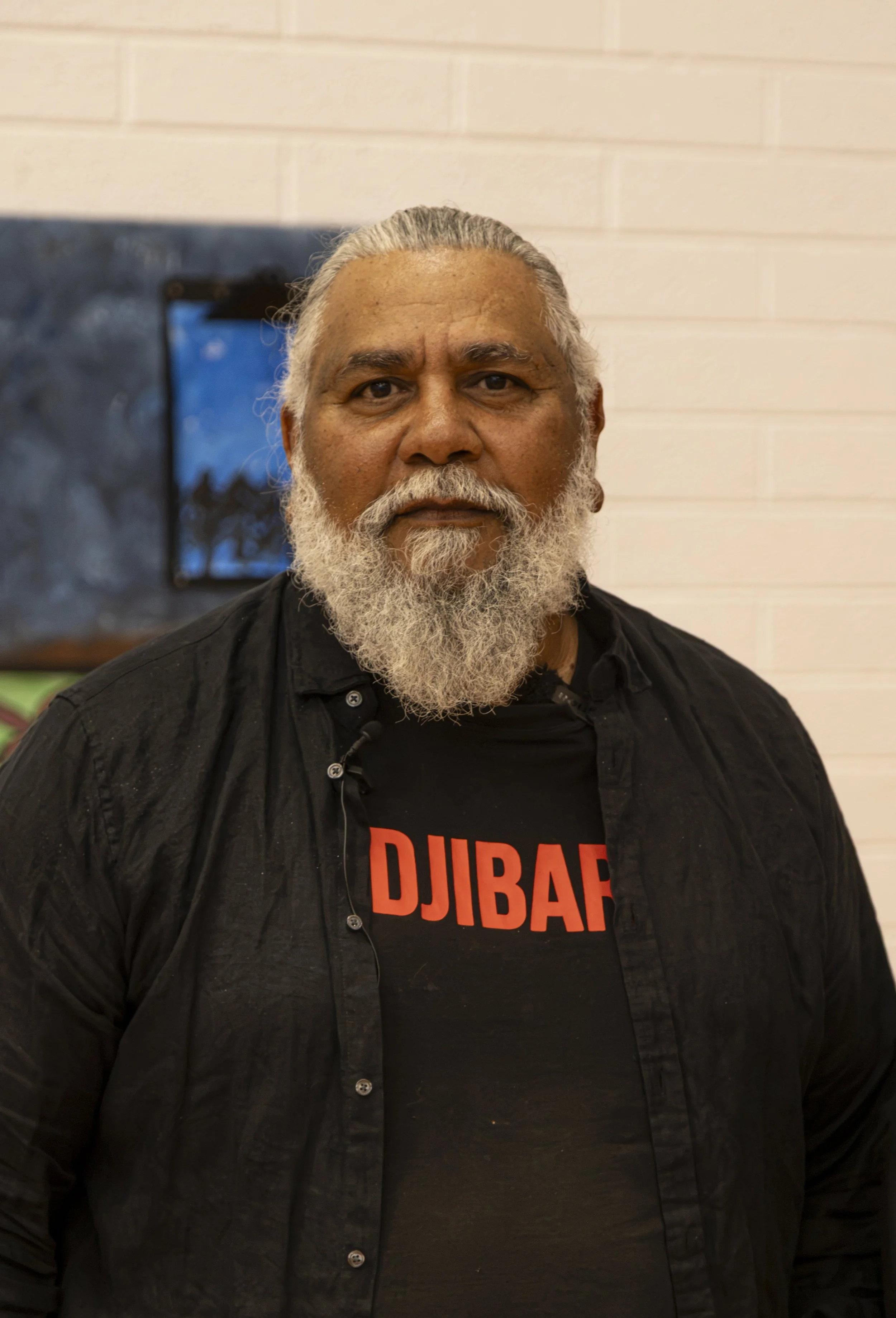
Michael Woodley, Yinjibarndi Nation Cheif Executive
“We’ll be appealing the decision, and the decision to appeal was a unanimous vote.”
Mr Woodley said the result demonstrated the strength and unity of Yindjibarndi people.
“We all stood together as one family, one nation,” he said.
“The most important thing today was not only the decision, but the unity of the people to stand for our Ngurra.”
The Federal Court awarded Yindjibarndi Ngurra Aboriginal Corporation $150 million for cultural loss, $136,757 for economic loss and $217,152 in interest over Fortescue’s Solomon Hub operations.
While it is the largest native title compensation award in Australian history, Yindjibarndi leaders believe it does not adequately reflect the damage to Country, culture and the economic opportunities lost through mining on Yindjibarndi Ngurra.
Fortescue has operated its Solomon Hub on Yindjibarndi exclusive native title land since 2012 without an Indigenous Land Use Agreement with YNAC.
The Federal Court has given YNAC until August 26 to lodge its appeal.
Yindjibarndi cultural adviser, and chair Aaron Hubert said members had carefully considered legal advice before reaching their decision.
“We didn’t enter this without the valid information and advice that we received from our counsel and our legal team,” Mr Hubert said.
He said the unanimous show of hands was an emotional moment.
“It actually gave me goosebumps when that collective force was there,” he said.
Mr Hubert said Yindjibarndi people remained deeply connected to Country despite being restricted from accessing areas affected by mining.
He said culturally significant places, heritage sites and underground water systems had been damaged, but the spiritual relationship between Yindjibarndi people and Ngurra remained strong.
“Our heart is still connected. Our connection is still very strong,” he said.
Mr Hubert said the community could have accepted the existing court award, but believed it would not deliver lasting social and economic outcomes for future generations.
“We’re not thinking about us in the now,” he said.
“We’re thinking about our future generations.”
Yindjibarndi Elder and artist Allery Sandy said the meeting had been peaceful and allowed Elders and families to speak openly.
“It was about the Yindjibarndi people talking as one voice, as a nation,” she said.
Ms Sandy said members listened closely to Elders before agreeing to continue the court fight.
“Everyone agreed that they wanted to take it back to court and see what happens,” she said.
She described the unanimous vote as a powerful moment for families who had experienced division during the long-running dispute.
“It was a beautiful thing to see everyone put their hands up,” she said.
“We all stand alongside our Elders.”
Yindjibarndi Aboriginal Corporation chairperson Gloria Lee said she felt relieved and proud to see the community unite.
“My spirit felt free. I felt happy knowing it wasn’t just one or two people who had to fight for this appeal,” she said.
“Everyone came together because Ngurra is the most important thing to us as Aboriginal people.”
Ms Lee said the issue extended far beyond the amount of compensation awarded.
“It’s not always about the money,” she said.
“We have to think not only about ourselves, but about our kids, their kids and future generations.”
She said Yindjibarndi identity, culture and spiritual responsibilities were inseparable from Country.
“We are nothing without our Ngurra,” she said.
“Ngurra defines who we are.”
Mr Woodley said the appeal decision came from a place of responsibility rather than anger.
“For us, it’s not a matter of choice,” he said.
“It’s about protecting your Country always, and doing what is right for Yindjibarndi people and future generations.”
He said Yindjibarndi representatives remained open to discussions with the Western Australian Government and Fortescue while the appeal progressed.
“We’re not going to lock the door on any opportunities to have a conversation,” he said.
The meeting also included a membership drive for the Yindjibarndi Ngurra Aboriginal Corporation, which is responsible for running the compensation case.
The corporation said more than 100 members had been accepted, with further applications and membership appeals still being considered.
Mr Woodley said the corporation wanted all eligible Yindjibarndi people included in the journey.
“We are all about inclusiveness and bringing in all Yindjibarndi people so we can share this journey together,” he said.
The decision means the legal fight between the Yindjibarndi people and Fortescue is far from over.
The appeal could have major consequences for Traditional Owner groups across Australia seeking compensation for mining, cultural destruction and lost access to Country.