
UNDER ONE PILBARA SKY: KAI MATARIKI CONNECTS WHĀNAU IN NEWMAN & PARABURDOO
By Lynnese O’Donoghue
From a shared dinner and cooked hāngī in Newman to a dawn ceremony and steaming hāngī in Paraburdoo, Māori communities across the Pilbara have welcomed the Māori New Year with remembrance, laughter, kai and a strong respect for the Country they now call home.
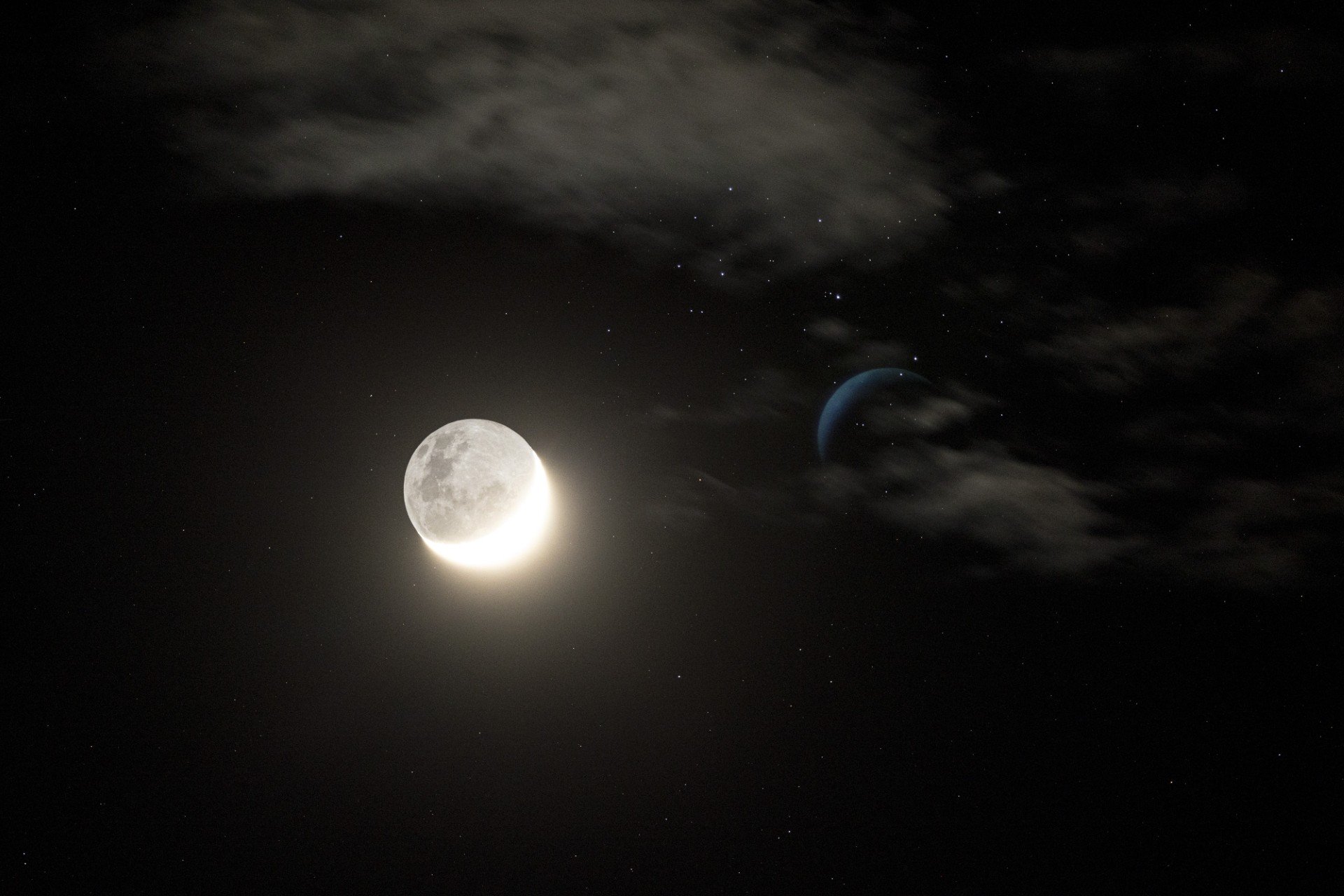
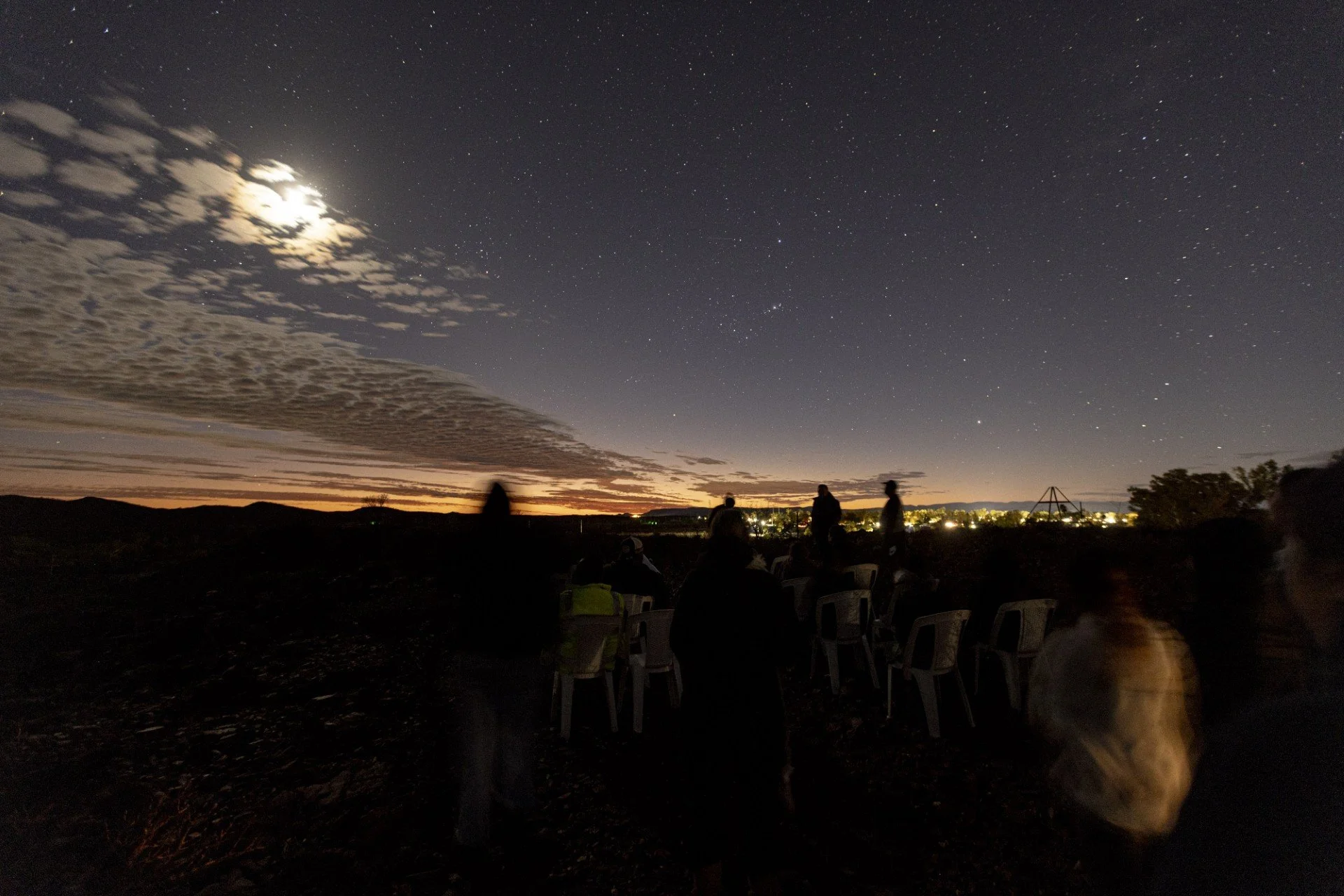
Early risers in Paraburdoo were treated to a stunning pre-dawn display, with the Moon appearing alongside Matariki (the Pleiades star cluster). Known as the Seven Sisters to many Aboriginal peoples and Matariki to Māori, the star cluster carries deep cultural significance, symbolising connection, remembrance and new beginnings. A beautiful Pilbara morning. 🌙⭐
Red dirt, cold winter mornings and steaming kai may be a long way from Aotearoa, but across two Pilbara towns, the spirit of Matariki was shining brightly.
Ngaarda Media attended celebrations in Newman, on Nyiyaparli Country, and Paraburdoo, on Yinhawangka Country, as local Māori whānau gathered to remember loved ones, celebrate the present and look towards the year ahead.
The celebrations reflected the heart of this year’s national Matariki theme, Matariki Herenga Waka — For Everyone, which encouraged people to come together across different communities and cultures. Aotearoa observed Matariki as a national public holiday for the fifth time on Friday, July 10, 2026.
BUILDING A NEW HOME WITHOUT LOSING CONNECTION
In Newman, community organiser Maia has been building a new life since moving from Aotearoa more than three years ago.
Maia whakapapa to the Manukau area in Tāmaki Makaurau, Auckland, and moved to the East Pilbara with her partner to make a fresh start.
The couple recently bought their first home in Newman — an achievement Maia described as part of an exciting journey in a town that has welcomed them.
“I think it’s been the best decision I’ve ever made.”
While buying a house has given Maia greater security in the present, Matariki also provides a way to remain connected with her culture, her whānau and those who have passed.
“For me, it’s about remembering whānau and friends who have passed on,” she said.
“Not only remembering, but honouring them as well — and celebrating our Māori New Year.
“It celebrates all of that: the past, the present and the future.”
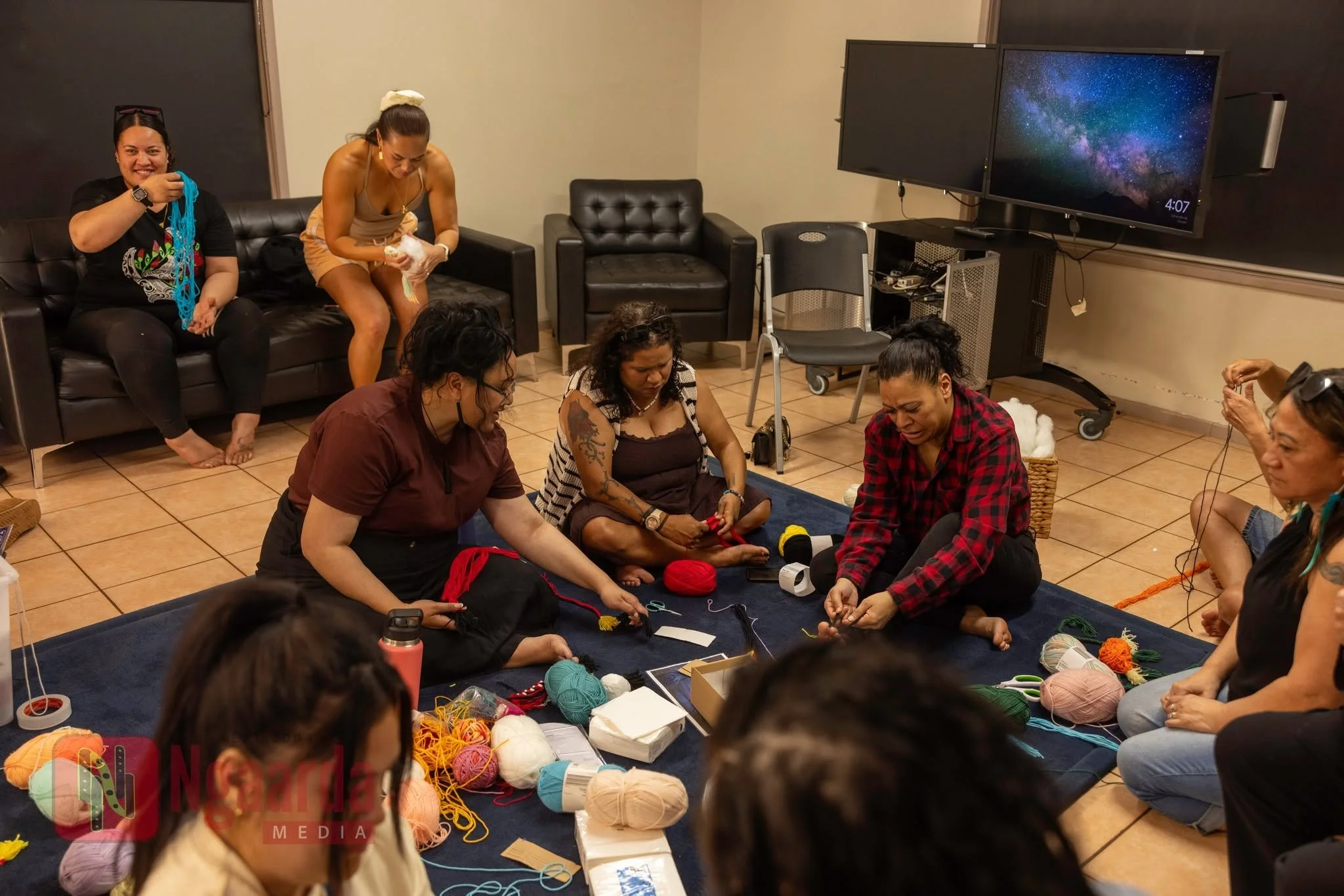
Whānau and community coming together in Newman to make poi as part of the Matariki celebrations — sharing culture, creativity and connection across generations. ✨
For Maia, some of the strongest memories of Matariki are simple ones: gathering beside a fire before sunrise, sharing stories, boiling kūmara and enjoying kai and laughter with whānau.
That sense of connection shaped Newman’s celebration, even though the local gathering looked a little different from the dawn ceremonies Maia had previously attended.
Instead of an early morning event, Newman whānau came together for dinner, replacing the traditional pot of boiling kūmara with steaming kūmara ready to be shared around the table.
“Coming together, having a kai, sharing the love, having a laugh and reminiscing about our whānau who have passed on — for me, that’s just as important.”
Maia said creating the Newman celebration was particularly meaningful because she did not grow up learning extensively about Matariki at school.
Although te reo Māori and tikanga were present within her household, she attended mainstream schooling and said Matariki was not widely taught or celebrated during her childhood.
That made the Newman gathering both a celebration and an opportunity to learn.
“I really wish it was something that was pushed in our culture, especially in Aotearoa,” she said.
“I’m still quite new to it. I’ve celebrated Matariki with whānau over the last couple of years, but it wasn’t something I grew up with.”
BEFORE SUNRISE IN PARABURDOO
About 300 kilometres away, Paraburdoo’s Matariki began while much of the town was still asleep.
Māori community leader Tapapa Lewis and local whānau gathered before sunrise to look towards the cluster of whetū and acknowledge the different elements represented within their local ceremony.
The Matariki cluster is known internationally as the Pleiades. Māori traditions connect its whetū with remembrance, food, rain, wind, freshwater, the ocean, health and aspirations for the future.
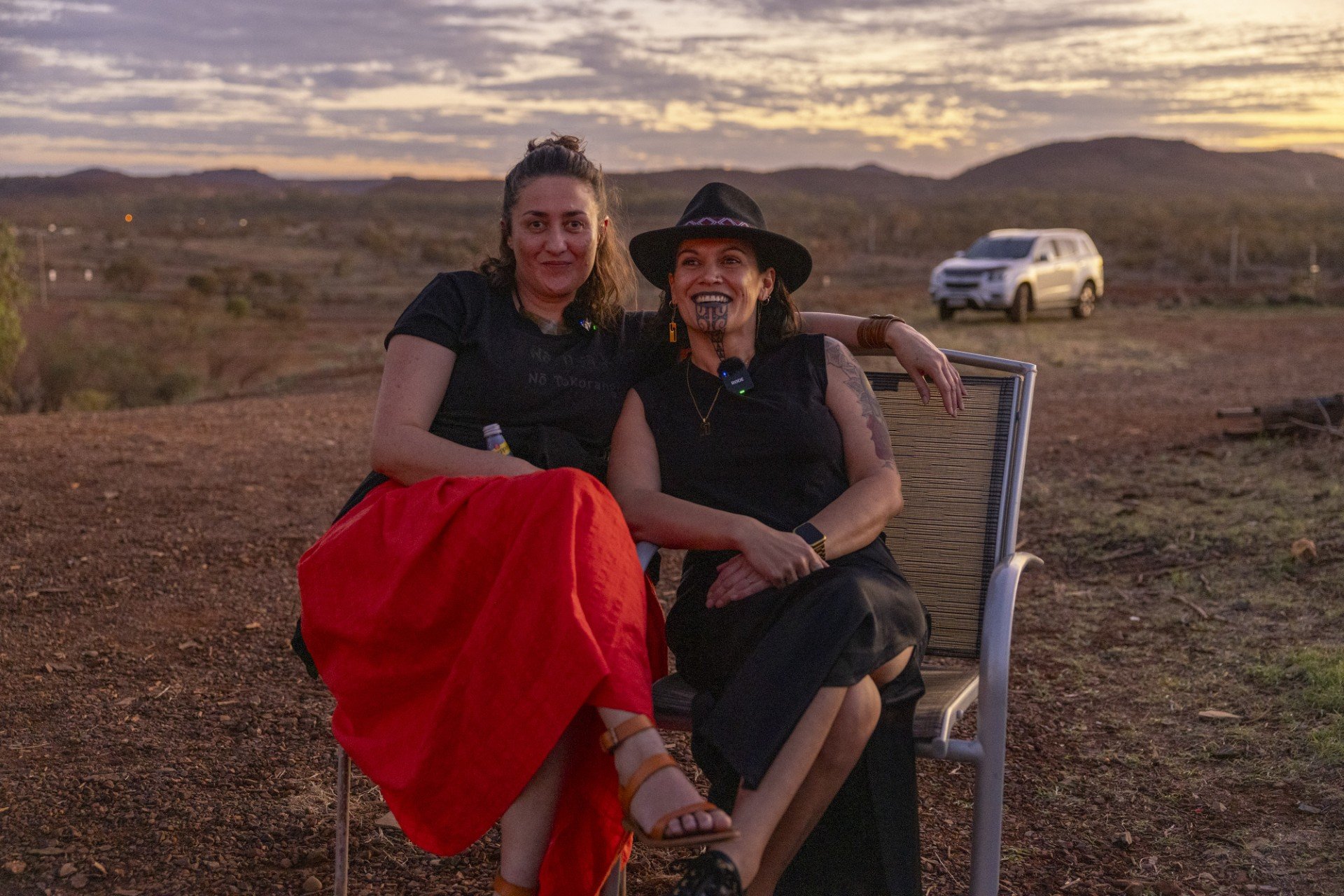
Credit: Jasper Blair-McDonald and Samara Diaz.
Tapapa said people once relied on the movements of the stars and natural environment to understand seasons and the passing of time.
For him, Matariki is now an opportunity to step away from technology and reconnect with the world outside.
“It’s a chance for us to reconnect with our culture and reconnect with this beautiful world we live in,” he said.
“Nature, land, stars, sky and all the good things that maybe we’re not so connected with through the age of technology.”
Tapapa said this was Paraburdoo’s fifth community Matariki celebration, with support growing through the Paraburdoo Māori Culture Club, social media and — most importantly — word of mouth.
“With anything good and anything great that comes from the heart or positive intent, word gets out,” he said.
“People want to come and experience our Matariki.”
KAI, STEAM AND STORIES RISING
The Paraburdoo ceremony included a special offering representing food and water from different parts of the environment.
Watercress represented freshwater, mussels represented salt water, chicken represented food from the air and kūmara represented food grown within the earth.
During the ceremony, people were invited to call out the names of loved ones who had passed during the previous year.
The cooker was then opened, allowing steam from the offerings to rise into the morning air.
“It’s about gathering together, sharing, remembering those who have passed, celebrating those who are present and building towards our future.”
After the ceremony came the hāngī — and everyone had a part to play.
Some people brought meat or vegetables, others shared a favourite dish, and many contributed their hands and time.
Tapapa said the shared responsibility helped everyone feel that they belonged.
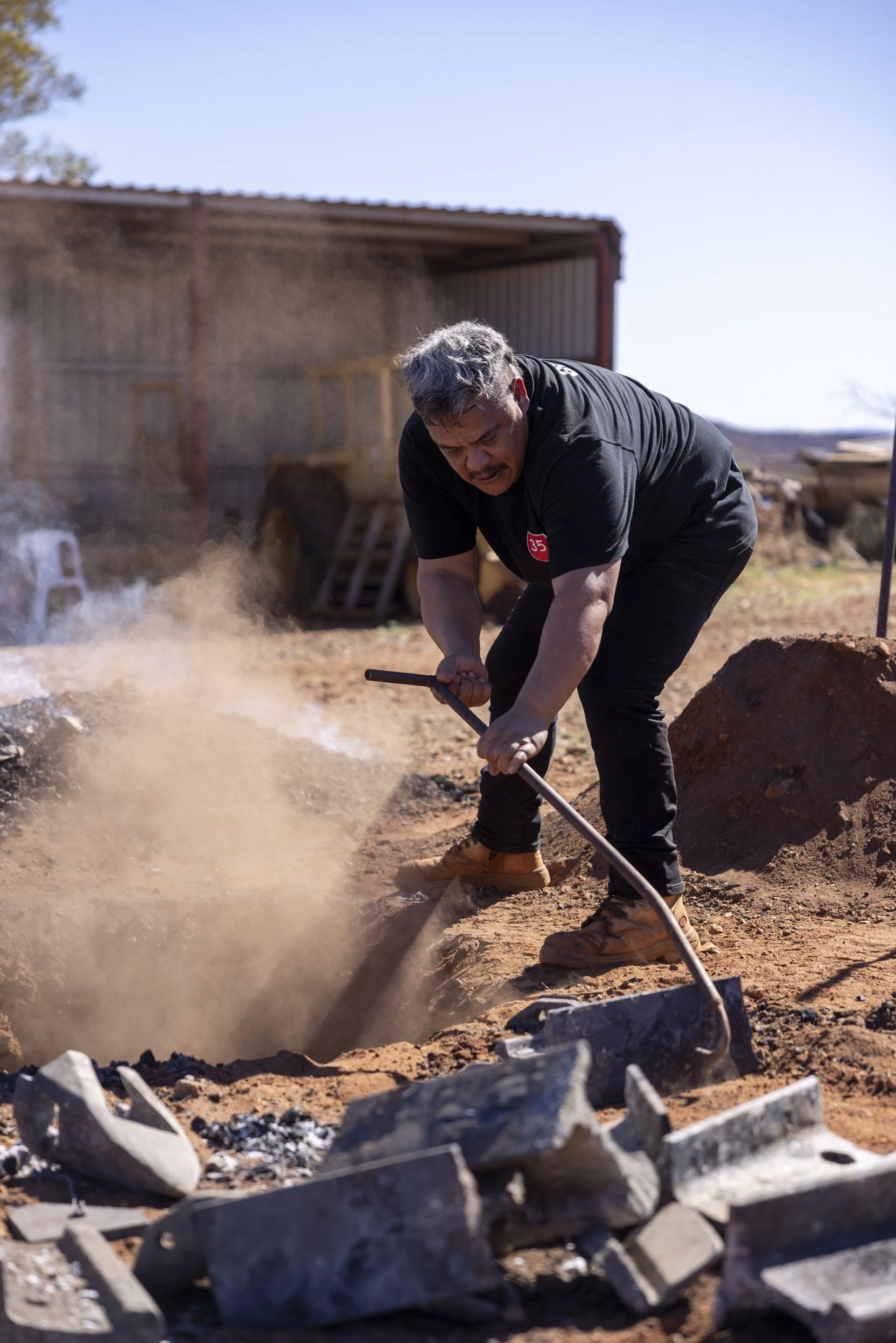
The hāngī preparation of Kai Matariki at Paraburdoo. Credit: Jasper Blair-McDonald and Samara Diaz.
Rather than turning the celebration into a tightly controlled event, he said he had learned to relax, trust the kaupapa and allow the gathering to grow naturally.
“I’m now enjoying our Matariki not as an event,” he said.
“The first couple were, in my mind, ‘I’ve got to make sure of this and make sure of that’.
“Now I’m in a space where I just go with the flow — and it has been an awesome lesson.”
RESPECT BEGINS WITH ASKING
Central to Paraburdoo’s celebration was respect for Yinhawangka people and Country.
Tapapa said the Māori community had spoken with respected Yinhawangka leader Marlin Cook and maintained communication with Yinhawangka Aboriginal Corporation representatives as the celebrations developed.
That included asking where firewood could be collected, where the ceremony could be held and how Māori traditions could be practised respectfully on another people’s Country.
Organisers say open communication with Yinhawangka people has been central to Paraburdoo’s Matariki celebrations. Credit: Jasper Blair-McDonald and Samara Diaz
Tapapa said asking permission and keeping communication open had helped build a strong relationship between the Māori and Yinhawangka communities.
“We want to make sure that we’re respecting the people of this land — Yinhawangka mob,” he said.
“With that respect comes the love of this place.”
Maia expressed a similar hope in Newman.
Although Māori living in the Pilbara do not whakapapa to the Country on which they now live, she said Matariki could create opportunities for First Nations peoples to meet, share kai and strengthen relationships.
“I’d like, maybe in the future, for us all to come together,” she said.
“It’s honouring our First Nations people here as well.”
TWO TOWNS, ONE SKY
The Newman and Paraburdoo gatherings were different in size, timing and ceremony.
One gathered around the dinner table. The other began beneath the stars and ended beside a hāngī.
But both carried the same message: remember those who came before, appreciate the people beside you and make space for the generations still to come.
Tapapa describes Matariki as a time for reflection, hope, gathering and reconnecting with the environment. Pōhutukawa is associated with loved ones who have died, while Hiwa-i-te-Rangi carries people’s dreams and aspirations for the coming year.
Across the Pilbara, those principles are finding a home beneath a different horizon.
Under one vast Pilbara sky, Matariki continues to remind whānau that even when home is across the ocean, culture can travel, relationships can grow and new traditions can take root.
Listen to both of the full interviews below: